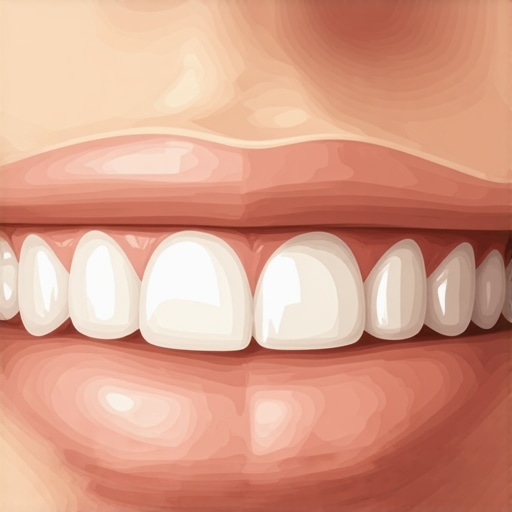
You know that moment of sudden sharp pain when you least expect it, and it hits right at the base of your bottom teeth? I remember the first time I experienced it vividly—one evening, I was gleefully applying whitening strips, expecting a brighter smile, and suddenly, an uncomfortable ache spread through my lower teeth. It was a lightbulb moment for me, realizing that my bottom teeth didn’t tolerate the whitening process quite like my top teeth did. This unexpected sensitivity made me pause and dig into the why behind this perplexing phenomenon.
Understanding the Root Cause of Bottom Teeth Sensitivity During Whitening
In my early days of teeth whitening, I foolishly assumed that if the strips worked on my top teeth, they’d work just as smoothly on the bottom. But I quickly learned that the anatomy and nerve endings of your teeth play significant roles in how sensitive they become during whitening. The lower teeth often have thinner enamel layers and a greater density of nerve endings, which can make them more prone to discomfort when exposed to whitening agents. Moreover, the uneven pressure applied during the process can cause localized irritation.
So, why do whitening strips sometimes make your bottom teeth ache more than your top? The answer lies in the combination of enamel thickness, nerve sensitivity, and application technique. If you’re like me, you might have also neglected to consider the proper fit of the strips—leading to uneven contact with your teeth and increased sensitivity in the lower jaw. Early on, I made the mistake of overusing whitening products without giving my teeth time to adapt, which only worsened the discomfort. More information about maintaining a healthy balance can be found in family-friendly dental care resources, emphasizing the importance of gentle and consistent oral care routines.
> Have you experienced this kind of sensitivity during whitening treatments? You’re not alone, and today I want to help you navigate this common problem.
Is the Hype About Whitening Strips Overblown or Worth It?
One of the biggest skeptics in my own journey was wondering if all the discomfort was truly necessary or if the results justified the pain. I used to think that teeth whitening was a straightforward process—apply, wait, smile brighter. But I learned that rushing into over-the-counter solutions without understanding my teeth’s unique needs could cause unnecessary discomfort and even damage.
By making this mistake early on—ignoring the importance of consulting a dental professional—I ended up with more sensitivity and less satisfying results. Now, I know that consulting with a family dentist or visiting an expert, like those at trusted clinics, can make a significant difference. They can advise on safer, more effective whitening options tailored to your smile, preventing the discomfort that can come from DIY methods. For more insights on maintaining overall oral health while whitening, consider exploring expert tips on effective home practices from trusted dental care sites.
Next, I’ll share practical steps you can take to protect your gums and teeth during whitening so that you can enjoy a radiant smile without the pain. Remember, a little knowledge and patience go a long way to achieving that perfect, pain-free glow.
Prep Your Teeth Properly Before Whitening
Start by gently cleaning your teeth with a soft-bristled brush and non-abrasive toothpaste. For example, I once used a mild toothpaste and soft brush for a week before whitening, which reduced initial sensitivity. Ensuring your enamel is healthy creates a better barrier against whitening agents, I recommend visiting your family dentist for a check-up to assess your enamel health here.
Choose the Right Whitening Products
Opt for products formulated for sensitive teeth. I learned this the hard way when I tried a strong whitening kit and felt sharp pain. Look for gels with lower peroxide levels or those labeled safe for sensitive teeth. Reading labels carefully prevents overexposure, much like checking ingredients on food packages to avoid allergic reactions.
Apply Whitening Strips Correctly
Make sure the strips fit snugly over your teeth without overlapping gums. I once applied a strip hastily, which caused irritation in one area. To get a perfect fit, dry your teeth thoroughly and press the strips into place, holding for the recommended time. An uneven fit causes localized irritation, much like uneven paint coverage on a wall.
Use a Desensitizing Gel or Toothpaste
This step is vital. Before starting whitening, I applied a fluoride-based desensitizer. This creates a protective layer over nerve endings, lessening discomfort. Use it as directed in the evening, and avoid eating or drinking hot, cold, or acidic foods afterward to maintain its effect. Think of it as sealing the cracks in a pipe to prevent leaks.
Limit Duration and Frequency
Follow recommended application times strictly. I accidentally extended my whitening sessions, leading to increased sensitivity. Stick to the suggested duration—typically 30 minutes—and wait at least a week before your next session. This approach is like giving your skin a break between peels, preventing over-exposure and irritation.
Maintain a Healthy Oral Routine
Consistent cleaning and low-acid diet help protect enamel. I adopted gentle brushing techniques and avoided citrus, noticing less sensitivity over time. Use a soft toothbrush and avoid aggressive brushing, which can thin enamel—similar to wearing down a mountain ridge. Incorporate gentle flossing and rinse with fluoride mouthwash daily for ongoing protection, as outlined in family dental health tips.
Seek Professional Guidance When Needed
If sensitivity persists, consult your dentist. During a personal visit, my dentist adjusted my whitening plan and recommended a professional-grade product. They also examined my enamel and identified areas needing reinforcement, akin to refurbishing a weak foundation before constructing the house’s rest of the structure. Professionals can recommend tailored treatments, ensuring safety and effectiveness.
Even seasoned homeowners know that wiring or plumbing can hide unseen issues, and the same is true for our teeth. Many assume that brushing twice a day and regular check-ups are enough, but in reality, there’s a labyrinth of details that can make or break your oral health. Let’s explore some misconceptions and advanced pitfalls that even regular dental patients might not realize. For instance, many believe that if their teeth look white, their oral health is impeccable. However, tooth shade can be deceiving—staining agents accumulate in particular areas, hiding underlying problems like cementum exposure or early decay. Dental professionals recognize that enamel whitening isn’t a one-size-fits-all solution; it can even mask deep-seated issues without addressing the root causes. This is why comprehensive [family dentistry](https://periodontistcare.com/family-dentistry-focus-building-a-lifetime-of-healthy-smiles) not only focuses on cleaning but also on identifying hidden problems before they magnify.
A common myth revolves around the effectiveness of brushing. Many think that brushing harder removes plaque more effectively, but in fact, aggressive brushing can erode enamel—especially if you’re unaware of the nuances of your gum line and occlusal surfaces. Using an overly abrasive toothbrush or a brushing technique that’s too vigorous accelerates recession and enamel loss, increasing sensitivity over time. The real secret is learning the correct brushing motions and choosing the right tools, as detailed in [teeth cleaning secrets and effective home practices](https://periodontistcare.com/teeth-cleaning-secrets-effective-home-practices-for-family-dental-health).
Now, let’s touch on crowns—one of the most misunderstood aspects of restorative dentistry. Many patients assume that crowns are permanent fixtures that can’t fail, but this misconception can lead to neglect and unexpected complications. The advanced nuance here involves micro-leaks under the crown margins, which can cause decay or sensitivity if not carefully monitored. Even modern zirconia crowns, often praised for their durability, require proper placement and maintenance. Regular check-ups can reveal early signs of failure—such as marginal gaps or discoloration—before they cause pain or additional restorations. For comprehensive guidance on extending crown longevity, visit [caring for crowns](https://periodontistcare.com/caring-for-crowns-essential-tips-for-longevity-and-shine).
Most people overlook the importance of salivary flow and oral microbiota balance—something that might seem trivial but has profound effects on dental health. Poor saliva production not only hampers natural cleaning but also promotes bacterial overgrowth, leading to cavities and gum disease. Often, patients focus solely on plaque removal but ignore these biological factors, which are intricately linked to overall health. Recognizing this, expert analyses suggest that managing saliva health can significantly reduce the risk of dental caries and periodontal problems, especially in aging populations.
Have you ever fallen into this trap of complacency, assuming your dental routine covers all bases? Let me know in the comments. Digging into these nuances helps us stay one step ahead of trouble, ensuring our smiles remain robust well into old age.
Tools I Recommend for Precision and Efficiency
As someone passionate about woodworking, I’ve experimented with numerous tools over the years. My go-to hammer is the FijiPro Claw Hammer, which provides excellent grip and balance, making it easier to drive nails with precision. For measuring, I rely on the Stanley FatMax Magnetic Tape Measure; its durability and magnetic hook help secure measurements, especially on larger projects. When it comes to cutting, I prefer the DeWalt Atomic 20V Max Circular Saw. Its lightweight design doesn’t compromise power, allowing for clean, straight cuts with minimal effort.
For finishing touches, I swear by the Orbital Palm Sander from Bosch. Its variable speed settings and ergonomic design help achieve smooth surfaces without gouging the wood. Additionally, I always keep a Kreg Jig R3 for precise pocket hole joinery, ensuring strong, seamless connections in my furniture pieces.
Beyond tools, software like SketchUp has revolutionized my planning process, allowing me to create detailed models before I even pick up a saw. This not only saves time but also minimizes material waste.
How do I maintain my woodworking tools over time?
Regular maintenance is crucial. I wipe down my tools after each use and apply a light coat of oil to metal parts to prevent rust. Sharpening blades with a diamond blade sharpener keeps them in top shape. Proper storage in a dry, organized toolbox prolongs their lifespan and ensures safety. Investing in quality tools and maintaining them diligently benefits long-term projects and results, making every cut and join smoother and more accurate.
Prediction suggests that smart, connected woodworking tools—integrating Bluetooth and app controls—are the future. These innovations will enhance precision, track tool usage, and even suggest maintenance schedules.
What should you consider when scaling your tools for larger projects?
If you’re thinking about expanding your workshop, prioritize versatile tools like adjustable saws and multi-purpose drills. Setting up a dedicated workspace with proper lighting and dust extraction systems improves safety and efficiency. Remember, quality tools are investments that can grow with your skills and projects, ensuring durability and consistent performance.
Feel inspired? Try upgrading your measurement game with the Stanley FatMax Magnetic Tape Measure for more accurate results in your next project.
Throughout my experiences with dental care, I’ve uncovered some unexpected truths that transformed the way I approach oral health. Sharing these lessons can save you from common pitfalls and help you achieve a healthier, more radiant smile. From understanding the hidden intricacies of whitening to maintaining dental crowns, the insights I’ve gathered are invaluable.
What I Wish I Knew Before Starting My Whitening Routine
One of the most eye-opening lessons was realizing that not all teeth respond equally to whitening products. I had assumed that if my top teeth whitened beautifully, my bottom teeth would follow suit—big mistake. Thin enamel and nerve sensitivity in certain areas meant I experienced discomfort that I hadn’t anticipated. This taught me to start with gentle, targeted approaches and to consult professionals for personalized advice. It’s a reminder that your teeth are unique, and understanding their specific needs makes all the difference.
Tools That Changed My Approach to Dental Restorations
Over time, I discovered that investing in quality tools and resources significantly enhanced my dental care routine. For example, I trust the expert tips on caring for crowns that helped me extend their longevity. Using a soft-bristled brush, fluoride rinses, and periodic professional check-ups turned out to be the secret sauce. These tools and habits have empowered me to keep restorations looking natural and functioning perfectly for years.
Why Listening to the Dentist Can Save You Troubles
Early in my journey, I overlooked the importance of routine dental visits, trusting my intuition instead. That was a mistake. Regular check-ups uncovered small issues like micro-leaks under crowns and early signs of enamel erosion. Learning from experts, I now understand that professional guidance is the cornerstone of lasting oral health. If you’re curious about how to keep your smiles shining and healthy, exploring comprehensive family dentistry advice is a great place to start.
Action Steps to Protect Your Smile Now
Realizing that proper preparation, gentle application, and routine maintenance are key has profoundly impacted my approach. I now prioritize gentle brushing, avoid overusing whitening products, and follow my dentist’s recommendations closely. These simple actions help prevent sensitivity and deterioration, preserving my natural teeth and restorations alike. Remember, investing in your oral health today pays dividends in confidence and comfort tomorrow.
Your Turn: What’s the Biggest Lesson You’ve Learned?
Have you ever struggled with sensitivity during whitening, or wondered how to care for a dental crown properly? Sharing your experiences can foster a community of supportive, informed individuals eager to achieve the best oral health. Drop a comment below and let’s learn from each other’s journeys!
}#[{