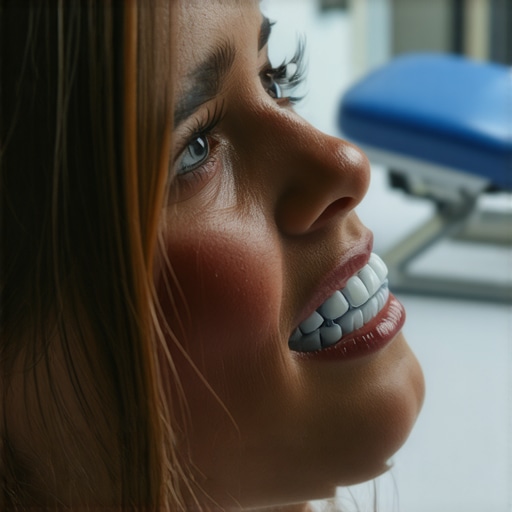
Have you ever left the dentist’s office feeling like you’ve just completed a workout—except your jaw is achy and tense? That uncomfortable, sometimes alarmingly tight feeling in my jaw after a thorough cleaning used to catch me off guard. It was as if my mouth had run a marathon while I was just trying to maintain good oral hygiene. This sensation was frustrating enough to make me wonder if something was wrong, or if I was doing something wrong myself.
Why Your Jaw Gets So Tight After Dental Cleanings
Is It Normal or Should You Worry? I Thought I Was Doing Everything Right
Initially, I thought I might be overreacting or that I was too tense during the procedure. But digging into this common issue revealed that a tight jaw afterward isn’t uncommon. Dental hygienists often spend a significant amount of time opening your mouth wide and working in that uncomfortable, extended position. This can lead to muscle fatigue or even mild strain, especially if you tend to clench your teeth unconsciously or have underlying jaw tension. Interestingly, according to the American Dental Association, repetitive or prolonged mouth opening can cause temporary soreness or tightness in jaw muscles—sometimes called “dental office syndrome.”1 So, it’s not just in my head; it’s a genuine physical response.
Furthermore, if you’re someone with existing jaw issues like TMJ disorder, your muscles may be more prone to tightness after appointments. Sometimes, the positioning required during cleaning or other procedures exacerbates these symptoms temporarily. But here’s the good news: understanding why this happens can help you take steps to minimize discomfort and protect your jaw health in the long run.
What We Will Cover Today
In this post, I’ll share personal insights and proven strategies to manage and prevent jaw tightness after dental visits. Whether you’re a routine visitor or someone who fears getting that painful twinge, by the end, you’ll have practical tips to keep your jaw relaxed and comfortable. Plus, I’ll guide you toward resources that support ongoing oral health and jaw muscle strength, so it doesn’t catch you unprepared next time. If you’ve ever wondered whether this tight jaw feeling signifies something more serious or just a temporary nuisance, keep reading. We’re going to address your concerns step-by-step, so your next dental cleaning can be as comfortable as possible.
Start with Smart Preparation Before Your Appointment
Communicate Your Concerns to Your Dentist or Hygienist
Begin by informing your dental professional about your history of jaw tightness or TMJ issues. Clear communication allows them to adjust their technique, such as minimizing mouth opening time or recommending specific positioning, much like a tailor customizing a suit for comfort. During my last cleaning, I mentioned my prolonged discomfort, and the hygienist used a more gradual approach, which significantly reduced my post-appointment muscle fatigue. For more tips on maintaining oral health during visits, check out expert advice on crowns and teeth cleaning.
Optimize Your Relaxation Techniques
Employ Guided Breathing and Jaw Relaxation Exercises
Practicing deep, diaphragmatic breathing before and after your appointment can help reduce overall muscle tension, just as athletes use breath control to manage physical stress. Try inhaling slowly through your nose for four seconds, hold for four, then exhale gently through your mouth for another four seconds. During my last appointment, I consciously relaxed my jaw muscles with this technique while waiting in the chair, which made the subsequent opening less strenuous. You can also perform simple jaw stretches, like gently opening your mouth wide, then closing it; repeat a few times to stretch and relax the muscles. Incorporating these practices into your routine supports better post-appointment comfort. For additional tips on oral routines, see oral health routines for a stronger smile.
Drink and Nourish for Muscle Recovery
Stay Hydrated and Choose Anti-Inflammatory Foods
Water plays a vital role in muscle recovery; staying well-hydrated ensures your tissues function optimally. I made it a habit to sip water throughout the day after my appointment, which helped flush out any inflammatory byproducts. Additionally, consuming anti-inflammatory foods like omega-3 rich fish, leafy greens, and berries can reduce muscle soreness, much like how sports medicine emphasizes nutrient support for recovery. Avoiding salty or processed foods immediately after a cleaning can prevent additional swelling. For strategies on maintaining oral health with diet, explore family oral health tips for 2025.
Apply Targeted Relief Methods
Use Warm Compresses and Gentle Massages
Applying a warm compress to the jaw area can relax tight muscles, akin to how heating pads soothe sore muscles after exercise. I placed a warm towel against my jaw for 10-15 minutes, feeling the tension gradually ease. Gentle massage of the muscles around the jaw and neck not only alleviates tightness but also stimulates blood flow. Avoid excessive pressure; the goal is to promote relaxation, not pain. If you want to learn more about caring for dental crowns and ensuring their longevity, visit caring for crowns. Remember to consult your dentist if discomfort persists or worsens, as persistent tightness may signal other issues requiring professional attention.Many people believe that regular brushing and flossing alone guarantee optimal oral health, but this misconception overlooks crucial nuances that can impact your dental well-being. For instance, the idea that using whitening toothpaste will always produce brighter teeth is a myth; in reality, overuse can erode enamel, especially if your teeth are already sensitive.
Another prevalent misconception is that dental cleanings are purely cosmetic. In truth, professional cleanings play a vital role in preventing periodontal disease, which, according to research published in the Journal of Periodontology, affects nearly half of adults over 301. Neglecting regular visits can lead to undetected inflammation and bone loss, underscoring the importance of routine care beyond surface appearances.
Common Pitfall: Relying Solely on Flossing for Gum Health
Many assume that flossing is enough to prevent gum disease, but evidence suggests that improper flossing techniques can cause more harm than good. Aggressively snapping floss between teeth can damage delicate gum tissue and lead to recession. Proper flossing involves gentle, gliding motions that clean beneath the gumline without trauma. For comprehensive advice on maintaining healthy gums and preventing common mistakes, visit dental crown maintenance tips.
Advanced Insight: The Nuances of Crown Placement and Maintenance
Many patients underestimate how critical crown fit and material selection are. A poorly fitted crown can lead to secondary decay or fit problems that might not be immediately evident. Experts emphasize that zirconia crowns offer superior durability and resistance to chipping compared to traditional porcelain2. Yet, some practitioners overlook the importance of precise occlusion adjustments, which, if ignored, can cause bite issues or discomfort. Ensuring your crown is properly maintained and evaluated can extend its longevity, as discussed in caring for crowns.
What Do Most People Overlook About Family Dentistry?
A common mistake is to think family dentistry is only about children or basic teeth cleaning. In reality, a skilled family dentist offers preventive strategies tailored for all ages, including screening for oral cancer and managing complex cases like TMJ disorders. Regular visits can catch early signs of systemic health issues, such as diabetes or heart disease, which manifest in the mouth. For a holistic approach to your long-term oral health, see family dentistry for lifelong wellness.
Let’s dig even deeper—what other dental myths have you encountered? Have you ever fallen into this trap? Let me know in the comments.
Keeping My Dental Routine Effective with Trusted Tools
As someone dedicated to maintaining optimal oral health, I’ve found that investing in high-quality tools makes a real difference in long-term results. I personally swear by my cordless electric toothbrush, the Philips Sonicare DiamondClean. Its sonic technology delivers up to 62,000 brush strokes per minute, ensuring thorough plaque removal without excessive pressure that could damage sensitive areas. The built-in timers also encourage me to brush for the recommended two minutes, fostering consistency. Properly caring for crowns involves meticulous plaque removal, and this device helps do just that.
For effective cleaning between teeth, I rely on Waterpik Water Flossers. Unlike traditional floss, they use a gentle water jet that cleans deep beneath gumlines and around crowns without risking gum trauma. I specifically use the Waterpik Aquarius model because its adjustable pressure settings accommodate my sensitive gums, which helps me stay consistent without discomfort. Regular interdental cleaning is crucial to prevent decay and periodontal issues, especially if you have crowns or other dental appliances. Learn more about maintaining your dental work at caring for crowns.
Using Software to Track and Improve Oral Care
Beyond physical tools, I utilize my smartphone with the Brush DJ app, which plays two-minute song playlists for every session, making brushing a fun and timed activity. It also sends me reminders to replace my toothbrush every three months—a simple yet vital habit to maintain optimal cleaning efficiency. For those managing family oral routines, apps like Oral-B Family Timer can help keep everyone on schedule. Technology is evolving rapidly, and future trends suggest integrating AI-powered toothbrushes that analyze brushing patterns in real-time, providing personalized feedback. This innovation could revolutionize oral health maintenance by encouraging better habits and early detection of issues. To keep your crowns and appliances performing their best, consider tools that monitor your brushing habits and improve technique over time.
How do I maintain my dental tools over time?
Keeping your equipment in top shape involves more than just usage. For instance, toothbrush heads should be replaced every three months or sooner if the bristles fray, as worn bristles cannot clean effectively. Regularly disinfect electric toothbrushes by running the brush head through boiling water or using the manufacturer’s sterilization cycle to eliminate bacteria. Water flossers should be cleaned weekly—removing the nozzle and soaking it in a vinegar solution helps prevent buildup. Additionally, software apps need updates to stay reliable, so ensure your devices are kept current. Taking these simple steps prolongs equipment lifespan and preserves their effectiveness, which ultimately supports your ongoing oral health journey. Implementing these maintenance habits is straightforward and will pay dividends in the health of your crowns, bridges, or implants over the years. Try scheduling a weekly cleaning session for your tools today and notice how much easier your routine becomes.
Five Unexpected Truths That Can Transform Your Dental Care Approach
- Realizing that jaw tightness after cleanings isn’t just common but a sign for proactive communication can save you discomfort and long-term issues. Trusting your instincts and discussing your concerns openly with your hygienist leads to more personalized, gentle care.
- Knowing that simple relaxation techniques, like guided breathing or gentle jaw stretches, can make your visits more comfortable empowers you to take control of your experience rather than feeling passive.
- Understanding that inflammation and muscle fatigue respond well to targeted home remedies—hydration, anti-inflammatory foods, warm compresses—is a game-changer in managing post-appointment soreness.
- Discovering that investing in high-quality tools, such as electric toothbrushes and water flossers, combined with consistent maintenance, dramatically improves your overall oral health and extends the life of crowns and appliances.
- Realizing that technology, from apps to AI-powered devices, can provide personalized feedback and motivate better habits, making your dental routine more effective and engaging over time.
My Secret Arsenal for Dental Excellence
For maintaining optimal oral health, I lean on tools I trust explicitly. The Philips Sonicare DiamondClean has transformed my brushing routine with its sonic technology, ensuring thorough cleaning without trauma. Between teeth, the Waterpik Aquarius helps me keep my crowns and gaps pristine without fuss. Beyond physical tools, apps like Brush DJ turn daily routines into engaging, well-timed activities that reinforce good habits. Prioritizing tools that support your unique dental needs paves the way for a healthier, happier smile.
It’s Your Turn to Prioritize Your Smile’s Future
Understanding the nuanced experiences post-dental visit can empower you to make smarter choices and advocate for your comfort and oral health. Remember, every small step, from communication to tool maintenance, contributes to a lifetime of confident smiles. Embrace these insights, and soon, your dental routine will become a proactive celebration of wellness, not a source of anxiety. The future of dental care is in your hands—make it bright, healthy, and pain-free!
What’s one change you’re ready to make after reading this? Share your plans below—I love hearing your experiences!
}**}#END}#}#}#}#}#}#}#}#}#}#}#}#}#}#}#}#}#}#}#}#}#}#}#}#}#}#}#}#}#}#}#}#}#}#}#}#}#}#}#}#}#}#}#}#}#}#}#}#}#}#}#}#}#}#}#}#}#}#}#}#}#}#}#}#}#}#}#}#}#}#}#}#}#}#}#}#}#}#}#}#}#}#}#}#}#}#}#}#}#}#}#}#}#}#}#}#}#}#}#}#}#}#}#}#}#}#}#}#}#}#}#}#}#}#}#}#}#}#}#}#}#}#}#}#}#}#}#}#}#}#}#}#}#}#}#}#}#}#}#}#}#}#}#}#}#}#}#}#}#}#}#}#}#}#}#}#}#}#}#}#}#}#}#}#}#}#}#}#}#}#}#}#}#}#}#}#}#}#}#}#}#}#}#}#}#}#}#}#}#}#}#}#}#}#}#}#}#}#}#}#}#}#}#}#}#}#}#}#}#}#}#}#}#}#}#}#}#}#}#}#}#}#}#}#}#}#}#}#}#}#}#}#}#}#}#}#}#}#}#}#}#}#}#}#}#}#}#}#}#}#}#}#}#}#}#}#}#}#}#}#}#}#}#}#}#}#}#}#}#}#}#}#}#}#}#}#}#}#}#}#}#}#}#}#}#}#}#}#}#}#}#}#}#}#}#}#}#}#}#}#}#}#}#}#}#}#}#}#}#}#}#}#}#}#}#}#}#}#}#}#}#}#}#}#}#}#}#}#}#}#}#}#}#}#}#}#}#}#}#}#}#}#}#}#}#}#}#}#}#}#}#}#}#}#}#}#}#}#}#}#}#}#}#}#}#}#}#}#}#}#}#}#}#}#}#}#}#}#}#}#}#}#}#}#}#}#}#}#}#}#}#}#}#}#}#}#}#}#}#}#}#}#}#}#}#}#}#}#}#}#}#}#}#}#}#}#}#}#}#}#}#}#}#}#}#}#}#}#}#}#}#}#}#}#}#}#}#}#}#}#}#}#}#}#}#}#}#}#}#}#}#}#}#}#}#}#}#}#}#}#}#}#}#}#}#}#}#}#}#}#}#}#}#}#}#}#}#}#}#}#}#}#}#}#}#}#}#}#}#}#}#}#}#}#}#}#}#}#}#}#}#}#}#}#}#}#}#}#}#}#}#}#}#}#}#}#}#}#}#}#}#}#}#}#}#}#}#}#}#}#}#}#}#}#}#}#}#}#}#}#}#}#}#}#}#}#}#}#}#}#}#}#}#}#}#}#}#}#}#}#}#}#}#}#}#}#}#}#}#}#}#}#}#}#}#}#}#}#}#}#}#}#}#}#}#}#}#}#}#}#}#}#}#}#}#}#}#}#}#}#}#}#}#}#}#}#}#}#}#}#}#}#}#}#}#}#}#}#}#}#}#}#}#}#}#}#}#}#}#}#}#}#}#}#}#}#}#}#}#}#}#}#}#}#}#}#}#}#}#}#}#}#}#}#}#}#}#}#}#}#}#}#}#}#}#}#}#}#}#}#}#}#}#}#}#}#}#}#}#}#}#}#}#}#}#}#}#}#}#}#}#}#}#}#}#}#}#}#}#}#}#}#}#}#}#}#}#}#}#}#}#}#}#}#}#}#}#}#}#}#}#}#}#}#}#}#}#}#}#}#}#}#}#}#}#}#}#}#}#}#}#}#}#}#}#}#}#}#}#}#}#}#}#}#}#}#}#}#}#}#}#}#}#}#}#}#}#}#}#}#}#}#}#}#}#}#}#}#}#}#}#}#}#}#}#}#}#}#}#}#}#}#}#}#}#}#}#}#}#}#}#}#}#}#}#}#}#}#}#}#}#}#}#}#}#}#}#}#}#}#}#}#}#}#}#}#}#}#}#}#}#}#}#}#}#}#}#}#}#}#}#}#}#}#}#}#}#}#}#}#}#}#}#}#}#}#}#}#}#}#}#}#}#}#}#}#}#}#}#}#}#}#}#}#}#}#}#}#}#}#}#}#}#}#}#}#}#}#}#}#}#}#}#}#}#}#}#}#}#}#}#}#}#}#}#}#}#}#}#}#}#}#}#}#}#}#}#}#}#}#}#}#}#}#}#}#}#}#}#}#}#}#}#}#}#}#}#}#}#}#}#}#}#}#}#}#}#}#}#}#}#}#}#}#}#}#}#}#}#}#}#}#}#}#}#}#}#}#}#}#}#}#}#}#}#}#}#}#}#}#}#}#}#}#}#}#}#}#}#}#}#}#}#}#}#}#}#}#}#}#}#}#}#}#}#}#}#}#}#}#}#}#}#}#}#}#}#}#}#}#}#}#}#}#}#}#}#}#}#}#}#}#}#}#}#}#}#}#}#}#}#}#}#}#}#}#}#}#}#}#}#}#}#}#}#}#}#}#}#}#}#}#}#}#}#}#}#}#}#}#}#}#}#}#}#}#}#}#}#}#}#}#}#}#}#}#}#}#}#}#}#}#}#}#}#}#}#}#}#}#}#}#}#}#}#}#}#}#}#}#}#}#}#}#}#}#}#}#}#}#}#}#}#}#}#}#}#}#}#}#}#}#}#}#}#}#}#}#}#}#}#}#}#}#}#}#}#}#}#}#}#}#}#}#}#}#}#}#}#}#}#}#}#}#}#}#}#}#}#}#}#}#}#}#}#}#}#}#}#}#}#}#}#}#}#}#}#}#}#}#}#}#}#}#}#}#}#}#}#}#}#}#}#}#}#}#}#}#}#}#}#}#}#}#}#}#}#}#}#}#}#}#}#}#}#}#}#}#}#}#}#}#}#}#}#}#}#}#}#}#}#}#}#}#}#}#}#}#}#}#}#}#}#}#}#}#}#}#}#}#}#}#}#}#}#}#}#}#}#}#}#}#}#}#}#}#}#}#}#}#}#}#}#}#}#}#}#}#}#}#}#}#}#}#}#}#}#}#}#}#}#}#}#}#}#}#}#}#}#}#}#}#}#}#}#}#}#}#}#}#}#}#}#}#}#}#}#}#}#}#}#}#}#}#}#}#}#}#}#}#}#}#}#}#}#}#}#}#}#}#}#}#}#}#}#}#}#}#}#}#}#}#}#}#}#}#}#}#}#}#}#}#}#}#}#}#}#}#}#}#}#}#}#}#}#}#}#}#}#}#}#}#}#}#}#}#}#}#}#}#}#}#}#}#}#}#}#}#}#}#}#}#}#}#}#}#}#}#}#}#}#}#}#}#}#}#}#}#}#}#}#}#}#}#}#}#}#}#}#}#}#}#}#}#}#}#}#}#}#}#}#}#}#}#}#}#}#}#}#}#}#}#}#}#}#}#}#}#}#}#}#}#}#}#}#}#}#}#}#}#}#}#}#}#}#}#}#}#}#}#}#}#}#}#}#}#}#}#}#}#}#}#}#}#}#}#}#}#}#}#}#}#}#}#}#}#}#}#}#}#}#}#}#}#}#}#}#}#}#}#}#}#}#}#}#}#}#}#}#}#}#}#}#}#}#}#}#}#}#}#}#}#}#}#}#}#}#}#}#}#}#}#}#}#}#}#}#}#}#}#}#}#}#}#}#}#}#}#}#}#}#}#}#}#}#}#}#}#}#}#}#}#}#}#}#}#}#}#}#}#}#}#}#}#}#}#}#}#}#}#}#}#}#}#}#}#}#}#}#}#}#}#}#}#}#}#}#}#}#}#}#}#}#}#}#}#}#}#}#}#}#}#}#}#}#}#}#}#}#}#}#}#}#}#}#}#}#}#}#}#}#}#}#}#}#}#}#}#}#}#}#}#}#}#}#}#}#}#}#}#}#}#}#}#}#}#}#}#}#}#}#}#}#}#}#}#}#}#}#}#}#}#}#}#}#}#}#}#}#}#}#}#}#}#}#}#}#}#}#}#}#}#}#}#}#}#}#}#}#}#}#}#}#}#}#}#}#}#}#}#}#}#}#}#}#}#}#}#}#}#}#}#}#}#}#}#}#}#}#}#}#}#}#}#}#}#}#}#}#}#}#}#}#}#}#}#}#}#}#}#}#}#}#}#}#}#}#}#}#}#}#}#}#}#}#}#}#}#}#}#}#}#}#}#}#}#}#}#}#}#}#}#}#}#}#}#}#}#}#}#}#}#}#}#}#}#}#}#}#}#}#}#}#}#}#}#}#}#}#}#}#}#}#}#}#}#}#}#}#}#}#}#}#}#}#}#}#}#}#}#}#}#}#}#}#}#}#}#}#}#}#}#}#}#}#}#}#}#}#}#}#}#}#}#}#}#}#}#}#}#}#}#}#}#}#}#}#}#}#}#}#}#}#}#}#}#}#}#}#}#}#}#}#}#}#}#}#}#}#}#}#}#}#}#}#}#}#}#}#}#}#}#}#}#}#}#}#}#}#}#}#}#}#}#}#}#}#}#}#}#}#}#}#}#}#}#}#}#}#}#}#}#}#}#}#}#}#}#}#}#}#}#}#}#}#}#}#}#}#}#}#}#}#}#}#}#}#}#}#}#}#}#}#}#}#}#}#}#}#}#}#}#}#}#}#}#}#}#}#}#}#}#}#}#}#}#}#}#}#}#}#}#}#}#}#}#}#}#}#}#}#}#}#}#}#}#}#}#}#}#}#}#}#}#}#}#}#}#}#}#}#}#}#}#}#}#}#}#}#}#}#}#}#}#}#}#}#}#}#}#}#}#}#}#}#}#}#}#}#}#}#}#}#}#}#}#}#}#}#}#}#}#}#}#}#}#}#}#}#}#}#}#}#}#}#}#}#}#}#}#}#}#}#}#}#}#}#}#}#}#}#}#}#}#}#}#}#}#}#}#}#}#}#}#}#}#}#}#}#}#}#}#}#}#}#}#}#}#}#}#}#}#}#}#}#}#}#}#}#}#}#}#}#}#}#}#}#}#}#}#}#}#}#}#}#}#}#}#}#}#}#}#}#}#}#}#}#}#}#}#}#}#}#}#}#}#}#}#}#}#}#}#}#}#}#}#}#}#}#}#}#}#}#}#}#}#}#}#}#}#}#}#}#}#}#}#}#}#}#}#}#}#}#}#}#}#}#}#}#}#}#}#}#}#}#}#}#}#}#}#}#}#}#}#}#}#}#}#}#}#}#}#}#}#}#}#}#}#}#}#}#}#}#}#}#}#}#}#}#}#}#}#}#}#}#}#}#}#}#}#}#}#}#}#}#}#}#}#}#}#}#}#}#}#}#}#}#}#}#}#}#}#}#}#}#}#}#}#}#}#}#}#}#}#}#}#}#}#}#}#}#}#}#}#}#}#}#}#}#}#}#}#}#}#}#}#}#}#}#}#}#}#}#}#}#}#}#}#}#}#}#}#}#}#}#}#}#}#}#}#}#}#}#}#}#}#}#}#}#}#}#}#}#}#}#}#}#}#}#}#}#}#}#}#}#}#}#}#}#}#}#}#}#}#}#}#}#}#}#}#}#}#}#}#}#}#}#}#}#}#}#}#}#}#}#}#}#}#}#}#}#}#}#}#}#}#}#}#}#}#}#}#}#}#}#}#}#}#}#}#}#}#}#}#}#}#}#}#}#}#}#}#}#}#}#}#}#}#}#}#}#}#}#}#}#}#}#}#}#}#}#}#}#}#}#}#}#}#}#}#}#}#}#}#}#}#}#}#}#}#}#}#}#}#}#}#}#}#}#}#}#}#}#}#}#}#}#}#}#}#}#}#}#}#}#}#}#}#}#}#}#}#}#}#}#}#}#}#}#}#}#}#}#}#}#}#}#}#}#}#}#}#}#}#}#}#}#}#}#}#}#}#}#}#}#}#}#}#}#}#}#}#}#}#}#}#}#}#}#}#}#}#}#}#}#}#}#}#}#}#}#}#}#}#}#}#}#}#}#}#}#}#}#}#}#}#}#}#}#}#}#}#}#}#}#}#}#}#}#}#}#}#}#}#}#}#}#}#}#}#}#}#}#}#}#}#}#}#}#}#}#}#}#}#}#}#}#}#}#}#}#}#}#}#}#}#}#}#}#}#}#}#}#}#}#}#}#}#}#}#}#}#}#}#}#}#}#}#}#}#}#}#}#}#}#}#}#}#}#}#}#}#}#}#}#}#}#}#}#}#}#}#}#}#}#}#}#}#}#}#}#}#}#}#}#}#}#}#}#}#}#}#}#}#}#}#}#}#}#}#}#}#}#}#}#}#}#}#}#}#}#}#}#}#}#}#}#}#}#}#}#}#}#}#}#}#}#}#}#}#}#}#}#}#}#}#}#}#}#}#}#}#}#}#}#}#}#}#}#}#}#}#}#}#}#}#}#}#}#}#}#}#}#}#}#}#}#}#}#}#}#}#}#}#}#}#}#}#}#}#}#}#}#}#}#}#}#}#}#}#}#}#}#}#}#}#}#}#}#}#}#}#}#}#}#}#}#}#}#}#}#}#}#}#}#}#}#}#}#}#}#}#}#}#}#}#}#}#}#}#}#}#}#}#}#}#}#}#}#}#}#}#}#}#}#}#}#}#}#}#}#}#}#}#}#}#}#}#}#}#}#}#}#}#}#}#}#}#}#}#}#}#}#}#}#}#}#}#}#}#}#}#}#}#}#}#}#}#}#}#}#}#}#}#}#}#}#}#}#}#}#}#}#}#}#}#}#}#}#}#}#}#}#}#}#}#}#}#}#}#}#}#}#}#}#}#}#}#}#}#}#}#}#}#}#}#}#}#}#}#}#}#}#}#}#}#}#}#}#}#}#}#}#}#}#}#}#}#}#}#}#}#}#}#}#}#}#}#}#}#}#}#}#}#}#}#}#}#}#}#}#}#}#}#}#}#}#}#}#}#}#}#}#}#}#}#}#}#}#}#}#}#}#}#}#}#}#}#}#}#}#}#}#}#}#}#}#}#}#}#}#}#}#}#}#}#}#}#}#}#}#}#}#}#}#}#}#}#}#}#}#}#}#}#}#}#}#}#}#}#}#}#}#}#}#}#}#}#}#}#}#}#}#}#}#}#}#}#}#}#}#}#}#}#}#}#}#}#}#}#}#}#}#}#}#}#}#}#}#}#}#}#}#}#}#}#}#}#}#}#}#}#}#}#}#}#}#}#}#}#}#}#}#}#}#}#}#}#}#}#}#}#}#}#}#}#}#}#}#}#}#}#}#}#}#}#}#}#}#}#}#}#}#}#}#}#}#}#}#}#}#}#}#}#}#}#}#}#}#}#}#}#}#}#}#}#}#}#}#}#}#}#}#}#}#}#}#}#}#}#}#}#}#}#}#}#}#}#}#}#}#}#}#}#}#}#}#}#}#}#}#}#}#}#}#}#}#}#}#}#}#}#}#}#}#}#}#}#}#}#}#}#}#}#}#}#}#}#}#}#}#}#}#}#}#}#}#}#}#}#}#}#}#}#}#}#}#}#}#}#}#}#}#}#}#}#}#}#}#}#}#}#}#}#}#}#}#}#}#}#}#}#}#}#}#}#}#}#}#}#}#}#}#}#}#}#}#}#}#}#}#}#}#}#}#}#}#}#}#}#}#}#}#}#}#}#}#}#}#}#}#}#}#}#}#}#}#}#}#}#}#}#}#}#}#}#}#}#}#}#}#}#}#}#}#}#}#}#}#}#}#}#}#}#}#}#}#}#}#}#}#}#}#}#}#}#}#}#}#}#}#}#}#}#}#}#}#}#}#}#}#}#}#}#}#}#}#}#}#}#}#}#}#}#}#}#}#}#}#}#}#}#}#}#}#}#}#}#}#}#}#}#}#}#}#}#}#}#}#}#}#}#}#}#}#}#}#}#}#}#}#}#}#}#}#}#}#}#}#}#}#}#}#}#}#}#}#}#}#}#}#}#}#}#}#}#}#}#}#}#}#}#}#}#}#}#}#}#}#}#}#}#}#}#}#}#}#}#}#}#}#}#}#}#}#}#}#}#}#}#}#}#}#}#}#}#}#}#}#}#}#}#}#}#}#}#}#}#}#}#}#}#}#}#}#}#}#}#}#}#}#}#}#}#}#}#}#}#}#}#}#}#}#}#}#}#}#}#}#}#}#}#}#}#}#}#}#}#}#}#}#}#}#}#}#}#}#}#}#}#}#}#}#}#}#}#}#}#}#}#}#}#}#}#}#}#}#}#}#}#}#}#}#}#}#}#}#}#}#}#}#}#}#}#}#}#}#}#}#}#}#}#}#}#}#}#}#}#}#}#}#}#}#}#}#}#}#}#}#}#}#}#}#}#}#}#}#}#}#}#}#}#}#}#}#}#}#}#}#}#}#}#}#}#}#}#}#}#}#}#}#}#}#}#}#}#}#}#}#}#}#}#}#}#}#}#}#}#}#}#}#}#}#}#}#}#}#}#}#}#}#}#}#}#}#}#}#}#}#}#}#}#}#}#}#}#}#}#}#}#}#}#}#}#}#}#}#}#}#}#}#}#}#}#}#}#}#}#}#}#}#}#}#}#}#}#}#}#}#}#}#}#}#}#}#}#}#}#}#}#}#}#}#}#}#}#}#}#}#}#}#}#}#}#}#}#}#}#}#}#}#}#}#}#}#}#}#}#}#}#}#}#}#}#}#}#}#}#}#}#}#}#}#}#}#}#}#}#}#}#}#}#}#}#}#}#}#}#}#}#}#}#}#}#}#}#}#}#}#}#}#}#}#}#}#}#}#}#}#}#}#}#}#}#}#}#}#}#}#}#}#}#}#}#}#}#}