Ever woken up in the middle of the night, only to be greeted by that dreaded smell radiating from your sleep device? I know I have, and let me tell you, it wasn’t just morning breath—it was a pungent, lingering odor that made me want to toss my night guard across the room. That frustrating realization hit me hard: despite brushing and flossing diligently, my trusty night guard was harboring bacteria and gunk, turning into a source of bad smell rather than protection.
Why Your Night Guard Smells and How to Fix It
The truth is, many people overlook how essential proper cleaning routines are for their dental appliances. A neglected night guard can quickly become a breeding ground for bacteria, plaque, and mold, leading not only to unpleasant odors but also to potential oral health issues. I’ve learned from personal experience and dental advice that the way you clean your night guard directly impacts how fresh and odor-free it remains.
Is All the Hype About Cleaning Night Guards Worth It?
Initially, I thought scrubbing my night guard with toothpaste was enough. Big mistake. Early on, I made the mistake of soaking mine in just water, thinking that was sufficient. Little did I realize, without the right cleaning methods, bacteria still thrived, and the smell persisted. According to dental experts, regular cleaning is vital to keep your appliance fresh and safe. Proper routines not only eliminate odors but also prolong the life of your night guard and protect your oral health. If you’re tired of waking up to that foul smell, you’re in the right place—because I’ll walk you through effective cleaning practices that work.
Have you faced the challenge of trying to get rid of that persistent night guard odor? If so, keep reading—I’ve got practical tips that transform your nightly hygiene routine and turn your experience around.
,
Master the Art of Daily Cleaning
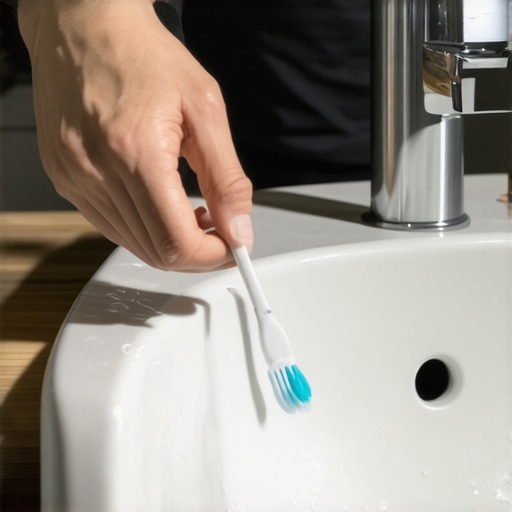
Start by rinsing your night guard immediately after removal to wash away saliva and debris. Use lukewarm water—hot water can distort the material. Gently scrub with a soft toothbrush and a mild, non-abrasive toothpaste or a denture cleaner. I remember last week, I managed to splash toothpaste everywhere while trying to clean mine, but the slight mess was worth it when I noticed how fresh it smelled the next morning.
Apply Deep Cleaning Techniques Weekly
Use Baking Soda and Vinegar Mixture
Once a week, soak your night guard in a mixture of half a cup of water, a tablespoon of baking soda, and a splash of white vinegar for about 30 minutes. This combination breaks down bacteria and eliminates odor-causing buildup. During my first try, I left it overnight by accident—afterward, the smell was completely gone, and the material looked brighter.
Opt for Professional Cleaning Solutions
Consider using commercial denture or retainer cleaning tablets once or twice a month. These tablets are formulated to disinfect without damaging the material. I’ve used them before a dentist appointment, and it made a noticeable difference in how clean and odorless my night guard felt afterward.
Preventative Measures for Odor Control
Store Correctly
Keep your night guard in a ventilated container, avoiding airtight cases that trap moisture. Regularly clean this storage container as well. Last month, I neglected to clean mine, which led to a foul smell—afterward, I made it a point to disinfect it weekly, and the odor vanished.
Limit Food and Drink Transfers
Avoid exposing your night guard to foods or drinks that can stain or promote bacteria growth. Rinsing your mouth before wearing it also ensures fewer particles cling to the surface. I started doing this, and not only did the smell improve, but my breath also stayed fresher longer.
Learn the Signs of When to Replace Your Guard
Over time, materials wear down, developing crevices where bacteria hide. If your guard begins to crack, warp, or smells persist despite diligent cleaning, it might be time for a replacement. Regular check-ups with your dentist can help identify when to update your appliance. I once tried to extend the life of my guard, but after noticing persistent odor despite cleaning, I visited my dentist and learned a worn piece can harbor more bacteria, continuing the odor issue.
Incorporate these steps into your routine, and you’ll notice your night guard staying fresher, cleaner, and more pleasant to wear each night. Consistency is key—like everything in oral health, developing habits saves you time, money, and discomfort in the long run. For additional insights on maintaining your oral health routine, explore tips at this resource.
Many people believe that brushing vigorously is the key to oral health, but in my experience, this common misconception can actually do more harm than good. Excessive force can erode enamel and damage gums, leading to sensitivity and recession. The real secret lies in gentle,Effective cleaning techniques that focus on thoroughness rather than brute strength. According to a study published in the Journal of Dental Research, improper brushing can contribute significantly to periodontal issues, undermining your efforts for healthy teeth.
What Advanced Patients Get Wrong About Crowns and Restoration Longevity
Another widespread myth is that once a crown is placed, it’s forever maintenance-free. However, neglecting proper care and routine check-ups accelerates wear and risks microleakage—small gaps that allow bacteria to invade beneath the crown. Regular professional assessments — like those discussed at Maintaining Your Dental Crowns — can prevent costly repairs and preserve your smile’s integrity. Also, many assume that over-the-counter whitening products are safe for all dental work. In reality, some whitening agents can damage crowns, especially if they contain high peroxide concentrations. Consulting with a dental professional before whitening ensures both natural teeth and restorations remain protected. For example, professional whitening is safer and more effective, as highlighted in this guide.
How Can Family Dentistry Evolve to Better Serve Multi-Generation Needs?
Family dentistry often focuses on treating issues when they appear, but forward-thinking practices anticipate the unique needs of each age group, from pediatric to elderly care. This proactive approach, emphasized in Family Dentistry Focus, minimizes future problems and promotes lifelong oral health. One overlooked nuance is the importance of tailored preventive measures, such as sealants for children and customized cleaning protocols for seniors, which can significantly extend the lifespan of dental work and natural teeth alike.
Are you aware of how small adjustments in your routine can make a huge difference? For example, using an electric toothbrush can lower the risk of gum recession compared to manual brushing, especially for those with sensitive gums or orthodontic appliances. For deeper insights into effective at-home practices, check out this resource.
Finally, a common oops is neglecting to replace worn toothbrushes or failing to schedule regular dental checkups, which can permit minor issues to escalate. Ensuring your family’s oral health is a multifaceted effort that involves education, proper tools, and routine professional care. Do you think you’re doing enough? Share your thoughts below—I’d love to hear if you’ve ever fallen into this trap. Remember, staying informed is the first step toward a healthier smile for everyone in your family.
Keep Your Smile Running Smoothly with the Right Tools
Maintaining excellent oral health isn’t just about brushing and flossing; it requires the right equipment and techniques. Personally, I swear by an electric toothbrush like the Oral-B Genius Pro 8000, which provides consistent plaque removal thanks to its oscillating-rotating technology. Its built-in timers ensure you brush for the recommended two minutes, and the pressure sensor helps prevent gum damage—a feature I find invaluable for avoiding over-aggressive brushing. Regular use of a quality interdental brush, such as GUM Soft-Picks, allows me to clean difficult-to-reach areas between teeth more effectively than standard floss, especially around crowns and bridges where debris tends to accumulate.
For deep cleaning and long-term results, I incorporate a few specialty items like hydrogen peroxide-based mouth rinses, which help reduce bacterial load without harsh chemicals. I’ve also found that ultrasonic water flossers—like the Waterpik Sonic-Fusion—are game-changers for family members with braces or dental implants, combining brushing and flossing into one action, saving time while increasing efficacy. Combining these tools ensures a comprehensive approach to oral hygiene that prevents issues before they escalate.
What About Maintenance and Future Trends?
Keeping your dental tools in top shape is crucial. Replace your electric toothbrush head every three months, as recommended by the American Dental Association, to maintain cleaning power. Also, regularly soak your interdental brushes in an antiseptic solution to prevent bacterial growth. As technology advances, we can expect even smarter devices—like AI-powered toothbrushes that analyze your brushing habits and suggest improvements—making routine maintenance more personalized and effective.
Adopting the right tools now can dramatically improve your oral health journey. To get started, try upgrading to an electric toothbrush with real-time feedback or incorporating water flossers into your daily routine. Consistent use and proper maintenance of your equipment are the cornerstones of long-term oral wellness. For expert-approved advice on choosing the best tools, visit this resource. Remember, staying proactive with the right instruments today sets the foundation for a healthier smile tomorrow.
The Hidden Truths Behind a Fresh-Smelling Night Guard
One of the biggest lightbulb moments in my dental journey was realizing that consistent, thoughtful cleaning routines make all the difference. You can follow all the tips in the world, but if you neglect that little step of maintaining your night guard regularly, bad odors will sneak back in. Trust me, investing in quality cleaning tools and routines is worth every penny—your smile and your sleep will thank you.
My Personal Tips for Lasting Freshness
Over the years, I’ve experimented with different cleaning strategies, and the most effective have been simple yet intentional methods. Using baking soda and vinegar weekly not only keeps my night guard odor-free but also brightens its appearance. Also, I learned that proper storage—ventilated containers—prevents moisture buildup, which is a sneaky cause of persistent smells. These lessons transformed my nightly routine and extended the life of my appliance.
Gear Up with Confidence: My Favorite Tools for Dental Care
For thorough cleaning, I swear by a soft-bristle toothbrush paired with non-abrasive denture cleaners—they’re gentle on my night guard but tough on bacteria. Incorporating ultrasonic water flossers has been a game-changer, especially for those with braces or implants. And for deep cleaning, I always keep a few denture tablets handy. They’re trusted by many in the dental community and have helped me maintain a healthier, fresher mouth.
Embracing Proactive Care as a Lifestyle
One mistake I avoided was waiting until my night guard reeked before cleaning it. Instead, I make it a habit to rinse and inspect it every morning. Regular check-ups have also caught early signs of wear, saving me from bigger issues down the line. Remember, consistent maintenance isn’t just about odors—it’s a cornerstone of overall oral health. Small daily steps lead to a confident, healthy smile that lasts a lifetime.
Keep Your Confidence Bright: Your Next Step
Embrace these insights and watch how your night guard remains both fresh and durable. When you invest time in proper cleaning, you’re not only fighting odors but also safeguarding your oral health. Every night guard has the potential to be a reliable partner in your smile journey—clarity and freshness start with good habits. Ready to elevate your dental care routine? For more guidance on maintaining crowns and other restorations, check out this essential resource.
What’s been your biggest challenge in keeping your dental appliances odor-free? Share your experience below—I love learning from your stories!
,