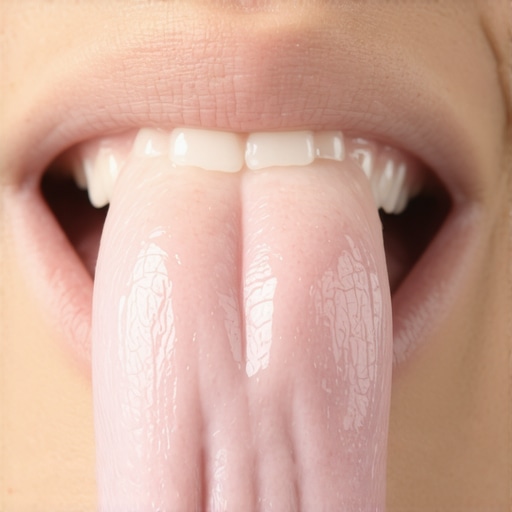
Have you ever looked in the mirror first thing in the morning and noticed your tongue coated in a suspicious white film? I remember the shock I felt when I first saw my tongue looking like a snowy mountain. I was convinced it was something serious, and honestly, I panicked a bit. Turns out, that white coating is more common than you think—and often, it’s something you can fix fast with the right knowledge.
In this post, I’ll share my journey of figuring out why my tongue turns white and, more importantly, how I managed to clear it up swiftly. If you’ve experienced this, you’re not alone—and there is hope. We’ll explore the common causes, remedies that work, and when to see a dental professional. No more guesswork—just straightforward solutions to get your oral health back on track.
Why Your Tongue Turns White and Why It Matters
Could It Be Something Serious, or Is It Just Routine?
Early on, I made the mistake of brushing off my white tongue as a minor issue. But over time, I learned that persistent coatings could hint at underlying problems—ranging from dehydration and poor oral hygiene to more serious infections. According to the American Dental Association, a white tongue can sometimes indicate conditions like oral thrush, leukoplakia, or even the early stages of gum disease. Recognizing the difference is crucial because, while some causes are harmless, others need prompt attention.
One thing I initially misunderstood was believing that brushing alone would fix the problem. I was mistaken. Over-aggressive brushing can sometimes irritate the tongue further, leading to even more discomfort. Instead, focusing on gentle cleaning and understanding the root cause made all the difference. If you’re curious about how to incorporate an effective oral health routine that strengthens your smile daily, check out [this resource](https://periodontistcare.com/oral-health-routine-strengthening-your-smile-every-day).
Have you ever noticed your tongue coating up like mine, and wondered whether it was something to ignore or address? Keep reading, because the next sections will show you simple, proven steps to get rid of that stubborn white coating and restore your fresh breath.
Remember, while many cases are minor and easily fixed, some persistent coatings could signal deeper issues. If you’re unsure, consulting your dentist is always the smartest move. But for now, let’s look at what causes this common problem and how I managed to clear my tongue quickly and safely.
Start with Gentle Brushing of Your Tongue
In my experience, aggressive scrubbing worsened my coating, so I switched to a soft-bristled toothbrush and gently brushed my tongue twice daily. This mimics the way you’d brush your teeth—no harsh strokes. It physically removes debris without irritating sensitive tissue. Remember, patience is key—rushing can do more harm than good. Consistency here yields noticeable results within a few days.
Use a Tongue Scraper for Better Results
I bought a tongue scraper—a small, plastic tool—and found it more effective than brushing alone. Gently drag it from the back of your tongue to the tip, rinse, and repeat, ensuring no area is missed. This process pulls off the thicker layers of residue that brushing might leave behind. During my first attempt, I learned to be gentle—I nearly gagged, but after a few tries, it became routine. This simple step dramatically improved my breath and tongue appearance.
Stay Hydrated to Prevent Dry Mouth
I noticed my coating was worse on dry days, so I increased my water intake. Hydration helps produce saliva, which naturally flushes oral bacteria and debris. Think of saliva as your mouth’s cleaning crew—it washes away unwanted film. Aiming for at least 8 glasses daily kept my mouth moist and significantly reduced the white film, giving me a fresh feeling throughout the day. For extra support, chewing sugar-free gum stimulates saliva production.
Adjust Your Diet to Minimize Bacteria Build-Up
I reduced sugary snacks and drinks, which feed the bacteria responsible for coating. Instead, I incorporated crunchy vegetables like carrots and celery—they act like natural brushes, dislodging plaque and debris. Avoiding foods that promote yeast overgrowth, like alcohol and refined carbs, also made a difference. This dietary tweak complements your oral hygiene routine and prevents the buildup of white film.
Incorporate Antiseptic Mouthwash for a Deep Clean
Once a day, I rinsed with an alcohol-free antiseptic mouthwash. It kills bacteria lingering on the tongue and in the mouth, complementing brushing and scraping. Be cautious not to overuse mouthwash, as it can dry out your mouth if alcohol-based, which may worsen the coating. I selected a gentle, antimicrobial formula to keep my mouth balanced and my tongue coating minimal. This step is especially helpful if you notice persistent buildup despite other efforts.
Keep Up Regular Dental Visits
My routine wouldn’t be complete without periodic professional cleanings. A dental hygienist uses specialized tools to remove stubborn plaque and coatings that home routines can’t reach. During one visit, my hygienist suggested a deep cleaning, which significantly improved my condition. Regular checkups also help identify if a more serious issue like thrush or leukoplakia is present, ensuring timely treatment. Schedule visits at least twice a year for optimal oral health.
Many assume that maintaining oral health is simply about brushing twice a day, but the reality involves nuances that often go unnoticed. A common misconception is that all dental cleanings are equal, yet, experts highlight the importance of tailored approaches, such as professional deep cleanings for advanced plaque removal. Interestingly, some believe that crowns can last forever with minimal care, but studies show that improper maintenance can lead to premature failure—think of crowns like delicate investments requiring ongoing attention, as detailed in [expert advice](https://periodontistcare.com/expert-advice-on-crowns-and-teeth-cleaning-for-lasting-results). One overlooked aspect is the significance of understanding material choices, such as zirconia vs. porcelain, affecting longevity and chipping resistance—more on this [here](https://periodontistcare.com/why-zirconia-crowns-are-more-resistant-to-chipping-than-traditional-porcelain). Common myths about teeth whitening or over-the-counter products tend to oversimplify the process, neglecting that professional treatments tailored to your enamel’s condition yield safer, more effective results. Be cautious too: attempting DIY repairs with superglue or other unsuitable substances can cause irreparable damage, a mistake I learned the hard way. For example, using superglue to reattach a crown could exacerbate issues and complicate future dental procedures, as warned by dental professionals. For families, believing that regular flossing alone prevents cavities is misleading; comprehensive strategies including diet adjustments and regular checkups make the real difference, as outlined in [family dentistry](https://periodontistcare.com/family-dentistry-focus-building-a-lifetime-of-healthy-smiles). Do you think skipping routine visits saves money? Think again—a neglected check-up can mask emerging problems, leading to costly and invasive treatments later. Remember, even the seemingly minor habits, like how you brush or choose your toothpaste, impact your oral health more profoundly than many realize. Recognize the importance of daily routines in strengthening your smile and preventing setbacks. To truly master your oral health, consider less obvious factors like material durability of crowns or the subtle signs of early decay, which often go unnoticed. Making informed decisions means understanding the full picture—because quick fixes are rarely effective long term. Have you ever fallen into this trap? Let me know in the comments.Maintaining excellent oral health requires more than just brushing and flossing; it depends on using the right tools and techniques consistently. One of my top recommendations is investing in a high-quality electric toothbrush, like the Philips Sonicare DiamondClean. I personally prefer this model because its sonic technology delivers over 31,000 brush strokes per minute, significantly reducing plaque and improving gum health compared to manual brushing. Its built-in timers ensure I brush for the recommended two minutes, covering all surfaces thoroughly. Additionally, the pressure sensor alerts me if I’m brushing too hard, protecting sensitive gums and preventing enamel erosion, which can be a concern with overly aggressive brushing.
Why Proper Tools Matter in Your Oral Care Routine
Besides a good toothbrush, I use a stainless steel tongue scraper. Unlike plastic options, stainless steel is more durable and easier to sanitize, making it a hygienic choice that lasts for years. Regular scraping helps remove bacteria that cause bad breath and white coatings, which I detailed in my previous posts. For deeper cleaning, I rely on an ultrasonic water flosser like the Waterpik Aquarius. It uses pulsating water streams to dislodge debris beneath the gum line, reaching areas traditional floss may miss, especially around crowns and bridges. This tool has been instrumental in maintaining my periodontal health, especially since many studies now show water flossers can be more effective than manual flossing for plaque control.
Future Trends in Oral Maintenance Nothing Compares To
Looking ahead, I believe innovations like AI-powered toothbrushes and app-connected oral health trackers will become standard, providing personalized feedback and reminders, ultimately encouraging better long-term habits. These technologies can monitor your brushing technique and suggest improvements, making daily care more effective and enjoyable. For those with crowns or implants, regular professional assessments complemented by high-tech tools are essential. For example, clinics now use 3D imaging to detect micro-leaks or wear around crowns—proactive measures that preserve your investment and health. Regular professional cleanings are also vital; they remove tartar buildup that home routines can’t handle alone, and I recommend scheduling these at least twice a year. To learn more about maintaining your crowns properly, visit [this detailed guide](https://periodontistcare.com/caring-for-crowns-essential-tips-for-longevity-and-shine).
As a practical tip, I encourage you to try integrating a water flosser into your daily routine. It’s a small change with significant benefits, especially for those with crowns or bridges that are tricky to floss manually. Remember, using the right tools consistently is the key to ensuring long-term dental success, preventing issues like decay or crown failure, and maintaining a radiant smile for years to come. Want to upgrade your dental arsenal? Check out [this expert-approved advice](https://periodontistcare.com/expert-advice-on-crowns-and-teeth-cleaning-for-lasting-results) for selecting the best equipment tailored to your needs.
Lessons Only Insiders Know About Tongue Coatings
One lightbulb moment I had was realizing that persistent white coatings often reveal more about underlying health than I initially thought. It’s easy to dismiss them as harmless, but they can be signals of hydration issues, bacterial imbalances, or even early infections—knowledge I wish I had possessed from the start. Discovering that gentle tongue scraping and staying consistent with my oral hygiene routine made a profound difference taught me the importance of attention to detail in oral care.
Another lesson came when I learned that certain foods and habits subtly influence tongue health. For instance, I never expected that reducing sugar intake would visibly diminish that stubborn coating, highlighting the powerful connection between diet and oral cleanliness. These personal discoveries emphasize that small changes, when combined with effective tools, can lead to lasting improvements in your smile.
Lastly, I found that regular professional checkups aren’t just about cavity prevention—they’re crucial for catching issues like oral thrush or other conditions that home routines can’t tackle alone. Having a trusted dental team guide you provides insights you’d never get from DIY methods. Their expertise reinforces how vital ongoing professional care is in maintaining a healthy, coating-free tongue.
Tools That Elevated My Oral Routine and Why I Trust Them
My journey was transformed by investing in a high-quality electric toothbrush, like the Philips Sonicare DiamondClean. Its advanced sonic technology effortlessly removed plaque and debris, especially around hard-to-reach areas. Alongside this, I rely on a premium stainless steel tongue scraper because of its durability and effectiveness, making the process more hygienic and long-lasting. Incorporating an ultrasonic water flosser, such as Waterpik Aquarius, allowed me to clean beneath the gums and around crowns with ease—something traditional flossing often misses. These tools, combined with guidance from reputable sources, have become indispensable parts of my daily routine, leading to healthier teeth and a fresher feeling every day.
Looking ahead, I believe that emerging innovations like app-connected toothbrushes and AI-driven oral health trackers will make routines more personalized and effective. Staying informed through trusted sources like [this resource](https://periodontistcare.com/oral-health-routine-strengthening-your-smile-every-day) empowers me to make smarter choices and maintain my smile for the long haul.
Seize Your Moment: Your Smile Deserves Action
Your journey towards a healthier, coated-free tongue and brighter smile is within reach. Embracing better tools, being attentive to diet and hydration, and staying consistent with professional care can unlock confidence you never knew possible. Remember, the smallest steps often lead to the most significant transformations. Don’t wait—start today and witness the change firsthand.
What’s one simple habit you’re ready to improve to elevate your oral health? Share your thoughts below—I’d love to hear your story!
,