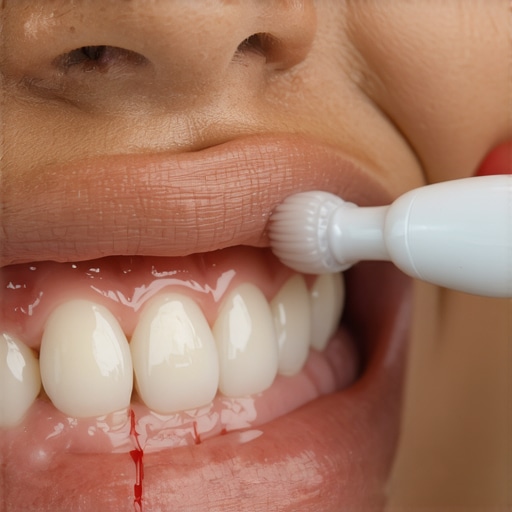
Ever slid a new high-powered electric toothbrush across your gums and suddenly felt that sharp, unexpected bleed? I remember the first time it happened to me—my heart sank. I thought I’d just ruined my gums or was doing something seriously wrong. Turns out, that lightbulb moment was a sign I needed to pay closer attention to my oral health routine.
Why the switch to a powerful electric toothbrush can cause bleeding
Many of us, in our quest for cleaner teeth and fresh breath, upgrade to high-powered electric brushes. They promise better plaque removal, efficiency, and convenience. But for some, this switch triggers unexpected bleeding of the gums. Why? Well, my experience was a classic rookie mistake: I assumed that more power meant more cleaning—led me to brush harder and longer than I should.
In reality, the increased vibration and brushing strength of these devices can be startling, especially if you’re used to manual brushing. When combined with aggressive scrubbing, your gums can become irritated, inflamed, and prone to bleeding. This isn’t necessarily a sign of serious gum disease; rather, it’s a protective response from your tissues reacting to overzealous cleaning.
Early on, I made the mistake of thinking I had sensitive gums or a hidden problem—so I skipped effective adjustments. It wasn’t until I slowed down, used gentle strokes, and adopted a better technique that I saw improvement. Want to know the full story? Check out this oral health routine guide for tips on building a strong foundation for your smile.
What we will cover today
In this post, I’ll share some practical insights and personal lessons to help you navigate the transition to a high-powered electric toothbrush without the bleeding. We’ll explore common mistakes, how to adjust your technique, and when to seek professional advice. If you’ve ever faced this frustrating issue, I’m confident you’ll find useful strategies coming up that will make your brushing experience more comfortable and effective.
Is it really worth the hype?
Many skeptics worry that high-powered brushes might do more harm than good, especially if gums bleed initially. I totally get it. In fact, I once thought my bleeding was a sign to abandon the new toothbrush altogether. But with proper technique and understanding, the benefits far outweigh the temporary discomfort. Just like I finally learned to finesse my brushing—see this expert advice—you can turn a rough start into a healthier smile journey.
Start with a Gentle Touch
When you switch to a high-powered electric toothbrush, it’s essential to begin with a light grip and gentle motions. I remember the first time I powered mine on and immediately pressed too hard—my gums throbbed and bled. I learned quickly that pressing firmly isn’t necessary; let the brush’s vibrations do the work. Think of it like a massage—light pressure gently stimulates the gums without causing harm.
Adjust Your Brushing Angle for Optimal Care
Position the brush at a 45-degree angle against your gums, focusing on the gum line—the area where plaque and bacteria tend to accumulate. I once watched a tutorial, and instead of just holding the brush flat, I angled it correctly, which significantly reduced irritation. This angle allows the bristles to clean effectively without scrubbing or irritating delicate tissues. Imagine trying to clean a stubborn stain; a gentle tilt often does the trick better than brute force.
Limit Brushing Duration and Frequency
Extended brushing sessions or brushing multiple times with excessive pressure can damage gums. I set a timer on my phone for two minutes, ensuring I spend enough time but avoid overdoing it. Remember, twice a day is sufficient for most, and rapid, forceful brushing can cause bleeding—just like over-exercising can cause muscle soreness. Use your toothbrush consistently but wisely.
Use the Correct Brush Head and Replacement Schedule
Choose a soft-bristled brush head designed for gentle cleaning. I replaced mine every three months as recommended, ensuring the bristles remained soft and effective. Worn-out brushes can be abrasive, and using the wrong brush can cause trauma to your gums. Visualize your brush as a paintbrush—soft, flexible bristles are gentle and precise, avoiding unnecessary irritation.
Practice Proper Technique Step-by-Step
Start with Small Circular Motions
Instead of scrubbing back and forth vigorously, use small, circular motions around each tooth and along the gum line. During my last routine, I deliberately slowed down and concentrated on circular movements, which I found less irritating and more effective. Think of it as polishing a delicate surface—gentle, controlled strokes yield better results than aggressive scrubbing.
Maintain a Light Grip
A tight grip can lead to applying too much pressure unknowingly. I relaxed my grip, akin to holding a delicate object, which naturally eased the pressure I applied. This subtle change prevented gum irritation and bleeding. Remember, your hand’s grip influences how much force you press with—less is more.
Incorporate Minimal Pressure Sensors and Feedback
Many modern electric brushes have pressure sensors that alert you when you’re pressing too hard. During my first weeks, I paid close attention to these signals, which acted like a gentle reminder to lighten up. Over time, I developed an instinct for gentle brushing, reducing the risk of bleeding and damage. Use this feature to build good habits.
Monitor Your Progress and Adjust Accordingly
If gums still bleed despite using proper technique, scale back your pressure further and consult your dentist. I faced this issue myself; after adjusting my method, I saw a remarkable decline in bleeding episodes. Think of it as tuning a musical instrument—small adjustments over time make a significant difference.
Remember, the goal isn’t just to clean but to do so without harming your gums. Proper technique combined with patience will gradually improve your oral health, making high-powered electric toothbrushes your ally rather than a source of irritation. For comprehensive guidance on building a holistic oral health routine, check out this practical routine guide.
Many individuals believe they have a clear understanding of family dentistry, but in reality, numerous misconceptions persist that can hinder optimal oral health. For example, a common myth is that frequent professional cleanings are unnecessary if you brush diligently at home. However, research indicates that regular dental visits—ideally twice a year—are essential for detecting early signs of issues like cavities or gum disease that routine brushing might miss. Relying solely on personal oral hygiene can lead to overlooked problems that become costly or complex over time. Always remember, professional cleanings complement daily care and help maintain your family’s oral wellness effectively.
Are Dental Crowns Just Cosmetic Fixes or Do They Serve a Deeper Purpose?
Many people underestimate the importance of crowns, assuming they’re merely for aesthetic improvement. In fact, crowns play a vital role in restoring tooth functionality, preventing further decay, and protecting weakened teeth. They are an integral component of modern smile makeovers and can Last for decades when properly maintained. For a comprehensive understanding of how crowns can transform your dental health, I recommend reviewing this detailed article. Recognizing their true purpose helps in making informed decisions about restorative treatments rather than dismissing them as purely cosmetic.
Another misconception revolves around oral health and age—many think that gum recession and tooth wear are inevitable parts of aging. However, studies show that these issues are often the result of neglect, diet, or poor oral hygiene. With targeted interventions like proper brushing techniques, professional cleanings, and lifestyle changes, it’s possible to slow or even reverse some age-related dental changes. Visiting a family dentist can reveal personalized strategies to preserve your youthful smile longer. For tips on building sustainable routines, explore this oral health guide.
One trap many fall into is believing that once oral health problems are fixed, ongoing care is unnecessary. This mindset neglects the importance of maintenance. Consistent at-home habits combined with professional oversight are key to preventing most issues, including decay and crown longevity challenges. Unanticipated problems like micro-leaks under crowns can cause sensitivity or decay if overlooked. Therefore, regular check-ups and diligent maintenance—such as avoiding hard foods that risk damaging crowns—are crucial. For specific dos and don’ts, I advise reviewing this resource.
Finally, a less obvious mistake involves neglecting emotional comfort and understanding patient fears. Many believe dental visits are always uncomfortable; however, advances in technology and patient-centered care can ease anxieties significantly. Recognizing this helps build trust and encourages consistent dental attendance, which is vital for ongoing oral health. To explore how modern dentistry ensures patient comfort, see this article.
In summary, challenging these misconceptions—like the overestimation of home care sufficiency, underappreciation of crowns, age-related myths, neglecting maintenance, and emotional factors—can significantly improve your family’s oral health journey. Do you know other myths that might be outdated in today’s dental landscape? Let me know in the comments! For more expert insights, don’t miss this comprehensive family oral health guide.
Maintaining Your Oral Health: Tools I Trust
Staying consistent with family dentistry requires more than just good habits—it demands reliable equipment and savvy techniques. Over the years, I’ve curated a collection of tools that have made a significant difference in my practice and personal routine. For starters, I swear by the Sonicare DiamondClean Smart electric toothbrush. Its multiple cleaning modes, including a gum care setting, allow for gentle yet effective cleaning, crucial for preventing gum recession and ensuring long-term crown health. The built-in pressure sensor is invaluable, alerting me when I might be pressing too hard—something I learned the hard way early in my journey.
Complementing the toothbrush, I recommend the Philips Sonicare interdental brush kit. These small, soft-bristled brushes fit perfectly between teeth and are essential for cleaning around crowns and braces. Using them daily prevents plaque buildup and microleakage beneath crowns, which can lead to sensitivity or decay, as detailed in expert research on crown longevity.
On the software side, I utilize Dental Monitoring, an AI-driven app that allows patients to send photos of their oral health for virtual assessment. It’s a game-changer for early detection of issues like staining or early decay, especially for busy families. Regular remote monitoring helps sustain the effects of professional cleanings and reinforces good home care routines.
How do I maintain long-term results with these tools?
Consistency truly is key. Always replace brush heads every three months to keep cleaning effective. Incorporate interdental cleaning into your daily routine, not just during every other visit. Regularly update your software applications to benefit from new features or improvements. Scheduling semi-annual professional cleanings is vital—they serve as a check-up for your tools’ efficacy and your technique’s effectiveness. Remember, even with top-tier equipment, neglecting professional assessments can compromise your progress.
Looking ahead, the trend is moving toward smarter, integrated oral health solutions. Imagine toothbrushes that automatically sync with your smartphone to track brushing quality or AI-powered diagnostics that flag potential issues before symptoms arise. Staying up-to-date with these innovations ensures that your family’s dental health remains at the forefront of technology and best practices.
How can you improve maintenance of your dental tools over time?
One strong strategy is to schedule routine replacements and updates. For example, setting reminders for brush head changes or software updates ensures your tools work at peak performance. Additionally, investing in high-quality storage, such as antimicrobial toothbrush holders, prevents bacterial buildup. Reviewing your maintenance routines periodically allows you to catch small issues before they develop into major problems. For a comprehensive checklist on maintaining dental equipment, visit this guide.
Finally, consider professional evaluations of your home care techniques—your dentist can provide personalized advice tailored to your family’s unique needs, especially when crowns or restorations are involved. By combining diligent tool management with expert oversight, you’ll ensure sustained oral health and beautiful smiles for years to come. Don’t hesitate to try integrating a smart monitoring app or replacing your toothbrush more frequently—small investments of time that pay off dramatically in long-term results.
3 Surprising Twists I Learned About Family Dentistry, Oral Health, Teeth Cleaning, and Crowns
- Listening to Your Gums Can Save You Future Pain: I once ignored minor bleeding after brushing, thinking it was nothing. Turns out, that small sign was a warning overlooked that could have prevented bigger issues later.
- The Best Tool Isn’t Always the Most Expensive: My fascination with fancy electric toothbrushes faded when I discovered that soft-bristled, gentle brushes combined with proper technique made a bigger difference—saving my gums and preserving my crowns.
- Personalized Care Goes Beyond Generic Advice: Every family has unique needs. I learned to trust my dentist’s tailored recommendations, realizing that what works for one might not suit another—even within the same household.
My Treasure Trove of Dental Insights and Resources
- Family Dentistry and Oral Routine Guide: This comprehensive resource helps build a daily routine that strengthens your smile. It’s my go-to starting point for effective at-home care and understanding what consistent maintenance entails—visit here.
- Deep Dive into Crowns and Restorative Care: For anyone considering crowns or curious about their long-term benefits, I recommend this detailed article that demystifies their essential role beyond mere aesthetics.
- Expert Tips on Teeth Cleaning and Maintenance: Regular professional cleanings are vital. This guide offers practical tips on what to do between visits to maximize health and longevity of crowns—check it out here.
Your Smile’s Future Starts Today
Every time I neglected my gums or skipped a routine check, I learned how quickly minor issues can evolve into significant problems. Embracing proactive family dentistry not only preserved my smile but also empowered me to face each day confidently. You hold the key to transforming your oral health journey—small steps today lead to a lifetime of brighter, healthier smiles. Are you ready to take charge and prioritize your family’s dental wellness with the tools and knowledge you’ve gained?