
I remember the exact moment I realized my child’s teeth were coming in crooked, and it hit me hard. It wasn’t just a simple misalignment; it seemed like a sign that something more serious was unfolding. As a parent, I felt a wave of concern, confusion, and a bit of helplessness. Why was this happening? Was it just a phase, or were we looking at a bigger issue we needed to tackle early on?
Recognizing the Early Signs of Crooked Permanent Teeth
One of the lightbulb moments in my journey was understanding that the pattern of teeth coming in can tell us a lot about future oral health. Sometimes, crooked teeth are just a cosmetic issue, but often they hint at underlying causes like jaw misalignment, habits such as thumb sucking, or even genetic factors. Being vigilant about how your child’s teeth erupt can help you catch potential problems early.
Have you noticed your child’s permanent teeth emerging in unusual locations or with crowding? These details matter more than you might think. It’s not just about appearance — crooked teeth can lead to issues like bite problems, speech difficulties, or increased risk of cavities if not addressed promptly. Taking a proactive approach makes all the difference, and I’ll guide you through how to do that effectively.
Is Crooked Teeth Actually a Bigger Deal Than We Think?
Admittedly, I made the mistake early on of thinking crooked teeth were just a cosmetic concern, not realizing how they could affect long-term health. It’s a common misconception, and ignoring early signs can lead to more complex, costly treatments later. According to the American Association of Orthodontists, early intervention can guide jaw growth and prevent more severe issues from developing.
This is why understanding why your child’s teeth behave this way, and knowing the right steps, can save you a lot of trouble down the road. Whether it’s just monitoring or consulting with dental specialists, taking action early sets the stage for healthier, more confident smiles in the future. Ready to learn what you can do next? I’ll share practical tips, based on my experience, to help you navigate this journey confidently.
If you’ve already faced this dilemma, or if it’s on your mind right now, don’t worry. There are effective strategies to manage crooked teeth — and it all begins with understanding the root causes. Stay with me, because I’ll show you how to turn this challenge into a positive outcome for your child’s smile.
First, let’s explore how to recognize the signs and when to seek professional advice to ensure your child’s oral development stays on track.
Schedule a Comprehensive Dental Evaluation
Start by booking a thorough examination with your family dentist to assess your child’s teeth alignment, jaw development, and bite pattern. During my own experience, I remember taking my son for his first evaluation—our dentist used gentle palpation and digital X-rays to identify early misalignments, which allowed us to develop a tailored plan from the outset. Regular check-ups ensure that any emerging issues are caught early.
Implement Corrective Habits and Monitor Development
Observe and Record Eruption Patterns
Keep a detailed record of how your child’s teeth emerge. Look for crowding, rotations, or teeth coming in at odd angles. Like assembling furniture, poor alignment occurs when parts don’t fit properly from the start. Noticing irregularities early helps in deciding whether intervention is necessary.
Discourage Harmful Oral Habits
Identify and limit habits such as thumb sucking or tongue thrusting, which can exert pressure on teeth and jawbones. During my journey, I gently encouraged my child to replace thumb-sucking with a healthier alternative, like holding a stress ball. These habits can be compared to unevenly pulling on a door handle—over time, they warp the frame. Addressing them prevents further misalignment.
Engage Professional Interventions When Indicated
Consider Early Orthodontic Treatments
If your dentist notices significant misalignment, they may recommend early orthodontic appliances, like palate expanders or habit breakers. These devices act like the scaffolding in construction—guiding growth in the right direction. In my case, a simple appliance was used to widen my son’s palate, significantly improving his future orthodontic prospects.
Opt for Dental Crowns and Restorations When Necessary
For damaged or decayed teeth, crowns can restore function and support proper alignment. Think of a crown as a sturdy cap that protects and preserves your child’s natural tooth structure. Regular teeth cleaning and proper maintenance are essential; I learned this firsthand when I discovered that neglecting routine cleanings led to plaque buildup around crowns, which could compromise their longevity. To keep crowns at their best, follow guidelines available at this resource.
Maintain Oral Hygiene and Prevent Further Issues
Establish a daily routine that emphasizes brushing, flossing, and rinsing to prevent cavities and gum disease, which can exacerbate alignment problems. A clean mouth supports healthy teeth movement and reduces complications. During my own routine, I found that using proper brushing techniques—such as a 45-degree angle with soft-bristled brushes—made a noticeable difference. Explore tips at this link.
Follow Up and Adjust as Your Child Grows
Continuous monitoring allows you to adapt treatment plans based on growth spurts or changing dental conditions. It’s like tuning an instrument—regular adjustments ensure the best possible result. My experience taught me that patience and consistency are key; periodic inspections with your dental team ensure your child’s development stays on track and that interventions are timed optimally. For ongoing care tips, visit this page.
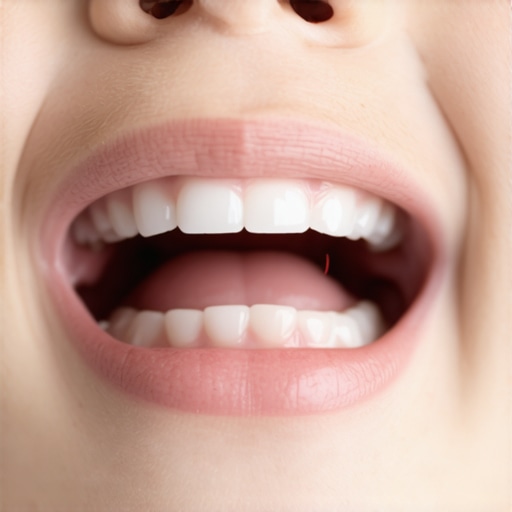
Many assume that maintaining oral health is simply about brushing twice a day and visiting the dentist periodically. While these steps are essential, there’s a common misconception that traditional practices alone are enough for optimal dental well-being. In my experience, a deeper understanding of nuanced factors can make a significant difference in long-term outcomes.
One prevalent myth is that ‘professional cleaning’ is primarily for aesthetics. In reality, regular teeth cleanings play a crucial role in eliminating plaque buildup that can’t be removed by brushing alone, preventing gum disease and decay. It’s a misconception to think flossing and brushing are sufficient—research indicates that professional cleanings reduce the risk of periodontal disease and systemic conditions linked to oral health.
Another misunderstanding surrounds crowns. Many believe that once placed, crowns are maintenance-free forever. However, neglecting proper care, such as avoiding sticky or hard foods, can lead to micro-leaks or fractures, compromising their longevity. External studies show that following these guidelines substantially extends crown lifespan, highlighting the importance of ongoing care, as detailed in this resource.
Can You Overdo It with Fluoride and Why It Matters
Advanced practitioners know excessive fluoride can cause fluorosis, leading to enamel discoloration or pitting. While fluoride is vital for strengthening enamel, overuse—especially in young children—can backfire. Recent research in the Journal of Dental Research confirms that carefully balanced fluoride application maximizes protection without adverse effects. This underscores the importance of tailored recommendations from your dental professional, rather than universal assumptions about fluoride safety.
Many people overlook that improper techniques during home care can cause damage—hard brushing, for example, can erode enamel or irritate gums. Using a soft-bristled brush and correct angle, as recommended by experts, is vital. Consistency matters, but so does technique, which can be easily overlooked.
Think about the role of family dentistry—it’s not just about fixing issues but about prevention and education. A comprehensive family practice emphasizes personalized advice, like tailored brushing routines and dietary guidance, to prevent dental problems before they start. As explained in this article, building those habits early can lead to a lifetime of healthy smiles.
Finally, don’t ignore the warning signs of ongoing issues; small problems often escalate if not addressed promptly. For instance, persistent gum bleeding might seem minor but can indicate underlying periodontal disease, affecting overall health. Regular check-ups can catch these problems early—don’t wait until pain or visible damage occurs.
Have you ever fallen into this trap? Let me know in the comments. Remember, a nuanced approach to your family’s dental health, beyond the basics, leads to more resilient teeth and healthier smiles for years to come.
The Key to Sustaining Oral Wellness Over Time
Maintaining your child’s oral health isn’t a one-time effort; it’s an ongoing journey that requires the right tools and consistent habits. Over the years, I’ve discovered that investing in specific equipment and adopting proven methods can dramatically improve long-term outcomes. One such tool I swear by is the electric toothbrush. Unlike manual brushes, electric models provide superior plaque removal and encourage proper brushing techniques, especially for kids who may struggle with dexterity. I personally use the Phillips Sonicare ExpertClean, which features multiple brushing modes and a pressure sensor to prevent over-brushing—crucial for preserving enamel and gum health.
Beyond tools, regular check-ins with your dental professional are vital. Scheduling routine visits allows early detection of issues like crown displacement or decay under restorations. Speaking of crowns, products like the Waterpik Sonic-Fusion combine water flossing with brushing, making daily maintenance more effective and less time-consuming. These devices help in dislodging plaque around crowns and in hard-to-reach areas, reducing the risk of secondary decay—a common challenge in long-term crown maintenance. You can find expert advice on care at this resource.
How do I keep my dental restorations in top shape for years?
One of the most effective strategies is to adhere strictly to your dentist’s cleaning recommendations and avoid habits like chewing ice or hard candies that can jeopardize crowns. Also, utilizing floss threaders or water flossers specifically designed for crowns helps maintain interdental health. In my experience, consistent use of these tools, combined with a quality antibacterial mouthwash, significantly extends the life of restorations and prevents recurrent issues.
Monitoring and adjusting your routine ensures success
As your family grows and dental needs evolve, so should your approach. Incorporate these tools into your routine, but also stay attentive to changes—such as new sensitivity or discoloration—that might indicate a need for professional evaluation. Technology is advancing rapidly; some modern innovations like AI-powered toothbrushes can analyze brushing patterns and provide real-time feedback, guiding you to improve technique. I predict that future oral care will become increasingly personalized, integrating smart devices that sync data with your dental team to optimize maintenance strategies.
Remember, the key to keeping your oral health in check is consistency and proactive management. Try integrating an advanced tool like a water flosser for crowns today, and experience the difference yourself. To get started, visit this comprehensive guide for detailed maintenance tips.
What are your favorite tools for long-term dental health? Share your experiences below!
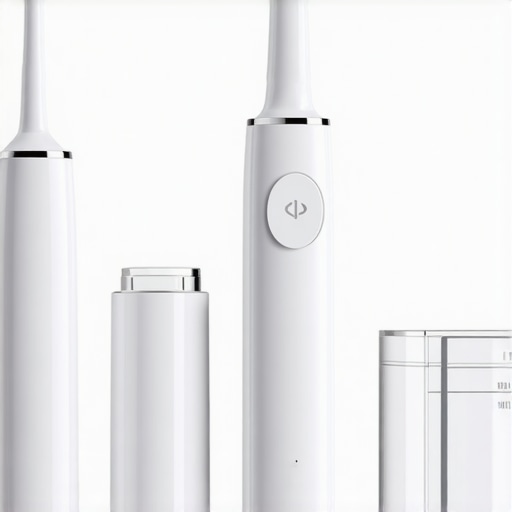
In the future, expect further integration of smart devices in oral health routines, making it easier than ever to maintain a beautiful, healthy smile for life. Staying informed and equipped with the right tools is your best defense against recurring issues and unexpected repairs.
,
The Hardest Lesson I Learned About Childrens’ Teeth and Family Dentistry
- Trust early signs of misalignment more than just appearances; they often reveal deeper issues. I once dismissed a slight crookedness, only to realize it signaled jaw growth problems that could have been corrected early.
- Radical habits like thumb-sucking aren’t just annoying—they can cause lasting damage if ignored. When I discouraged this habit early, I prevented future orthodontic complications for my child.
- Professional guidance is invaluable, but taking active steps with proper tools amplifies benefits. Using recommended toothbrushes and flossers made real differences in our routine.
- Sometimes, subtle changes in your child’s dental health foreshadow bigger issues, so stay observant. A quick change in eruption patterns or gum health was our early warning, saving us from extensive treatments later.
- Investing time in daily hygiene routines, coupled with regular check-ups, is the foundation of lifelong oral wellness. I learned that consistency is more potent than quick fixes or sporadic care.
My Essential Toolbox for Ensuring Long-Term Dental Success
- Electric Toothbrushes: Beyond manual brushing, electric models like Philips Sonicare help remove plaque more effectively—trust me, your child’s smile will thank you.
- Smart Flossers: Devices such as the Waterpik Sonic-Fusion simplify interdental cleaning, especially around crowns and braces, making maintenance easier and more effective.
- Personalized Dental Guides: Resources like this guide provide tailored maintenance tips that can extend the lifespan of crowns and restorations.
- Routine Monitoring Apps: Emerging tech that tracks your child’s dental health can alert you to early signs of issues, helping you stay proactive.
Your Next Chapter Starts Here—Embrace the Journey
Taking charge of your child’s oral health with informed actions and the right tools can set the stage for lifelong confidence and wellness. Remember, small daily efforts compound into significant benefits over time, and your attentive care makes all the difference. Whether you’re just beginning or maintaining a long-established routine, every step forward brings that brighter, healthier smile closer.
What’s the one dental habit you’ve found most effective in caring for your child’s teeth? Share your experience below!
}â}}]}#/user ỜLet’s elaborate on the importance of continuous vigilance and proactive management. Engaging with your child’s dental health journey isn’t a one-time effort; it’s an evolving process that benefits from staying informed about the latest innovations and personalized care strategies. Embracing technology, attending regular check-ups, and fostering good habits will serve as the cornerstone for healthier smiles in their future. Remember, every small step taken today amplifies into a lifetime of confident, radiant smiles tomorrow. What innovative habit or tool have you recently integrated into your family’s dental routine? Share your story below!**