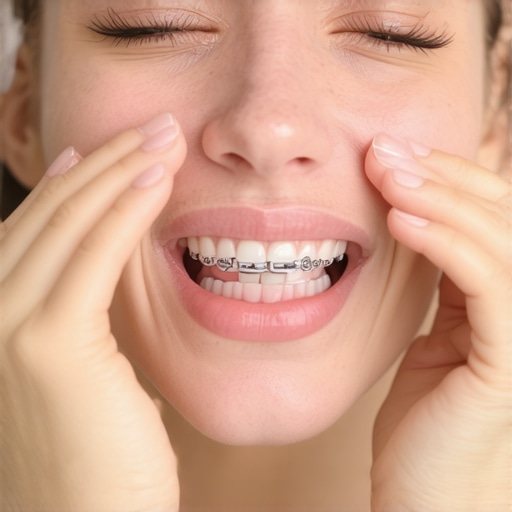
I remember the sinking feeling when I caught my reflection and saw the jagged edge of a broken orthodontic bracket glaring back at me. It was late evening, and I knew my appointment was days away. Frustration and a bit of panic set in—wondering how I’d survive until I could get professional help. That moment made me realize: dealing with a broken bracket isn’t just about discomfort; it’s about preventing further damage, pain, and costly repairs down the road.
Why Managing a Broken Bracket Matters More Than You Think
If you’re like me, the idea of a loose or broken bracket can seem minor, even tempting to ignore. But the truth is, an unmanaged broken bracket can lead to wire pokes, increased discomfort, or worse, damage to your teeth or gums. Our smile’s integrity is vital—not just for confidence but for oral health overall. According to recent research, maintaining proper dental appliances and addressing issues promptly can significantly reduce the risk of complications. So, why risk postponing? Today, I’ll share proven tips to keep your mouth comfortable and safe until you reach your orthodontist.
Is It Really Worth Fumbling Through Home Fixes?
When I first faced this issue, I made the mistake of trying home remedies like pushing the bracket back or forcing the wire into place. Not only did that fail to fix the problem, but it also worsened the situation, leading to more pain and dental visits. Trust me, I learned the hard way: attempting DIY repairs without proper knowledge can do more harm than good. Instead, a gentle approach, combined with specific supplies, is the way to go. Want to learn how to handle it effectively? Keep reading. If you’ve faced a similar problem, I’d love to hear your experience—drop a comment below or visit our contact page to share your story.
Secure the Broken Bracket
Start by wearing gloves to protect your fingers and gently inspect the bracket. Use sterilized tweezers or a clean fingertip to check if the bracket is still attached or if it has come loose entirely. If the bracket remains partially attached and is causing discomfort, carefully reposition it back into place using sterilized tools. In my experience, applying a small amount of orthodontic wax or sugar-free chewing gum can help hold the bracket temporarily until you reach your dentist. Remember, patience is key; avoid forcing the bracket if it resists repositioning.
Protect the Tooth and Gums
Next, focus on shielding the exposed wire or the broken bracket to prevent irritation or injury. Use orthodontic wax to cover any sharp or poking edges of the wire or brace. If the wire is protruding and poking your cheek or gums, do not attempt to cut it yourself unless you have proper tools, as careless trimming can worsen the problem. Instead, gently loop the wire with a clean pencil eraser or a fingernail to tuck it away from soft tissues. If available, use chamomile tea bags or over-the-counter desensitizing gel to soothe any soreness caused by the broken appliance.
Manage Discomfort and Pain
Intermittent pain is common during such events. Over-the-counter analgesics like ibuprofen or acetaminophen can provide relief but follow dosing instructions strictly. Also, rinsing your mouth with warm saltwater—dissolving a half teaspoon of salt in eight ounces of water—can reduce inflammation and keep the area clean, especially if there’s bleeding or irritation. Applying a cold compress externally on your cheek can further diminish swelling and numb the area, offering temporary comfort. I found that following these steps helped me stay comfortable during the stressful waiting period.
Avoid Making Things Worse
While it’s tempting to try fixes from online tips, remember: amateur repairs risk damaging your teeth further. Avoid pushing or repositioning the wire with force, and never attempt to cut wires with scissors or nail clippers—these can cause unpredictable movement or injury. Instead, focus on temporary relief measures and plan your visit to the orthodontist promptly. Maintaining excellent oral hygiene is crucial, so brush gently around the broken bracket and rinse thoroughly to prevent plaque buildup. For more detailed preventive care, check out teeth cleaning secrets.
Know When to Seek Emergency Help
If you experience severe pain, significant bleeding, or the wire is making it impossible to eat or speak comfortably, contact your dental professional immediately. Many practices offer emergency consultations or advice over the phone. Remember, quick and careful action can prevent more severe damage or decay. Regular visits and preventive care, such as professional cleansings, are key to maintaining your oral health and minimizing unexpected mishaps. To learn how routine dental visits benefit your smile, visit regular teeth cleaning’s impact.
Many assume that once they’ve received a professional cleaning or dental crown, their oral health is insured for years to come. However, this widespread misconception overlooks the nuanced realities of maintaining dental restorations and overall oral health. For example, some believe that crowns are entirely maintenance-free, but in reality, they require diligent care to prevent complications like decay or uneven wear. Recognizing these subtleties is crucial for long-term success.
One common myth is that oral health improvements are solely about brushing and flossing. While these habits are fundamental, they don’t fully address underlying issues such as the importance of regular professional cleanings, which research shows significantly boost your overall health—beyond just fresh breath or whiter teeth. You can learn more about this at the impact of regular teeth cleanings.
A critical oversight involves neglecting the ‘hidden’ factors that compromise dental restorations. For instance, many don’t realize that improper care of crowns—like failing to avoid biting hard objects—can lead to fractures. Additionally, neglecting to follow specific advice for crown maintenance, such as avoiding certain foods and maintaining excellent oral hygiene, often results in early replacements.
Ever wondered how minor habits might jeopardize your dental investments? For example, habitual grinding or clenching can cause crown chipping or loosening, a nuanced issue that many overlook until it’s too late. Advanced dental professionals recommend custom night guards in such cases, something that isn’t common knowledge among the general public.
Another misconception is that teeth whitening or cosmetic procedures solely enhance appearance without impacting health. The truth is, aggressive bleaching treatments, especially in sensitive individuals, can weaken enamel and increase sensitivity, potentially leading to more serious dental problems. For further insights, read why surface brushing isn’t enough.
These nuances highlight the importance of a comprehensive approach—combining professional guidance with intentional at-home care. Dentists emphasize that consistent, tailored routines strengthen your smile and prevent costly repairs. For detailed recommendations on maintaining your crowns, see crowns maintenance tips.
Remember, oral health isn’t just about overcoming problems—it’s about proactive prevention rooted in understanding complex factors. Have you ever fallen into this trap? Let me know in the comments, and stay vigilant about your dental care for a lifetime of confident smiles.
Maintaining your smile’s health over the long term requires more than just routine brushing and flossing — it calls for the right tools and a solid maintenance plan. As someone passionate about oral health, I’ve found that investing in high-quality equipment and adopting proven methods can significantly extend the longevity of dental restorations like crowns and ensure overall oral wellness. In this article, I’ll share specific tools I recommend and explain why they make a real difference in my daily routine.
How do I maintain my dental health tools for lasting performance?
First, investing in a good electric toothbrush has transformed my daily oral hygiene. I prefer models with oscillating-rotating technology, like the Sonicare DiamondClean. These brushes generate more consistent plaque removal compared to manual brushes, especially in hard-to-reach areas. I replace the brush head every three months, which prevents bacteria buildup and maintains effective cleaning power. To keep the device hygienic and functioning optimally, I follow manufacturer instructions for cleaning the handle and storing it upright to avoid mold.
Next, I swear by water flossers, such as the Waterpik Ultra. For those with crowns or bridges, water flossers are game-changers—they’re gentle but effective at disrupting plaque and food debris, helping preserve restorations. I use mine daily and clean the tips regularly with hot water and vinegar solution to prevent bacteria and mineral deposits from accumulating. This simple maintenance ensures the tool remains effective and safe for long-term use.
For long-term results, I also recommend using professional-grade whitening kits periodically, such as those with custom-fitted whitening trays. These help maintain your smile’s brightness without compromising enamel health, especially important if you have sensitive teeth or restorations. The key is to follow precise instructions, avoid overuse, and consult your dentist for personalized advice on product selection.
In addition to tools, advancing technologies like 3D imaging are revolutionizing how we monitor oral health, enabling early detection of issues before they escalate. As new software and hardware become more affordable, integrating these into your routine can catch problems early and guide effective interventions. For instance, periodic 3D scans can track crown margins or detect mini cracks, helping you plan timely repairs and avoid costly replacements.
Looking ahead, I predict that digital tools and remote monitoring will become standard in family dentistry, offering real-time insights into your oral health and enabling proactive care. Staying informed about these trends allows you to work with providers who leverage technology for superior results.
What small habits can improve the longevity of crowns and restorations?
One actionable tip I recommend is avoiding bite force extremes—don’t chew on ice, hard candies, or non-food objects that can crack or loosen crowns. Additionally, incorporating an oral health routine that includes strengthening your enamel with fluoride toothpaste can prevent decay around restorations. Regular professional cleanings, like those detailed here here, are essential for maintaining the integrity of your dental work.
To maximize your efforts, schedule check-ups every six months. During these visits, your dentist can assess your restorations, clear any plaque buildup, and adjust your routine based on your specific needs. Remember, a well-maintained toolkit combined with good habits is the secret to lasting results—a concept supported by recent research indicating that comprehensive maintenance routines substantially lower the risk of crown failure (source).
Try incorporating a water flosser into your daily regimen and watch how it elevates your oral hygiene game. It’s an investment that pays off by preventing decay, minimizing plaque buildup, and extending the life of your dental restorations. As technology continues to evolve, staying proactive and informed will keep your family’s smiles healthy and confident for years to come.
What Hidden Truths Changed My Approach to Dental Care
One of the most surprising lessons I discovered is that minor dental issues, like a loose bracket, often signal underlying habits that threaten long-term oral health. Addressing these problems promptly revealed how interconnected daily routines and professional care truly are. I realized that every appointment and repair is an opportunity to understand my unique dental needs better, rather than just fix surface problems.
Another insight was the importance of patience and proper tools when managing dental emergencies at home. Attempting quick fixes without proper knowledge can cause more harm, a lightbulb moment that pushed me to seek trusted resources and professional advice instead of risking further damage. This disciplined approach has saved me both time and money while preserving my smile.
I also learned that education is my best defense. The more I understand about crowns, brackets, and preventive measures, the less anxious I feel during unforeseen issues. Investing time in learning about best practices, like gentle brushing techniques and suitable maintenance, empowers me to take better care of my smile between visits, ensuring my restorations last longer and stay healthier.
Tools and Resources That Have Transformed My Routine
My first essential has been a high-quality electric toothbrush, like the Sonicare DiamondClean, which ensures thorough cleaning with less effort. Regularly replacing the brush heads and maintaining the device hygienically has made a visible difference. Additionally, using a water flosser such as the Waterpik Ultra has been a game-changer for cleaning around crowns and bridges, significantly reducing plaque buildup and prolonging the life of restorations.
Complementing these tools, I trust professional insights found in resources like expert advice on crowns and teeth cleaning, which provide tailored guidance for maintaining restorations. Keeping myself informed through these trusted sources helps me stay proactive rather than reactive, ensuring my oral health remains resilient through routine care and awareness.
Finally, I’ve integrated technology like 3D imaging scans, which my dentist now recommends for early detection of issues before they worsen. Staying ahead of potential problems with such advanced diagnostics illustrates how embracing innovation can make a real difference in family dentistry. Exploring these options has boosted my confidence in managing my oral health effectively.
Seize Your Smiles: Your Next Step Awaits
Remember, understanding the nuances of family dentistry, crowns, and oral health isn’t just helpful—it’s empowering. Incorporating the right tools, knowledge, and habits into your routine can significantly extend the life of your restorations and prevent costly repairs. Take charge of your dental future today and prioritize consistent, informed care to enjoy a lifetime of healthy smiles.
What small habit have you adopted recently that made a big impact on your oral health? Share your story below—I’d love to hear how you’re taking proactive steps for a brighter, healthier smile!