
It happened on the worst possible day. I was halfway through a beautiful beach vacation, toes in the sand, when I felt that dreaded sensation—my dental crown suddenly popped out while I was biting into a crunchy apple. Talk about a punch to the gut! In that moment, panic set in. I wondered, “Now what? Do I just ignore it? Run to the nearest dentist?” The truth is, a lost crown far from home can turn into a mini dental emergency, making you feel vulnerable and unprepared.
Why Your Dental Crown Going Missing During Vacation Is More Than Just an Annoyance
Dental crowns are designed to protect and restore teeth, giving you confidence in your smile. When one falls out, especially while you’re away from familiar dental care, it’s easy to feel helpless. But here’s the thing: if you handle the situation wisely, you can avoid bigger problems. Untreated, a missing crown can lead to sensitivity, decay, or even infection—possibly causing more hassle than the initial mishap.
The good news? I’ve been through this myself, and I’ve learned the hard way what not to do. Early in my career, I thought ignoring a loose crown wouldn’t be a big deal. I was mistaken. That mistake taught me that quick, informed action makes all the difference. Want to skip the stress and get back to your trip without dental troubles? Keep reading, and I’ll guide you through the practical steps backed by expert advice—including professional guidance on crowns.
Will a Rushed Fix Make Things Worse?
Trust me, I made the mistake early on of attempting a temporary fix with store-bought dental cement without professional advice. It seemed simple enough—until it wasn’t. That’s why understanding what you’re up against and knowing when to see a pro is crucial. This guide helps you assess your situation wisely so you can make informed choices, avoid unnecessary pain, and keep your smile shining bright, even on vacation.
Ready to take control? Let’s explore what you should do immediately after discovering your crown is missing and how to prevent further mishaps.
.
Assess the Situation Immediately
First, determine if the crown is completely lost or just loose. If it’s out and you can retrieve it, handle it carefully—avoiding touching the part that contacts your tooth. Remember, if you experience pain or notice swelling, seek professional help promptly. During my own trip, I found the fallen crown on the beach towel; carefully wrapping it in tissue kept it safe for possible re-cementing.
Keep the Tooth Dry and Protected
Minimize contact with food or liquids. Use sugar-free chewing gum or orthodontic wax to cover the exposed tooth, preventing sensitivity or further damage. This is akin to placing a temporary cover over a leaking pipe—preventing deterioration until proper repairs can be made. This step helped me avoid discomfort until I reached a dentist.
Clean the Crown Gently
If the crown is dirty, rinse it with lukewarm water. Avoid using soap or chemicals. Carefully inspect it for damage or debris. Handling it gently ensures you don’t accidentally break it, which happened to me when I hastily cleaned it with harsh brushing. Proper handling preserves the crown’s integrity for potential reattachment.
Temporarily Fix or Secure the Crown
Over-the-counter dental cement is available at some pharmacies. Apply a small amount to the inside of the crown and place it back onto the tooth with gentle pressure. Don’t use household glues—they’re not meant for oral use and can cause harm. I tried a quick fix with dental wax in a pinch, which held enough for my flight home, but I knew I needed professional assistance.
Schedule Dental Care as Soon as Possible
Contact local dentists or your own dentist for an emergency appointment. Explain your situation and seek guidance. Many clinics offer same-day appointments for emergencies. During my trip, I called ahead and found a family dentist nearby. This ensured I received a proper evaluation and a durable repair, preventing complications like decay or infection later on.
Learn Preventive Measures for Future Trips
Carry a dental emergency kit containing cotton rolls, dental wax, and temporary cement. Regularly check your crowns and dental work during routine family dentistry visits. This proactive approach, supported by effective home practices, can save you from panic moments abroad.
When to See a Dentist Immediately
If the crown is broken, the tooth is sensitive, or if there’s pain, consult a dentist urgently. Ignoring these signs can lead to more invasive procedures later. Remember, professional intervention is essential for long-term health and restoring confidence in your smile.
Maintain Your Crown Properly After Repair
Follow your dentist’s instructions for care, including avoiding sticky or hard foods initially. Use a soft-bristled toothbrush and gentle flossing, as advised in best practices for crown maintenance. Consistent care prolongs the lifespan of your dental investment, ensuring your smile continues to shine.
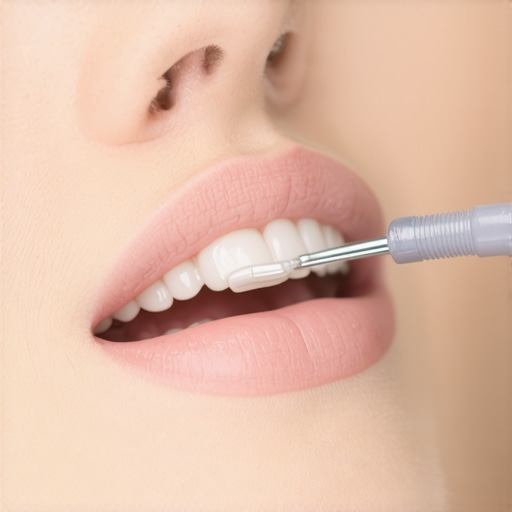
Many believe that brushing twice a day and visiting the dentist annually are enough to maintain optimal oral health. However, this misconception overlooks the complex intricacies of how our teeth and gums function, especially when it comes to treatment options like dental crowns or family dentistry practices. A common myth is that all dental crowns are the same, but in reality, the materials and placement techniques can significantly impact their longevity. Understanding the role of crowns is essential for choosing the right restoration and ensuring it lasts.
Another widespread mistake is neglecting personalized oral health routines. While general advice like regular flossing is valid, individual factors such as saliva composition and bite dynamics influence what practices are most effective. This is why consulting with a specialist can help customize your routine and avoid inadvertent damage. Attempting to use DIY whitening products or over-the-counter remedies without professional guidance can lead to enamel erosion or sensitivity, which experts warn against. Daily routines should be tailored based on your unique dental profile.
Why are many oral health tips misleading for advanced cases?
Most beginner guides emphasize basic cleaning, but they often overlook nuances essential for complex issues like crown maintenance or periodontal health. For example, improper flossing techniques can damage delicate gum tissue surrounding crowns, leading to recession or decay. A study published in the Journal of Periodontology highlights that improper flossing can accelerate gum recession around dental restorations, emphasizing the need for correct technique. Recognizing these nuances helps prevent costly repairs and preserves your natural smile longer. Expert advice is invaluable here.
Family dentistry is often mistaken as only for children, but regularly scheduled checkups for all ages can reveal early signs of issues like bruxism or early decay that aren’t obvious to the patient. By proactively addressing these nuances, you can prevent more invasive procedures later. Incorporating these insights into your routine strengthens the foundation of your oral health.
Have you ever fallen into this trap? Let me know in the comments. Remember, mastering the nuances of dental care can make a significant difference in your overall health and confidence.
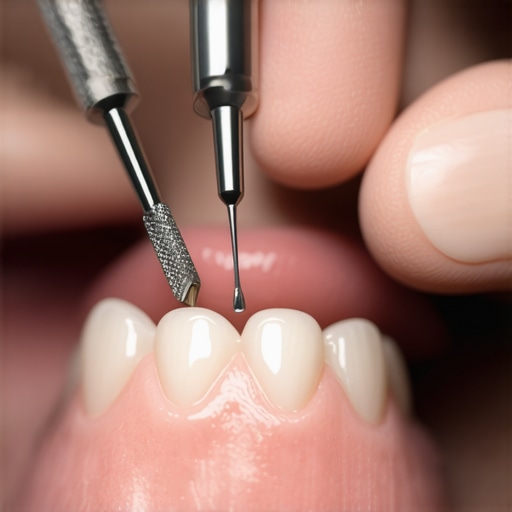 Maintaining your dental restorations, like crowns, over the years requires specific tools and consistent practices to ensure longevity. Personally, I rely heavily on high-quality interdental brushes like the GUM Soft-Picks, which are gentle on crowns but effective at removing plaque in tight spaces—crucial because corners and edges tend to trap debris. Regular use prevents plaque buildup that can compromise the seal of your crown and lead to decay. In terms of appliances, I recommend an electric toothbrush with a slim head, such as the Oral-B iO series, which provides superior plaque removal compared to manual brushing—my own experience shows a noticeable difference in maintaining crown margins and gum health.
In addition to physical tools, software like Dentrix Ascend helps me track patient records and monitor the long-term performance of restorations. It allows me to schedule timely check-ups and note any recurring issues, ensuring that any early signs of wear or misfit are addressed before they become bigger problems. It’s especially useful for family practices, where maintaining consistent records can be challenging.
In the realm of best practices, applying the techniques recommended in proper crown care is essential. This includes gentle flossing with specially designed floss threaders or water flossers, which I find invaluable for cleaning around crowns without causing damage.
As technology advances, the future of dental maintenance will likely include AI-driven monitoring devices—like smart toothbrushes capable of analyzing brushing patterns and providing personalized feedback—to optimize oral hygiene routines tailored for crowns and other restorations. This trend is promising, offering proactive care rather than reactive repairs.
How do I maintain my crowns and family dental work over time? The key lies in combining the right tools—like soft interdental brushes and electric toothbrushes—with consistent routines and professional check-ups. Incorporating these methods can drastically extend the lifespan of your dental restorations and keep your smile shining.
Don’t hesitate to try out a high-quality water flosser or schedule regular professional cleanings. Remember, a little investment in the right tools now can save significant trouble later, ensuring your dental work remains both functional and beautiful for years to come.
What No One Tells You About Keeping Your Crown Secure
Over the years, I’ve learned that the biggest mistake we make is assuming that dental crowns are maintenance-free. The truth is, a crown is a delicate investment that requires proactive attention beyond just routine brushing. My most eye-opening realization was that personalized flossing techniques made a drastic difference in prolonging crown lifespan. It’s not enough to follow generic advice—tailoring your oral hygiene routine can save you—and your smile—from unnecessary trouble.
My Go-To Tools for Lasting Dental Restorations
I rely on high-quality interdental brushes like GUM Soft-Picks because they gently access hard-to-reach spots, preventing plaque buildup around crowns. An electric toothbrush, particularly models like Oral-B iO, helps me stay on top of my cleaning game, especially around delicate margins. Additionally, I use software like Dentrix Ascend to track my dental health over time, catching early signs of wear or misfit before they escalate. Trusting these tools has transformed my approach from reactive to preventive.
Keep It Bright, Keep It Strong—Empower Your Smile
Your dental health journey is ongoing, and the choices you make today can lead to a lifetime of confidence. Regular checkups, tailored hygiene routines, and the right tools aren’t just habits—they’re investments in your well-being. Remember, even the most durable crown isn’t invincible without proper care. Embrace proactive habits now, and you’ll enjoy the benefits long-term. So, why wait? Your future self will thank you for taking action today.