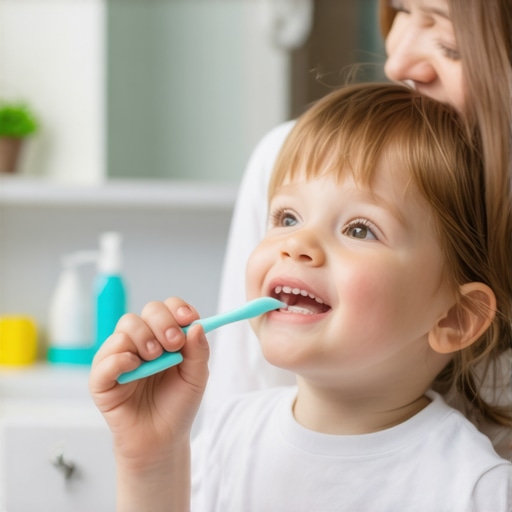
Have you ever felt your heart sink when your toddler screams, clenches their tiny fists, and refuses to open their mouth every time you try to brush their teeth? I remember that moment vividly—feeling helpless as my little one turned their head away, tears welling up, because they just couldn’t stand the taste of mint toothpaste. It was a lightbulb moment for me, realizing that what works for adults doesn’t always apply to our little ones, and that overcoming this challenge requires patience, creativity, and a bit of trial and error.
Why So Many Toddlers Reject Mint Toothpaste—and What You Can Do About It
As parents, we know the importance of establishing good oral hygiene early on. Yet, if your child hates mint toothpaste, brushing becomes an uphill battle. I found that many kids dislike the strong flavor of mint or the sensation of foaming, leading to tantrums or outright refusal. Early on, I made the mistake of insisting on using what I thought was best—thinking that flavor didn’t matter. But I quickly learned that forcing it only made things worse, creating a negative association with toothbrushing that could last for years.
According to dental health experts, customizing your child’s oral hygiene routine is vital. For example, choosing a flavored toothpaste that appeals to their taste buds can turn a chore into a bonding experience. If you’re wondering whether such small adjustments truly matter, studies show that positive early experiences with brushing set the foundation for lifelong dental health. This shift in approach was key for me, and I’d love to share how you can make it work for your family too.
Is It Worth the Effort to Avoid Flavored Toothpaste?
Initially, I hesitated to switch away from traditional mint-flavored products, fearing it might compromise effectiveness. However, I discovered that there are many safe and equally effective alternatives designed for kids—some with fruity flavors like berry or bubblegum that my toddler found much more acceptable. It’s important to remember that the primary goal is to instill the habit, and that taste plays a significant role in compliance. If you’re skeptical about these alternatives, rest assured that many are recommended by dental professionals, and some even contain fluoride suitable for children. For more tips on age-appropriate products, see this guide on family dental health.
By avoiding the mistake I made early on—sticking stubbornly to a flavor your child detests—you can help them develop a positive attitude towards oral care. Next, we’ll explore practical strategies to introduce alternative toothpastes and make brushing a fun, stress-free part of your daily routine. If this sounds familiar or you’ve faced similar hurdles, I encourage you to keep reading—I’ve been there, and I can help you turn the tide.
Introduce New Flavors Gradually to Build Acceptance
When I first tried to switch my child’s toothpaste from mint to a fruity flavor, I made a common mistake—going cold turkey. Instead, I took a gradual approach, mixing a small amount of the new flavor with the familiar toothpaste. For example, I started with 75% of their usual mint and 25% of a berry-flavored paste, then slowly increased the flavor ratio over a week. This method is like easing a toddler into a new food—they need time to adjust without feeling overwhelmed. After a few days, my child was less resistant, and I could fully switch without a fuss.
Use Visual and Tactile Cues to Engage Them
Children are visual learners, and engaging their senses makes the process less intimidating. I found that showing my toddler the colorful tubes and letting them hold and explore the pump or cap created curiosity. Additionally, using a mirror at their eye level helped them see what I was doing, giving them a sense of control and familiarity. I also made brushing into a game by pretending the toothbrush was a magic wand that helps protect their teeth from monsters or dragons. These tactics turned an unpleasant task into an adventure, reducing tantrums significantly.
Incorporate Fun and Rewards to Encourage Consistency
Positive reinforcement worked wonders for us. I established a sticker chart, where my child earned a sticker after every successful brushing session with their new flavored toothpaste. After accumulating a certain number, they got a small reward—a new toothbrush toy or extra storytime. The key is consistency; I brushed together with my child, making it a shared activity rather than a chore. This not only motivated my toddler but also created a positive association with oral health routines.
Choose Age-Appropriate Toothpastes That Appeal to Kids
Not all kids’ toothpastes are created equal. I researched and found options with appealing flavors like bubblegum or watermelon, which my child preferred over traditional mint. Look for products that are endorsed by dental professionals and contain fluoride suitable for children, ensuring safety and effectiveness. As I learned from family dentistry tips, switching to a flavor your child enjoys is crucial for developing good brushing habits that last a lifetime.
Make Teeth Brushing a Bonding Moment
Transforming brushing into quality time made a dramatic difference. I set aside a specific moment after bath time to brush together, singing songs or making silly faces. This approach reassures kids that it’s a safe, enjoyable activity. Over time, my child began asking to brush their teeth, eagerly grabbing their toothbrush. This simple shift from a battle to a shared activity reinforced positive behavior and helped them accept flavored toothpaste more willingly.
By applying these concrete techniques—gradual introduction, sensory engagement, positive reinforcement, choosing appealing products, and bonding—you can help your toddler develop a healthy, stress-free oral hygiene routine. Remember, patience and persistence are key; no two children are the same, and finding what works for your family might take some experimentation. Keep experimenting, and soon brushing will be a natural part of your child’s daily routine.
 Many people believe they know everything about maintaining healthy teeth, but some widespread misconceptions can actually harm your oral health. One prevalent myth is that brushing harder cleans better. In reality, applying excessive pressure can damage your gums and wear down enamel, leading to sensitivity and recession. Dental experts emphasize gentle, thorough cleaning to avoid such issues, which can be a pitfall for many unaware of the nuanced way to clean effectively.
Another misconception involves the use of baking soda as a whitening remedy. While it can remove surface stains, overuse or aggressive scrubbing can erode enamel and cause increased sensitivity. It’s essential to use proven, safe whitening methods and consult your dentist before trying DIY solutions. This is where professional guidance, like those offered by family dentistry practices, ensures your methods support long-term dental health rather than causing unintended harm.
Why Do Crowns Sometimes Feel Uncomfortable or Loosen Over Time?
Many assume that once a crown is placed, it’s a permanent fix. However, neglecting proper care or failing to follow post-treatment instructions can lead to crown failure or discomfort. For example, grinding teeth or eating hard foods can compromise the crown’s integrity. Proper maintenance, regular check-ups, and understanding the specific materials used, such as zirconia or porcelain, can extend their lifespan significantly. To learn more about how to care for your crowns and ensure their longevity, you can visit this comprehensive guide.
There’s also a common oversight regarding the necessity of comprehensive dental exams before and after crown placement. Some believe a single appointment suffices; however, ongoing assessments are vital to detect early signs of decay or issues beneath crowns, which can silently compromise your oral health. Experts recommend routine checkups, ideally by a trusted family dentist, to catch these problems early, preventing more significant complications later.
One hidden nuance often overlooked involves the role of crowns in overall oral health. Many assume they are purely cosmetic; yet, they restore function, protect underlying tooth structures, and can influence bite alignment. For instance, improperly fitted crowns can lead to uneven wear, jaw pain, or TMJ issues. Recognizing these subtleties underscores the importance of choosing experienced dental professionals. To understand how crowns fit into your broader smile strategy, explore this detailed explanation.
Remember, debunking these myths and paying attention to the nuanced aspects of oral health can save you from costly and painful problems down the line. Regular visits, proper hygiene, and informed choices are key. Have you ever fallen into this trap? Let me know in the comments.
Maintaining excellent oral health over time requires more than just routine brushing and flossing; it involves deploying the right tools and adopting methods that ensure durability and effectiveness. As a family dentist passionate about long-term results, I have honed my approach with equipment and strategies that stand the test of time. In this article, I’ll share insights on the specific tools I trust, how they contribute to sustained oral health, and where this trend might head in the future.
Investing in the Right Equipment Ensures Longevity
One of my top recommendations is the use of a high-frequency sonic toothbrush, such as the Philips Sonicare ProtectiveClean. Unlike manual brushes, sonic devices generate up to 62,000 movements per minute, allowing for deeper plaque removal and gentler cleaning — crucial for protecting crowns and delicate gum tissues. I personally prefer models with pressure sensors because they alert me if I’m brushing too hard, preventing damage—an often-overlooked aspect that can undermine long-term oral health.
Another essential is a Water Flosser, like the Waterpik Aquarius. Studies show that water flossers effectively reduce gingival bleeding and plaque, especially around crowns and bridges where traditional floss may be less effective. I incorporate them into my daily routine because they not only improve gum health but also make interdental cleaning more accessible, ensuring no area is neglected over the years.
Software and Digital Aids for Consistent Care
Beyond hardware, I leverage specialized dental software such as Planmeca Romexis to monitor my patients’ oral health progress. This system provides detailed 3D imaging and tracking, revealing early signs of wear, decay, or crown deterioration that may not be visible to the naked eye. Regularly reviewing these images allows me to recommend proactive measures, extending the lifespan of restorations and natural teeth alike.
In the near future, I predict artificial intelligence will play an even bigger role, analyzing data from these images to forecast wear patterns and suggest personalized maintenance schedules. As technology advances, I believe more practitioners will integrate AI-driven diagnostics to achieve even better long-term results.
How do I maintain my tools over the long haul?
Consistent maintenance of your dental tools is key. For example, Sonicare brushes require quarterly replacement of the brush heads to prevent bacterial buildup and ensure optimal cleaning performance. I also regularly sterilize my Water Flosser’s reservoir and tips, following manufacturer instructions. These practices keep equipment functioning correctly, like new, reducing the risk of cross-contamination or mechanical failure that could compromise your routine.
Switching to high-quality, durable tools and maintaining them properly is an investment in your health that pays off in years of healthy smiles. Remember, professional advice tailored to your unique needs, such as those offered during checkups, is essential for customizing your toolkit for lasting success. For instance, proper care of crowns is detailed extensively in this guide on crown maintenance.
As we look ahead, the trend points toward smarter, more integrated tools that not only clean but also monitor your oral health in real time. Embracing these advances now can dramatically improve your chances of avoiding costly repairs or replacements down the line. So, I encourage you to try upgrading to a sonic toothbrush and incorporate a reliable Water Flosser into your daily routine—small changes that produce big results over the years.
Stay proactive and keep your smile shining. Regularly scheduling professional cleanings and checkups, along with using these advanced tools, will ensure your oral health remains resilient for a lifetime. For more insights on how to care for crowns and ensure their long-term shine, explore this article to optimize your maintenance routine.
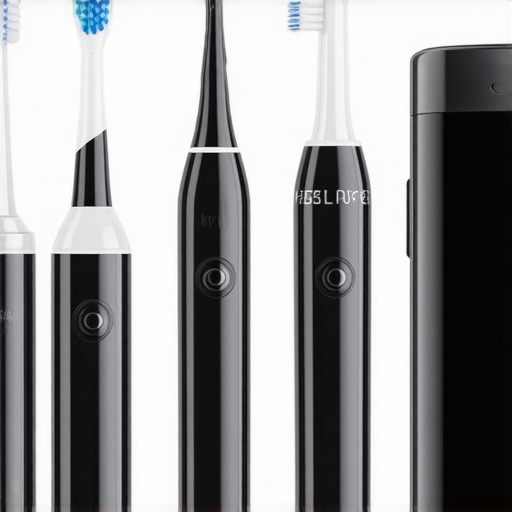
To visualize the difference quality tools make, here’s an image of a well-maintained dental toolkit designed for longevity and effectiveness, featuring the latest in toothbrush technology, water flossers, and diagnostic software.
What I Didn’t Expect About Oral Health Success
One of the most profound lessons I learned was that patience outweighs perfection. Trying to persuade a toddler to embrace new toothpaste flavors taught me to celebrate small victories instead of fixating on immediate results. This approach transformed my perspective, highlighting that consistency and gentle encouragement forge lasting habits. I also discovered that trusting professional guidance, like selecting age-appropriate products endorsed by experts, makes a significant difference. Lastly, I realized that turning oral care into a fun, bonding activity not only reduces stress but also instills a lifelong appreciation for dental health.
Tools That Revolutionized Our Routine
Over the years, I’ve curated a set of tools that truly make a difference. The Philips Sonicare ProtectiveClean became my go-to for its gentle yet thorough cleaning, while the Waterpik Aquarius helped reach tricky areas around crowns and braces. I also rely on advanced family dentistry software that tracks oral health trends, providing insights I wouldn’t spot otherwise. These tools collectively ensure that my family’s smiles remain healthy and resilient. For insights on maintaining crowns and other restorations, I recommend exploring this detailed guide.
Your Next Steps to a Brighter Smile
Empowered with these lessons and tools, I encourage you to take proactive steps today. Whether it’s experimenting with kid-friendly toothpaste flavors or investing in a quality sonic toothbrush, small actions accumulate into remarkable results. Remember, each smile you nurture today lays the foundation for lifelong dental well-being. Don’t shy away from exploring new routines or seeking professional advice—your future self will thank you. And if you’re ever unsure about the best practices for crowns or crowns care, consult trusted resources like this expert-approved advice. Now, it’s your turn—what’s the first step you’re excited to try in your family’s oral health journey? Share below and inspire others in the community.