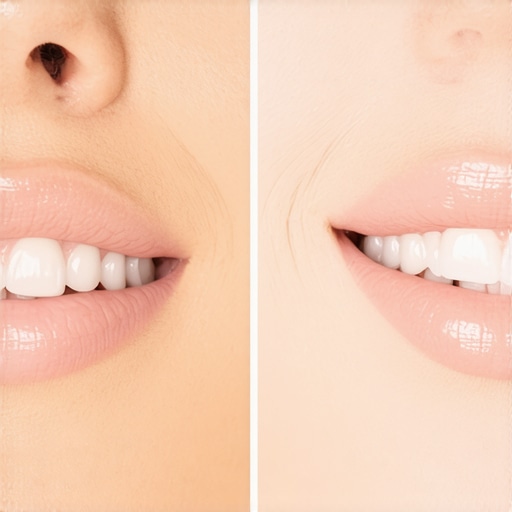
It was late at night when I first felt that sharp, fleeting pain whenever I took a sip of my favorite iced coffee. At first, I brushed it off as temporary, maybe just sensitive teeth from too many sugary treats. But as days went on, that discomfort became more persistent, confusing me. Was it just sensitivity, or was something more serious? That lightbulb moment made me realize how tricky it is to distinguish between normal sensitivity and a cracked tooth—something I wish I had understood better back then.
Why Does It Matter Whether Your Tooth Is Sensitive or Cracked?
Many people experience occasional sensitivity, especially after whitening treatments or eating very cold or hot foods. Usually, it’s harmless and temporary. However, persistent pain or discomfort that lingers could be a red flag. Misjudging the severity could lead to worsening damage or even tooth loss. Learning to tell the difference can save you from unnecessary anxiety or costly repairs.
Could It Just Be Normal Sensitivity, or Is a Cracked Tooth Lurking?
Early in my dental journey, I made the mistake of ignoring what I thought was just sensitivity. I didn’t realize that a crack deep inside could mimic the feeling of normal sensitivity. This oversight delayed my treatment and made things worse. If you’ve ever experienced sharp pain when biting, or if the discomfort persists without an obvious reason, you might be facing more than just everyday sensitivity. For more insights on effective home practices for maintaining oral health, check out these teeth cleaning secrets. Recognizing early signs is crucial, because the sooner you act, the better your chances of preserving your natural smile.
Perform a Visual Inspection Regularly
Start by examining your teeth in a mirror after brushing. Look for tiny cracks, chips, or uneven surfaces. Use a flashlight to enhance visibility. I once noticed a small crack on my molar after a routine brushing, which prompted me to schedule an appointment before the crack worsened. It’s like catching a crack in your windshield early — the sooner you notice, the easier it is to fix.
Pay Attention to Biting Sensations
Test Your Bite Gently
Next, gently bite down on a piece of soft food or a cotton ball to see if you feel any sharp pain, especially when chewing on one side. For example, I carefully bit into a soft bread crumb and noticed a sudden sharp discomfort on one side. If you experience this, it’s a sign that your tooth may have a crack deep inside, exposing nerve endings.
Avoid Excessive Force
Don’t forcefully bite or chew hard foods if you suspect a crack. Just like walking on a weak bridge could cause it to collapse, putting pressure on a cracked tooth can worsen the damage. I learned this the hard way when I bit into an unpopped popcorn kernel, which caused immediate pain and increased the crack’s severity.
Check for Temperature Sensitivity
Test your teeth with both hot and cold stimuli. Swallow your favorite cold drink gently; if you feel a sudden, sharp pain, it indicates nerve exposure. I once sipped iced tea and felt a stabbing pain on a specific tooth, which was a red flag that a deep crack was present.
Nudge and Probe Gently
If safe, use a clean finger or a dental pick to lightly feel the affected tooth’s surface. Be cautious—if you feel a rough or sharp edge, it could be a crack. Remember, never force or poke aggressively; this is mainly for identifying jagged or cracked areas with gentle pressure.
Seek Professional Help Without Delay
If any of these signs are present, schedule an emergency dental appointment. Early intervention is crucial for preserving your tooth and preventing infection. During the appointment, your dentist might use 3D imaging to assess the crack’s depth and nature, which is vital for developing the right treatment plan. For more insights on your options, visit how crowns can improve your smile or expert advice on crowns and teeth cleaning. Taking action quickly can save you from more extensive repairs down the line.Many believe that getting a dental crown is a quick fix that lasts forever, but in reality, the longevity of crowns depends on material quality and proper care, which many overlook. For instance, zirconia crowns are often touted as unbreakable, yet they can chip if not maintained properly—something even some dental professionals underestimate. Regarding family dentistry, there’s a misconception that regular cleanings alone suffice for lifelong oral health, but recent studies show that personalized home care routines are just as vital in preventing decay and periodontal issues.
What Advanced Factors Influence the Success of Dental Restorations?
Factors like bite alignment, occlusal forces, and biocompatibility play crucial roles in the durability of crowns, yet they’re often neglected in casual discussions. For example, a poorly aligned bite can exert excessive pressure on a crown, leading to premature failure, a nuance backed by experts in prosthodontics (source: Journal of Prosthetic Dentistry). Moreover, many people fall for the myth that teeth cleaning is merely cosmetic; in fact, professional cleanings remove the calculus that harbors bacteria, thereby significantly reducing risks of systemic diseases like heart disease and diabetes—validating that oral health is integral to overall wellness. Integrating effective home practices with regular professional care creates a synergistic effect, ensuring your dental health remains optimal over time. To explore more about maintaining your crowns, check out tips for crown longevity. Remember, understanding these nuanced truths helps you make informed decisions and avoid common pitfalls. Have you ever fallen into this trap? Let me know in the comments.
Investing in the Right Equipment for Lasting Oral Health
When it comes to maintaining a healthy smile, having the right tools at your disposal makes all the difference. I personally swear by using an ultrasonic toothbrush like the Philips Sonicare DiamondClean. Its sonic technology delivers up to 62,000 brush movements per minute, effectively removing plaque and reducing gingivitis more than manual brushing. I’ve seen remarkable results in my own routine and encourage others to consider upgraded devices for superior cleaning. Pairing this with a quality water flosser such as the Waterpik Aquarius can reach areas traditional floss might miss, deep-cleaning gum lines and preventing periodontal issues. The pulsating jet dislodges debris and bacteria, which I find especially useful for maintaining my crowns and preventing long-term complications.
Why Software Can Elevate Your Dental Routine
Beyond physical tools, emerging smartphone apps are transforming how we care for our oral health. For instance, the Philips Sonicare app offers real-time feedback on brushing habits, guiding users to cover all teeth effectively and avoiding common pitfalls like missing spots. I personally use my app to track my brushing sessions and ensure I’m meeting the recommended two-minute duration twice daily. These digital reminders help build consistent habits, which are crucial for preventing decay and gum disease over time. As artificial intelligence advances, I predict a future where apps will analyze your oral health trends and suggest personalized routines or even notify your dentist proactively, creating a more integrated approach to dental maintenance.
Streamlining Maintenance for Family Dental Success
For families, establishing a comprehensive routine is essential. I recommend setting up a dedicated ‘oral health station’ in your bathroom with all tools accessible—electric toothbrush, water flosser, and fluoride rinse. Teaching kids to use kid-friendly versions of these devices fosters independence and reinforces good habits early on. Regular professional cleanings remain indispensable; they clear away tartar and address issues that daily routines miss. Scheduling biannual check-ups, as many experts suggest, aligns with this strategy. Parents should also invest in monitoring tools like plaque disclosing tablets to visualize areas missed during brushing—making it a game for children and an effective learning experience. Maintaining consistency here ensures that oral health becomes a family priority, not just an individual task.
Choosing Longevity: Materials and Methods Matter
When selecting crowns, some materials like zirconia have become popular due to their strength and aesthetic appeal. I highly advocate for zirconia crowns over traditional porcelain, especially in posterior regions subject to heavy biting force, because of their resistance to chipping and cracking (source). Proper placement and regular maintenance are essential for lasting results. Additionally, consistent home practices—such as gentle brushing, avoiding abrasive whitening agents, and using recommended tools—extend the lifespan of restorations and prevent secondary decay. Remember, your dental professional can provide customized advice tailored to your unique needs, ensuring that your investment in crowns and veneers continues to pay off over the years.
Anticipating Future Trends in Dental Care
Looking ahead, I believe the integration of 3D imaging and AI-driven diagnostics will revolutionize routine maintenance. These technologies will allow for earlier detection of cracks, decay, or crown wear, enabling proactive treatment. As these tools become more affordable and widespread, maintaining your smile will become increasingly precise and personalized. To stay ahead, I recommend embracing advanced cleaning devices now—like ultrasonic brushes and smart flossers—and discussing future tech options with your dentist at your next appointment. For example, exploring 3D imaging technology can provide comprehensive insights into your oral health, leading to better outcomes.
How do I maintain my dental tools and methods over time?
Proper cleaning and storage of your equipment—like rinsing your toothbrush after use, replacing head attachments every three months, and keeping devices in a dry place—are fundamental. Regularly updating your digital apps and consulting with your dental team about new innovations can also enhance your routine. I challenge you to try integrating a smart toothbrush into your regimen and monitor the improvements over several weeks. Small, consistent upgrades can significantly impact your long-term oral health, helping you preserve your smile for decades to come.
Unexpected Lessons from My Oral Care Journey
One of the most profound realizations I had was that consistent communication with my dentist often reveals insights beyond what textbooks offer. For instance, understanding the subtle signs of crown wear or early cracks can prevent costly repairs later, a lesson I wished I had prioritized sooner.
Another insider tip is that personalized home care routines tailored to your specific dental work, like crowns or veneers, significantly extend their lifespan. I learned this the hard way when neglecting simple routines led to premature crown staining and deterioration.
Finally, embracing emerging technologies such as AI-driven diagnostics changed the game for me. These tools offer proactive measures, catching issues before they become painful or expensive, highlighting the importance of staying informed about new advancements in family dentistry.
Tools and Resources That Made a Difference
My go-to resource has been effective home dental practices. It empowered me to develop routines that complement professional cleanings and maintain overall oral wellness. Additionally, comprehensive guides on crowns offered clarity on choosing the right materials for durability and aesthetics. Lastly, staying updated with reputable clinics’ blogs reinforced the importance of regular check-ups and personalized treatment plans.
Stay Inspired to Maintain Your Oral Wellness
Your smile is your signature—invest in it with both knowledge and action. With the right information and tools, you can prevent complications, preserve your natural teeth, and enjoy confidence every day. Don’t wait for discomfort to remind you—start today and watch your oral health thrive.
What has been your most surprising discovery about family dentistry or crowns? Share your experience below—I’d love to hear your story!
**