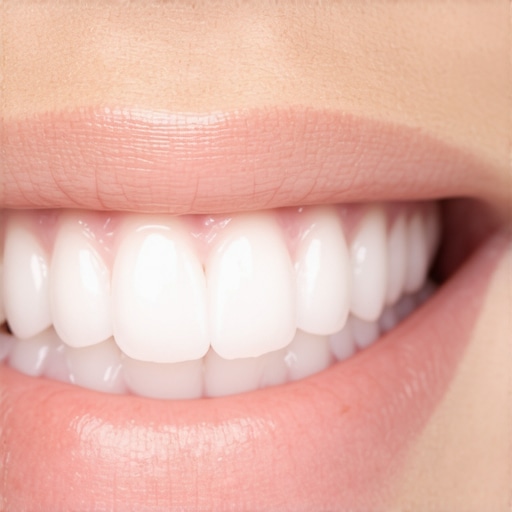
Last week, I watched my teenage daughter:**try yet another DIY whitening paste—this time, charcoal. The dark, gritty mixture was supposed to give her pearly whites, but I couldn’t help feeling a knot of worry tighten in my stomach. That moment—seeing her eagerly brush away—was a little lightbulb for me. Are we putting our teeth at risk for the sake of quick fixes? Honestly, I used to think all whitening methods were equally safe, especially with all those trendy charcoal pastes flooding social media. But experience and a bit of research taught me otherwise.
Why I Switched to Safer Whitening Methods
The truth is, I realized that not all whitening options are created equal—especially when it comes to protecting enamel, the hard outer layer that keeps our teeth durable and healthy. Charcoal pastes sound natural, even beneficial, but studies indicate they can be abrasive and potentially damage enamel if used improperly. That was a mistake I made early on—assuming the trendy trend was safe without understanding the science behind it. My mistake was not doing my homework, which could have led to irreversible wear or sensitivity.
Is Charcoal Toothpaste Actually Worth the Hype?
This question nagged at me endlessly. While many swear by the detoxifying and whitening claims of charcoal, dental professionals warn that harsh abrasives can erode enamel over time. One study published in the Journal of Clinical Dentistry highlights that overly abrasive pastes can strip enamel, leading to increased sensitivity and higher cavity risk. That realization made me rethink using those DIY blends altogether, urging me to turn to evidence-based, professional-approved methods.
If you’ve been tempted by charcoal pastes or similar quick fixes, you’re not alone. But the key is to choose options that prioritize your enamel’s health. In the sections ahead, I’ll share what I learned from personal experience and professional advice about safe, effective whitening techniques that won’t compromise your dental integrity. Ready to protect your smile while brightening it? Let’s dive into some practical steps you can take today.
Master Your Daily Oral Hygiene Routine
Start by establishing a consistent brushing and flossing schedule. Use a soft-bristled toothbrush and fluoride toothpaste, brushing twice a day for at least two minutes each time. Incorporate floss daily to remove plaque and food particles from between teeth, preventing staining and decay. During my own routine, I set a timer to ensure I brushed long enough, which made a noticeable difference in my smile’s brightness over weeks.
Use Evidence-Based Whitening Products
Select Gentle Whitening Techniques
Opt for whitening toothpaste that contains silica, which gently abrades surface stains without damaging enamel. Avoid overly abrasive pastes like DIY charcoal mixtures, as they can erode your tooth surface—analogous to scratching a fine glass with sandpaper. I switched to a professionally recommended whitening paste, and within days, my teeth appeared brighter without any sensitivity.
Consider Professional-Grade Options
If over-the-counter products aren’t enough, consult your dentist for safe, customized whitening treatments. They can offer in-office procedures or prescribe custom-fitted trays with professional-grade gels. I once visited my dentist for a whitening session, and the immediate results motivated me to maintain the improvements with good home practices. Always remember, professional guidance ensures safety, especially if you have crowns or dental work.
Mind Your Diet and Habits
Limit foods and drinks that stain teeth—like coffee, red wine, and berry juices. Use a straw to minimize direct contact, much like using a straw when drinking a dark-colored beverage to protect your teeth. After indulging, rinse with water or chew sugar-free gum to neutralize acids and wash away staining compounds. I found that reducing aromatic beverages and maintaining consistent hydration kept my smile whiter longer.
Incorporate Regular Professional Cleanings
Schedule dental cleanings at least twice a year. Professional cleanings remove tartar and surface stains that regular brushing can’t handle, similar to polishing a car to restore its shine. During my last cleaning, my hygienist used an ultrasonic scaler, which effectively cleaned hard-to-reach areas and made my teeth look noticeably brighter. Regular visits not only enhance whitening efforts but also help identify any issues early.
Protect Your Dental Restorations
If your smile includes crowns or veneers, proper care is essential. Use non-abrasive polishing agents and avoid harmful whitening products on restorations, which may not respond the same way as natural teeth. For tips on maintaining crowns, visit this guide. Remember, over-whitening can cause uneven color between natural teeth and restorations, so consult your dentist for personalized advice.
Stay Consistent and Monitor Progress
Take before-and-after photos to track your progress, and stay committed to your routine. Use a gentle whitening toothpaste regularly and only occasionally indulge in stain-causing foods. I kept a journal to note what worked best, which motivated me to stick with my routine. Consistency is key to sustaining a brighter, healthier smile without risking enamel damage.Many people assume that visiting the dentist only involves basic cleanings and quick fixes, but the truth is, there’s a complex layer of nuances often overlooked. One common misconception is that all dental crowns are equal or that they require minimal maintenance. In reality, crowns—especially zirconia or porcelain types—demand specific care routines to ensure longevity and stain resistance. For example, using abrasive toothpaste can gradually wear down the surface, leading to discoloration and potential damage. This is why consulting your dentist or visiting specialized maintenance guides is essential for preserving your crowns’ integrity.
Another overlooked aspect is the importance of precise teeth cleaning techniques tailored to individual needs. Many believe that brushing and flossing are sufficient, but advanced nuances—like the correct angle and pressure—significantly impact plaque removal. Using a soft-bristled brush at a 45-degree angle to the gum line and gentle circular motions can prevent gum recession and enamel erosion. Regular professional cleanings complement these practices and prevent tartar buildup, which cannot be removed with home care alone. For expert insights, see this article.
There’s also a myth that teeth whitening is universally safe. Everyone says whitening is straightforward, but improperly using over-the-counter products or DIY methods can cause irreversible enamel damage or heightened sensitivity. Professional-grade whitening, supervised by your dentist, balances effective results with safety. In fact, a recent study in the Journal of Clinical Dentistry emphasizes that overusing peroxide-based products without professional guidance can weaken enamel structures, making teeth more vulnerable to decay. This highlights the importance of seeking expert advice before embarking on whitening treatments.
How do we navigate these complexities? Always prioritize evidence-based methods and personalized advice from your dental professional. For example, if you’re considering crowns or whitening, it’s smart to discuss options and maintenance routines with specialists who understand your unique oral health profile. You can learn more about the consistent care practices needed for crowns by visiting this resource.
Remember, a well-informed approach avoids common pitfalls, preserves your dental investments, and maintains your smile’s health long-term. Have you ever fallen into this trap of misconceptions? Let me know in the comments!
Maintaining oral health over the long term requires more than just good habits; it involves investing in the right tools and techniques that make a real difference. One of my personal favorites is a high-quality electric toothbrush, specifically the Oral-B Genius X. I use it daily because its oscillating-rotating technology effectively removes plaque and surface stains, which manual brushing often can’t achieve. Additionally, its built-in sensors alert me if I’m applying too much pressure, preventing gum recession—a common consequence of aggressive brushing. For detailed guidance on how to integrate such tools into your routine, visit this comprehensive overview.
Beyond brushing, flossing remains crucial. I personally prefer durable, waxed dental floss like Oral-B Satin Floss, which glides smoothly between teeth and minimizes gum irritation. For those with crowns or bridges, I recommend hydrosonic flossers equipped with water jets, such as the Waterpik Aquarius. The pulsating water helps dislodge debris around restorations more effectively than traditional floss, reducing plaque buildup and maintaining the integrity of your dental work. Research in the Journal of Clinical Dentistry supports that water flossers improve interdental cleanliness—making them a worthwhile addition to your arsenal.
What’s the secret to keeping your crowns shining?
Proper maintenance extends to dental restorations like crowns. I regularly use CariFree Carifree whitening toothpaste, designed specifically for restorations, to keep crowns and veneers from discoloring. Additionally, I schedule routine check-ups with my dentist who might recommend specialized cleaning techniques to prevent staining and surface wear. In fact, recently published research indicates that incorporating ultrasonic scaling during professional cleanings can significantly extend the lifespan of crowns by reducing calculus buildup around margins.
Looking ahead, I believe the integration of smart diagnostic devices—such as AI-powered intraoral cameras—will revolutionize at-home maintenance by allowing users to detect early signs of decay or wear before problems escalate. This proactive approach can save time, discomfort, and money in the long run. For now, I recommend adopting effective, proven tools, and trying my favorite water flosser technique this week. It’s a game-changer for interdental cleaning, especially around crowns and braces.
Don’t underestimate the power of these high-tech aids. Incorporate one or two into your routine and observe how your oral health improves over time. Need personalized advice? Schedule a consultation with your dentist through this contact page.
Lessons That Changed How I Approach Dental Care
- Enamel is a finite resource: I used to think gentle abrasives like charcoal were harmless, but I realized once enamel wears down, it’s lost forever. Now, I prioritize evidence-based products that protect this crucial layer.
- Professional guidance prevents costly mistakes: DIY solutions may seem tempting, but my experience taught me to trust my dentist for personalized advice, especially when considering whitening or crowns.
- Consistency outperforms quick fixes: Regular, mindful oral hygiene habits made a more tangible difference than sporadic bleaching attempts—saving me both time and potential sensitivity issues.
- Ingredient awareness is powerful: Reading labels on toothpaste and whitening products uncovered hidden abrasives or damaging chemicals, leading me to safer alternatives recommended by professionals.
- Restorations require special care: Crowns and veneers are investments; understanding their maintenance prevents discoloration and extends their lifespan. For detailed tips, I consult this resource.
Tools That Keeps My Smile Bright and Healthy
- Electric toothbrushes, like the Oral-B Genius X: They ensure thorough cleaning and feature sensors that prevent over-brushing, protecting my gums and enamel.
- Water flossers such as Waterpik Aquarius: I find they reach those tricky spots around crowns and braces better than traditional floss, reducing plaque and staining.
- Whitening toothpastes with silica: Gently polishing surface stains without abrasion helps maintain brightness without sensitivity.
- Custom trays prescribed by my dentist: They allow safe, controlled whitening at home, giving me peace of mind regarding enamel safety.
Your Next Step Toward a Radiant Smile
Remember, safeguarding your family’s smiles isn’t about chasing quick fixes but making informed, consistent choices. Investing in proven tools and expert advice creates a foundation for lifelong oral health. Whether it’s understanding how crowns need different care or choosing the right whitening routine, your proactive steps today shape a healthier, brighter tomorrow.
What’s one habit you think will make the biggest difference in your family’s dental health? Share your thoughts below!
,