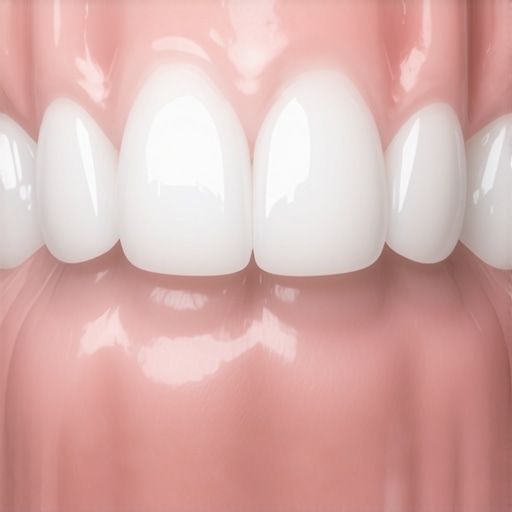
I remember the first time I got a dental crown and instantly noticed something was off—the new one felt taller than the surrounding teeth. It was like biting into a sandwich and feeling that awkward gap where my tooth used to be. Frustrating and a tad alarming, I wondered if I’d made a mistake or if something had gone wrong during the procedure. Turns out, I wasn’t alone in this experience.
Many folks find themselves puzzled when their freshly placed crown feels different—not just in appearance but in how it fits against their bite. That strange sensation can cause worry: Is it normal? Will it settle down? Or worse, does it mean the crown is wrong? If you’ve experienced this, you’re in good company, and there’s a reason behind it that I’ll explain shortly.
What’s Really Happening When Your Crown Feels Taller Than The Rest
In my early days of dental appointments, I learned that the height discrepancy often comes from the natural settling process of new crowns. When a crown is first placed, slight adjustments might be necessary to perfect the bite—what dentists call occlusion. Sometimes, the crown might sit a bit higher, causing an uneven bite that can feel like your tooth is taller.
But here’s the thing: this feeling isn’t necessarily a sign of trouble. Our mouths are dynamic, constantly adjusting with every bite and chew. Often, the crown will gradually settle in—or a quick quick appointment with your dentist can bring it down to match your other teeth seamlessly. Think of it like breaking in new shoes; they might feel tight at first but will become comfortable with wear and minor tweaks.
However, if the crown remains significantly taller after a week or so, or if you notice discomfort while chewing, it’s essential to consult your dentist. They can perform a simple check and make necessary adjustments to ensure your bite is comfortable and even. Maintaining proper bite harmony isn’t just about comfort; it can influence your overall oral health, affecting your jaw joints and even leading to headaches if left unaddressed.
Want to learn more about how crowns can transform your confidence? Check out this article for insights on making your smile shine.
Skeptical about the common explanations? You’re not alone.
Back when I first started, I made the mistake of thinking that if my crown felt taller, it meant a rushed appointment or poor craftsmanship. It’s easy to jump to conclusions, but the reality is more nuanced. Slight height differences are common and often temporary. It’s a normal part of the healing and adjustment process. Trust me, I’ve seen many cases where a quick re-evaluation restored a perfect fit.
So if you’ve faced this problem, don’t panic. It’s likely just a matter of your mouth doing its adjustment dance. In the next sections, I’ll walk you through practical steps to assess and resolve this issue, ensuring your new crown feels and functions just right.
}
Assess Your Bite Precisely
Start by feeling your bite with clean fingers or a mirror. Gently close your mouth and note which teeth come into contact first or feel uneven. Remember, a slight height difference is usually normal initially but should settle within a few days.
Use a Toothpaste or Baking Soda Paste to Detect High Spots
Apply a small amount of toothpaste or a baking soda paste on the crowns. Bite down gently. If you notice the paste being wiped away unevenly, it indicates areas where the crown might be too high. This simple test helps identify spots needing adjustment.
Make Small, Controlled Adjustments at Home
If you’re comfortable and have the right tools, like a fine-grit dental bur or nail file, carefully file down the high spots. Be conservative—make tiny adjustments and test again. Remember, a little goes a long way, and over-adjusting can cause discomfort or sensitivity.
Document Your Progress
Keep a small journal or notes of each adjustment, noting what amount of filing was done and how the bite feels afterward. This record will be useful if you need to show your dentist for further refinement.
Manage Discomfort and Protect Your Teeth
After adjustments, rinse your mouth thoroughly and avoid hard or sticky foods for a few hours. If you experience soreness, apply an ice pack or use over-the-counter dental numbing gel to reduce discomfort.
Seek Professional Help if Needed
If after home adjustments the crown still feels taller or causes discomfort, schedule a visit with your dentist promptly. They can perform precise adjustments and ensure your bite is perfectly aligned, preventing future issues like jaw pain or uneven wear.
In my experience, I once tried to tweak a crown myself after a mishap where I noticed it felt off. I gently filed the high spots at night, feeling nervous about overdoing it. The next day, I tested again and noticed my bite was more comfortable. Ultimately, a quick visit to my dentist confirmed I had achieved a good fit, saving me from a potential complication. Remember, small, cautious adjustments combined with professional guidance ensure your crown feels natural and comfortable.
While many believe that simple brushing and regular checkups are enough, the truth is that oral health encompasses sophisticated nuances that often go unnoticed. One common misconception is that all toothpastes and cleaning techniques are equally effective. In reality, the choice of toothpaste and brushing methods can significantly influence your long-term dental health, especially in preventing cavities and gum disease. For instance, using a toothpaste with fluoride is proven to strengthen enamel and reduce decay risk, as supported by the American Dental Association.
Another misconception is that crowns are permanent fixes that require no maintenance. However, without proper care and understanding of their intricacies, crowns can fail prematurely due to cracks or recurrent decay. Many patients underestimate the importance of routine checkups and proper maintenance, which is vital for prolonging crown lifespan. Learn more about proper crown care to ensure your investment lasts.
Here’s a question that trips up even seasoned dental patients: Are all dental restorations equally resilient to wear and tear? The answer is no. While materials like porcelain and zirconia are durable, their performance depends on your habits and proper adjustment. Slightly overlooked factors, like occlusion misalignments, can lead to uneven wear or damage over time. Advanced knowledge about materials and fit can help prevent costly repairs—so don’t settle for generic advice. An expert understanding of material properties and their interaction with your bite can make a crucial difference, as detailed in this resource.
Many people fall into the trap of neglecting the importance of professional cleanings beyond surface plaque removal. Deep cleaning procedures like scaling and root planing target tartar beneath the gum line, preventing periodontitis that might not be detectable early on. Regular cleanings also give your dentist a chance to catch hidden issues. For comprehensive prevention strategies, check out the impact of cleaning on overall wellness.
Finally, it’s vital to recognize that our mouths aren’t isolated systems. Oral health directly influences your overall health, from heart disease to diabetes. Misunderstanding or dismissing this connection is a common pitfall. Embracing a holistic view can motivate better daily habits—every brush, floss, and visit counts. For insights on integrating oral health into your overall wellness, see this guide.
Have you ever fallen into this trap? Let me know in the comments below!
Investing in the Right Tools for Lasting Results
Maintaining your oral health over the years requires more than just regular brushing and annual checkups—it demands the right tools. I personally swear by using an electric toothbrush with a pressure sensor, such as the Oral-B Genius X. Its advanced oscillating-rotating technology effectively reduces plaque buildup while the built-in pressure sensor prevents gum damage by alerting me when I brush too hard. This combination has significantly improved my brushing routine, especially when used alongside quality flossing aids.
Complementing your toothbrush, a water flosser like the Philips Sonicare Hydrangea can reach areas traditional floss may miss, particularly around crowns and braces. I prefer models with adjustable water pressure because it allows for a gentle yet thorough cleaning—crucial for long-term crown longevity and gum health. Regular use of such tools helps prevent tartar buildup beneath the gum line, which is vital for overall wellness, as highlighted in this article.
Mastering Effective Teledentistry and Routine Checks
With the rise of telehealth, I recommend leveraging virtual dental consultations for routine check-ins. Using high-resolution smartphone cameras, I can regularly monitor the condition of my crowns and gums from home. I specifically use Zoom for clarity and ease of sharing images. For ongoing home maintenance, I utilize an app like Dental Monitoring, which allows my dentist to review photos and provide personalized advice remotely. This proactive approach ensures minor issues are caught early before they become costly problems.
When scheduling professional cleanings, I opt for clinics that incorporate ultrasonic scalers—a technique proven to remove tartar and biofilm more thoroughly without damaging soft tissues. This practice aligns with the latest standards discussed in expert insights, promoting long-term crown health and periodontal stability.
Adapting Tools as Your Dental Needs Evolve
As your oral health journey progresses, so should your toolkit. For example, if you notice increased sensitivity, switching to a desensitizing toothpaste like Sensodyne Pronamel can provide relief while protecting enamel. Additionally, incorporating interdental brushes such as TePe helps clean tight spaces around crowns and bridges—a task regular floss might struggle with. These adjustments not only preserve your current restorations but can also prevent future complications.
Prediction-wise, advancements in smart oral care, including AI-powered brushes that adjust brushing patterns in real time, are poised to revolutionize home dental maintenance. Embracing these innovations early can set a new standard for long-term results.
How do I keep my tools effective over time?
Regular replacement of brush heads—typically every three months—is essential to maintain optimal plaque removal. Diligently cleaning and sterilizing your electric toothbrush and water flosser after each use prevents bacterial buildup. Investing in a UV sanitizer, like the Brillicare UV Toothbrush Sanitizer, ensures your tools remain germ-free, extending their lifespan and efficacy. I personally incorporate this step into my nightly routine, which helps me trust my tools to do their best job each day. Remember, high-quality tools paired with proper maintenance lay the foundation for enduring oral health. Try integrating a UV sanitizing device for your toothbrush to see immediate improvements in cleanliness and confidence.
Lessons from the Dental Chair: Turned My Failures into Knowledge
- One of the toughest lessons I learned was patience—adjusting a crown isn’t about rushing but about meticulous care. I used to think quick fixes were enough, but real quality came from small, deliberate tweaks. This taught me that persistent, gentle adjustments lead to long-lasting comfort.
- I discovered that my misconceptions about crown longevity often stemmed from overlooking daily habits. Small changes like avoiding sticky foods and maintaining consistent hygiene can dramatically extend a crown’s life—something I wish I’d known earlier.
- Listening to my own body’s signals proved invaluable. Sensitivity or discomfort aren’t necessarily signs you did something wrong; they’re cues to seek professional advice sooner rather than later, saving time and avoiding complications.
- Understanding the complexity of bite dynamics opened my eyes. Even seemingly minor misalignments can cause issues over time, reinforcing the importance of regular checkups and proactive adjustments for lasting results.
- Finally, I realized that investing in quality tools and proper technique at home combines the power of professional care with daily responsibility, making a tangible difference in oral health—something I now encourage everyone to embrace.
The Tools That Transformed My Approach to Dental Care
- Electric toothbrush with pressure sensors: I rely on models like the Oral-B Genius X for effective cleaning without damaging gums—my trusted partner for daily maintenance.
- Water flosser with adjustable pressure: The Philips Sonicare Hydrangea helped me reach tricky spots around crowns, ensuring thorough cleaning that traditional floss sometimes misses.
- UV toothbrush sanitizer: Regular sanitizing keeps my tools free of bacteria, giving me peace of mind and a cleaner mouth—I’ve noticed a real difference in gum health since incorporating it.
- Mobile apps for remote monitoring: Platforms like Dental Monitoring allow me to share images effortlessly with my dentist, catching small issues early and avoiding larger problems.
Your Turn to Shine: Take Charge of Your Oral Wellness Today
Remember, your dental crown and overall oral health are an ongoing journey. By applying these insider tips and selecting the right tools, you can enjoy a smile that’s both confident and healthy for years to come. Don’t wait for discomfort to remind you—prioritize proactive care now. How will you enhance your dental routine starting today? Let me know below and share your own experiences with crown adjustments or home care tricks!
,