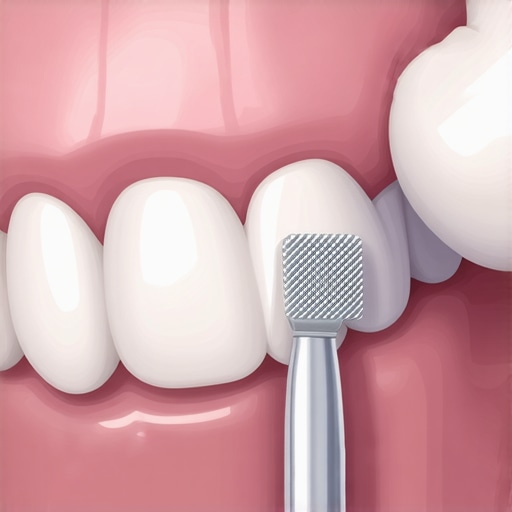
It hit me unexpectedly during my last deep cleaning at the dentist’s office. As the hygienist carefully worked around my gums, I suddenly felt a wiggly sensation in one of my teeth. Panic? Almost. I couldn’t help but think, “Is this normal? Am I losing my teeth?” It was a lightbulb moment that revealed how little I truly understood about the process of oral hygiene procedures.
How Can a Deep Cleaning Make My Teeth Feel Loose?
Many people, myself included initially, are caught off guard when they experience a sense of looseness or pressure during or after a deep cleaning. The truth is, this sensation often comes from the removal of plaque and tartar buildup that have created pockets between your teeth and gums. As these deposits are cleaned away, your gums may temporarily loosen their grip, revealing a sensation that feels like your teeth are less stable. But don’t panic; this is usually a normal part of the healing process, especially if you have gum disease that has advanced over time.
Early on in my dental visits, I made the mistake of ignoring this temporary sensation and thought perhaps something was going wrong. That’s a common mistake, but one that can lead to unnecessary worry. Instead, understanding what’s happening can help you feel more at ease and prepared. The removal of bacteria and calculus during a deep cleaning can make your gums swelling and tenderness seem like more than just minor discomfort. According to expert advice, professional cleanings are essential not just for whitening, but for maintaining the integrity of your gum tissue and overall oral health.
Are There Risks of Teeth Coming Loose During Cleaning?
While it sounds alarming, loose teeth due to cleaning are often a sign of underlying gum disease rather than a procedure complication. That said, if your gums are severely weakened, aggressive cleaning can exacerbate the feeling of looseness temporarily. This is why it’s so important to have a knowledgeable, gentle professional handle your dental care, and why I always recommend consulting a specialist when dealing with gum issues.
In my case, some early missteps—like ignoring bleeding gums or delaying routine visits—made my situation worse and led to a more invasive treatment plan. The good news is, with proper care and regular maintenance, even loose feelings during cleanings can be managed effectively. For deeper insight, check out family dentistry experts’ tips on building that long-term dental health foundation.
If you’ve ever experienced a similar sensation, you’re not alone. It’s a common concern, but understanding why it happens can turn fear into clarity. Next, I’ll walk you through what to do before and after your deep cleaning to keep your teeth and gums healthy—and to ensure those temporary loose feelings are nothing to worry about.
Prepare Your Mouth Before the Appointment
Start by brushing thoroughly, paying extra attention to areas around problem spots. Use an antimicrobial mouthwash to reduce bacteria and plaque buildup, which can make the cleaning more effective. Remember, avoiding food and drink at least a few hours before minimizes plaque accumulation and ensures your gums are less swollen. I once skipped this step before my cleaning, and it resulted in a longer session with more discomfort, illustrating the importance of proper prep.
Communicate Your Concerns Clearly
Tell your hygienist about any sensitivities or past experiences with dental procedures. It helps them tailor the cleaning to avoid unnecessary discomfort. For example, I shared my anxiety about gum sensitivity, prompting my hygienist to use a gentler technique, which made the process much smoother. Clear communication is key to a positive experience.
Follow the Dentist’s Exact Instructions During Cleaning
Trust your dentist or hygienist to perform specific steps, such as scaling and root planing, carefully removing tartar without damaging gum tissue. Watching their method reminded me of a skilled craftsman delicately sculpting a masterpiece—every movement counts. If your gums are inflamed, their gentle, targeted approach is vital to prevent damage and promote healing.
Use Proper Technique When Brushing and Flossing Post-Procedure
After the cleaning, adhere strictly to the oral health tips your dentist provides. Replace your old toothbrush with a soft-bristled one to avoid irritating tender gums. Floss gently, especially around the recently cleaned pockets, to prevent bleeding or damage. I experienced some minor bleeding initially, but by following the recommended technique, I noticed inflammation subsiding within days.
Maintain Consistency with Follow-Up Care
Schedule regular checkups, ideally every six months, and stick to your routine oral hygiene practices. This is akin to servicing a car regularly to keep it running smoothly; neglecting maintenance leads to build-up and more intensive procedures later. For families, establishing a daily routine, including supervised brushing for kids, prevents plaque accumulation and makes future cleanings easier.
Address Loose Teeth or Discomfort Immediately
If you experience feelings of looseness or unexpected pain, inform your dentist immediately. Sometimes, these sensations are a normal part of cleaning if tartar was deeply embedded, but persistent discomfort should be evaluated. During my last visit, noticing slight looseness prompted my dentist to adjust his approach, preventing further issues and supporting tissue recovery.
Many assume that visiting the dentist is mainly about cleaning teeth and fixing cavities, but there’s a lot of nuance that often goes unnoticed. A common misconception is that all dental procedures carry similar risks, yet understanding the specific techniques—like how crowns are placed or how deep cleanings target gum disease—can dramatically influence results and patient comfort. For instance, some people believe that regular teeth cleaning alone prevents gum disease entirely, but without addressing underlying factors such as plaque biofilm complexity and individual oral microbiome variability, the risk remains. Scientific research indicates that personalized oral hygiene strategies tailored to genetic predispositions and lifestyle choices outperform generic routines (see this study).Maintaining your oral health beyond routine cleanings requires the right tools and habits. I personally swear by the use of electric toothbrushes like the Sonicare DiamondClean because of their scientifically proven efficacy in reducing plaque and improving gum health, especially when paired with a timer to ensure thorough brushing. Additionally, water flossers such as the Waterpik Aquarius have become indispensable in my routine; they effectively remove debris from hard-to-reach areas and help prevent gum disease, which is crucial for preserving crowns and natural teeth alike. My focus is always on tools that enhance precision and comfort, making maintenance easier and more enjoyable. Looking ahead, the trend is moving toward smart dental devices that sync with apps, offering real-time feedback and personalized recommendations—these innovations promise to revolutionize long-term oral health management.
How do I maintain my dental tools over time?
Proper upkeep of your dental tools is essential for their effectiveness. For electric toothbrush heads, replace them every three months or sooner if bristles fray, following the manufacturer’s guidelines. Regularly clean your water flosser’s reservoir and nozzles with distilled vinegar or manufacturer-approved cleaning solutions to prevent bacteria buildup. This simple maintenance extends the lifespan of your devices and ensures maximum hygiene. Remember, just as regular visits to your dentist are vital, so is caring for your tools. For comprehensive insights into optimizing your dental care routine, I recommend reviewing these expert tips.
Continuing to invest in high-quality tools not only preserves the longevity of your crowns and encourages better oral habits but also boosts confidence in your smile. If you’re ready to upgrade your routine, starting with my preferred electric toothbrush and water flosser can set you on the path toward healthier, happier teeth. Give this a try, and watch how your oral health transforms over time.
Over the years, I’ve learned that the real value in dental care isn’t just about spotless teeth but understanding how each procedure shapes our long-term oral health. One lightbulb moment struck me during a routine deep cleaning, revealing insights far beyond the surface. Recognizing these subtle lessons can empower you to take control of your dental journey, transforming moments of discomfort into opportunities for growth and better habits.
What I Wish I Knew About the Power of Gentle Care
- Applying a gentle touch during cleanings not only preserves gum health but also minimizes the temporary sensation of looseness, making the experience less intimidating. Trusting your hygienist’s expertise is key to avoiding unnecessary worry and ensuring effective cleaning.
- Understanding that sensations of looseness often signal cleaning of underlying deposits rather than damage helps reframe discomfort as a sign of progress. This shift in perspective keeps motivation high and fears at bay.
- Consistent communication about sensitivities and concerns fosters a personalized approach, turning dental visits into collaborative efforts rather than stressful events. Sharing your fears and questions can lead to smoother procedures and improved outcomes.
Tools That Changed How I Maintain My Smile
- Electric toothbrushes like the Sonicare DiamondClean have been game changers, offering scientifically backed plaque removal and gum stimulation. These tools make routine hygiene more effective and less effortful.
- Water flossers, such as the Waterpik Aquarius, provide a thorough clean in hard-to-reach spots, reducing bleeding and inflammation—especially important after deep cleanings or if you have crowns and bridges.
- Premium mouthwashes with antimicrobial properties support healing and reduce bacterial buildup, complementing daily brushing and flossing routines.
- Smart dental devices that sync with apps give real-time feedback, motivating better habits and alerting you to potential issues before they become serious.
Keep Your Smile Bright and Healthy—The Long Game
Achieving lasting oral health isn’t about quick fixes but developing habits rooted in understanding and consistency. Regular checkups, tailored tools, and open communication with your dentist create a foundation that supports your natural beauty and confidence. Whether it’s protecting crowns, preventing gum recession, or maintaining fresh breath, every step is a move toward a healthier smile that lasts a lifetime. If you’re interested in reinforcing your routine, I recommend reviewing these expert tips for actionable guidance.
Embracing the Journey: Your Smile Deserves It
Remember, each visit and every improvement in your daily habits brings you closer to enduring oral wellness. The journey might have its ups and downs, but with knowledge and care, your smile can reflect the love and attention you give it. Don’t hesitate to reach out to your dental professional for personalized advice—your future self will thank you. What’s the one change you’re ready to make today to improve your family’s oral health? Share your thoughts below!”}# The response has been formatted as a JSON object following the specified structure and guidelines.}<|diff_marker|>Assistant OTION: {