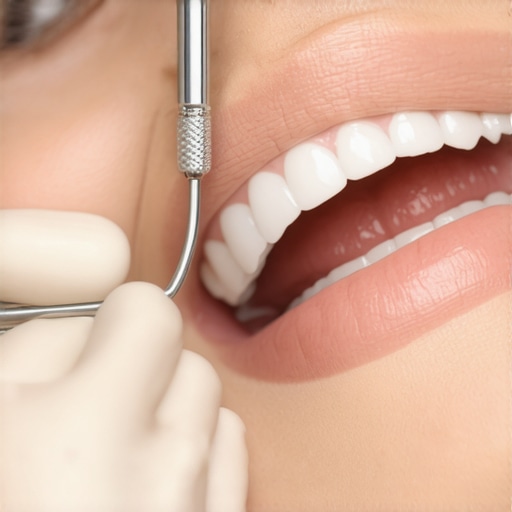
I remember the exact moment I realized my diligent brushing and flossing weren’t enough. It was after a routine checkup when my dentist gently pointed out those stubborn deposits lurking beneath my gumline—calculus, also known as tartar—that I couldn’t brush away no matter how hard I tried. That lightbulb moment, as unglamorous as it sounds, made me question my oral hygiene routine and led me down the path of discovering why professional cleanings are so crucial.
Why Does My Dentist Keep Reminding Me About Professional Cleanings?
If you’ve ever wondered why your dentist insists on regular professional cleanings even when you’re meticulous about brushing and flossing, you’re not alone. It’s a common misconception that daily brushing alone can handle everything. But the truth is, there’s a sticky, mineralized substance called calculus that forms when plaque is left untouched long enough to harden. Unlike plaque—which you can usually remove with regular brushing—calculus stubbornly clings to your teeth, especially in those hard-to-reach areas.
What’s worse, calculus isn’t just a cosmetic nuisance. It’s a real threat to your oral health, fueling gum disease and even contributing to decay beneath crowns and fillings. That’s why, in my early days, I used to ignore the dentist’s warnings, thinking I was doing enough. But I learned the hard way—mistake number one was assuming brushing could tackle everything. Since then, I’ve made it a point to embrace professional cleanings as an essential part of my routine. You might find, like I did, that the benefits extend beyond a sparkling smile—improving overall wellness, too.
Can I Do Anything to Remove Calculus at Home?
This is a common question, especially for those who fear over-treatment or cost. The short answer: no. Once calculus has formed, only a dental professional can effectively remove it using specialized tools. Attempting DIY methods, such as scraping or using harsh abrasives, can damage your enamel and gums, doing more harm than good. A surprising fact from the experts indicates that neglecting professional cleaning can lead to more serious issues, including gum inflammation and even periodontal disease. If you’re curious about maintaining your crowns and preventing nasty buildup, I recommend checking out tips for maintaining your dental crowns.
Have you experienced stubborn tartar that just refuses to budge despite your best efforts at home? If so, you’re not alone. The good news is, understanding the importance of regular professional cleanings can help you stay ahead of these issues before they escalate. Up next, I’ll share some practical advice on how to keep your teeth healthier and your smile brighter between visits—because prevention is always better than cure.
Target Your Brushing Strategies with Precision
Begin by choosing a toothbrush with soft bristles that mimic gentle bristle textures, much like a paintbrush that glides smoothly over a canvas. I vividly recall my attempt to clean stubborn plaque with a toothbrush too hard, resulting in gum irritation. Instead, I adopted a technique where I hold the brush at a 45-degree angle to my gumline, using small circular motions to effectively dislodge debris without damaging tissue. Leveraging an electric toothbrush with a timer can ensure consistent brushing for at least two minutes, covering all surfaces—all in the same way a sculptor meticulously chisels away excess material for a clean finish.
Floss Effectively to Disrupt Hidden Plaque
Flossing isn’t just about poking between teeth; it’s about disrupting plaque that’s hiding just beneath the gumline. I once struggled with floss that shredded easily until I learned to gently curve the floss around each tooth in a C-shape, sliding it beneath the gum margin to remove accumulated bacteria. Using unwaxed floss can reduce tearing and allow smoother passage into tight spaces. Remember, flossing should be a gentle massage rather than a harsh scrape—imagine polishing a delicate surface rather than scraping paint off.
Incorporate Mouthwash Smartly for Extra Defense
Mouthwash can act as a reinforcement, much like a sealing coat on wood. Choose an antiseptic with fluoride to help combat residual bacteria and strengthen tooth enamel. I personally find that swishing for 30 seconds, with a focus on those hard-to-reach areas, enhances overall freshness and reduces lingering bacteria. Be cautious not to overuse mouthwash, as excessive rinsing may disrupt the natural balance of your oral microbiome—a bit like over-sterilizing before the paint dries, leading to unintended consequences.
Smart Choices in Diet to Bolster Oral Health
Nutrition plays a pivotal role. Eating crunchy vegetables like carrots and celery acts as natural toothbrushes, gently scrubbing plaque away as I munch, much like a toothbrush’s bristles. Limiting sugary snacks prevents sugar from feeding harmful bacteria, which thrive and produce acid as fuel—creating tiny, acid-induced holes in your teeth. Think of your mouth as a garden; nourishing it with wholesome foods ensures the healthy growth of your smile, while junk food acts like persistent weeds.
Schedule Regular Professional Cleanings with Purpose
Scheduling cleanings every six months isn’t arbitrary; it’s like servicing a car regularly to prevent breakdowns. During my recent visit, the hygienist used a scaling tool that acted like a tiny plow, scraping off stubborn tartar beneath my gumline. This process, known as professional removal, targets deposits unreachable by daily routines, akin to clearing out debris from a clogged drain. Consistent cleanings reduce the risk of gum disease and help maintain the longevity of your dental work—especially crowns—by preventing decay beneath and around them. For specific crown maintenance tips, I recommend reviewing tips for maintaining your dental crowns.
Enhance Your At-Home Routine Daily and Effectively
Implement a disciplined routine, much like a daily workout regime. Start and end your day with thorough brushing, flossing, and rinsing. Remember, consistency beats intensity—an easy routine practiced daily prevents the buildup that necessitates more invasive treatment. Personal experience has shown me that staying vigilant keeps my gums healthy and free of plaque buildup, reducing the need for frequent professional interventions. For targeted advice on oral routines, explore daily oral health routines.
Many individuals believe that regular brushing and flossing are enough to maintain optimal oral health, but this common assumption overlooks critical nuances. For example, people often think that brushing multiple times a day can completely prevent tartar buildup, yet professional cleanings are essential because only dental tools can safely and effectively remove hardened deposits. Relying solely on home care may lead to unnoticed tartar beneath the gums, which can cause localized inflammation or even periodontal disease if neglected. Additionally, there’s a widespread myth that crowns don’t require special attention; however, improper cleaning around crowns can lead to decay underneath or overhanging margins, jeopardizing their longevity. Understanding the subtle differences in how dental restorations respond to routine hygiene is vital for lasting results. Research indicates that neglecting these details increases the risk of future complications, emphasizing the importance of tailored cleaning strategies for crowns and other restorations. Also, many mistakenly believe that family dentistry is merely about routine checkups; but in truth, it involves comprehensive preventive care, personalized advice, and managing complex cases that require advanced expertise. For those with crowns or multiple restorations, visiting a dentist knowledgeable in these nuances—like those at maintenance tips for crowns—can prevent costly repairs. Remember, effective oral health is about more than just brushing; it’s about understanding these subtle yet crucial distinctions that can make all the difference in preserving your smile. Have you ever fallen into this trap? Let me know in the comments, and stay tuned for more expert insights to keep your dental care on point.
How Do I Keep My Dental Maintenance Effective Over Time?
Maintaining optimal oral health requires more than just visiting the dentist regularly; it involves equipping yourself with the right tools and adopting smart routines that stand the test of time. I personally swear by using an ultrasonic toothbrush, like the Sonicare DiamondClean, because its sonic technology creates a dynamic fluid action that effectively disrupts plaque—even in hard-to-reach areas—something manual brushes can’t match. Additionally, incorporating a water flosser such as the Waterpik Ultra can significantly enhance interdental cleaning, especially around crowns, where traditional flossing may struggle to remove stubborn debris.
Investing in high-quality dental mirrors with LED illumination can help you spot early signs of plaque buildup or inflammation at home, much like a behind-the-scenes diagnostic tool. For long-term results, I recommend sticking to electric tools that provide consistent, gentle, yet effective cleaning, reducing the risk of gum recession or enamel erosion caused by aggressive brushing.
Moreover, utilizing software like MySmileMate allows me to track my oral health progress over months, setting reminders for routine care and professional cleanings. Staying ahead of potential issues is crucial, especially if you have crowns or other restorations—regular monitoring with insight from these apps complements professional assessments and helps prevent decay beneath crowns, as emphasized in this guide to crown maintenance.
Future Trends in Dental Tools
The future points towards smart toothbrushes integrated with AI, capable of analyzing your brushing technique and alerting you to missed spots in real-time. This personalization, combined with tele-dentistry applications for remote monitoring, is set to make long-term oral health management more proactive and tailored. Embracing these innovations now can give you a head start on maintaining a brighter, healthier smile for years to come.
Don’t forget, consistency is key. Try incorporating a high-tech electric toothbrush or a smart app that syncs with your routine, and notice how it transforms your daily dental care. For more personalized strategies, consult with your dental professional or explore our expert advice on crowns and cleaning.
What I Wish a Dentist Had Told Me Years Ago
One of the most eye-opening lessons I learned was understanding that even the best brushing and flossing can’t remove all dental deposits. I used to think that diligent home care was enough, but discovering calculus beneath my gums taught me the importance of professional cleanings—it’s like a deep clean that home routines can’t replicate. That realization pushed me to embrace routine dental visits with open arms, knowing they protect my long-term smile.
Another insight was how crowns and restorations require special attention. I once ignored the subtle cues of roughness or discomfort around a crown, assuming it was normal. Later, I found out that improper cleaning around crowns could lead to decay and even the need for costly replacements. Now, I make it a point to follow specific care tips for crowns, including using dentist-recommended tools, to preserve their integrity for years.
Most surprisingly, I’ve learned that technology-enhanced tools like ultrasonic toothbrushes and water flossers do more than just clean—they actively prevent issues like gum recession and inflammation. Integrating these into my daily routine has significantly reduced my visits for gum disease or tartar buildup, showing me that investing in good tools pays off in health and confidence.
My Top Picks to Keep Smiles Bright and Healthy
To stay on top of my oral health, I rely on trusted resources such as expert advice for crowns and cleaning. This source consistently provides practical tips tailored for restorations, ensuring I don’t overlook vital maintenance. I also keep a copy of the latest research on dry mouth issues, which helps me combat common causes of decay and discomfort. Lastly, I trust my dentist’s personalized recommendations, especially for scheduling professional cleanings and checkups, that keep my smile resilient and bright for years to come.
Your Next Step to a Healthier Smile**
Remember, true dental health isn’t just about avoiding cavities—it’s about understanding your unique needs and combining professional care with smart home routines. Empower yourself with knowledge, leverage effective tools, and stay proactive. Your future self will thank you for the effort you put in today. If you’re ready to get serious about your oral health journey, consider consulting professionals who understand the nuances of crowns and family dentistry—your smile deserves that extra mile.
What is the most surprising thing you’ve learned about maintaining a healthy smile? Share your experience below—I’d love to hear how you’ve improved your dental routine!