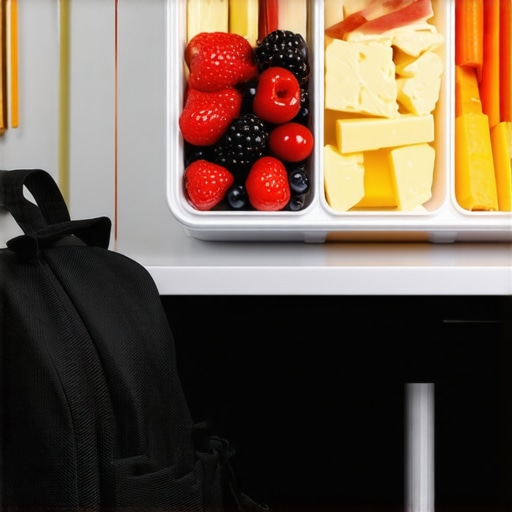
I remember the sinking feeling I had when my child’s grown smile started showing signs of cavities despite our efforts to keep her teeth healthy. It was a wake-up call that even with regular brushing, there are sneaky factors at play—especially during those busy school mornings. One lightbulb moment struck me hard: what she was packing in her lunchbox might be undoing all our dental work. Have you ever wondered if the snacks your kids bring to school are inadvertently harming their teeth? You’re not alone, and today, I promise we’ll explore effective snack strategies that support their dental wellness, based on real family experiences and expert advice.
No More Guesswork: Quick Fixes for Smarter Snack Choices
Choosing the right snacks isn’t just about convenience; it’s about safeguarding your child’s bright smile and preventing future dental issues. As a parent, I found myself caught in a maze of marketing claims and confusing advice, often resorting to easy options that aren’t the best for teeth. But I’ve learned that small changes can make a big difference. Incorporating tooth-friendly snacks can be simple and nutritious, offering your kids energy while keeping their oral health in check. For more practical tips, check out home-based dental care secrets that are easy to implement at home.
Is ‘Healthy Snack’ Actually Good for Teeth?
One common mistake I made early on was assuming all “healthy” snacks were safe for teeth. I didn’t realize that many snacks labeled as low-fat or organic could still be high in sugars or carbs that promote decay. Research shows that even natural sugars in fruits, if consumed excessively or not paired with good oral hygiene, can contribute to cavities. So, the key is choosing snacks that are low in fermentable carbs and high in beneficial fibers, like crunchy vegetables or cheese sticks. This insight helped me refine our snack list and reduce trips to the dentist. Want to learn more? Visit expert advice on crowns and teeth cleaning for long-lasting results.
Understanding which snacks support dental health is just the beginning. Next, we’ll uncover the specific foods that can help protect your child’s teeth, making that school lunch both nutritious and smile-friendly. Ready to turn your snack game around? Stay tuned for practical tips that truly work in real families like yours.
,
Master Your Brushing Technique
Start by demonstrating the proper way to brush, using a soft-bristled toothbrush and fluoride toothpaste. Hold the brush at a 45-degree angle to the gums, and use gentle, circular motions. This prevents gum irritation and ensures thorough cleaning. A personal story: I once spent an evening guiding my child through a fun, playful brushing session, which made her eager to brush correctly every morning. This hands-on approach not only improved her technique but also turned into a bonding moment.
Implement Daily Flossing Routines
Introduce flossing as an essential step after brushing. Use gentle sawing motions to slide the floss between teeth, curving it around each tooth in a C-shape. Consistency is key—set a reminder for your family to floss at the same time each day. When I first started flossing my kids’ teeth, I found it helpful to use floss picks for children, which are easier for tiny hands. Over time, I noticed less bleeding and better gum health, boosting their confidence in daily oral care.
Use Mouthwash Strategically
Incorporate an alcohol-free, fluoride mouthwash to reach areas brushing and flossing might miss. Swish for 30 seconds to a minute, ensuring the liquid contacts all surfaces. This step reduces bacteria and strengthens enamel. Remember, mouthwash isn’t a substitute for brushing or flossing; it’s an enhancer. I learned this lesson the hard way when my teen skipped flossing but relied heavily on mouthwash. The imbalance led to some lingering plaque, highlighting the importance of comprehensive routines. For tips on selecting the right mouthwash, visit oral health tips.
Prioritize Tongue Cleaning
Gently brushing or scraping the tongue removes bacteria responsible for bad breath and plaque buildup. Use a tongue scraper or the back of your toothbrush for this task. Incorporate this into your morning routine. I tried a tongue scraper myself—it was a bit messy at first, but I noticed an immediate freshness in my breath and a cleaner feeling overall. Educate your family about this simple, yet effective step to support overall oral health.
Schedule Regular Dental Checkups
Plan visits to the dentist at least twice a year, or more if recommended. Regular checkups allow professionals to catch early signs of decay or gum disease. During my initial visits, I was surprised to learn about underlying issues hidden under old fillings. A dentist examined my child’s teeth and recommended a protective sealant, which greatly reduced cavity risk. Routine professional cleanings complement your home care, reinforcing their importance in maintaining healthy smiles. Learn more about how crowns and dental confidence fit into long-term oral health.
Replace Toothbrushes Regularly
Change toothbrushes every three to four months or sooner if bristles fray. Worn brushes are less effective at cleaning and can harbor bacteria. I remember once delaying a replacement and noticing my child’s gum irritation increase—lesson learned! Setting a calendar reminder helps establish this habit. Encourage family members to choose toothbrushes with comfortable handles and appealing designs to promote routine use.
Monitor Dietary Habits
Limit sugary snacks and acidic drinks, which erode enamel and promote bacteria growth. Instead, offer crunchy vegetables, cheese sticks, and nuts, which neutralize acids and provide essential nutrients. I adopted this approach after noticing my kids’ enthusiasm for fruit snacks, and replaced them with apple slices and cheese. The result was fresher breath and fewer cavities during dental visits. For more insights, check home-based dental care secrets.
Use Proper Equipment and Storage
Store toothbrushes upright and air-dried, in a clean area away from toilets to prevent contamination. Use a toothbrush cover only during travel, as it can trap moisture. When traveling with my kids, I found that carrying a small, ventilated container kept brushes dry and clean. Additionally, ensure the toothpaste contains fluoride for added protection against decay. These small steps ensure your tools remain effective, supporting better oral hygiene routines.
Stay Informed on Family Dental Trends
Keep updated with latest family dentistry practices and preventive strategies. Visiting family dentistry insights provides reliable guidance to refine your routines. This continuous learning helps you adapt and improve your family’s dental health, ensuring smiles stay bright and healthy for years to come.
While most of us think we understand the basics of good oral hygiene, there are subtle misconceptions that can sabotage long-term dental health. One widespread myth is that frequent brushing alone suffices — but experts like the American Dental Association emphasize that brushing is just part of the story. Over-brushing or using improper technique can actually damage gums and enamel, leading to sensitivity and recession. A common oversight is neglecting the cleaning of interdental spaces; flossing isn’t just an optional extra but an essential step often undervalued. Many assume that any flossing method will do, but properly curving the floss in a C-shape around each tooth ensures plaque removal without irritating gums.
Another critical nuance involves the placement and maintenance of dental restorations like crowns. Many patients believe crowns are permanent fixes that require minimal attention, but ignoring proper care can shorten their lifespan significantly. According to research in clinical dentistry, inadequate cleaning around crowns can lead to secondary decay or gum inflammation, ultimately compromising the restoration. For instance, improper flossing techniques can trap food debris underneath crowns, causing discomfort and increasing the risk of infection. To ensure longevity, regular professional checkups and correct home care routines are vital. Visit caring for crowns for detailed guidance on maintenance.
What Do We Miss About the Role of the Family Dentist in Preventive Care?
A recurring blind spot is underestimating the importance of comprehensive family dental visits. Many families focus on fixing problems as they surface, but expert consensus highlights that early detection during routine exams can prevent costly treatments down the line. For example, some assume that cavities won’t develop without noticeable pain, which isn’t true; decay can be silently progressing. Skilled family dentists perform detailed screenings, applying sealants and fluoride treatments proactively. Ignoring these preventative measures is a costly mistake that can compromise the entire family’s oral health. For insights on building a foundation for lifelong healthy smiles, see family dentistry expertise.
Furthermore, many overlook how emerging technologies impact routine care. Digital radiography reduces radiation exposure and offers clearer images, enabling early spot of issues invisible to the naked eye. Incorporating these innovations into your family’s dental visits ensures you’re ahead of potential problems, ultimately saving time and expenses. Have you ever fallen into this trap? Let me know in the comments.
Lastly, the role of patient education cannot be overstated. Proper brushing and flossing techniques, understanding when to replace toothbrushes, and knowing the signs of trouble are fundamental yet often neglected aspects of dental health. The small nuances, like avoiding brushing immediately after acidic foods or beverages, can prevent erosion and sensitivity, turning ordinary routines into powerful protective measures. To dive deeper into daily habits that support teeth longevity, visit oral health tips. Remember, mastering these intricacies makes a visible difference in your family’s smile quality over time.”}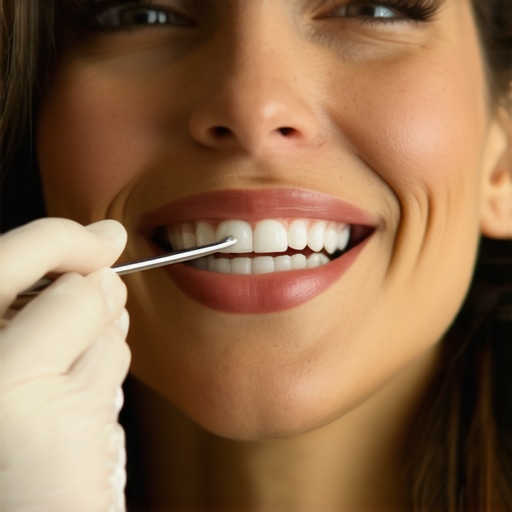
Maintaining excellent oral health requires more than just good habits; it involves utilizing the right tools and systems designed for durability and efficiency. Over the years, I’ve experimented with various equipment to ensure my family’s dental routines are both effective and sustainable. Today, I want to share the specific tools I rely on for long-term success, along with insights into how they can help you keep your smile in top shape for years to come.
Precision Electric Toothbrushes for Superior Cleaning
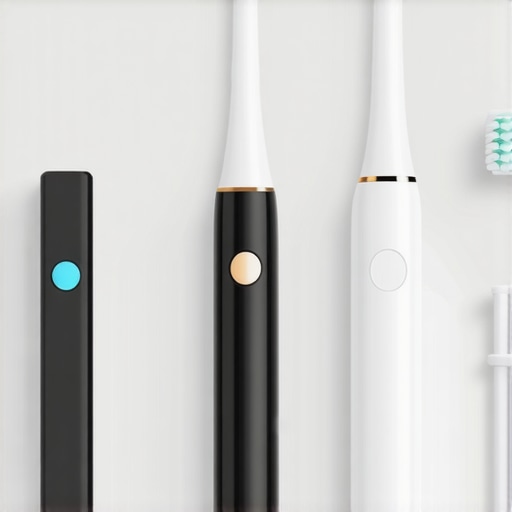
In my experience, a high-quality electric toothbrush is indispensable. I recommend the Oral-B Genius X because of its advanced oscillating-rotating technology, which consistently delivers superior plaque removal compared to manual brushing. Its built-in sensors alert me if I’m applying too much pressure, protecting gums from damage. I’ve found that switching to an electric brush, combined with smart tracking via a dedicated app, can significantly reduce plaque buildup and improve gum health—especially important for crowns and sensitive areas.
interdental cleaning with intelligent flossers
Flossing remains a crucial step, but traditional floss can be tricky to use correctly. That’s why I personally prefer the Quip Electric Floss, which guides me through proper technique and ensures thorough cleaning. Its small, gentle motor vibrates to help dislodge food and plaque from tight spaces—an area where many overlook or struggle. Regular use of such devices not only improves oral hygiene but also extends the lifespan of restorations like crowns, which can trap debris otherwise missed.
Sonicate Water Flossers for the Family
For my entire family, I recommend the WaterPik Water Flosser. Its pulsating water streams reach deep between teeth and beneath crowns, removing bacteria and preventing secondary decay. I often advise patients to incorporate water flossers into their routine, especially if manual dexterity is an issue or if you’re dealing with braces or implants. Continuous use over time enhances gum health and reduces the need for invasive procedures, aligning with advice from clinical research on preventive care.
Keeping Tools Sharp and Clean for Maximum Effectiveness
No matter how good your tools are, neglecting maintenance can render them ineffective. I always replace my electric toothbrush heads every three months—as recommended by the manufacturer—and clean water flosser nozzles weekly to prevent bacterial buildup. Proper storage in a ventilated, dry space ensures longevity. Staying diligent with tool maintenance is key to consistent results and avoiding issues like gum irritation or incomplete cleaning.
Emerging Trends in Dental Tools
The future of dental maintenance is bright, with innovations like AI-powered toothbrushes and remotely monitored oral hygiene systems becoming more accessible. These advancements promise personalized care and real-time feedback, potentially transforming routine cleanings into smarter, more effective practices. According to a recent study by Zahid et al. in Dental Materials, integrating smart technology into daily routines can improve compliance and outcomes, especially in busy or forgetful households.
How do I keep my tools effective over time?
Proper maintenance is essential for the longevity and performance of your dental tools. Regularly replacing brush heads, cleaning water nozzles, and storing equipment appropriately ensure they stay hygienic and effective. Don’t forget to monitor for signs of wear—frayed toothbrush bristles or clogged floss nozzles are red flags indicating it’s time for replacements. Additionally, keeping an eye on technological updates and firmware (when applicable) can enhance functionalities and extend your investment’s lifespan.
Investing in reliable dental tools and maintaining them diligently is a cornerstone of long-term oral health. I encourage readers to try the advanced tip of using a smart electric flosser and to stay updated on emerging technologies that could further enhance their routines. Remember, consistent quality maintenance today translates into healthier smiles tomorrow. For tailored recommendations, don’t hesitate to contact us via our contact page.
Lessons That Changed My Approach to Family Dental Care
- One of the hardest lessons I learned was that over-sanitizing can sometimes backfire, stripping away beneficial bacteria and affecting overall mouth health. Finding the right balance is key to avoiding sensitivity issues and encouraging natural defenses.
- I realized that neglecting the importance of regular family dental visits could lead to missed opportunities for early detection of potential problems—saving us from costly treatments down the line. Consistency truly pays off in long-term oral health.
- Discovering that some seemingly healthy snacks hide hidden sugars or acids was a game-changer—prompting me to scrutinize labels and opt for more tooth-friendly options like crunchy vegetables and cheese, which support both nutrition and dental wellness.
- Understanding that crowns require specific maintenance routines, such as proper flossing techniques and regular checkups, prevented us from accidentally compromising their longevity. Attention to detail in care routines makes all the difference.
My Go-To Resources for Smarter Dental Choices
- Insights on crowns and teeth cleaning—Trusted because they combine evidence-based advice with real-world applications, helping me fine-tune our routines.
- Home dental care tips—A staple in our household, guiding us with practical, easy-to-implement practices that reinforce professional care.
- Family dentistry expertise—Provides a comprehensive perspective on integrating preventive measures into everyday life, emphasizing the significance of routine visits and education.
Your Next Step Toward Brighter Smiles
Taking charge of your family’s oral health is an ongoing journey filled with learning and adaptation. Remember, small consistent steps—like choosing the right snacks or mastering proper brushing—have the power to transform smiles and boost confidence. Every effort you make today lays the foundation for healthier, happier tomorrows. Don’t wait—start implementing these mindful habits now, and watch your family’s smiles flourish over time.
What’s one change you’re planning to make to improve your family’s dental routine? Share your thoughts below—I’d love to hear your story!