
Ever had that frustrating moment in front of the mirror, only to realize your teeth don’t look as bright as you’d hoped, even after using whitening products? I used to think consistency was enough—morning or night, I’d swipe on those strips and hope for the best. But no matter what, my smile just wasn’t shining as much as I wanted. It was a lightbulb moment when I realized I might’ve been missing a crucial detail: the timing of when I whitened mattered more than I thought.
Why Timing Could Be Sabotaging Your Whitening Efforts
It turns out that the time of day you choose to whiten your teeth can significantly impact the effectiveness of your treatment. I learned this the hard way, repeatedly seeing minimal results despite diligent use. The key lies in understanding your oral environment—pH levels, saliva production, and your routine—all of which fluctuate throughout the day and influence how well whitening agents work. For instance, whitening treatments are more effective when your mouth is less acidic, which typically occurs a few hours after a meal, especially when you avoid foods and drinks that stain or dull enamel.
Is Your Routine Doing More Harm Than Good?
Early on, I made the mistake of whitening immediately after breakfast, not realizing that the leftover acids from coffee or citrus could neutralize the bleaching agents. Research indicates that whitening immediately after consuming stain-causing foods reduces efficacy and may even cause sensitivity. That’s why strategic timing is essential—wait a couple of hours after eating or drinking staining substances to give your mouth a chance to restore neutral pH levels. If you’re serious about maximizing your whitening efforts, I’ll show you exactly when and how to do it in upcoming tips.
If you’ve ever wondered whether there’s a smarter way to schedule your whitening sessions, you’re not alone. I’ve tested different timings myself, and the difference was remarkable. Before diving into the how-to, let’s address a common skepticism I had early on: “Is timing really that important?” Spoiler alert—yes, and I’ll tell you why that change in your routine could make or break the results.
Pinpoint Your Optimal Whitening Window
Choose a time when your mouth’s pH levels are naturally more neutral, typically a few hours after a meal. Wait at least two hours after consuming staining foods or drinks, like coffee or citrus, before applying whitening products. During this window, saliva flow is higher, helping to neutralize acids and prepare your teeth for bleaching. I once scheduled my whitening right after breakfast and noticed little difference; shifting it to mid-morning improved my results significantly.
Prepare Your Oral Environment for Maximum Effectiveness
Brush with Care
Before whitening, brush gently using a fluoride toothpaste to remove plaque and surface stains, ensuring the bleach can work directly on enamel. Avoid aggressive scrubbing which can irritate gums or damage enamel, similar to cleaning delicate glassware carefully. I learned this by rushing straight into whitening after a vigorous brush—my teeth felt sensitive afterward. A gentle brush makes all the difference. For best practices, see this guide.
Flush Out Stains with Water
Rinse your mouth thoroughly after meals to reduce acid and stain buildup. This prepares your teeth for whitening by maintaining a neutral environment. During a busy morning, I used plain water to rinse quickly, which proved more effective than waiting until later. Consistent rinsing helps maintain optimal pH levels and enhances the whitening results.
Apply Whitening Products Strategically
Follow the manufacturer’s instructions carefully, ensuring you apply the treatment evenly. Use a light, circular motion with the applicator to cover all surfaces of your teeth, much like polishing a gemstone. Avoid overusing the product; more isn’t better. During my own trial, I initially applied excess, leading to sensitivity. Rinsing excess product and adhering strictly to guidelines yielded brighter, longer-lasting results. For deeper insights, check this article.
Maintain Your Whitening Gains
Post-treatment, steer clear of staining foods and beverages for several hours to lock in the whitening effect. Incorporate good oral hygiene habits—brushing twice daily, flossing, and regular cleanings—to protect your smile’s brightness. I found that following a consistent routine immediately after whitening preserved the brightness longer. For comprehensive tips, visit this resource.
Monitor and Adjust Your Routine
Keep track of your results and adjust timing if you notice sensitivity or less-than-desired brightness. If sensitivity occurs, pause whitening for a few days and use desensitizing toothpaste, like the one detailed here. Consistent observation allows you to refine your schedule, ensuring safety and efficacy. I personally kept a simple log and found that evening whitening wasn’t effective due to saliva stagnation, so shifting to midday worked better.
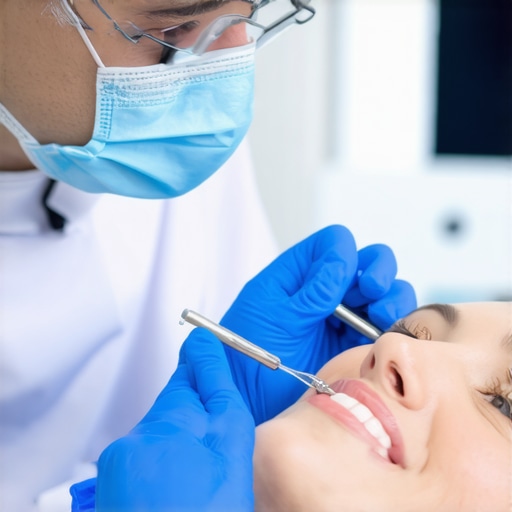 When it comes to oral health, many people rely on popular myths that can actually do more harm than good. For instance, the belief that frequent teeth cleaning alone guarantees a healthy smile overlooks critical nuances. As a dental enthusiast and practitioner, I’ve seen countless patients fall into traps that diminish their oral health outcomes. Let’s explore some misconceptions and advanced mistakes that are often overlooked.
Myth: Brushing Harder Cleans Better
Many think that aggressive brushing removes more plaque, but this logic is flawed. Excessive force can damage enamel and gum tissue, leading to recession and increased sensitivity. The key is proper technique: gentle, circular motions with a soft-bristled brush are more effective and safer. For detailed guidance, visit this resource. Over time, neglecting this nuance can cause more harm than good.
Common Mistake: Over-Reliance on Manual Cleaning Devices
While manual brushes are widely used, many underestimate the benefits of electric toothbrushes with oscillating-rotating technology. These devices often provide superior plaque removal, especially in hard-to-reach areas, reducing the risk of periodontal issues. However, some users make the mistake of neglecting regular replacement and improper technique, which diminishes their effectiveness. Consistent, correct use can significantly improve your oral health, as endorsed by research in the impact of routine cleaning.
What Advanced Readers Must Know About Crowns and Long-Term Care
Many believe once a crown is placed, it can be ignored in daily hygiene routines. But neglecting the nuances of crown care can lead to failure or secondary decay. For example, failing to use appropriate flossing techniques around crowns can trap debris, causing decay at the margins. Regular check-ups and proper cleaning, including tools like interdental brushes, are essential for longevity. Dive into this article for comprehensive tips on crown maintenance.
Overlooking Family Dentistry’s Complexities
Many think family dentistry is just about routine cleanings for everyone. In reality, it involves understanding the nuances of different age groups, dietary habits, and genetic factors. For instance, early intervention with preventive measures can avert more complex procedures later. Moreover, tailored advice for children’s evolving oral structures or seniors’ increased vulnerability is crucial. Visiting this page can deepen your understanding of comprehensive family dental care.
Let’s not forget that beneath the surface of daily routines lie critical details that many overlook. Recognizing these nuances can transform your oral health from mediocre to excellent. Have you ever fallen into this trap? Let me know in the comments.
Maintaining your oral health over time requires more than just good habits; it demands the right tools and a strategic approach. I personally rely on a combination of advanced technology and proven methods to ensure my routine remains effective and efficient. One tool I swear by is the Philips Sonicare ProtectiveClean 6100. Its sonic technology provides gentle yet thorough cleaning, reaching into hard-to-access areas and removing plaque more effectively than manual brushing. Plus, its integrated timer ensures I brush for the recommended two minutes, promoting consistency and adherence to best practices.
For detailed guidance on maximizing crown longevity, I always consult this resource. It emphasizes the importance of using interdental brushes, which I’ve found invaluable for cleaning around crowns and bridges without risking damage. The Proxabrush Goldinterdental Brushes are my preferred choice—they come in various sizes and are gentle yet effective at removing plaque from tight spaces.
In addition to physical tools, I leverage specialized software to monitor my oral health progress. For instance, this routine guide suggests keeping a dental log or using apps that prompt reminders for flossing and checkups. These digital aids help me stay consistent, especially during busy weeks.
Prediction-wise, the future of oral health tools points toward AI-enhanced diagnostics and personalized care plans. As technology continues to evolve, I anticipate devices that assess your oral microbiome or detect early signs of issues, allowing for even more targeted interventions.
How do I maintain tools and techniques for lasting results?
Regular replacement and maintenance are key. For example, I replace my sonic brush head every three months to prevent bacterial buildup and ensure optimal performance. Similarly, cleaning my interdental brushes after each use prolongs their effectiveness. Always store your tools in a dry, clean space, and check manufacturer guidelines for longevity tips. Integrating routine check-ins with your dentist also helps ensure your tools are working as intended and your treatment plans stay on track.
Don’t hesitate to try a new high-quality brush or accessory—small upgrades can significantly impact your long-term results. For instance, switching to a guided whitening kit or investing in a water flosser like the Waterpik Aquarius can make daily care more thorough and less time-consuming. These methods have made a tangible difference in extending the benefits of my oral health routine.
Stay ahead with the latest advancements—your smile is worth it! And remember, employing the right tools combined with consistent habits isn’t just about appearance; it’s about building a foundation for lifelong health. For more insights on maintaining your crowns and achieving lasting results, check this expert guide.
Lessons from My Biggest Slip-Ups in Dental Care
One of the hardest lessons I learned was the danger of rushing to whiten my teeth right after consuming acidic or staining foods. It seemed logical at the time—quick results, fast routine—but I underestimated how crucial timing and pH balance are. That mistake taught me the value of patience and strategic scheduling, which transformed my results. Similarly, I once believed that more whitening product meant faster whitening; instead, I experienced sensitivity and damage—proof that moderation and following instructions are vital for healthy, lasting results. Lastly, neglecting proper maintenance of dental tools, like replacing brush heads or cleaning interdental brushes regularly, seemed trivial but actually impacted the effectiveness of my oral hygiene routine, emphasizing that consistency in tool care is just as important as the routine itself.
Tools and Resources That Elevated My Journey
To truly optimize my oral health, I rely on a curated toolkit. The Proxabrush Gold interdental brushes have been indispensable for cleaning around crowns without damaging them, ensuring longevity. I also swear by the Teeth Cleaning Secrets guide, which offers expert tips on maintaining daily routine effectiveness. For data-driven insights, I use oral health apps that track my habits and remind me to schedule regular checkups, making my journey both manageable and proactive. These resources have made a real difference in my confidence and results, and I recommend them for anyone serious about lasting oral health improvements.
Smile Bright, Live Confident—Your Next Step Awaits
Your commitment to understanding the nuances of teeth whitening, crowns, and family dentistry can truly change your smile’s story. Remember, small improvements compounded over time yield extraordinary results. Whether you’re adjusting timing, investing in better tools, or simply staying consistent, each step is a move toward a healthier, more radiant smile. Don’t let misconceptions hold you back—your best smile is just around the corner, waiting for you to claim it. Now’s the perfect opportunity to take action; start today, and watch your confidence soar.
What’s one change you’re planning to make in your oral care routine based on what you’ve read? Share your plans below—I’d love to hear your story!