I remember the vivid moment when I looked into the mirror after a routine teeth cleaning and noticed a small crack in my molar—something I hardly paid attention to until it caused persistent discomfort. That lightbulb moment made me realize how crucial it is to consider not just fixing a problem, but choosing the right solution. For many people, a large filling seems like an easy fix at first, but over time, I learned that opting for a dental crown can be the smarter, more durable choice. If you’ve ever felt unsure whether a large filling is enough or if you should consider a crown, you’re not alone. Today, we’re going to explore why, especially for molars, a crown often beats a large filling in the long run.
The Overlooked Power of a Stronger, Lasting Solution
When dealing with molars—those back teeth that do the heavy lifting during chewing—strength and durability are everything. A large filling might seem quick and cost-effective initially, but it often doesn’t hold up against the forces of biting and grinding. I used to think that as long as the filling restored my tooth, I was good to go. However, I soon discovered that large fillings can weaken the remaining tooth structure and increase the risk of future fractures. That’s when I started learning about dental crowns, which act like a sturdy cap over the tooth, offering protection and longevity. Studies show that crowns significantly reduce the risk of tooth fracture compared to large fillings alone, making them a wise investment in your oral health. If you’re curious about how crowns fit into modern smile makeovers, check out this helpful guide.
Will a Crown Save Me Money in the Long Run?
Many worry about the upfront cost, but the reality is that a crown can be more economical over time. Large fillings have a tendency to need replacements or repairs sooner, especially if the tooth gets weakened or cracks. I made the mistake early on of ignoring small signs of wear, which ended up costing me more in the long run. Choosing a crown now could prevent larger, more expensive procedures later. Plus, a crown’s durability means less frequent visits and fewer worries about future damage, letting you enjoy your meals—and your smile—without second-guessing.
The Biggest Sneak Peek into Your Dental Future
When contemplating your options, ask yourself: How much will I have to spend and suffer later if I don’t invest in a stronger solution now? The good news is that modern crowns are both beautiful and functional, seamlessly restoring your molar’s strength and appearance. To learn more about how crowns can positively impact your confidence and oral health, visit this article. But first, let’s examine the common fears and doubts many people have about crowns—things I wish I knew before making my choice.
Prepare Your Teeth and Understand Your Options
Start by consulting with your dentist to assess the extent of your molar damage. Use visual aids or models to grasp how a crown will fit and function, similar to comparing different types of shoe soles for durability and comfort. During your visit, ask specific questions about crown materials, costs, and expected longevity, making sure you understand each choice’s pros and cons. My own experience began with discussing options and reviewing images of various crown types, which helped me feel confident in my decision.
Maintain Proper Oral Hygiene Leading Up to the Procedure
Prior to the appointment, brush and floss thoroughly, paying special attention to the area around the affected tooth. Use an interdental brush or floss threader to ensure no plaque or debris interfere with the procedure. I learned that cleaning the area well reduces the risk of infection and helps the dentist work more efficiently. For example, I followed a detailed home cleaning routine that contributed to a smoother procedure.
Executing the Crown Placement
During the procedure, the dentist will numb the area thoroughly—think of it as preparing a sandbox before building sandcastles. They will then reshape the tooth, removing decay and preparing it for the crown, akin to trimming a tree before installing a support. Make sure to communicate discomfort immediately; this step is crucial for comfort and precision. After preparing your tooth, the dentist takes an impression, which will guide the fabrication of your custom crown. I accidentally bit into the impression material too early, causing a slight delay, but the technician remade it promptly, emphasizing the importance of clear communication during this step.
Fitting and Securing the Final Crown
Once your crown is ready, your dentist will try it on to check fit and appearance, adjusting it as needed—like fitting a key into a lock to ensure perfect alignment. They will then cement it permanently using dental adhesive. Be cautious during the first few days; avoid sticky or hard foods to prevent dislodging or damaging your new crown. Afterward, diligently follow post-care guidelines, including regular brushing, flossing with the right flossing techniques, and routine checkups. I learned that proper maintenance is key; neglecting it could compromise the crown’s integrity over time, much like neglecting the foundation of a house.
Embed Images for Clarity
Incorporate a detailed diagram showing the steps of crown preparation, fitting, and final placement, which can significantly clarify the process for visual learners. 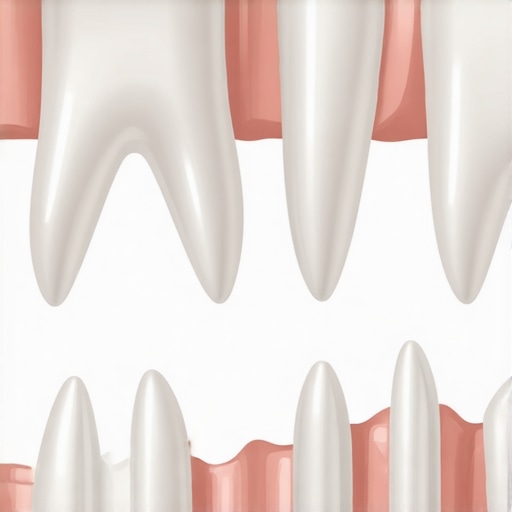
Even experienced dental patients often fall prey to misconceptions that can undermine their oral health. One pervasive myth is that brushing harder will clean teeth better; in reality, aggressive brushing damages enamel and gums, leading to sensitivity and recession. Instead, gentle, thorough cleaning with appropriate techniques is far more effective, as emphasized in studies on periodontal health. Another mistake is believing that whitening treatments can replace regular cleanings; professional cleanings remove plaque and tartar that over-the-counter products can’t address, preventing decay and gum disease in the long run. Many assume that flossing is optional if they brush regularly, but interdental cleaning helps remove debris between teeth, crucial for avoiding cavities and maintaining gum health. Uncovering these nuances between myths and facts can significantly impact your dental longevity. For instance, understanding that crowns require specific maintenance routines ensures they stay intact and functional longer—visit this guide for expert tips. Are you aware of the most common mistakes people make with their dental care? Have you ever fallen into this trap? Let me know in the comments.
Keeping It Working: Essential Tools for Long-Term Success
Maintaining your oral health, especially after getting a crown or managing family dentistry, hinges on using the right tools and adopting effective routines. I’ve personally found that investing in high-quality equipment not only simplifies daily care but also significantly extends the lifespan of restorations like crowns. The first critical item I swear by is a soft-bristled, ergonomic toothbrush. Brands like Sonicare or Oral-B provide oscillating-rotating heads that reach into hard-to-clean areas without damaging enamel or gum tissue. I choose a model with a timer to ensure I brush for at least two minutes, which studies indicate is optimal for plaque removal. Specialized floss is next—floss designed specifically for crowns, such as those with a textured, thin thread that effortlessly slides between teeth and around restorations, preventing plaque build-up that can compromise longevity. Additionally, I incorporate a dental water flosser like Waterpik, especially for crowns and braces, as it effectively dislodges debris without damaging delicate areas. Its adjustable pressure settings let me tailor the cleaning force, which is essential for sensitive gums and ensuring the durability of dental work.
Smart Devices for Better Monitoring
Recently, I introduced a smart toothbrush that connects to an app, providing real-time feedback on brushing technique and coverage. These devices, such as the Philips Sonicare DiamondCleanSmart, help me identify neglected spots and improve my routine consistently. Such technology is predicted to become a standard part of personal dental care, with emerging AI algorithms offering personalized tips based on individual habits—paving the way for even better long-term results. I believe in integrating these smart tools into daily routines because they act as dental assistants that keep you honest and proactive about your oral health.
How do I maintain oral health tools over time?
Proper maintenance of your toothbrush, flossers, and water flosser is crucial for sustained performance. Replace toothbrush heads every three months or sooner if bristles fray, as worn bristles are less effective at cleaning and can damage gums. Clean water reservoirs and nozzles weekly with disinfectant wipes or a vinegar solution to prevent bacterial buildup. For electric toothbrushes, follow manufacturer instructions—most recommend cleaning the handle and charging station regularly. These small steps ensure your tools remain effective, preventing plaque accumulation that could otherwise undermine crowns and family dental work. For more insights on caring for dental restorations, visit this detailed guide.
Scaling for Larger Smiles: Preparing for Growth
If you’re aiming to maintain a healthy smile for years to come, especially when managing multiple family members, consider investing in an ultrasonic scaler for professional cleanings. Regular visits with your dentist help remove tartar before it hardens, preserving the integrity of crowns and preventing gum disease. Additionally, integrating advanced tools like plaque detection dyes during professional cleanings can reveal hidden trouble spots, helping target future care sessions precisely. As technology advances, expect even more intelligent, minimally invasive devices to become part of routine maintenance, making long-term oral health more manageable than ever. Want to stay ahead? Try incorporating an electric toothbrush paired with a smart app, as it provides personalized feedback helping you stick to consistent, effective routines. For your next checkup, discuss with your dentist how these tools can fit into your ongoing oral health plan.
Remember, the key to lasting oral health isn’t just about one-time treatments but consistent, informed care. My personal routine, combined with these tools, has kept my crowns intact and my family smiling confidently. For more tailored advice, visit this expert resource and consider scheduling a consultation at our clinic. Your smile deserves nothing less.
Lessons Hidden in Plain Sight About Dental Care
- One of the biggest revelations for me was realizing that seemingly minor cracks or wear in molars can be silent indicators of future trouble, emphasizing the importance of early detection and intervention.
- I’ve learned that investing in a quality dental crown isn’t just about appearance—it’s about constructing a resilient safeguard that can save money and pain down the line, turning a temporary fix into a long-term asset.
- Discovering that my misconceptions about oral hygiene, such as overzealous brushing or neglecting flossing around crowns, could jeopardize my dental restorations has reshaped how I approach daily care with intention and knowledge.
- Understanding that modern crown materials and placement techniques have advanced dramatically gives me confidence that restoring a molar isn’t just functional, but can also look natural and feel comfortable, encouraging consistent maintenance.
Tools and Resources That Transformed My Smile Strategy
- Smart toothbrushes like the Philips Sonicare DiamondCleanSmart: Their real-time feedback helps me maintain proper technique, especially around delicate crowns, ensuring longevity and health.
- Specialized interdental floss and water flossers: These tools make cleaning around crowns seamless and effective, preventing plaque buildup that could compromise restorations or gums.
- Understanding the role of crowns through reputable guides like this article: They educated me about material choices, placement, and maintenance, empowering me to be proactive in my dental journey.
- Professional cleanings with advanced tools: Regular visits equipped with plaque detection dyes and ultrasonic scalers help me stay ahead of potential issues, safeguarding my investment in dental health.
Seize Your Dental Future Today
Achieving a confident, healthy smile isn’t just about the treatments you choose but embracing the mindset of ongoing care and awareness. By understanding when a crown might be the best long-term solution for your molar, you’re taking a proactive step toward lasting comfort and appearance. Remember, your oral health is a reflection of your overall well-being—so invest wisely, stay informed, and smile with pride. Ready to explore your options? Schedule a consultation with trusted experts through this link and start transforming your dental health today.