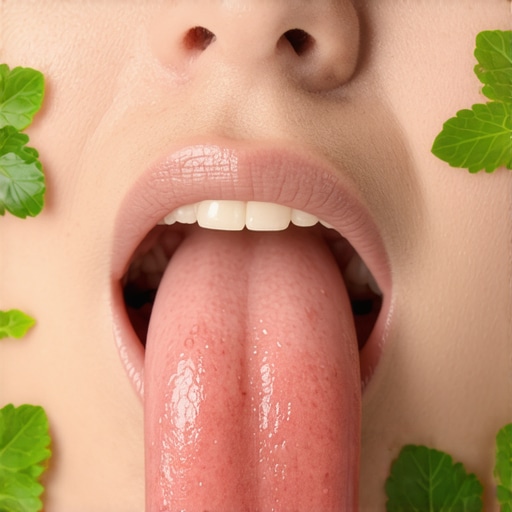
It was a morning like any other, but as I brushed my teeth and looked into the mirror, I noticed it—an unsettling, persistent white film on my tongue that hadn’t been there the day before. At first, I shrugged it off as nothing, maybe just the remnants of breakfast. But as the days went on, the film stuck around and even seemed to get thicker. I felt self-conscious, especially during work calls, worried that people might notice my bad breath or odd tongue appearance. It was a lightbulb moment for me—enough was enough.
Dealing with the White Film on Your Tongue: A Personal Journey and Solution
I used to believe that brushing my tongue vigorously was enough, but I soon learned that certain habits could make the problem worse. That’s when I dived into research, talked to my dentist, and experimented with natural remedies. What I discovered was that this common issue isn’t just about an unsightly appearance; it can be a sign of underlying health concerns or poor oral hygiene. And the good news? With some simple, natural tips, you can effectively get rid of that stubborn white film without resorting to harsh chemicals.
Is All Natural Really Effective for Removing Tongue Film?
Early on, I made the mistake of dismissing natural remedies as ineffective, relying solely on commercial mouthwashes that promised quick fixes. Turns out, they weren’t addressing the root cause. After some trial and error, I learned that gentle, natural approaches—like proper tongue cleaning and using familiar ingredients found in my kitchen—made a noticeable difference. Considering how much effort I’d wasted on over-the-counter options, I now know that natural methods are not only safe but often more effective in the long run, especially when combined with good oral hygiene practices. To deepen your understanding of maintaining a healthy smile, check out [Maintaining Your Dental Crowns](https://periodontistcare.com/maintaining-your-dental-crowns-dos-and-donts-for-best-results).
Have you faced this problem yourself? If so, don’t worry—you’re not alone, and there’s a practical, natural way to reclaim your fresh breath and healthy tongue. Let’s explore how you can do it without costly or potentially harmful products.
Start with Gentle Tongue Cleaning
Use a soft toothbrush or a dedicated tongue scraper to gently remove the white film. I remember the first time I tried this—they’re inexpensive and easy to find. I held the scraper at the back of my tongue and pulled forward with light pressure, avoiding the gag reflex. Do this every morning before brushing your teeth.
Choose the Right Tool
While a regular toothbrush works, a tongue scraper made of plastic or metal is more effective. Think of it like using a squeegee instead of just wiping with a cloth—it’s designed for the job. I bought one at my local pharmacy, and it made a noticeable difference within days.
Incorporate Natural Remedies
Rinsing with salt water is a simple, natural way to combat bacteria on the tongue, which often cause the film. Mix half a teaspoon of salt in a cup of warm water, swish for 30 seconds, then spit out. I added this step to my routine and noticed a reduction in the film and odor.
Use Baking Soda Wisely
Baking soda has a natural whitening and antimicrobial effect. I made a paste with a small amount of baking soda and water, then gently brushed my tongue. Be cautious not to overdo it—once or twice a week is enough to prevent irritation. Overuse can harm delicate tissue.
Stay Hydrated and Watch Your Diet
Dry mouth contributes to the buildup of bacteria and debris, so drinking plenty of water throughout the day is crucial. I kept a water bottle at my desk and sipped regularly. Additionally, reducing sugary snacks limits bacterial growth, helping keep my tongue cleaner longer.
Implement Consistent Oral Hygiene
Brush your teeth at least twice daily, making sure to cover all surfaces, including the tongue. Floss daily to remove food particles between teeth. Regularly replacing your toothbrush ensures effective cleaning—think of it as refreshing your cleaning tools, like how you refresh your family dentist visits for optimal care. For more tips on maintaining your smile, see oral health tips.
Monitor and Seek Professional Advice
If the white film persists despite these steps, it could be a sign of underlying issues like oral thrush or other health concerns. In such cases, consulting your dentist is essential. I scheduled an appointment after two weeks of persistent film, and my dentist provided tailored treatment options. Regular checkups help prevent minor issues from becoming serious, as explained in maintaining your dental health.
Many individuals believe that dental crowns are a one-size-fits-all solution for damaged teeth, but the reality is far more nuanced. A common misconception is that once a crown is placed, little maintenance is needed. However, proper care and understanding of crowns are crucial for long-term success. Overlooking the importance of avoiding certain habits, like grinding or clenching, can lead to premature wear or damage, which many assume is inevitable. It’s essential to recognize that crowns, while durable, are susceptible to issues if not appropriately managed.
A notable myth is that all white spots or discoloration around crowns indicate failure or decay. In truth, these changes can sometimes result from minor wear or staining and do not always necessitate replacement. An advanced mistake some make is neglecting regular check-ups to monitor crown integrity, which can escalate small problems into major complications.
Why Is Self-Diagnosing Crown Problems a Pitfall?
Many patients try to self-assess issues like sensitivity or discomfort, assuming they need a new crown or restoration. But, these symptoms can be signs of underlying problems such as nerve irritation or cement failure. Relying solely on visual cues can lead to unnecessary dental procedures or delayed treatments. An expert diagnosis is key, as highlighted by research from the American Dental Association, emphasizing that professional evaluation prevents costly mistakes.
Furthermore, some people underestimate the impact of dietary choices on crown longevity. Consuming extremely hard foods or neglecting oral hygiene can accelerate wear, which many overlook. Maintaining a meticulous oral health routine is not just about natural teeth; it directly influences the lifespan of crowns.
Have you ever fallen into this trap? Let me know in the comments.
Additionally, thinking crowns are purely aesthetic can be misleading. They serve vital functional roles, like restoring chewing ability and protecting remaining tooth structure. Ignoring signs of wear or damage may compromise oral health further. Remember, a crown is an investment in your smile and health, so understanding these hidden nuances can save you time and money. For comprehensive insights on maintaining crowns, see this guide.Maintaining your dental crowns and overall oral health requires the right tools and consistent practices. One of my go-to devices is a **water flosser**, specifically the **Philips Sonicare WetTips**. I prefer this over traditional floss because it easily navigates around crowns and bridges, removing plaque without damaging the restoration. I use mine daily, especially after meals, to ensure no food debris gets trapped—something that can accelerate wear or cause decay around crowns. According to a study published in the *Journal of Clinical Dentistry*, water flossers significantly reduce plaque buildup and improve gum health around dental restorations, making them an essential part of my routine.
Lessons That Changed My Approach to Crowns and Oral Wellness
One of the most eye-opening realizations was that maintaining dental crowns isn’t just about the crown itself but about nurturing the surrounding tissues and understanding the underlying health factors. I learned that ignoring minor discomfort or signs of wear can lead to bigger problems down the line, emphasizing the importance of early intervention. Additionally, I discovered that my daily habits—like consistent cleaning and mindful eating—play a crucial role in extending the lifespan of crowns and preserving overall oral health. Lastly, I realized that ongoing education and open communication with my dentist help me stay proactive, turning routines into investments in my long-term well-being.