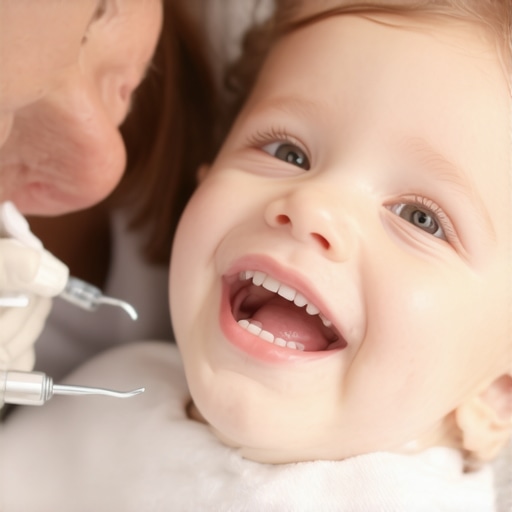
It hit me like a ton of bricks one morning—my child’s tiny teeth looked crooked, and I felt a surge of worry. As a parent, I had always thought primary teeth were just placeholders, and that orthodontic concerns could wait until adolescence. But that lightbulb moment made me realize how crucial it is to pay attention early. If you’re like I was, maybe you’re wondering: When should I consider an early orthodontic evaluation for my toddler? Let’s explore how to spot the signs before small issues turn into bigger problems.
Is Waiting Too Long Actually Risky?
The truth is, delaying an orthodontic assessment can lead to more complicated and costly treatments later. I once dismissed early signs of misalignment, thinking they would straighten out naturally. But I learned that early intervention can guide jaw growth and prevent bite issues down the line, saving both your child’s comfort and your wallet. According to the American Association of Orthodontists, kids should have an initial evaluation by age 7, which can seem premature but is often when subtle problems become evident. Avoid my mistake and recognize the importance of timely checks—your child’s future smile might depend on it. Curious about what specific signs to look for? Keep reading, because identifying these early indicators makes all the difference.
Master Your Daily Oral Care Routine
Start with brushing your teeth thoroughly twice a day using a soft-bristled toothbrush. Use gentle circular motions to clean all surfaces, including hard-to-reach areas. Remember, brushing too hard can damage your gums and enamel, so precision is key. I once rushed through my brushing, which led to gum irritation; slowing down and focusing on technique made a noticeable difference. Pair this with a fluoride toothpaste for added protection against decay, and don’t forget to replace your brush every three months for optimal cleaning.
Incorporate Flossing Effectively
Floss daily to remove plaque and food particles stuck between teeth where a brush can’t reach. Use about 18 inches of floss, wrapping it around your fingers, and gently slide between teeth, curving around each tooth in a C-shape. I remember a morning when I skipped flossing, and my gums felt sore the next day—a sign I missed cleaning some spots. Consistency is vital; consider floss picks if traditional floss feels cumbersome, but ensure you’re cleaning all sides of each tooth. For special cases like crowns or braces, specialized floss or interdental brushes can make the job easier.
Employ Effective Teeth Cleaning Tools
Electric toothbrushes offer superior plaque removal compared to manual ones, especially when used properly. I tried switching to an electric brush during a recent deep cleaning, and I noticed my teeth felt cleaner and smoother. Look for models with timers to ensure you brush long enough—two minutes is recommended. Incorporate mouthwash into your routine for fresh breath and additional antibacterial benefits, especially if you have issues with bad odor or gum inflammation. Remember, everyday tools are only as good as your technique, so learn proper usage from trusted sources, like our expert tips.
Protect Your Teeth During Meals
Be mindful of foods that can stain or erode enamel. Crunchy vegetables like carrots act as natural abrasives, helping clean teeth naturally — akin to using gentle scrubbers on delicate surfaces. Avoid sugary snacks and acidic drinks, which contribute to decay and sensitivity. If you indulge in treats, rinse your mouth with water afterward to wash away residue. Chewing sugar-free gum can stimulate saliva flow, acting as a natural defense against cavities. These small habits can make a big difference over time, preserving your smile’s brightness and health.
Schedule Regular Professional Cleanings
No matter how diligent you are at home, professional cleanings remove tartar buildup and address issues before they worsen. During my last cleaning, the hygienist used specialized tools to clean areas I missed, preventing potential gum disease. Aim for at least two visits annually, or more if recommended by your dentist. Regular checkups also provide an opportunity to discuss concerns about crowns, veneers, or other restorations, ensuring they stay in top condition. Keep your appointments on your calendar—your oral health depends on it. For comprehensive family care, consider the benefits of family dentistry.
Many people believe they understand dental crowns thoroughly, but in reality, common myths can lead to subpar care and unexpected issues. For example, a widespread misconception is that crowns are invincible, which isn’t true — improper maintenance or incorrect habits can significantly shorten their lifespan. Additionally, some assume that oral health routines are universally applicable, neglecting the nuanced needs of family members at different ages. In my experience, understanding these nuances directly impacts long-term oral health and smile confidence.
A critical mistake often overlooked is ignoring the importance of specialized cleaning techniques for restorations and crowns. Using regular floss might seem sufficient, but specialized flossing tools or interdental brushes are essential to prevent plaque buildup around crowns, which can cause decay or gum inflammation if neglected. Many individuals also overlook the importance of regular professional checkups; even with excellent home routines, professional cleanings and assessments are vital for catching early signs of wear or problems.
An advanced question worth considering is: how does occlusion impact the longevity of crowns and overall oral health? Poor bite alignment can exert uneven pressure on crowns, leading to cracks, chipping, or accelerated wear. Studies show that occlusal adjustments and bite analysis during routine visits can dramatically extend the life of restorative work and prevent secondary complications. To dive deeper into this, explore our detailed guide on how crowns can transform your confidence and learn the critical role of occlusion.
Here’s a quick warning: many people assume that once a crown is placed, minimal maintenance is required. This temptation can cause neglect of daily routines, leading to issues like staining, gum recession, or decay at the margins. Regular checkups and proper home care are non-negotiable. For comprehensive strategies, consider reviewing essential tips for caring for crowns.
Furthermore, misunderstandings about family dentistry can cause delayed treatments or overlooked problems in children and seniors. Many think dental visits are only necessary when issues arise, but preventative visits can save significant discomfort and costs. Establishing a family-focused routine, as advised in family dentistry focus, ensures everyone’s oral health is proactively managed.
Remember, staying informed and attentive to the nuances of dental care is crucial. Have you ever fallen into this trap? Let me know in the comments!
How Do I Maintain My Dental Tools Over Time?
Investing in quality dental equipment is just the beginning; proper maintenance ensures they perform optimally for years. I personally recommend cleaning electric toothbrush heads with a soft brush and vinegar solution weekly to prevent buildup and bacterial growth. Store tools in dry, ventilated containers to avoid moisture-related issues, and replace toothbrush heads every three months or when bristles fray. Regularly inspecting your tools allows early detection of wear and tear, saving you money in the long run. Advanced users might consider ultrasonic cleaners, which I use for sterilizing retainers and toothbrush heads, ensuring maximum hygiene. Prediction: As technology advances, integrating smart features into everyday dental tools—like app-connected toothbrushes—will personalize and enhance oral care routines even further.
What Tools Are Non-Negotiable for Maintaining Crowns and Restorations?
For crowns and other restorations, I rely heavily on interdental brushes and specialized floss to clean around these areas effectively. Standard floss often misses plaque buildup at the margins, but products like Super-Floss or orthodontic floss provide the precision needed. Additionally, I use a water flosser with adjustable pressure settings, which I find invaluable for gentle yet thorough cleaning—especially for patients with crowns or bridges. Regular professional checkups combined with these tools prevent plaque accumulation that can lead to decay or gum inflammation around restorations. Moreover, a magnifying mirror helps ensure I don’t miss any trouble spots during daily routines, making maintenance proactive rather than reactive.
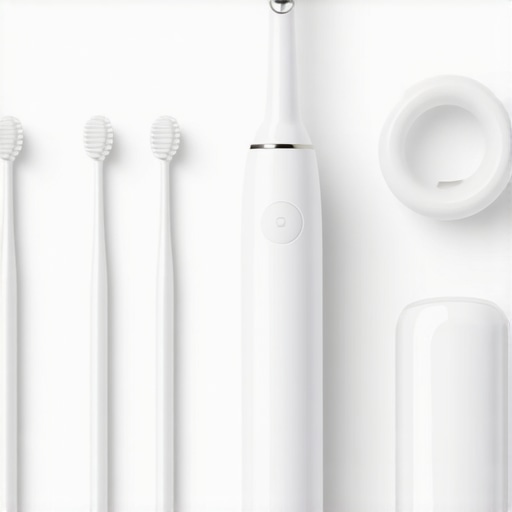
To keep your tools in top shape, consider using an ultrasonic cleaner designed for dental appliances. It removes hidden debris and bacteria, extending their lifespan and ensuring safety during use. As the trend toward personalized dental care continues, integrating device diagnostics with smartphone apps might become standard—allowing real-time monitoring of tool cleanliness and usage patterns.
Bracing for the Future: Tech Trends in Oral Maintenance
Looking ahead, I believe AI-driven dental devices will soon offer tailored advice based on your brushing patterns and oral health history. For example, smart toothbrushes with app integration can analyze brushing habits and recommend when to replace heads or adjust pressure. This level of customization not only enhances effectiveness but also empowers you to take charge of your long-term oral health. To get started now, try an electric toothbrush with app connectivity and regularly review your cleaning data to identify areas for improvement. Remember, consistent and informed maintenance is key to protecting your investment in crowns, implants, or family dental health. Staying proactive now sets the stage for a lifetime of healthy smiles, just like exploring comprehensive guides on our expert tips.
The Hardest Lesson I Learned About crowns,oral health,teeth cleaning,family dentistry
Early in my journey, I believed that a crown once placed would last forever. However, neglecting routine maintenance and assuming superficial cleaning would suffice led to premature wear and unexpected repairs. I realized that understanding the nuances of caring for crowns, from using specialized floss to regular professional checkups, makes all the difference in longevity and appearance.
3 Myths About crowns,oral health,teeth cleaning,family dentistry That Held Me Back
I used to think that once my child’s dental issues were fixed, no further effort was necessary. The myth that crowns are invincible and that routine brushing alone was enough delayed critical visits. Dispelling these misconceptions opened my eyes to the importance of tailored cleaning techniques and regular assessments for a healthy, enduring smile.
What Experts Won’t Tell You About crowns,oral health,teeth cleaning,family dentistry
Many assume over-the-counter tools are sufficient, but I discovered that specialized interdental brushes, water flossers, and professional advice from specialists are essential for optimal care. These insights, often hidden from general guides, empower me to protect my family’s dental health proactively and confidently.
Where to Go from Here
Armed with this knowledge, I recommend exploring our comprehensive expert guide on crown and teeth care. Embrace personalized routines, stay vigilant about regular checkups, and don’t hesitate to ask your dentist about the latest tools and techniques. Your journey to a resilient, beautiful smile continues with informed decisions and dedicated care.
Let’s Keep the Conversation Going
What unexpected challenge have you faced when maintaining crowns or family dental health? Share your experiences below—I’d love to hear how you’re making your smile last a lifetime!