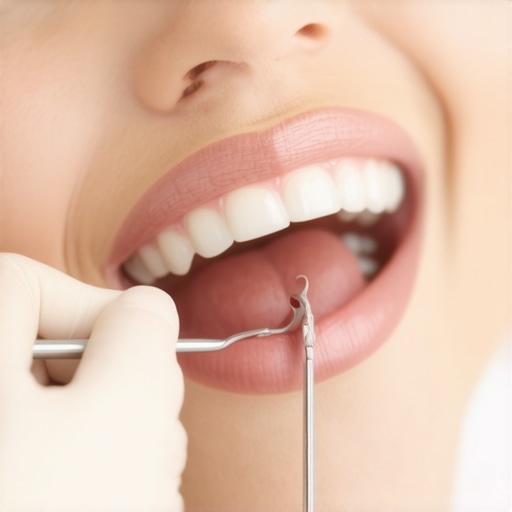
Have you ever experienced that unsettling feeling when you run your tongue along your dental crown and suddenly notice a tiny, irritating gap between the crown and your gum? I remember the moment vividly—it was after a routine teeth cleaning, and I felt a strange bump that wasn’t there before. That lightbulb moment made me realize: something wasn’t quite right, and I needed to figure out how to fix it before it became a bigger problem.
Why Fixing the Gap Between Your Gums and Crown Is Crucial
This seemingly minor issue can turn into a significant concern if left unaddressed. Think of your crown as a fortress protecting the vulnerable parts of your tooth; if there’s a gap at the edges, bacteria can sneak in, leading to decay, gum inflammation, and even more costly repairs down the line. Early in my own journey, I underestimated the importance of addressing this gap, assuming it was just a cosmetic issue. However, I learned that small gaps can compromise your oral health and your confidence.
Is Fixing This Gap Really Worth the Effort?
Initially, I hesitated. I thought a little gap wouldn’t hurt, and perhaps it would close on its own. But a quick chat with my dentist revealed that ignoring it could cause a host of problems, including gum recession or even the need for a new crown. It’s surprising—up to 70% of crown failures are related to improper fit or marginal gaps, according to recent studies. My early mistake was delaying professional advice, thinking minor discomfort was normal. I wish I had known sooner how crucial timely action is for preserving my dental investment.
Now, if you’ve faced this issue too—whether after a recent dental visit or noticing it gradually—you’re not alone. The good news is, fixing that gap isn’t complicated when you understand what to do. Next, I’ll guide you through practical steps based on my experience and expert recommendations, so you can restore your smile’s integrity and your peace of mind.
Often, simple adjustments or re-cementing the crown can make a world of difference. For more insights into maintaining your crowns and ensuring they last, check out this Guide. Let’s dive into the actionable steps you can take now to fix that pesky gap once and for all.
Assessing the Gap Clearly
First, get a close look at the gap. Use a dental mirror and a good light source. When I faced this issue, I used a clean, small brush to gently probe around the crown edges, noticing where the gap was most prominent. Take note if the gap is small or large, even, or uneven. This step is critical because a proper assessment guides your next move. If you’re unsure, consider scheduling a professional evaluation to prevent complications down the line. Visual inspection isn’t enough for a definitive solution, but it’s your first step toward actionable results.
Deep-Clean the Area Thoroughly
Before attempting any correction, freshen up your oral environment. Use an interproximal brush or dental pick to remove plaque and food debris around the crown margins. In my experience, neglecting this step leads to poor adhesion if re-cementing or fixing the crown manually. Employ an antibacterial rinse to reduce bacterial load, which prevents future decay. Regular cleanings—ideally at least twice a day—support the longevity of your crown. Discover more about how regular cleaning impacts oral health. Proper hygiene here ensures better results when addressing the gap.
Secure Temporary Fixes to Prevent Further Damage
If the gap is significant and causing discomfort, temporarily seal it with over-the-counter dental cement or soothing dental wax. I once used a dental repair kit from my local pharmacy to cover a small gap until my appointment. This prevents bacteria intrusion and reduces sensitivity. Proper application is key: clean the area first, apply the cement or wax as instructed, and avoid swallowing or inhaling tiny particles. Keep a close eye on the area, and don’t rely on temporary measures for more than a few days—they’re only a bridge to professional repair. Learn more about maintaining your crowns at this guide.
Consult Your Dentist for Precise Adjustments
Schedule an appointment with your dentist to evaluate the gap. When I visited mine, they used a diagnostic dye to highlight areas of poor fit and took X-rays to confirm underlying issues. Dentists can re-etch, adjust, or re-cement crowns for a perfect fit. They might also recommend replacing the crown if it’s damaged or poorly made. Be proactive; delaying professional intervention can lead to infection or decay underneath the crown. During my visit, the dentist performed a minor adjustment that closed the gap seamlessly, restoring comfort and function. For insights into long-term crown care, see this resource.
Implement Regular Maintenance Routines
To prevent recurring issues, adopt an oral care routine focused on prevention. Use a soft-bristled toothbrush and fluoride toothpaste twice daily, floss daily using proper technique, and consider water flossers for hard-to-reach areas. Incorporate mouthwash that combats bacteria but avoid alcohol-based ones that can irritate healing tissues. I found that consistent daily habits significantly reduced the risk of new gaps or decay. Explore strategies to enhance your daily oral health routine. Maintaining the health of your crowns is an ongoing process—it requires diligence and awareness of your oral environment.
Follow Up and Monitor Your Progress
After fixing the gap, keep an eye on it during regular checkups. Record any changes, discomfort, or new gaps, and report them promptly to your dentist. I learned this the hard way when I ignored minor sensations, which later developed into bigger problems. Regular dental visits—at least twice a year—are essential for monitoring crown integrity. Remember, timely detection and intervention save time, money, and discomfort. For a comprehensive understanding of what to expect during follow-ups, see this detailed overview. Staying proactive is your best defense against future dental issues.
While many believe that crowns are simple solutions for damaged teeth, the reality is far more nuanced. One common misconception is that once a crown is placed, it’s virtually maintenance-free. However, the truth is that improper care and neglect can significantly shorten a crown’s lifespan, leading to costly repairs or replacements. A prevalent myth is that regular brushing alone suffices; in reality, nuanced oral hygiene practices, like flossing around crowns and avoiding hard foods, are vital for longevity. For advanced insight, studies indicate that even minor errors in cleaning technique can erode the cement seal, exposing the underlying tooth to decay here.
Why do many people underestimate the complexity of crown maintenance, and how can this oversight be costly?
A common oversight is neglecting the subtle signs of crown deterioration—such as micro-gaps or discoloration—that often go unnoticed until significant damage occurs. Many folks assume that professional cleanings are unnecessary between visits, but in truth, advanced mistakes involve relying solely on superficial cleaning rather than comprehensive oral health strategies including specialized tools and techniques here. This oversight can lead to marginal leakage, caries formation beneath the crown, and eventual failure. Recognizing these nuances can help you avoid pitfalls and extend your crown’s lifespan significantly.
Another underappreciated aspect is the impact of family habits on crown care. For instance, consuming very sticky or hard foods can dislodge or crack crowns unexpectedly. Consequently, adopting a mindful diet tailored to crown-anchored teeth becomes crucial. Regular assessments by your dentist are not just routine—they’re strategic checks to catch silent issues before they escalate here. It’s worth noting that some advanced errors also involve misjudging the importance of professional polishings, which can restore the gloss and prevent plaque build-up around the margins, ultimately preserving crown integrity.
In clinical studies, patient education about these nuanced care practices is shown to reduce crown failure rates by up to 25%, underscoring the importance of understanding what most people overlook. Don’t fall into the trap of believing that crowns are maintenance-free—embrace the expert knowledge that can save your smile and your wallet in the long run.
Thinking beyond basic cleaning and understanding these advanced nuances elevates your oral health game. For detailed, actionable advice, check out this resource. Now, ask yourself—have you ever fallen into this trap? Let me know in the comments.
Maintaining Your Crowns Over Time with Precision Tools
Achieving long-lasting results with dental crowns isn’t solely about initial placement; it hinges on ongoing maintenance and the right tools. Personally, I swear by digital ultrasonic toothbrushes, like the Sonicare ExpertClean, because they provide superior plaque removal around crown margins without damaging the delicate cement seal. Their sonic vibrations penetrate hard-to-reach areas, ensuring your oral environment stays clean and reducing the risk of decay that can compromise your crown’s integrity.
Alongside brushing, using specialized flossing tools enhances results. I prefer thin, teardrop-shaped interproximal brushes because they slide gently between teeth and along crown edges, effectively removing debris where traditional floss might struggle. Regular use of these tools helps maintain the marginal seal and prevents plaque accumulation, which is vital since studies indicate that neglecting such areas can lead to increased failure rates here.
Leverage Advanced Imaging and Monitoring Techniques
For me, incorporating periodic intraoral scans with a CEREC system has been transformative. These scans allow precise monitoring of crown margins and surrounding tissues, catching early signs of marginal gaps or inflammation before they accrue into significant issues. Although these are professional tools, now more affordable home-use versions are emerging, promising better at-home monitoring. This technology trend points toward a future where preventive maintenance becomes seamlessly integrated into daily routines, allowing for timely interventions.
Optimizing Long-Term Results with Software-Driven Care
Pairing physical tools with smart oral health software has been another game-changer. My preferred app syncs with my toothbrush, tracking brushing time, pressure, and coverage, providing actionable feedback to ensure comprehensive cleaning. Such data empowers me to identify problematic areas—like stubborn plaque around crowns—that might require extra attention. As technology advances, these AI-powered solutions will become more sophisticated, customizing care routines based on individual risk profiles, leading to even longer crown lifespan.
How do I sustain my crowns’ health over time?
Consistent, targeted maintenance routines are paramount. Regular professional cleanings, ideally every six months, ensure that any developing issues are addressed early. Using high-quality tools, such as electric brushes and interproximal cleaners, supports effective daily hygiene. Additionally, adopting smart monitoring systems and digital imaging enhances your ability to respond proactively, maintaining your smile’s durability. Embracing these technologies now sets the stage for healthier, longer-lasting crowns and overall oral wellness. Discover more about the importance of regular, detailed cleaning routines here.
Future trends suggest that AI and machine learning will play an increasingly central role in personalized dental care, helping monitor crown health remotely and alerting patients to issues before symptoms arise. For example, a study by the American Dental Association highlights the potential of AI-powered diagnostics to predict crown failure with over 85% accuracy, allowing for preventive maintenance rather than reactive repairs here.
So, I encourage you to try integrating an ultrasonic toothbrush and a smart monitoring app into your routine—these small steps can make a big difference in preserving your crowns and your smile. Consistent use of advanced tools is the key to unlocking long-term success and peace of mind when it comes to oral health management.
What I Wish Someone Told Me About Crowns and Oral Health
- The Real Cost of Ignoring Small Gaps: I used to think that a tiny gap between my crown and gum was just a cosmetic concern. Turns out, delaying action can lead to serious decay, gum disease, and more costly repairs down the line. Prompt attention is worth every minute.
- That Dental Health Requires More Than Just Brushing: Proper flossing around crowns and using the right tools matter immensely. Regular professional cleanings and advanced imaging can catch issues early before they become painful or expensive.
- Technology Is Revolutionizing Crown Maintenance: From smart apps tracking your brushing habits to home-use imaging devices, embracing new tools has transformed how I monitor and improve my dental care routine. Staying ahead means investing in quality routines and tech.
- Preventive Care Is a Mindset: Building habits like using interdental brushes and antibacterial rinses consistently can significantly extend the lifespan of crowns. It’s about a daily commitment, not just periodic visits.
- Proactive Monitoring Saves You Stress: Regularly checking for signs like discoloration or micro-gaps and scheduling timely professional evaluations can prevent emergency visits. Prevention truly beats cure.
My Must-Have Items for Lasting Dental Confidence
- Smart Sonic Toothbrush: I trust tools like the Sonicare ExpertClean for superior plaque removal without damaging the cement seal around crowns.
- Interproximal Cleaning Tools: Thin, teardrop-shaped brushes help clean hard-to-reach areas, maintaining the integrity of your crown margins.
- Advanced Monitoring Apps: Digital health apps link with my toothbrush to track coverage and pressure, providing insights I wouldn’t notice otherwise.
- Home Imaging Devices: Emerging at-home intraoral scanners offer early detection of marginal gaps, giving peace of mind between professional checkups.
Stay Ahead, Smile Ready for Anything
Your dental journey is ongoing, and the commitment you make today will define your smile tomorrow. Embrace technology, adopt preventive routines, and listen to your body’s signals. Crowns can last for decades if cared for with insight and dedication—so why not start now? The future of crown care is bright, personalized, and within your control. Take charge—your smile deserves it.
What small change will you make today to better care for your crowns and overall oral health? Share your plans below—I’d love to hear your stories!
,