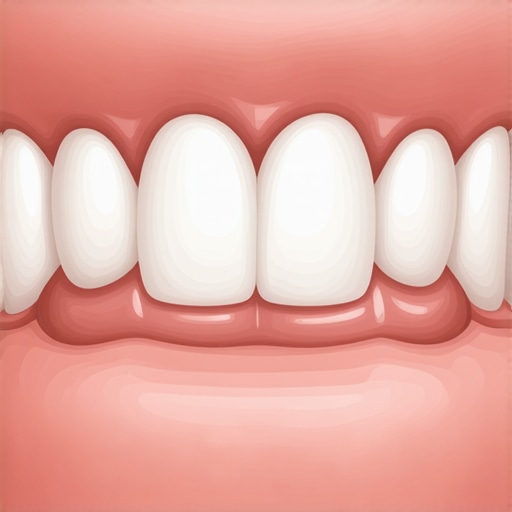
Have you ever been to the dentist, got your cleaning, and wondered if those hard deposits on your teeth were just stubborn spots or something more alarming? I remember the first time I noticed these yellowish-brownish deposits and feeling a mix of embarrassment and confusion. It wasn’t until I learned the real difference between plaque and tartar that I truly understood why maintaining my dental health is so much more than just brushing.
Why Knowing the Difference Between Plaque and Tartar Matters More Than You Think
Understanding what plaque and tartar really are can be a game-changer. It turns out that what we often dismiss as just surface stains or minor buildup can, if unchecked, lead to gum disease and other serious oral health issues. For years, I brushed diligently but ignored these deposits thinking they were normal or just cosmetic. That was my mistake. Dental professionals warn that tartar, unlike plaque, can’t be removed by regular brushing once it hardens. In fact, the American Dental Association states that tartar provides a rough surface that encourages more plaque to stick, leading to a vicious cycle of oral decay and gum inflammation.
Is all the hype about tartar actually worth the fuss?
Early in my dental journey, I mistakenly believed that brushing once a day was enough, so I’d skip the floss and see no problem. That oversight allowed plaque to harden into tartar beneath my gums. It’s easy to dismiss these deposits as superficial, but the fact is, they act as triggers for inflammation and periodontal disease. If you’ve ever had a stubborn stain that didn’t come off with brushing, you’re not alone. But what many don’t realize is how much deeper the problem runs. Recognizing this was my wake-up call, and I want to help you avoid the same mistake. Ready to figure out how to keep plaque at bay and prevent tartar from taking over? Stay with me, because understanding this difference is your first step toward healthier, happier smiles—without the surprise costs of neglecting dental hygiene.
Scrub Smart: The Foundation of Oral Hygiene
Start with a meticulous brushing routine at least twice daily using a soft-bristled toothbrush to prevent plaque buildup. Focus on every surface of your teeth—front, back, and chewing surfaces—making circular motions to dislodge any early deposits. I remember a time I was particularly diligent before bed, making sure to spend an extra two minutes on the molars at the back, which often get neglected. That night, I noticed a marked reduction in plaque and a fresher feeling the next morning.
Choose Your Weapon Wisely
Select a toothpaste containing fluoride to strengthen enamel and combat decay. An electric toothbrush can be more effective at removal than manual brushing, especially if used correctly. I once replaced my manual brush with an electric one and took advantage of the timer feature to ensure I brushed long enough—this simple change made a noticeable difference in plaque control.
Floss with Precision: Target Hidden Bacteria
Flossing isn’t just about removing food; it’s about cleaning between teeth where toothbrush bristles can’t reach. Slide the floss gently into the gum line, curving it around each tooth, and move it up and down to scrape off plaque beneath the gums. I found that flossing after brushing enhances overall cleanliness, especially in tight spaces. This habit prevents tartar from establishing in interdental areas, where it can harden unnoticed.
Tame the Tartar: Professional Care Is Key
Despite your best efforts, stubborn tartar requires professional removal. Regular dental check-ups—typically every six months—are vital. During these visits, your dentist or hygienist will scale away tartar and polish your teeth, making it harder for plaque to reattach. I personally schedule cleanings diligently, knowing that they help maintain the results of my daily routine and prevent gum disease. To find a trusted family dentist near you, visit family dentistry specialists.
Support Your Routine with Mouth Rinses and Dietary Choices
An antiseptic mouthwash can reduce bacteria in the mouth, but avoid mouthwashes with alcohol, as they can dry out tissues. Use it after brushing and flossing for added protection. Additionally, watch your diet—limit sugary snacks and drinks, which feed plaque bacteria. Incorporate crunchy fruits and vegetables like apples and carrots; they naturally clean teeth and stimulate saliva production. I recall replacing my evening sugar snack with a crisp apple, which felt like a treat and helped my oral health.
Avoid Harmful Habits
Refrain from smoking, as it exacerbates tartar buildup and impairs gum healing. Also, steer clear of hard foods or objects that can chip or crack teeth, increasing the risk of tartar accumulation around damaged areas. Just last month, I broke a small piece of my molar while biting into ice, instantly appreciating the importance of gentle eating habits.
Implement Daily Checks and Seek Expert Advice
Stay vigilant with daily visual checks—notice any new discolorations, bleeding gums, or sensitivity. These signs indicate the need for professional evaluation. If you’re concerned, don’t hesitate to contact an expert like a periodontist at our clinic for tailored advice or treatment options. Remember, consistent care is your best defense against plaque and tartar turning into serious oral health issues.
Many assume that once a dental crown is placed, their worries about the tooth are over, but there’s a nuanced layer often overlooked. Contrary to popular belief, crowns are not a set-it-and-forget-it solution; they require diligent maintenance and understanding of their long-term behavior. A common myth is that crowns are invincible, which can lead to neglecting critical oral hygiene practices. In reality, even well-fitted crowns can succumb to decay at the margins if proactive care isn’t maintained, emphasizing the importance of regular check-ups and proper cleaning routines. Moreover, many believe that whitening or replacing existing crowns is straightforward, but in practice, color matching and material compatibility make it a complex process needing expert oversight.
Delving into oral health at a deeper level, advanced mistakes often involve ignoring the subtle signs of crown misfit, such as slight shifts in bite or minor discomfort. These issues, if unchecked, can cause recurrent decay or gum inflammation—risks that can be mitigated with vigilant monitoring and understanding the intricacies of crown-material interactions. Additionally, many overlook the significance of choosing tailored family dentistry services, which prioritize personalized care plans that extend beyond mere treatment, aiming instead for preventive excellence.
A crucial mistake is underestimating the importance of professional cleanings for crowns. Unlike natural teeth, crowns can’t be cleaned by brushing alone; they require specific techniques and tools to prevent plaque accumulation along the margins. Neglecting this can lead to secondary decay or gum disease compromising the crown’s integrity. For comprehensive guidance, I recommend exploring best practices for maintaining your dental crowns.
From a broader perspective, understanding the interaction between crowns and overall oral health reveals that neglecting one aspect can jeopardize the entire dental system. For instance, abrasive toothpastes or overly aggressive flossing around crowns may cause damage and compromise their longevity. It’s essential to adopt gentle, correct cleaning techniques and consult with dental professionals regularly.
For those considering crowns, or already living with them, being aware of these nuanced pitfalls can extend their lifespan significantly. Integrate this knowledge with routine professional assessments, such as understanding crowns’ role in smile enhancement, to ensure your oral health remains optimal. Remember, proactive engagement and informed choices are your best allies in maintaining a healthy, beautiful smile. Have you ever fallen into this trap? Let me know in the comments.
Investing in the Right Equipment Makes All the Difference
When it comes to maintaining optimal oral health, having the best tools at your disposal is essential. I personally swear by the Philips Sonicare ExpertClean electric toothbrush because its adaptive brush head and timer ensure thorough cleaning of all tooth surfaces, especially around crowns and hard-to-reach areas. Unlike manual brushes, this device provides consistent pressure and coverage, reducing plaque buildup and preventing tartar formation over time.
Why I Recommend a Water Flosser for Long-Term Crown Care
A water flosser, specifically the Waterpik Aquarius, offers targeted cleaning along gum lines and around crowns, where traditional flossing may miss debris. I use the jet tip with gentle pulses after brushing as it effectively dislodges plaque bacteria, particularly in interdental spaces. Including this step in your routine can significantly decrease the risk of secondary decay and gum inflammation, ensuring your crowns and natural teeth stay healthy for years to come.
Streamlining Your Routine with Software and Apps
Digital tools are transforming daily oral hygiene. I rely on the Colgate Connect app synchronized with my electric toothbrush to receive real-time feedback on my brushing habits. The app tracks pressure and duration, helping me avoid over-brushing that can damage softer crowns or enamel. Similar apps motivate consistency and make routine checks more engaging, especially for busy family schedules.
How Do I Maintain Oral Hygiene Tools Over Time?
Cleaning your tools is vital to prevent bacterial growth. After each use, I rinse my electric toothbrush head with hot water and occasionally disinfect it with a brush sanitizer device. Water flossers should be emptied and dried after each session to prevent mold. Regular replacement of brush heads—every three months—is another critical step. Investing in quality tools and maintaining them properly extends their effectiveness and ensures your long-term oral health.
Future Trends in Dental Maintenance Technology
Looking ahead, advancements like AI-powered toothbrushes and smart dental implants are poised to revolutionize at-home care. Predictive analytics could soon notify you of potential issues before symptoms arise, enabling even earlier intervention. Staying ahead involves embracing these innovations and integrating them into your daily routine now—perhaps start with a smart toothbrush compatible with your smartphone to gain personalized insights.
Ready to Take Your Dental Care to the Next Level?
If you’re serious about ensuring your crowns and natural teeth stay in top condition, I recommend trying a water flosser combined with an electric toothbrush equipped with app connectivity. These tools, used consistently and properly maintained, will serve as your frontline defense against plaque, tartar, and gum disease. For personalized guidance, don’t hesitate to reach out to a family dentistry specialist today.
Remember, the key is consistent, informed maintenance. Incorporate these advanced tools into your routine, and you’ll be taking significant steps toward a healthier smile that lasts for decades.
The Hardest Lesson I Learned About My Smile
One of the most impactful realizations was recognizing that superficial fixes aren’t enough. I used to believe that regular brushing and occasional cleanings were enough to keep my smile healthy, but neglecting the subtle signs of tartar buildup and crown misfit ultimately led to more complex issues. Now, I understand that continuous education and attentive care are essential for long-term oral health.
3 Myths About Crowns and Dental Hygiene That Held Me Back
I used to think that once a crown was placed, my worries were over. I believed brushing with any toothpaste was fine, and that dental visits could be skipped if everything looked normal. These misconceptions delayed my understanding of crown maintenance, making me realize how crucial tailored cleaning routines and professional evaluations are to preserve restorations and natural teeth alike.
The Unexpected Power of Preventive Care in Family Dentistry
Engaging regularly with a family dentist taught me that prevention is far more cost-effective and less stressful than reactive treatments. Early detection of minor issues like gum recession or plaque accumulation can prevent invasive procedures later. This insight changed my outlook: investing in routine checkups and education yields lifelong benefits for my loved ones and me.
Curated Resources That Elevated My Dental Routine
Books like The Dental Diet by Dr. Steven Lin offered profound insights into how nutrition impacts oral health, encouraging me to adapt my diet for healthier teeth. I trust professional guides on crown maintenance because they’re written by experts who combine scientific evidence with practical tips. Finally, the latest family oral health articles keep me updated with fresh, actionable advice suitable for all ages.
Embrace Your Journey Toward a Healthier Smile
Taking charge of my dental health was a gradual process filled with learning, adjustments, and newfound confidence. Remember, the key to long-lasting crowns, natural teeth, and overall well-being lies in proactive, informed care—one small but consistent step at a time. If you’re ready to elevate your oral health routine, start today by reaching out to a trusted family dentistry professional and ask about personalized maintenance strategies.
Have you ever discovered a simple habit that significantly improved your dental health? Share your experiences below—your insights might inspire someone else to take that first step towards a healthier smile!