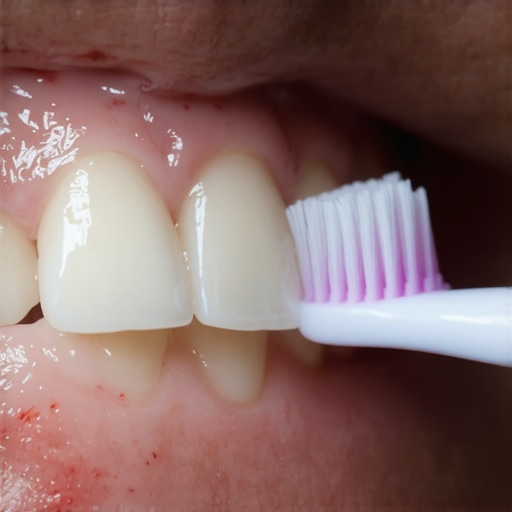
I remember the sharp jolt of pain I felt one morning after brushing too vigorously with my favorite stiff-bristled toothbrush. It was like a slap in the face—instant discomfort that made me question if I was damaging my own gums. At first, I thought it was just sensitivity or perhaps a sign of something more serious. But as days went by, I realized I was actually causing the very problem I was trying to fix: irritated, aching gums that refused to cooperate.
This lightbulb moment led me down the rabbit hole of oral health, where I learned that using a toothbrush with overly firm bristles isn’t just a matter of personal preference—it’s a common mistake that many of us make, often without realizing the harm we’re doing. The truth is, applying too much pressure or choosing the wrong brush can damage your gum tissue, leading to soreness, recession, and even more serious periodontal issues.
So, today I want to share my journey from pain to relief—and more importantly, how you can avoid falling into the same trap. We’ll uncover why that firm toothbrush might be hurting you more than helping, and I’ll guide you through simple, effective steps to protect your gums while maintaining a clean, healthy smile.
Picking the Right Brush: Gentle Is the New Strong
You might be surprised to learn that the key to effective cleaning doesn’t lie in brute force. In fact, a softer brush combined with the right technique can clean just as well—if not better—without irritating your delicate gum tissue. I used to think that a tough brush was necessary for a thorough clean, but that was a mistake I made early on.
Choosing the appropriate toothbrush is crucial. Dentists generally recommend soft-bristled brushes for most people, especially if you’re experiencing gum discomfort. As you explore options, keep in mind that a good toothbrush should feel comfortable and gentle against your gums while effectively removing plaque.
If you’re unsure about your current toothbrush or technique, consider consulting a family dentistry professional who can offer tailored advice. They might also suggest exploring advanced options like electric toothbrushes, which can make a significant difference in reducing pressure during brushing. For more tips on maintaining your family’s dental health, check out [teeth cleaning secrets and effective home practices](https://periodontistcare.com/teeth-cleaning-secrets-effective-home-practices-for-family-dental-health).
So, tell me—have you ever felt that zap of pain after brushing, and wondered if your method is doing more harm than good? You’re not alone. Many people struggle with finding the right balance between cleanliness and comfort.
Now that we’ve set the foundation, let’s dive into how to adjust your brushing habits to safeguard your gums and promote overall oral health.
Master Your Brushing Technique
Use a Proper Grip
Hold your toothbrush like you’re gripping a pencil, not a hammer. I once struggled to control my brush’s pressure until I consciously loosened my grip, resulting in gentler strokes that didn’t irritate my gums. This small adjustment made a huge difference, preventing bleeding and discomfort.
Adopt the Correct Motion
Brush in small, circular motions rather than aggressive back-and-forth scrubbing. Think of your toothbrush as a soft paintbrush—gentle circles are more effective at dislodging plaque without harming your gums. I tried the scrub method initially, but switching to circles kept my gums healthy and allowed me to clean thoroughly.
Limit Pressure
Apply only light pressure; if you feel a tingling sensation, you’re pressing too hard. A good trick is to watch a mirror and gently rest your finger on the brush handle—if your finger is doing most of the work, pressure is minimal. Once, I noticed redness and decided to lighten my touch, which instantly reduced gum irritation.
Select the Right Toothbrush
Choose Soft Bristles
Opt for a toothbrush with soft bristles, which are gentle yet effective. Think of soft bristles as the velvet gloves of oral hygiene—delicate but capable. I replaced my firm-bristled brush with a soft one, and my gums felt healthier within days.
Consider Electric Brushes
Electric toothbrushes with pressure sensors can alert you when you’re brushing too hard. During my switch to an electric model, I relied on the built-in sensor to keep my pressure in check, preventing gum recession and recession-related sensitivity.
Implement Effective Brushing Habits
Brush Twice Daily
Make brushing a consistent routine, ideally twice a day for at least two minutes each time. I set a timer on my phone to ensure I didn’t rush, which helped maintain gum health and overall cleanliness.
Follow the Correct Sequence
Gently brush the outer, inner, and chewing surfaces, paying special attention to Gumline areas where plaque accumulates. I discovered that dedicating extra time to the gumline prevented issues like gingivitis and recession.
Clean Your Tongue
Use a tongue scraper or the back of your toothbrush to remove bacteria, which can cause bad breath and affect gum health. Incorporating this step improved my overall oral hygiene and reduced gum irritation.
Regularly Replace Your Toothbrush
Change your toothbrush every three months or sooner if bristles fray. Worn-out brushes lose their effectiveness and can harbor bacteria. I replaced mine promptly after noticing frayed bristles, maintaining a gentle cleaning routine without damaging my gums.
Maintain Professional Check-Ups
Visit your dentist regularly for professional cleanings and advice. They can assess your technique and recommend tools tailored to your needs, including guidance on caring for dental crowns or other restorations. My dentist’s tips helped me adapt my brushing to protect crowns, ensuring they lasted longer and looked great.
While brushing and flossing are foundational, there are subtle misconceptions that can undermine your dental efforts. One common myth is that more aggressive cleaning yields better results; however, overbrushing can cause gum recession and enamel erosion. Experts like Dr. Mark Wolff emphasize that gentle, Technique matters more than brute force in maintaining healthy gums and teeth.
Another overlooked aspect involves the significance of professional guidance, especially for those with crowns. Many assume that once their crowns are placed, ongoing maintenance is straightforward. In reality, improper care—such as using the wrong flossing technique—can stress the restoration and lead to complications. Resources like [caring for crowns](https://periodontistcare.com/caring-for-crowns-essential-tips-for-longevity-and-shine) highlight the importance of tailored hygiene routines.
A critical but less discussed nuance concerns the matching of crowns with natural teeth. Mismatched shades or improper fitting can cause not only aesthetic concerns but also functional issues, including bite misalignment. Advanced practitioners utilize precise color matching and fitting techniques, often backed by digital smile design technology, to ensure harmony and longevity. To explore this further, check [how crowns can boost your confidence](https://periodontistcare.com/how-crowns-can-transform-your-dental-confidence).
Be cautious about common pitfalls—such as neglecting to replace old crowns or failing to recognize early signs of failure. Worn-out crowns can harbor plaque and cause decay underneath. Regular check-ups allow early detection of issues, preventing more complex procedures later. For expert advice, see [tips on maintaining crowns](https://periodontistcare.com/maintaining-your-dental-crowns-dos-and-donts-for-best-results).
On a broader scale, many underestimate the link between overall health and oral wellness. Conditions like diabetes influence periodontal disease progression, emphasizing the need for a multidisciplinary approach to care. A comprehensive routine, supported by professional assessments, ensures holistic health. For a detailed routine, visit [strengthening your smile daily](https://periodontistcare.com/oral-health-routine-strengthening-your-smile-every-day).
Overall, mastering oral health involves understanding these nuanced factors—beyond simple brushing—to prevent subtle yet impactful errors. Are you attentive to these details or falling into common traps? Let me know in the comments!Maintaining a healthy smile requires more than just good brushing habits; having the right tools is essential for long-term success. I’ve found that investing in specific equipment can make a significant difference in protecting crowns, preventing gum issues, and ensuring your family’s oral health stays in top shape.
Electric Toothbrushes with Pressure Sensors
One of my top recommendations is an electric toothbrush equipped with pressure sensors, like the Oral-B Genius series. These devices alert you when you’re applying too much force, preventing gum recession and enamel erosion. I’ve used several models, but the real game-changer was the one that provided real-time feedback, forcing me to adopt a gentler, more effective brushing technique. Such tools are predicted to become standard as technology advances, making routine care smarter and safer.
High-Quality Water Flossers
For interproximal cleaning, I rely on water flossers like the Waterpik Aquarius. They are particularly effective around crowns and bridges where traditional flossing can be tricky. I chose models with adjustable pressure settings to customize my routine, ensuring thorough cleaning without damaging delicate restorations. Regular use of a water flosser can significantly reduce plaque buildup and gum inflammation over time. According to expert advice on [professional dental care](https://periodontistcare.com/expert-advice-on-crowns-and-teeth-cleaning-for-lasting-results), integrating such tools enhances the longevity of crowns and overall oral health.
Ultrasonic Scalers for Professional Maintenance
While this is reserved for dental visits, investing in an ultrasonic scaler for home use isn’t practical for most. However, I make sure my dentist uses professional-grade ultrasonic instruments during cleanings to remove hardened plaque efficiently—keeping my gums healthy and crowns intact. Some emerging technologies suggest that at-home ultrasonic devices may become more accessible, providing regular maintenance outside dental offices.
Digital Monitoring Apps for Family Care
Consistency is key, especially when managing oral health for multiple family members. I utilize apps like Oral-B’s or Philips Sonicare’s companion software, which tracks brushing habits and offers tailored tips. These help me ensure everyone maintains good routines, especially children who are more prone to neglecting certain areas. As digital health tools evolve, we’ll likely see enhanced features like AI-driven feedback and personalized care plans.
Future of Dental Tools
The trend in dental technology points toward integrated systems combining AI, sensor feedback, and smart connectivity, making routine care more personalized and effective. Embracing these advancements now prepares you for a future where maintaining dental health becomes more intuitive and proactive. I recommend trying a pressure-sensitive electric toothbrush today to experience the benefits firsthand—your gums will thank you for it.
For further insights on maintaining your crowns and preventing long-term issues, explore [expert advice on crowns and teeth cleaning](https://periodontistcare.com/expert-advice-on-crowns-and-teeth-cleaning-for-lasting-results). Regularly updating your tools and routine ensures your smile remains healthy and vibrant for years to come.
Unspoken Truths That Changed My Dental Journey
The biggest lesson I uncovered was that gentleness trumps force when it comes to oral hygiene. I used to think scrubbing harder meant cleaning better, but I learned that applying less pressure, especially around crowns and sensitive gums, preserved my oral health long-term. Another insight was the significance of personalized tools; not all brushes and flossers suit everyone, and finding what works for your unique needs can prevent costly mistakes. Lastly, I discovered that regular professional check-ups offer tailored guidance that DIY routines can’t replace, especially when handling complex restorations like crowns. These lessons transformed my approach and safeguarded my smile effectively.
My Go-To Gear for Dental Excellence
For anyone serious about their dental health, I recommend the expert advice on crowns and teeth cleaning as foundational reading that offers invaluable insights. My personal toolkit includes electric toothbrushes with pressure sensors which remind me to stay gentle, water flossers like the Waterpik Aquarius for easy access around crowns, and digital monitoring apps that keep everyone on track with their routines. Each of these tools has elevated my oral hygiene, making maintenance more effective and less stressful.
Make Your Smile Unstoppable
Embrace the journey to a healthier smile today—your future self will thank you. Mastering the nuances of teeth cleaning,family dentistry,oral health,crowns might seem intricate at first, but with consistency and the right tools, it’s entirely achievable. Every small step you take can lead to a lifetime of confident, vibrant smiles. So go ahead—take that first gentle brush, invest in smart dental gadgets, and schedule your next professional visit with enthusiasm. Your smile’s brightest days are just ahead!
What specific challenge have you faced when trying to improve your oral hygiene routine? Share below, and let’s learn from each other’s experiences!