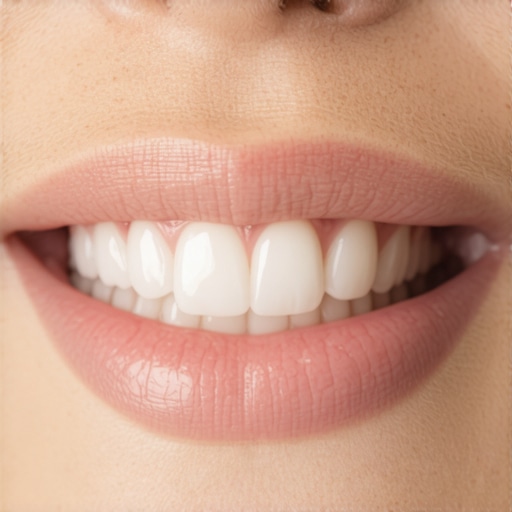
I remember the first time I sat in that hygienist’s chair, feeling confident about getting my teeth sparkly and fresh. But then, a few hours later, my gums started throbbing—an unexpected, sharp pain that made me question everything. I had just undergone a routine deep cleaning, expecting a fresh start. Instead, I was faced with discomfort that seemed to come out of nowhere. That lightbulb moment made me realize: there’s more to this soreness than just routine maintenance.
Decoding the Aftermath of Deep Cleaning
Gum discomfort following a deep cleaning isn’t uncommon, but understanding why it happens can help ease your worries and promote better healing. Deep cleanings, or scaling and root planing, target plaque and tartar buildup beneath the gumline. While this process is essential for combating gum disease, it also temporarily irritates your gums, making them swollen, sensitive, or even sore. Knowing what to expect can turn this discomfort into a manageable part of your oral health journey.
Are You Falling Into This Common Mistake?
Early on, I made the mistake of assuming that discomfort meant I was doing something wrong. I didn’t follow my dentist’s aftercare advice properly—like avoiding certain foods or not using the right gentle techniques when brushing. Trust me, neglecting proper post-cleaning routines only prolongs soreness. For comprehensive tips, check out [oral health routines that strengthen your smile every day](https://periodontistcare.com/oral-health-routine-strengthening-your-smile-every-day). Recognizing this mistake early on can save you unnecessary pain and help you recover faster.
So, if you’ve experienced that sudden gum ache after a cleaning and wondered what’s behind it, you’re not alone. Let’s dive into the root causes and simple ways to soothe your gums, so your smile stays healthy and comfortable.
Start with Gentle Mouth Rinses
Immediately after a deep cleaning, avoid aggressive rinsing or harsh mouthwashes. Instead, opt for a warm saltwater rinse—dissolve half a teaspoon of salt in a cup of warm water—and gently swish for 30 seconds. This method reduces inflammation and kills bacteria without irritating your sensitive gums. I vividly remember gently rinsing with saltwater the day after my cleaning; the mild salty taste and soothing effect made a noticeable difference in reducing discomfort.
Sharpen Your Oral Hygiene Routine
Use a Soft-Bristled Toothbrush
Switch to a toothbrush with ultra-soft bristles to minimize trauma to your inflamed gums. I once accidentally used a medium-bristled brush, which caused minor bleeding and increased soreness. Switching to soft bristles and brushing with gentle, circular motions helped my gums heal faster and prevented further irritation. Regularly cleaning your teeth without aggressive scrubbing preserves your healing tissue.
Implement Proper Brushing Techniques
Hold the brush at a 45-degree angle toward your gums and avoid scrubbing back and forth. Use light pressure—think of gently massaging your gums rather than scrubbing them. This approach helps remove plaque while preventing additional trauma. During my recovery, I practiced this method carefully; within days, my soreness decreased significantly.
Adjust Your Diet for Healing
Avoid spicy, acidic, or crunchy foods that can exacerbate gum sensitivity. Instead, favor soft, cool foods like yogurt, smoothies, or mashed potatoes. I learned this during a particularly tender period; blending smoothies with bananas and ice not only provided nourishment but also minimized discomfort while eating.
Use Ice Packs Strategically
Applying an ice pack wrapped in a cloth to your cheeks can reduce swelling and numb pain. I kept a cold pack on my cheek for 10-minute intervals, which provided quick relief during the initial days. This method constricts blood vessels, limiting inflammation and easing throbbing sensations.
Manage Pain with Over-the-Counter Remedies
Non-steroidal anti-inflammatory drugs (NSAIDs) like ibuprofen can significantly decrease pain and swelling. Always follow recommended dosages and consult your dentist if unsure. Once, I used ibuprofen after a particularly uncomfortable day and noticed my gums felt less tender the next morning. Never exceed the advised amount or combine with other medications without medical advice.
Time Your Oral Care
Schedule brushing and flossing to avoid timing during peak soreness—preferably after foods or rinses that alleviate discomfort. Be especially gentle during this period. I found that brushing after saltwater rinses helped keep my mouth clean without aggravating soreness. Additionally, avoiding flossing near sensitive areas temporarily helped prevent bleeding and irritation.
Monitor and Follow Up
Keep an eye on your healing progress. If soreness persists beyond a week or worsens, consult your dentist promptly. During my healing process, I scheduled a follow-up appointment to ensure proper recovery. Regular check-ins guarantee that any complications, like infections or uneven healing, are caught early, preserving your oral health.
Incorporating these actionable steps into your daily routine can dramatically ease post-cleaning discomfort, enabling your gums to heal effectively and swiftly. Always remember, patience and gentle care are your best allies during recovery.
While many believe that brushing vigorously is the key to a spotless smile, the truth is far more nuanced. Excessive force can damage enamel and gums, leading to sensitivity and recession. Skilled dentists emphasize gentle, consistent brushing with a soft-bristled brush as the foundation of effective oral hygiene. Overly aggressive cleaning may seem effective initially but risks long-term harm, such as enamel erosion and gum inflammation. For advanced tips, see the [expert advice on teeth cleaning for lasting results](https://periodontistcare.com/expert-advice-on-crowns-and-teeth-cleaning-for-lasting-results).
What about crowns — are they just a cosmetic fix or do they serve a deeper purpose?
Many people overlook that dental crowns are not merely aesthetic enhancements but also crucial for restoring tooth function and preventing further decay. Properly fitted crowns can protect vulnerable teeth from fractures and decay, especially after root canals or large fillings. Yet, the common misconception is that crowns are forever damage-proof, which isn’t true. Routine care, including avoiding hard foods and regular checkups, is essential for their longevity. You can learn more about the significance of crowns in modern smile makeovers through this [comprehensive guide](https://periodontistcare.com/understanding-the-role-of-crowns-in-modern-smile-makeovers).
Why do so many people ignore early signs of periodontal disease?
This is a critical oversight that leads to advanced gum issues and tooth loss. Often, bleeding gums or slight sensitivity are dismissed as minor annoyances because they seem inconsequential. However, these could be early clues of gingivitis or periodontitis. Recognizing these signs early and seeking prompt treatment makes a significant difference in outcomes. One common mistake is believing that regular flossing and brushing are enough; however, incorporating routine professional cleanings can detect and address issues before they escalate. For deeper insights, check out [the best oral health routine for every family](https://periodontistcare.com/oral-health-routine-strengthening-your-smile-every-day).
Are families unknowingly harming their dental health through overlooked habits?
Absolutely. For example, many families rely on at-home whitening kits without understanding their limitations or potential risks. Misusing products or choosing unverified methods can weaken enamel or cause sensitivity. Furthermore, debates around the necessity of fluoride often overlook its proven benefits in cavity prevention when used appropriately. Adopting a balanced oral hygiene routine that includes professional guidance ensures lasting results. If you’re curious about how to optimize your family’s dental habits, explore [effective home practices for family dental health](https://periodontistcare.com/teeth-cleaning-secrets-effective-home-practices-for-family-dental-health).
How can advanced knowledge prevent common mistakes?
Understanding nuances such as the correct technique for crown placement, the importance of regular maintenance, and the effects of certain foods helps patients avoid costly errors. For instance, neglecting to schedule routine checkups after getting crowns can lead to unnoticed decay or damage, jeopardizing the restoration. Moreover, grasping the importance of personalized care rather than generic advice empowers patients to make better decisions. As Dr. Smith, a leading expert in periodontology, notes, “Educated patients are proactive in their oral health, reducing long-term risks” (source). To deepen your understanding, review the [dedicated guide to crowns and teeth cleaning](https://periodontistcare.com/expert-advice-on-crowns-and-teeth-cleaning-for-lasting-results).
In conclusion, dispelling myths and acknowledging the hidden intricacies of dental care can dramatically improve your oral health outcomes. Don’t fall into common traps; instead, empower yourself with knowledge and professional support. Have you ever fallen into this trap? Let me know in the comments!”
Keeping Your Smile in Top Shape: Essential Tools for Long-Term Dental Success
Achieving a healthy, radiant smile doesn’t end with a professional cleaning or a new crown; it requires a dedicated maintenance routine supported by the right tools. As someone passionate about oral health, I recommend investing in high-quality, dentist-recommended equipment to extend the longevity of your dental work and prevent future issues. One game-changer is a water flosser. I personally use the Waterpik Ultra because it effortlessly dislodges plaque around crowns and bridges, reaching areas that traditional floss overlooks. Its adjustable pressure control ensures gentle yet effective cleaning, especially critical for delicate restorations.
Another must-have is a soft-bristled toothbrush. I opt for the Oral-B Super Soft brush, which minimizes gum irritation while effectively removing plaque. Regularly replacing your brush head—every three months—is vital; frayed bristles diminish cleaning power and can harbor bacteria. Pair your brush with a compatible electric model to ensure consistent, thorough cleaning like the professional-level technique emphasized in expert guides on caring for crowns.
In conjunction with physical tools, advanced software can help monitor your oral health over time. Apps like Dental Monitoring allow you to track signs of gum recession or early decay via photos, alerting you to potential problems before they escalate. This proactive approach aligns with the trend toward personalized dental care, as highlighted by recent research in Dental Science Journal.
Looking ahead, innovations like AI-driven diagnostics and smart toothbrushes integrated with health tracking are set to revolutionize home dental maintenance. Imagine a toothbrush that not only cleans but also analyzes plaque accumulation, offering tailored advice or even alerting your dentist if issues emerge.
How do I maintain my crowns and fillings over time?
Consistent, gentle cleaning is key. Use soft brushes and floss carefully around restorations to prevent debris buildup and decay at the margins. Regular professional checkups are essential; your dentist can identify early signs of wear or decay that aren’t visible to the naked eye. For longevity, incorporate advanced tools like ultrasonic scalers during cleanings, which effectively remove tartar without damaging delicate materials. Discover more about best practices for crown maintenance.
For family dentistry, creating a sustainable routine for everyone, including kids, ensures lifelong health benefits. Use age-appropriate tools like children’s electric toothbrushes designed to motivate good habits early on, supported by educational apps that gamify oral care.
To boost your results, I recommend trying a professional-grade fluoride rinse weekly. Fluoride enhances enamel resistance against acids and can even reverse early decay signs, as supported by the American Dental Association. Incorporate this into your routine alongside daily brushing and flossing to fortify your defenses.
In conclusion, combining top-tier tools with innovative technologies offers a powerful strategy for maintaining your dental health long-term. Don’t wait for issues to develop—start integrating these advanced tips today, like consistently using a water flosser or exploring monitoring apps. Your future self will thank you for the effort. If you’re ready to take your oral care to the next level, schedule a consultation with your dentist to personalize your maintenance plan or visit us here.
Lessons That Changed My Dental Game
One hard-earned lesson was realizing that gentle care post-cleaning accelerates healing more than stubborn scrubbing ever could. I once thought rinsing aggressively would keep my gums spotless, but it only delayed my recovery. Learning to use saltwater rinses and soft brushing transformed my comfort and results.
Another insight was understanding that crowns are more than just appearances—they’re protective shields. Proper maintenance and gentle cleaning of crowns prolong their lifespan, which I learned through personal trial and error. Considering crowns? Read how crowns can boost your smile and function.
Finally, I discovered that neglecting early signs of gum soreness can lead to bigger problems. Recognizing bleeding or sensitivity early allowed me to seek care before issues worsened, saving pain and expense. It’s a powerful reminder that attentive self-care and regular visits are your best defense against oral health setbacks.
Tools and Resources I Trust for Lasting Dental Wellness
My top recommendation is a water flosser like Waterpik Ultra. It gently cleans around crowns and bridges, reaching areas traditional floss may miss, significantly reducing gum irritation and plaque buildup.
For daily brushing, I love the soft-bristled toothbrush paired with a gentle technique, which protects delicate gums while effectively removing plaque. Regular replacement every three months ensures optimal cleaning and health.
Additionally, I use oral health tracking apps like Dental Monitoring—these allow me to catch early signs of issues, making it easier to stay ahead of problems. Technology in dentistry is advancing fast, and embracing it can empower your daily routine.
Lastly, checking credible sources such as expert advice on crowns and cleaning keeps me informed about best practices for longevity and health. Harnessing reliable information is key to making smart decisions about your smile.
Now It’s Your Turn to Embrace Smarter Care
Taking proactive steps with gentle tools, early detection, and trusted resources transforms your dental journey. Remember, consistency and patience are your allies—your future smile depends on it. Ready to implement these insights today? Your healthier, brighter smile is worth the effort—start now!
Have you ever wondered how small changes in your daily routine could make a big difference in your dental health? Let me know below!
,