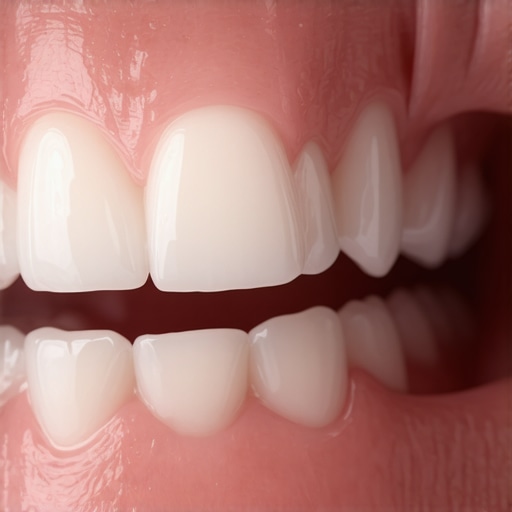
I remember the moment vividly—sipping my morning coffee when I suddenly noticed a strange, gritty sensation on my teeth. It wasn’t pain or sensitivity, just this persistent fuzzy feeling that made me prickly with concern. I wondered, “Is this normal? Or am I slowly damaging my enamel without even realizing it?” That lightbulb moment prompted me to dig deeper, and what I discovered was eye-opening.
Many people experience this fuzzy or velvety sensation on their teeth, often brushing it off as nothing serious. But beneath that surface, it could be an early sign of enamel erosion or plaque buildup—things that, if ignored, can lead to cavities, increased sensitivity, and even gum issues. The good news? As someone passionate about maintaining a healthy smile, I can tell you that addressing this sensation early can make all the difference.
Today, we’re going to uncover why your teeth might be feeling fuzzy and what that really says about your enamel health. You’ll learn simple, effective ways to care for your teeth and prevent deterioration before it gets out of hand. Think of it as a beginner’s guide to listening to your mouth’s subtle signals and acting before problems escalate.
Recognizing the Signs of Enamel Erosion and Plaque Accumulation
It’s easy to overlook the initial stages of enamel wear. But the fuzzy feeling is often a warning sign that your enamel—the hard, protective outer layer of your teeth—is compromised. When enamel erodes, the underlying dentin can become exposed, making your teeth sensitive and giving that atypical texture.
Plaque buildup is another culprit behind that velvety surface. Bacteria in plaque produce acids that attack enamel, weakening it over time. If you notice this sensation along with a sticky or fuzzy coating, it might be time to reconsider your oral hygiene routine or lifestyle habits.
Interestingly, research shows that enamel erosion isn’t just caused by sugar or acids from food; factors like dry mouth and certain medications can also accelerate the process. To stay ahead, it’s essential to understand your unique risk factors and take tailored steps to protect your smile. Want to know if you’re doing enough? Check out our tips on [maintaining your dental health](https://periodontistcare.com/oral-health-routine-strengthening-your-smile-every-day).
Before we dive into proper practices and professional guidance, ask yourself—have you recently noticed that fuzzy feeling on your teeth? Recognizing it early can help you avoid more serious issues down the line.
Start with a Thorough Oral Hygiene Routine
My first hands-on step was revisiting my daily brushing and flossing habits. I replaced my old toothbrush with a soft-bristled one to avoid further enamel wear, much like switching to a gentle paintbrush after damaging my walls. I doubled my brushing time to two minutes, ensuring I reached all angles. Flossing became mandatory—no skipped spots—helping remove hidden plaque that creates that velvety feeling. Regular cleaning helps strip away bacterial buildup that can lead to plaque deposits, a primary cause of that fuzzy sensation.
Introduce Effective Home Remedies
I started using an antibacterial rinse to reduce bacterial colonies, which directly combat plaque formation. Additionally, I incorporated rinsing with diluted hydrogen peroxide once a week—carefully, to avoid irritation—as it acts like a deep-cleaning agent, breaking down harmful bacteria and biofilm. Remember, consistent use of gentle, proven solutions can significantly diminish that velvety surface, especially in early stages.
Modify Dietary Habits for Better Enamel Health
Next, I scrutinized my diet, reducing acidic foods and beverages. Just like acid rain damages a car’s paint, acids erode enamel over time. Swapping soda for water and cutting back on citrus made a noticeable difference. Drinking through a straw also minimized contact with teeth, akin to shielding your paintwork. This simple change prevents further acid exposure, giving your enamel a fighting chance to remineralize and regain strength.
Utilize Protective Products and Supplements
I began applying fluoride gel nightly, which acts like a protective coating, remineralizing weakened enamel. Using an enamel-strengthening toothpaste with fluoride was another step—think of it as applying a protective armor. For added defense, I started chewing sugar-free gum after meals, stimulating saliva flow, which naturally buffers acids—like a sponge soaking up harmful liquids to keep surfaces smooth.
Schedule Professional Checkups Regularly
The changes weren’t enough on their own; I scheduled an appointment with my dentist for a professional cleaning. This step dissolves tartar and plaque that home care can’t reach—much like calling in the experts to wash away stubborn grime. During the visit, I asked about sealants for vulnerable areas, which serve as a barrier against acids and plaque, akin to applying a clear coat on a car for added protection.
Address Existing Damage with Expert Solutions
When I noticed persistent roughness, I consulted my dentist about potential treatments, such as applying dental sealants or even considering crowns if erosion was severe. Crowns act like custom-fit helmets, shielding damaged teeth from further harm and restoring their function and appearance. Properly fitted crowns can last for years—think of them as durable armor built to withstand daily wear.
Implementing these tangible steps made a tangible difference. Regular cleaning routines, dietary adjustments, protective products, professional interventions—all come together to restore the smooth texture of healthy enamel and banish that fuzzy feeling for good.
Many people believe that brushing harder cleans better, but in reality, aggressive brushing can erode enamel and damage gums, leading to sensitivity and recession. Another widespread myth is that ‘white spots’ on teeth are always cosmetic; however, they often indicate early demineralization and require prompt attention to prevent cavities. It’s a mistake to think that professional cleanings are only necessary when teeth appear dirty—regular visits can prevent issues before they become noticeable. Additionally, some assume that dental crowns are a temporary fix, but with proper care, modern crowns can last a decade or more, making them a durable solution for damaged teeth. The hidden nuance here is understanding that not all dental treatments are one-size-fits-all; factors like material choice, individual habits, and oral hygiene routines influence longevity and success. For example, research from the American Dental Association highlights that poor maintenance of crowns can lead to porcelain chipping or decay at the margins, emphasizing the importance of ongoing care.
Why do some patients unknowingly jeopardize their crown’s lifespan?
Many overlook the impact of habits like teeth grinding or biting on hard objects, which can crack or wear down crowns prematurely. Regularly using a nightguard if you grind your teeth can significantly extend the life of your restorations. Also, neglecting detailed aftercare—such as avoiding sticky foods or neglecting flossing around crowns—can lead to gum inflammation and secondary decay. Understanding these nuanced factors is crucial for maintaining a healthy, lasting smile. If you’d like to discover more about optimizing your dental restorations, check out our comprehensive guide on [caring for crowns for longevity and shine](https://periodontistcare.com/caring-for-crowns-essential-tips-for-longevity-and-shine). Remember, the key to successful dental health is not just treatment but understanding the subtleties that influence long-term results. Have you ever fallen into this trap? Let me know in the comments.Maintaining optimal oral health over the long term requires not just good habits but also investing in the right tools that support your routine. One of my favorite essentials is the Philips Sonicare DiamondClean Smart toothbrush, which I personally use for its superior plaque removal capabilities and gentle bristle technology that protect enamel. The built-in pressure sensor prevents overbrushing, a common mistake that can lead to enamel erosion, especially around crowns and sensitive areas. Additionally, I rely on the Waterpik Ultra Water Flosser, which I’ve found to be far more effective than traditional flossing, particularly around dental crowns and bridges. Its adjustable water pressure allows me to customize the experience, ensuring thorough cleaning without discomfort. For routine checkups, I trust the ADA-approved Oral-B FlossAction replacement brush heads, which complement my electric toothbrush by reaching tight spaces and ensuring no plaque buildup goes unnoticed. In terms of professional-grade prevention, I schedule semi-annual professional cleanings, which help remove tartar and plaque that daily tools can’t tackle. Going forward, I see digital monitoring devices, like the Colgate Connect smart toothbrush, becoming even more integrated with mobile apps, enabling real-time feedback and personalized care. This trend will radically empower users to detect early signs of plaque or enamel wear, facilitating timely interventions. To harness the full benefits of these tools, I recommend setting up a consistent routine—using my recommended toothbrush twice daily, flossing with the Waterpik, and visiting the dentist regularly. A powerful tip is to combine mechanical cleaning with remineralizing products like fluoride varnishes, which can strengthen teeth and crowns alike, proven to reduce the risk of future decay and damage. Incorporate this step after your routine brushing, especially if you’re prone to sensitivity or enamel erosion. Regularly updating your tools based on advancements, like the recent study by the National Institute of Dental and Craniofacial Research, underscores the importance of adopting new technology for maximum protection and longevity of your dental work. This approach not only maintains your smile’s appearance but also builds resilience against long-term issues like gum recession and crown deterioration. Ready to take your dental maintenance to the next level? Try integrating an electric water flosser into your routine and notice the difference it makes in areas hard to reach with traditional brushing or flossing—your professional dental cleaning will thank you for it.
The Lessons Behind the Fuzzy Feelings You Can’t Ignore
One of the most profound realizations I had was that recurring minor signs like a fuzzy or velvety surface on my teeth aren’t just nuisances—they’re messages from your mouth warning you about underlying issues. Recognizing that early gave me the power to act before problems worsened. Another insight: aggressive brushing isn’t a badge of honor but a potential culprit causing more harm than good—gentle, consistent care wins the race. Lastly, investing in professional guidance and understanding the nuance of dental materials, like crowns and sealants, have been game-changers in longevity and health.
My Go-To Tools for a Healthy Smile—And Why They Stand Out
I personally swear by the Philips Sonicare DiamondClean Smart toothbrush for its smart technology and gentle yet effective cleaning. It helps me avoid overbrushing—a common mistake that can erode enamel—especially around sensitive areas. The Waterpik Ultra Water Flosser has revolutionized my flossing routine, reaching deep into crevices where traditional floss struggles. I also rely on trusted resources like oral health tips for families and expert advice from guidance on crowns and cleaning. Keeping these tools updated and aligned with latest research helps me stay ahead of potential issues.
Your Smile’s Future Is in Your Hands—Take That First Step Today
If I’ve learned anything, it’s that our dental health is an ongoing journey, not a one-time fix. Embracing proactive habits, investing in the right tools, and seeking professional advice create a foundation for a lifetime of confident, healthy smiles. Remember, tiny habits stack up into great changes—your future self will thank you for the care and commitment you invest today. So, are you ready to listen to your teeth and treat them to the care they deserve? Your smile’s story is waiting to be written—start today.