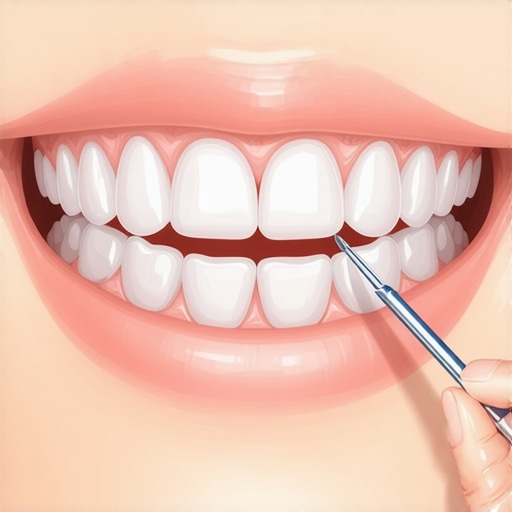
If you’ve ever experienced that sudden jolt of surprise when biting down and feeling a sharp edge where a filling once was, you know the unsettling feeling it creates. I remember the first time it happened to me—one moment I was enjoying my meal, and the next, I winced because of that tiny but nagging sharpness on my tooth. It was disappointing, and honestly, a little frightening. That sensation made me wonder: what exactly is going on, and more importantly, what does my dentist do to fix it?
The Unexpected Sharpness: Why Your Filling Might Feel Like a Razor Blade
When a filling feels sharp or rough, it usually boils down to a few common reasons. One of the most frequent causes is that the filling material slightly overhangs the natural tooth surface, creating an uneven edge. Over time, these edges can become more noticeable and sometimes irritate neighboring cheeks or tongue. Another culprit can be high spots—areas where the filling was initially placed a bit too high, making your bite uncomfortable and causing that rough sensation. Interestingly, studies show that about 30% of dental restorations require adjustment after placement to ensure a comfortable bite (source: expert advice). It’s quite common for these issues to develop, especially if your dentist was in a hurry or didn’t have the chance to fine-tune the filling immediately.
Early on, I made a mistake that many people do—ignoring that sharp feeling, thinking it would go away. Big mistake. That tiny rough edge can cause irritation, wear down other teeth, or even lead to chips if left unaddressed. Recognizing this early is key, which is why I urge everyone to pay attention to any discomfort or unusual textures after a dental procedure. The good news is, your dentist has a straightforward way to fix it—adjusting or smoothing out the filling to restore a comfortable, even surface.
Have You Faced This Problem?
If that familiar sharpness has been bothering you, don’t ignore it. It’s more common than you think, and prompt professional attention can prevent future dental issues. Understanding what causes these sensations and how your dentist repairs them empowers you to take better care of your smile. Ready to learn exactly what happens during a correction and how you can maintain your dental restorations? Let’s dive into the steps your dentist takes to keep your teeth smooth, comfortable, and healthy.
Positioning and Preparation
When I noticed my filling feeling like a tiny razor blade, I scheduled a dental appointment immediately. The dentist begins by examining the tooth with a mirror and specialized tools, like a mechanic inspecting a car’s engine to identify the exact problem areas. They ensure the area is dry by using cotton swabs and a saliva ejector, creating a clean, controlled environment for precise adjustment.
Assessing the Issue
The dentist then evaluates whether the sharp edge is due to overhang, high spots, or rough surface. This step is like a sculptor inspecting their work before smoothing. They might use articulating paper—a pink dye that marks the high spots on your tooth when you bite down—helping pinpoint where the filling is too prominent. I once watched the dentist bite on the paper, and when the high spot was identified, they prepared to make a correction.
Smoothing and Adjustment
Using a high-speed dental burr or finishing bur—a tiny rotating file—they carefully buff the problematic area. This process is akin to sanding a wooden surface to smooth out rough edges. The dentist incrementally checks the texture and bite, constantly testing with the articulating paper. During my visit, I saw how meticulous this step is; rushing could make the surface uneven or cause discomfort later.
Final Polishing
After the rough adjustments, a series of polishing disks or cups are employed to achieve a glossy, natural finish. This step ensures the filling blends seamlessly with the surrounding tooth, resembling polishing a jewelry piece to shine. I noticed that a well-polished filling not only feels smooth but also resists plaque buildup better, which is vital for long-term oral health.
Bite Verification and Comfort Check
The dentist asks you to bite down gently on articulating paper again to verify even contact. If any high spots remain, they make minor tweaks. I learned that a properly adjusted filling should feel invisible—no discomfort, sharpness, or unevenness. They might use a small mirror and a dental explorer to double-check, ensuring no edges irritate your cheeks or tongue.
Post-Procedure Care
Once satisfied, the dentist provides instructions on maintaining your restored tooth, emphasizing the importance of regular oral hygiene. Proper care—like consistent brushing, flossing, and periodic check-ups—can prolong the smoothness of your fillings and prevent future issues. For ongoing tips, visiting sources like maintaining your dental crowns is helpful, as many principles overlap with filling care.
Many patients assume that once a dental crown is placed, their journey to optimal oral health is straightforward. However, the realities are more nuanced, and misconceptions abound. A common myth is that crowns are entirely maintenance-free, leading some to neglect crucial aftercare. In truth, crowns require specific attention to prevent issues like chipping, discoloration, or even eventual failure. Furthermore, overestimating the lifespan of a crown without considering individual habits can be a costly oversight, as studies suggest that poor oral hygiene decreases crown longevity significantly (source: Caring for Crowns). Another misbelief is that crowns eliminate the need for regular cleanings, when in fact, meticulous hygiene remains essential to prevent decay at the margins and gum disease.
Advanced Cleaning: Are All Dental Tools Equal for Crowns?
Many believe that standard toothbrushes and floss suffice for crowned teeth. Although these tools are effective, specialized devices like water flossers or interdental brushes can offer superior plaque removal around crowns, especially in hard-to-reach areas. Ignoring this nuance might lead to buildup at the crown margins, risking gum recession or secondary decay. I’ve seen cases where neglecting proper cleaning accelerated crown failure, emphasizing that advanced tools tailored for crowns are a wise investment. Incorporating such practices aligns with expert advice on maintaining replacements like crowns over the long term.
Another critical nuance is understanding the precision involved in crown placement. Even minor errors in fitting can cause high spots or uneven contact, which can lead to bite problems and discomfort. This is where many people overlook the importance of regular check-ups to catch early signs of misalignment or wear. Dentists often use articulation paper to identify and correct these issues proactively, which can extend the life of your crown significantly and prevent the need for costly replacements. For those interested in how crowns can enhance your confidence, exploring how crowns can boost your smile can be enlightening.
Are You Falling for These Common Family Dental Myths?
Many families operate under the misconception that their children’s dental care can be neglected after primary teeth fall out. This dangerous myth can lead to neglected prevention and early problems in the adult teeth that follow. Regular family dentistry visits are crucial in establishing good habits early and catching issues before they escalate. The idea that kids don’t need deep cleanings or fluoride treatments until they’re teenagers is flawed; prevention is most effective in early stages. Learning about comprehensive family dental strategies from family dentistry practices helps in building a foundation for lifelong oral health. Likewise, many believe that cavities are solely caused by sugar intake, but saliva composition, enamel resistance, and oral habits also play roles — nuances that are often overlooked.
Finally, the importance of personalized care cannot be overstated. What works for one patient might be ineffective or even harmful for another, especially when dealing with underlying conditions like diabetes or dry mouth, which can complicate oral health management. Recognizing these nuances differentiates an average practice from a genuinely comprehensive one.
Have you ever fallen into this trap of misconceptions? Let me know in the comments what myths you’ve encountered or debunked in your dental journey!
How do I maintain my dental restorations over time?
Maintaining your dental restorations, like crowns and fillings, requires precision and consistency. I personally rely on a combination of high-quality tools and smart routines to ensure my oral health stays optimal. One game-changer for me has been investing in a water flosser, such as the Oral-B Water Flosser. Its pulsating streams effortlessly clean around crowns and between teeth, reaching areas traditional floss often misses. Regular use helps prevent plaque buildup at the margins, which is critical for long-term success, as emphasized in expert literature.
In addition to tools, I swear by an electric toothbrush with a sonic cleaning technology—the Philips Sonicare DiamondClean—which provides deep, gentle cleaning that preserves the integrity of restorations. Using a soft-bristled brush alongside these devices prevents undue wear and keeps surfaces smooth. It’s a small investment that pays dividends in durability and aesthetics.
Beyond hardware, software programs help me track my oral health routines efficiently. For instance, dental management apps like MySmile allow setting reminders for brushing, flossing, and scheduling check-ups. These digital tools help me stay accountable, ensuring I don’t slip on upkeep, especially in busy periods where routine can falter.
Custom mouthguards are another essential piece of the puzzle, particularly to prevent wear and chipping of crowns during sleep or sports activities. I recommend having a dentist tailor one for you—this proactive step can save you from costly repairs later.
Folks often overlook the significance of professional cleanings, which provide a deeper polish and early detection of potential issues. Regular visits, ideally every six months, complemented by at-home techniques, form a dual-layer defense. Notably, studies point out that this combination significantly extends the lifespan of crowns, as discussed in professional advice.
What future trends will influence at-home dental care?
The future is bright for self-care innovation. Expect advancements like AI-driven toothbrushes that analyze your brushing habits in real time to recommend improvements instantly. Moreover, tele-dentistry platforms will become more integrated, allowing for quicker assessments when combined with high-resolution intraoral cameras. These tools will empower patients to catch early signs of wear, decay, or gum disease, reducing emergency visits and improving long-term outcomes.
Becoming familiar with such tools now, like the latest at-home whitening kits or digital monitoring apps, can prepare you for a new era of proactive dental health. Exploring these options ensures your smile remains vibrant and healthy for years to come.
Get proactive with your dental care routine
If you’re serious about maintaining your restorations, start by incorporating a water flosser into your daily routine. Not only will it enhance plaque removal, but it also prolongs the life of your crowns and fillings. Pair this with an electric, sonic toothbrush for a comprehensive approach. Remember, consistency and the right tools are your best defense against long-term dental issues. For more tailored advice, consult your dentist or visit contact us to explore personalized options that suit your lifestyle and dental needs.
Lessons I Wish I Didn’t Have to Learn About Crowns and Oral Health
- Prematurely ignoring that sharp, rough feeling after getting a filling can lead to more complex issues, reminding me that proactive intervention saves time and discomfort later.
- Believing that all dental tools are equally effective was a mistake; investing in specialized tools like water flossers transformed my maintenance routine and prolonged the life of my restorations.
- Thinking that crowns are maintenance-free Myths, only to realize regular check-ups and proper hygiene are crucial to their longevity and appearance.
- Overlooking personalized advice when managing my dental health made me appreciate the value of tailored strategies, especially for complex cases or underlying conditions.