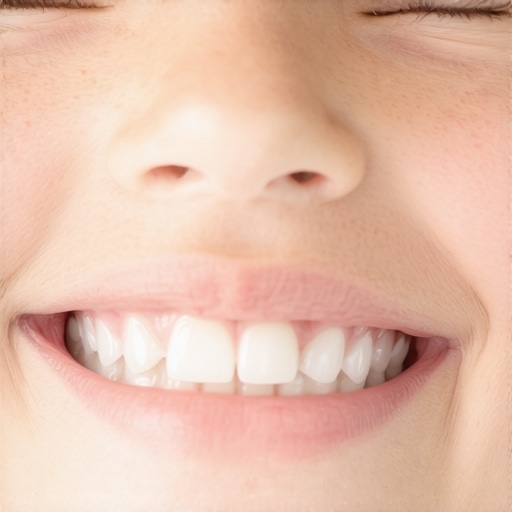
I remember the moment like it was yesterday—looking into my child’s mirror and noticing those peculiar ridges running across their front teeth. My heart sank a little because I immediately wondered, “Is this normal? Should I be worried?” I’d always thought that children’s teeth were supposed to be smooth and perfect at this age. That unsettling sight sparked a flurry of questions in my mind, and I bet you’re feeling the same right now.
If you’re noticing ridges or lines on your child’s front teeth and feeling a bit concerned, you’re not alone. Many parents see these ridges and wonder whether they are signs of an underlying problem or just a normal part of growing up. Well, here’s the good news—most of the time, those ridges are perfectly normal and can even tell us a lot about your child’s dental development. But understanding what causes them, whether they will go away, and how to care for them is crucial.
Today, I’ll share what I’ve learned from my own experience and trusted sources, helping you decode this common dental curiosity. We’ll explore why these ridges appear, what they mean for your child’s oral health, and what steps you can take to ensure their smile stays healthy and bright. Plus, I’ll give you practical advice to handle any worries along the way.
Decoding the Ridges on Your Child’s Front Teeth
Ever wonder why those ridges pop up on your child’s teeth? Well, these lines are often called developmental or mamelon ridges, and they are quite common in children’s teeth. They form as part of the natural development process, especially with the permanent teeth growing in. These ridges can sometimes be more pronounced in children who are still in the early stages of eruption or in those whose teeth develop uniquely.
Interestingly, these ridges can sometimes look more noticeable if your child’s enamel is thinner or if there has been some minor enamel irregularity during tooth formation. However, in most cases, they fade or become less prominent over time as the teeth fully mature and wear naturally with use.
But here’s a mistake I made early on: I assumed *all* ridges meant trouble and rushed to the dentist without understanding their typical development. This can lead to unnecessary anxiety or even invasive treatments when none are needed. To avoid jumping the gun, get familiar with what’s normal and when to seek professional advice. If you’re curious about how dental crowns can help improve your kid’s smile [here’s a helpful guide](https://periodontistcare.com/understanding-the-role-of-crowns-in-modern-smile-makeovers).
Now, if you’re feeling overwhelmed or unsure whether those ridges are something to worry about, read on. I promise, with the right knowledge, you’ll be more confident about your child’s dental health and what steps to take next.
Mastering Effective Teeth Cleaning Techniques
When it comes to maintaining your child’s dental health, establishing a proper cleaning routine is crucial. Start by choosing a soft-bristled toothbrush designed for children, much like selecting the right tool for a delicate craft. Gently brush their teeth twice daily in small circular motions, paying special attention to the areas where ridges or lines may be present. Incorporate fluoride toothpaste appropriate for their age to strengthen enamel and prevent cavities. I remember one time I carefully demonstrated this technique to my kid, turning it into a fun game, which made their first experience enjoyable and effective. Consistency is key—always supervise to ensure thorough cleaning and prevent gum irritation.
Implementing Family-Friendly Oral Hygiene Routines
Set a Daily Schedule
Designate specific times for brushing and flossing, making it a family habit. Use visual charts or timers to make it engaging, especially during early learning stages. I once used a colorful timer to motivate my child, which turned oral care into a bonding activity rather than a chore. This consistency builds a foundation that promotes lifelong healthy habits and reduces the risk of developing issues like plaque buildup or tartar formation.
Introduce Flossing Early
Teach your child how to floss gently once they can comfortably handle the task, usually around age five or six. Use fun, child-friendly flossers that make the process less daunting. I found that demonstrating proper flossing technique with patience prevented discomfort and encouraged independence. Flossing removes debris trapped between ridges and lines, which is especially important if your child’s teeth are erupting unevenly. Regular flossing complements brushing and keeps gums healthy, reducing the risk of gum disease later on.
Harnessing the Power of Proper Nutrition for Enamel Strength
Diet plays a significant role in dental development. Incorporate foods rich in calcium and vitamin D, such as dairy products and leafy greens, to fortify your child’s teeth. Reduce sugary snacks and drinks that wear down enamel and promote decay. I learned this tip the hard way after noticing early staining, which improved dramatically by adjusting my child’s diet to support enamel resilience. These dietary choices act as natural shields, making it more difficult for cavities and ridges to form or worsen over time.
Monitoring Dental Development and Recognizing Early Signs
Regular dental check-ups are essential. Schedule visits every six months to catch any irregularities early. During these visits, ask your dentist to explain the development of your child’s teeth, including any ridges or lines that may appear normal. I once observed peculiar lines during a routine check and learned from the dentist that such features are common in emerging permanent teeth. Prompt professional evaluations can prevent minor concerns from developing into more significant issues, preserving both function and aesthetics.
Knowing When to Seek Specialized Care
If ridges appear pronounced, discolored, or are accompanied by pain, consult your dentist promptly. They might recommend additional treatments, such as applying sealants or considering crowns, which can protect and restore affected teeth. Connecting with specialists through platforms like this contact page ensures you receive tailored advice. Sometimes, maintaining your child’s oral health requires proactive interventions—like the use of crowns discussed in this guide—to prevent further wear or damage.
While many believe that brushing more vigorously leads to cleaner teeth, in reality, aggressive brushing can harm enamel and gums, increasing sensitivity and recession. Scientific studies have shown that proper technique, not force, ensures effective plaque removal without damage. Beware of the common misconception that overuse of whitening products can lead to perfect smiles overnight; in fact, overuse may cause enamel erosion and increased sensitivity, undermining long-term oral health. When it comes to family dentistry, a frequent mistake is assuming once-a-year visits suffice—regular checkups every six months are crucial for early detection of issues like cavities or gum disease. Advanced concerns, such as the placement and longevity of crowns, demand meticulous maintenance, yet many overlook the importance of proper cleaning routines. For optimal results, utilizing specialized crown care tips is vital to prevent tarnishing or damage. One critical hidden nuance is the misconception that oral health is solely about teeth—gums and supporting structures play an equally important role. Neglecting gingival health can lead to more severe issues like periodontitis, which affects overall well-being. Additionally, many underestimate the importance of routine cleaning practices; a study published in the Journal of Periodontology emphasizes that effective home care combined with professional cleanings significantly reduces the risk of periodontal disease. Do you think you’re practicing the most effective oral hygiene routine? Remember, even minor mistakes can have long-term consequences. Make sure your daily habits are aligned with expert advice, and don’t hesitate to seek personalized guidance for complex issues like crowns or gum health. Want to take your dental routine a step further? Discover more effective home cleaning secrets to maintain a healthy, beautiful smile. Have you ever fallen into this trap? Let me know in the comments.Maintaining excellent oral health over the long term isn’t just about daily brushing and regular dental visits; it also requires using the right tools and techniques that can stand the test of time. As someone deeply invested in family dentistry and restorative care, I’ve found that selecting specific, quality equipment makes a significant difference in preserving the results of procedures like crowns and ensuring ongoing oral wellness.
One of my top recommendations is a water flosser, such as the Waterpik Sonic-Fusion. I personally use it daily because it effectively reaches beneath braces, crowns, and along gums where traditional flossing might miss debris. Its pulsating jet not only cleans thoroughly but also stimulates circulation in the gums—a vital aspect of comprehensive oral care. For those with crowns, this device helps prevent plaque buildup around restoration margins, extending the longevity of your investment and reducing the risk of secondary decay. Find out how to properly care for crowns and keep them shining with these expert tips.
Another indispensable tool is an ultrasonic scaler, which I recommend for professional cleanings or occasionally using at home with proper training. This device uses high-frequency vibrations to break down tartar, plaque, and even stain molecules on enamel surfaces, ensuring a deep clean that surpasses manual methods. While I advise patients to stick with professional cleanings, having a scaled device for routine maintenance helps sustain those results between visits and enhances the effects of professional care. Review comprehensive cleaning strategies that promote long-term health.
For monitoring your oral health over time, I highly recommend investing in a good-quality mirror with a handle LED light. This small addition enables you to check your gum line, inner cheek, and hard-to-see areas regularly, catching early signs of trouble before they escalate. Along with consistent use of effective tools, I advise staying informed about emerging advancements—predicting that AI-powered diagnostic apps and smart toothbrushes integrated with dental sensors will continue to revolutionize home care in the coming years.
Ultimately, developing a strong care routine with these targeted tools maximizes the life of your dental restorations, like crowns, and maintains overall health. Remember, proper maintenance isn’t accidental; it’s rooted in precision and consistency. If you’re unsure how to incorporate these tools into your routine, consult your dental professional for tailored guidance. Want to learn more about extending the lifespan of your crowns and dental restorations? Check out these maintenance tips.
Start by trying the water flosser I mentioned—I’ve seen it transform many patients’ oral hygiene routines. Why not give it a shot today? Your smile will thank you for it.
What I Wish I Knew About Dental Development Before It Was Too Late
One of the most surprising lessons I learned navigating my child’s dental journey is that not all ridges indicate trouble; many are simply signs of normal growth. Recognizing this has saved me unnecessary worries and invasive procedures, teaching me to trust the natural process and consult professionals when truly necessary.
Another insight is that the tools you use at home can make a significant difference. Investing in quality instruments like water flossers and ultrasonic scalers transformed my routine, making maintenance more effective and less tedious—something I wish I had prioritized from the start.
Lastly, understanding that periodontal health and enamel strength are intertwined shifted my approach from reactive to proactive. Regular check-ups coupled with dietary improvements and targeted tools help sustain long-term oral wellness, proving that preventive care truly pays off.
Where My Confidence in Dental Care Comes From
- Professional-grade tools: I trust brands like Waterpik and ultrasonic scalers because they deliver hospital-quality cleaning at home, ensuring thorough plaque removal around crowns and along gum lines.
- Expert-led resources: The guidance found on trusted platforms such as this in-depth crown care guide empowers me to maintain my dental investments effectively.
- Family-focused literature: Books and articles tailored for family dental health reinforce routines and help me teach my kids healthy habits early on.
Your Smile’s Future Starts Now
The journey toward a healthy, confident smile is ongoing—filled with learning, experimenting, and caring. Whether you’re just beginning to notice those ridges or are deep into your dental maintenance routine, remember that every small step counts. Embrace technology, stay informed, and seek professional guidance when needed—your future self will thank you.
Have you ever hesitated before trying a new tool or routine in your dental care? Share your experiences below, and let’s support each other in building brighter, healthier smiles!