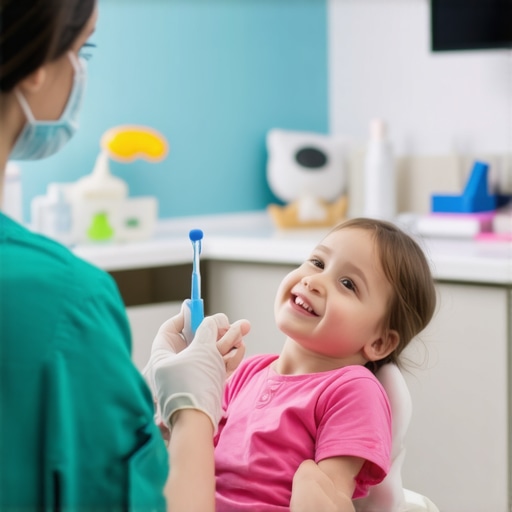
I remember the early mornings when my child would cling to me, trembling, as we approached the dental office. The sights, sounds, and unfamiliar faces seemed to amplify her anxiety, making what should have been a routine cleaning feel like an insurmountable challenge. That lightbulb moment hit me hard: not all dentists are equipped—or even willing—to handle children who experience intense fear or anxiety, especially when it’s specific to dental visits.
Why Choosing the Right Dentist for Anxious Kids Matters
Navigating dental care for children with anxiety isn’t just about finding someone who can examine teeth; it’s about creating a safe space where your child feels understood and protected. A mismatch here can lead to years of skipped check-ups, worsening oral health, and a lifetime of dental fears. According to the American Academy of Pediatric Dentistry, about 20% of children experience dental anxiety or phobia, which can significantly impact their oral health and overall well-being.
Are you tired of seeing your child fight tears, or worse, refuse to step into the dental office altogether? If so, you’re not alone. Many parents grapple with this challenge, longing for a solution that won’t make dental visits a source of trauma.
Can Any Dentist Handle Pediatric Anxiety Effectively?
In my early days, I made the mistake of trusting a family dentist just because they accepted children. Unfortunately, that meant little to no specialized training in pediatric anxiety. The result? A visit that only intensified my child’s fears, leading me to realize that expertise in handling anxious kids isn’t a luxury—it’s essential. It’s worth exploring dentists who specifically focus on pediatric patients and employ techniques like distraction, gentle communication, and sometimes sedation, to make the experience less intimidating.
So, how do you find such a dentist? And what should you look for to ensure your child’s dental visits become less frightening and more positive? That’s what we’re going to explore next.
Prepare Your Child With Clear Expectations
Start by explaining what will happen during the appointment in simple language, emphasizing that the dentist will make their teeth shiny and healthy. Use analogy to everyday experiences, like comparing the dentist to a ‘teeth mechanic’ who ‘fixes’ and ‘cleans’ teeth just like a car mechanic works on cars. This frames the visit positively and reduces fear. For example, I once told my daughter that the dentist is like a superhero who helps keep her smile bright and strong, which she loved and made her curious instead of anxious.
Choose a Pediatric Dentist Skilled in Anxiety Management
Research and visit clinics that specialize in children’s dental care with a focus on anxious patients. Look for dentists trained in distraction techniques, gentle communication, and, if necessary, sedation options. Call ahead and ask how they handle nervous kids—some employ video glasses, music, or toys to distract during procedures. I called a few offices, and when I spoke with the staff about my daughter’s fear, one recommended a special comfort menu, which turned out to be hugely effective in calming her during her first visit.
Use Distraction and Comfort Techniques During Visits
Implement distraction strategies such as playing their favorite music or showing them a video on a tablet. Bring along a trusted toy or blanket for comfort. Position yourself in a way that your child feels supported. For instance, during my child’s next appointment, I held her hand and talked to her softly while the dentist used a gentle, quiet approach. It’s like steering a boat; you need to keep the course steady and reassuring, making the experience less intimidating.
Develop a Consistent, Positive Routine for Dental Care
Establish daily oral health habits that empower your child. Make brushing fun by using matching toothbrushes or flavored toothpaste. Practice at home by role-playing dentist visits, which helps desensitize them. For example, I turned brushing into a game where she pretended to be a superhero fighting plaque monsters, which built her confidence and made the real visits smoother. Regular visits without trauma reinforce good habits and diminish anxiety over time.
Leverage Visuals and Social Stories to Normalize Dental Visits
Use pictures, storybooks, or videos that depict children happily visiting the dentist. Visual aids help your child understand what to expect and associate it with positive feelings. When my son was scared, I showed him a storybook about a friendly dental garden with smiling characters, which made him more willing to sit in the chair. This approach simplifies complex procedures and reduces the fear of the unknown.
Seek Professional Guidance for Severe Anxiety
If your child’s fear is overwhelming, consult a pediatric dentist experienced in handling severe cases. They may suggest behavioral therapy or mild sedation, which can be a game-changer. I once had to consider sedation for my daughter’s extraction, and the dentist coordinated with a child psychologist to develop a comprehensive plan, ensuring a safe and positive experience. Understanding that professional support exists can alleviate parental stress and improve your child’s dental journey.
Many people assume that regular brushing and professional cleanings are enough to maintain optimal oral health, but the reality is far more nuanced. One common misconception is that more frequent teeth whitening treatments automatically lead to brighter, healthier teeth; however, overuse of whitening agents can weaken enamel and increase sensitivity, especially if the products contain harsh abrasives. This underscores the importance of consulting with a professional before starting any bleaching regimen, as detailed in [expert advice on crowns and teeth cleaning](https://periodontistcare.com/expert-advice-on-crowns-and-teeth-cleaning-for-lasting-results). Another prevalent myth is that dental floss alone prevents gum disease; while flossing is beneficial, it must be complemented by proper brushing techniques and regular check-ups to truly reduce plaque buildup and prevent periodontal issues. Think of flossing as a useful tool, but not a standalone solution.
A less obvious but critical detail often overlooked is the impact of untreated crowns on long-term oral health. Many believe that once a crown is placed, ongoing maintenance isn’t essential, but neglecting proper care can lead to decay underneath the crown or even crown failure. Discover more about maintaining your dental crowns with [dos and don’ts for longevity and shine](https://periodontistcare.com/caring-for-crowns-essential-tips-for-longevity-and-shine). It’s easy to fall into the trap of neglecting routine check-ups after restorative procedures, but this routine is vital to catch issues early.
For those focused on overall wellness, understanding the subtle effects of oral health on systemic conditions is key. Chronic gum inflammation might seem benign but has been linked to heart disease, diabetes, and respiratory illnesses. A study in the *Journal of Clinical Periodontology* emphasizes that maintaining periodontal health can significantly reduce inflammatory markers in the body, highlighting that oral health isn’t just about teeth—it’s a cornerstone of general well-being. More about the impact of regular teeth cleaning on overall health can be explored [here](https://periodontistcare.com/the-impact-of-regular-teeth-cleaning-on-overall-oral-wellness).
The ‘oops’ factor? Oftentimes, patients procrastinate on replacing worn crowns or ignore minor discomforts, thinking these are insignificant. But small issues can escalate into costly repairs or infections. Delay in addressing these signs might compromise your entire oral system. Always stay vigilant and consult your dentist at the first sign of trouble.
Have you ever fallen into this trap? Let me know in the comments. Maintaining an advanced understanding of how meticulous care and avoiding pitfalls contribute to long-lasting oral health is crucial. By challenging misconceptions and paying attention to the nuanced details, you can make smarter choices for your smile’s longevity.Maintaining your oral health and ensuring your dental work lasts require the right tools and disciplined routines. Personally, I recommend investing in a high-quality water flosser, such as the Waterpik Ultra, because it efficiently cleans around crowns and under bridges, which traditional floss can’t always reach. I use it daily as part of my routine to dislodge plaque and debris, especially around restorations, enhancing longevity and preventing decay.
Another essential is a nuanced electric toothbrush—I’d suggest the Oral-B Genius X. Its oscillating-rotating technology coupled with real-time pressure sensors ensures gentle yet thorough cleaning, protecting sensitive crowns and natural teeth alike. Regular use of such advanced tools significantly reduces the risk of gum disease and prolongs the lifespan of dental restorations.
In addition to hardware, software plays a role. I personally utilize the practice of tracking my oral hygiene with apps like ‘MyOralHealth,’ which sync with my toothbrush via Bluetooth. This helps me maintain consistency and receive real-time feedback on my brushing habits, making sure I meet my cleaning goals every day. Over time, this approach improves my overall oral health and ensures my crowns and fillings stay in optimal condition.
Looking ahead, I predict that future trends will incorporate AI-driven diagnostics within home devices, providing personalized feedback and even early warning signs for decay or gum issues. Companies are already exploring smart sensors embedded in toothbrushes and flossers, which could revolutionize at-home dental maintenance.
How do I keep my dental tools effective over time?
Regular replacement of brush heads and floss tips is crucial, as worn-out bristles and fibers won’t clean effectively. Follow manufacturer instructions, typically replacing toothbrush heads every three months and flossing devices biannually. Also, routinely disinfect your electric toothbrush and water flosser with a vinegar solution to eliminate bacteria buildup, ensuring each use is hygienic.
To maximize results, incorporate professional cleanings and check-ups into your schedule. These visits help identify issues early and allow your dentist to calibrate your tools and routines optimally. For example, I schedule my professional cleaning twice a year, and I always discuss my home routine to fine-tune my approach.
Incorporating these advanced tools and disciplined habits can dramatically improve your long-term oral health. If you’re interested in exploring more about maintaining your crowns specifically, check out [caring for crowns](https://periodontistcare.com/caring-for-crowns-essential-tips-for-longevity-and-shine) to discover specialized tips.
Start today by trialing a water flosser with adjustable pressure settings. Its effectiveness in maintaining crown longevity is well-documented, and your smile will thank you over the years! For comprehensive maintenance strategies, consulting with your dentist is always recommended, especially when integrating new tools into your routine. If you’re unsure where to begin, reach out through our [contact page](https://periodontistcare.com/contact-us) for personalized advice.
Hidden Lessons from a Lifelong Journey with Crowns and Comfort
One of the most eye-opening realizations I had was how crucial it is to view crowns not just as quick fixes but as long-term commitments requiring meticulous care. I once believed that a crown was a set-it-and-forget-it solution, only to learn that neglecting routine maintenance can lead to issues like decay underneath or even crown failure. The lightbulb moment came when a small discomfort turned into a costly repair, teaching me the importance of proactive monitoring and regular check-ups. This experience underscored that even the most durable restorations need love and attention, just like natural teeth.
Another lesson I deeply valued was understanding that not all dental tools are created equal. Using high-quality, dentist-recommended cleaning devices—like a water flosser or an advanced electric toothbrush—has transformed my oral health routine. These tools aren’t just gadgets; they’re vital allies in maintaining crown longevity and overall gum health. I’ve realized that investing in the right tools makes a tangible difference, reducing the need for future procedures and keeping my smile vibrant.
Patience and persistence emerged as my unexpected heroes. Achieving a healthy, confident smile isn’t about quick fixes but about consistent habits. Regular appointments, proper brushing techniques, and using visual aids or social stories to desensitize fears have built my confidence and resilience. The journey taught me that progress might be slow at times, but every small step adds up to a lifetime of healthy smiles and personal confidence.
Tools and Insights That Changed My Approach
- Aquality Water Flosser: I trust models like the Waterpik Ultra for their effectiveness in cleaning around crowns and under bridges. It’s a game-changer in preventing plaque buildup and ensuring my restorations last.
- Smart Electric Toothbrush: My favorite is the Oral-B Genius X, offering gentle yet comprehensive cleaning. It perfectly complements my routine of crown care and enhances overall oral health.
- Educational Resources: Websites such as caring for crowns provide invaluable tips on maintenance, helping me stay ahead of potential issues and prolong the life of my dental work.
- Professional Guidance: Regular dental visits and open communication with my dentist help identify early signs of trouble. I’ve learned the importance of trusting experts for personalized advice and specialized treatments when needed.
Keep Smiling—Your Best Years Are Still Ahead
If there’s one thing I want you to take away, it’s that your teeth—and especially your crowns—deserve ongoing attention and care. Building habits that prioritize regular check-ups, proper tools, and education can truly change your dental story. Remember, your smile isn’t just about aesthetics; it’s about confidence, health, and the joy of sharing it with others. Start today, and watch how small efforts lead to big, lasting results. Your future self will thank you for making your oral health a priority.
Have you ever been surprised by a hidden dental issue? Share your experience below—I’d love to hear your story and help you find the best path forward.
,