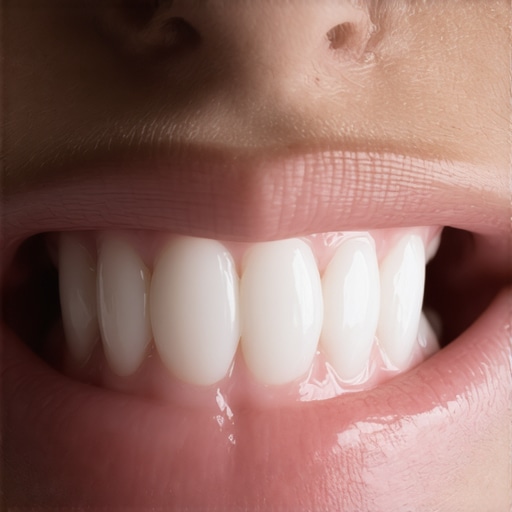
It happened during a routine cleaning. I leaned back in the dental chair, expecting just a quick polish and check-up. Instead, I felt a sharp, nagging ache deep in my jaw that I couldn’t ignore. At first, I blamed it on that stubborn piece of food caught between my teeth. But as days went by, the discomfort persisted, intensifying, and I started to worry. Trying to pinch around the area, I realized swelling had crept up—something was wrong, but I was no closer to knowing what. It was a lightbulb moment for me: I needed to figure out if my wisdom tooth was impacted, but I didn’t want to go through the hassle (or expense) of an X-ray just yet.
Why Recognizing Impacted Wisdom Teeth Matters More Than You Think
By now, many of us know that impacted wisdom teeth can lead to serious issues—pain, infections, potential damage to neighboring teeth, and even cysts that can harm your jawbone. But what I didn’t realize early on was just how critical it is to catch the signs early, especially if you’re like me and prefer avoiding unnecessary dental procedures. My goal today? To share practical, proven ways to suspect an impacted wisdom tooth without immediately needing an X-ray. The good news? There are telltale symptoms and simple checks that can give you a pretty good idea of what’s happening beneath your gums—no fancy equipment required.
Is Self-Assessment Really Reliable? My Early Mistake
Admittedly, I made a rookie mistake early in my journey. I dismissed the discomfort as typical wisdom tooth trouble and waited too long to seek professional advice. That delay only worsened the pain and complicated my recovery. I learned the hard way that while self-assessments are useful, they’re not a substitute for expert evaluation. Still, being aware of the signs can significantly speed up getting the right help. If you’d like to learn more about how professional care can help, check out how crowns can boost your smile confidence. Now, let’s dive into how you can start assessing your own situation right at home.
Start with a Visual Inspection
Begin by examining your gums and teeth in a well-lit mirror. Look for swelling, redness, or visible misalignment, especially behind your last molars. I’ve personally found a small bulge and slight discoloration behind my wisdom tooth area, which prompted me to explore further. Using a flashlight or a magnifying mirror can help you see hidden signs more clearly.
Feel for Tenderness and Swelling
Gently press around your jawline and the gums at the back of your mouth. Notice any tenderness, hardness, or swelling. For example, I noticed a firm swelling when I pressed near my wisdom tooth region, which felt different from the rest of my gums. This tactile check can reveal areas of inflammation that aren’t immediately visible.
Assess Pain Patterns
Pay attention to when and how your discomfort occurs. Is the pain dull or sharp? Does it worsen when swallowing or opening your mouth wide? I experienced dull, persistent throbbing that intensified during the night, hinting at possible impaction. Keeping a pain journal helps identify patterns that are typical in impacted teeth cases.
Test Your Range of Motion and Bite
Attempt to open your mouth fully and observe any stiffness or discomfort. Also, check if your bite feels uneven or if you notice a shifting sensation. For instance, I realized I couldn’t open my mouth as wide as usual without pain, which can be a sign of underlying impaction pressing against muscles and bones.
Monitor for Persistent Bad Breath or Unusual Taste
If you notice lingering bad smell or metallic taste, it could indicate infection or decay associated with impacted wisdom teeth. I experienced a slight foul odor that wouldn’t go away despite good oral hygiene, prompting me to seek further evaluation.
Use Over-the-Counter Tools
Consider using dental probes or tongue depressors carefully to detect irregularities or hard spots near the back of your mouth. Be cautious to avoid injury and consult your dentist if anything feels abnormal. I used a clean toothpick to gently probe and felt a small hard bump, which later turned out to be my impacted wisdom tooth pressing against surrounding gums.
When to Seek Professional Help
If your self-assessment reveals persistent swelling, severe pain, difficulty opening your mouth, or signs of infection, contact a dental professional promptly. Remember, while these steps can guide you, only a dentist can confirm impaction with X-rays and provide definitive treatment options. If you’re unsure or symptoms worsen, don’t delay—reach out at this link to schedule an appointment.
Practicing these assessments regularly can help you catch issues early, much like I did, saving you from more complicated procedures down the line.
While many believe that dental crowns, routine cleanings, and general oral care are straightforward, experts understand the subtle complexities that can make all the difference in long-term dental health. For instance, a common myth is that all crowns are equivalent. In reality, the material, design, and placement techniques significantly impact durability and aesthetics. Choosing zirconia over porcelain, for example, isn’t just about appearance—it’s about strength and compatibility with your bite, which can prevent future problems.
Many patients also underestimate the importance of customized cleaning approaches. Regular flossing and brushing are fundamental, but specific techniques tailored to your oral anatomy can prevent issues like gum recession or decay around crowns. Neglecting these nuances may lead to accelerated wear or even crown failure. Are you aware that improper flossing methods can damage delicate restorations? Learn more about best practices for maintaining crowns.
What If You Over- or Under-Brush? An Advanced Take
Having an overly aggressive brushing routine, especially with a hard-bristled brush, can erode gum tissue and expose root surfaces, leading to sensitivity and recession. Conversely, insufficient cleaning allows plaque accumulation, risking decay and gum disease. A delicate balance, personalized to your gum and enamel health, is essential—a nuance many overlook. Incorporate gentle, circular motions with soft-bristled brushes, and consider using adjuncts like interdental brushes or water flossers for hard-to-reach areas.
Experts also emphasize the importance of regular professional assessments. Routine cleanings aren’t just about removing plaque; they are opportunities to detect early signs of issues like subclinical inflammation or microfractures in crowns—problems a patient can’t feel but could lead to bigger failures if ignored. Don’t miss out on the proactive advantage—find out more in expert advice on crowns and cleaning.
Are There Long-Term Risks Hidden in Routine Care?
Surprisingly, small oversights during routine flossing or cleaning sessions can accumulate over time, resulting in complex restorative failures or periodontal disease. The nuanced understanding that experience provides helps in devising strategies like periodic bite adjustments or avoiding over-polishing of crowns, which can weaken the material. Moreover, misconceptions, such as believing that only dentists can detect issues, could delay necessary interventions. Keeping abreast of the latest research—like the impact of saliva composition on crown longevity—further empowers patients and practitioners alike.
In-depth knowledge of these subtleties is what separates basic dental care from truly effective, long-lasting oral health strategies. To ensure your smile remains healthy and radiant, consider consulting with specialists who understand these nuances. Interested in learning how crowns fit into a holistic approach to aesthetics and function? Check out the role of crowns in smile makeovers. And remember, personalized advice can prevent many common pitfalls. Have you ever fallen into this trap? Let me know in the comments.
Maintaining your oral health extends beyond daily brushing and flossing. Investing in the right tools and adopting effective maintenance routines can significantly prolong the lifespan of your dental restorations and ensure long-term oral wellness. As someone deeply committed to preserving my smile, I rely on specific equipment and methods that have proven their worth over time.
Why I Trust the Sonic Electric Toothbrush
Not all brushes are created equal. I personally use the Philips Sonicare DiamondClean because its sonic technology delivers over 31,000 strokes per minute, effectively removing plaque and enhancing gum health without damaging delicate tissues. Its timer feature ensures I brush for the recommended two minutes, and the multiple modes—clean, gum care, and whitening—allow me to target specific needs. The gentle yet thorough cleaning significantly reduces the risk of plaque buildup around crowns and implants, vital for maintaining restorations’ integrity.
The Role of Water Flossers in Routine Care
For interdental cleaning, I prefer the Waterpik Aquarius water flosser. Unlike traditional floss, it uses pulsating water streams to dislodge debris and plaque from hard-to-reach areas, especially under dental bridges and around crowns. The adjustable pressure settings let me customize my experience, avoiding irritation while ensuring effective cleaning. Regular use helps prevent gingivitis and decay, extending the longevity of restorations and natural teeth alike.
Smart Software for Tracking Oral Health
Staying consistent is key. I utilize the Dentacare app, which syncs with my electric toothbrush to monitor my brushing habits and remind me when to replace my brush head or schedule professional cleanings. Using such software keeps me accountable and provides insights into my oral hygiene patterns, helping me catch issues early before they escalate.
Cutting-Edge Tools on the Horizon
Predictions indicate that in the near future, AI-powered diagnostics paired with at-home sensor technology could revolutionize how we maintain oral health. Devices that analyze saliva composition could alert you to potential problems—like early signs of decay or systemic health issues—before symptoms appear. Staying informed about these innovations enables proactive care, saving time and resources in the long run.
How Do I Maintain My Dental Equipment?
Proper maintenance of your tools is as crucial as using them. Rinse toothbrush heads and flossers thoroughly after each use, and replace brush heads every three months or sooner if the bristles fray (source). Regularly sterilize water flossers with vinegar solutions or manufacturer-recommended cleaning cycles to prevent bacterial build-up. Keeping tools in a dry, ventilated space minimizes mold and ensures they stay effective for years.
Incorporating these specific tools and upkeep routines into your dental regimen not only preserves your current restorations but also promotes overall health. Why not take one step further today and integrate a high-quality water flosser into your routine? Your smile will thank you for sustained resilience and shine.
Three Unexpected Truths I Discovered About Crowns and Oral Hygiene
One of my biggest lightbulb moments was realizing that even seemingly minor habits, like the way I flossed or the type of toothbrush I used, could dramatically impact the longevity of my dental restorations. I used to believe that once a crown was placed, little else mattered beyond routine visits; now I see that daily care practices are vital allies in preserving those precious investments. Additionally, I learned that paying attention to subtle changes—like minor sensitivity or a slight shift in bite—could be the first signs of developing issues, urging me to seek professional advice sooner rather than later. Lastly, embracing advanced tools such as water flossers and smart brushing apps has turned routine maintenance into a proactive, manageable part of my life, giving me confidence in my smile’s future.
Tools and Knowledge That Elevate Your Family’s Dental Well-being
My go-to resources include the Guides on maintaining your dental crowns which offer expert tips I trust for long-lasting restorations. The advice from dental specialists provides insights into preventive care that I incorporate into my family’s routines. For staying ahead of potential issues, the latest oral health tips are invaluable. These tools and information sources empower me to make informed decisions and foster a resilient, healthy smile for all ages.
Take Charge of Your Dental Journey Today
Achieving lifelong oral health isn’t just about routine; it’s about embracing a mindset of proactive care, informed choices, and continuous learning. Whether you’re considering new tools like water flossers or planning that next dental check-up, remember that your actions today shape the strength and brilliance of your smile tomorrow. Don’t wait for problems to arise—start integrating smarter habits now, and watch your confidence grow. Your healthy, happy smile awaits—are you ready to take the first step? Share your experiences below or ask for guidance on your dental journey. Every comment is a chance to learn and grow together in the pursuit of optimal oral wellness.
,