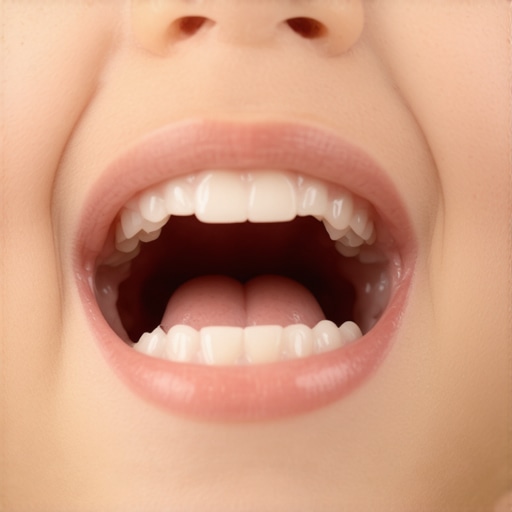
I remember the first time I noticed my child’s teeth looked… unusual. It was a morning like any other, but as I brushed her teeth, I caught a glimpse of a second row of teeth hidden behind her primary teeth. My heart sank. I wondered, “Is this normal? Should I be worried?” That moment was a real lightbulb for me, sparking a deeper dive into childhood dental development.
The Unexpected Surprise Inside My Child’s Smile
When I learned that some children develop two rows of teeth—what dentists call *succession of teeth* or more technically, extra teeth or teeth that fail to shed—my concern grew. It turns out, many parents are caught off guard by this condition, often mistaking it for a dental anomaly or a sign of more significant issues.
Understanding why this happens is crucial. Sometimes, it’s a benign variation, but in other cases, it signals underlying developmental concerns that could affect your child’s oral health long-term. According to research, about 1-2% of children might experience such dental patterns, indicating that you’re not alone in this experience.
My early mistake was dismissing the situation as just an unusual appearance. I didn’t realize that ignoring it could lead to misaligned teeth, crowding, or even trauma to the emerging adult teeth. That was a lesson I learned the hard way, emphasizing the importance of consulting knowledgeable dental professionals early.
So, if you’ve noticed similar patterns in your child, don’t brush it off. In the next sections, we’ll explore how to identify, evaluate, and address this condition effectively, so your child’s smile remains healthy and confident.
Is your child’s double row of teeth something to worry about?
Many parents worry if this dental pattern is a sign of something more serious. Rest assured, with proper assessment and timely intervention, most cases can be managed well. It’s all about catching the signs early and working with a skilled dentist.
Stay tuned as we dive into the practical steps to ensure your child’s teeth develop properly and how to navigate the often confusing world of pediatric oral health. Remember, your proactive approach can make a significant difference in your child’s dental future. Want to learn more about effective dental care routines? Check out our recommendations on [oral health tips](https://periodontistcare.com/oral-health-tips-every-family-should-follow-in-2025) to keep your family smiling brightly.
Assessing the Situation Immediately
Start by gently examining your child’s mouth, looking for signs of excess teeth or unusual crowding. Use a mirror and a flashlight to get a clear view. Remember, if you notice a second row of teeth, don’t panic; many variations are benign. However, prompt assessment is vital to determine if professional care is needed.
Perform a Gentle Oral Inspection
Dig into a routine where you sit with your child and gently open their mouth—make it feel like a game. Observe the emergence of new teeth, alignment, and whether the extra teeth seem to be causing discomfort or crowding. This initial step helps you gather essential information before visiting the dentist.
Scheduling a Professional Dental Evaluation
Contact a pediatric dentist or your family dentist experienced in managing unique dental development. Use the online resources to find a suitable specialist; for example, check this guide for selecting the right professional.
During the visit, the dentist will conduct a thorough examination, possibly including X-rays to visualize the developing teeth beneath the gums. Remember, X-rays are crucial here—they reveal unerupted teeth and help plan the correct intervention.
Preparing Your Child for the Appointment
Explain to your child that the dentist will check their teeth to make sure everything is growing healthily. Use positive language to reduce anxiety, and avoid overemphasizing potential issues. A well-prepared child will cooperate better and help facilitate an accurate assessment.
Understanding Treatment Options and Their Timing
If the dentist confirms that the extra teeth are benign, they might recommend monitoring without immediate action. In contrast, if the teeth are causing misalignment or crowding, professional intervention becomes necessary.
Common procedures include removing problematic extra teeth or guiding the eruption of permanent teeth with space maintainers—analogous to creating proper pathways for a train to run smoothly. Early intervention can prevent complex orthodontic issues later on.
Implement Daily Oral Care Strategies
Consistent brushing and flossing are fundamental, especially with unusual teeth arrangements. Use a small, soft-bristled toothbrush designed for children, focusing on reaching all areas—think of it as giving each tooth a gentle but thorough massage. Incorporate fluoride toothpaste to strengthen enamel and fight decay.
Regular cleaning prevents plaque build-up, which is essential since crowded or extra teeth can inadvertently trap debris. Make brushing a fun family activity, perhaps turning it into a game, to establish good habits early.
Creating an Ongoing Monitoring Routine
Establish a schedule for regular dental visits—at least twice a year—to keep an eye on your child’s dental development. Use these appointments to discuss any emerging concerns, like crowding or misalignment, and explore preventive options.
Additionally, maintain good oral health habits at home, such as limiting sugary snacks and encouraging rinsing after meals, which helps reduce the risk of decay around complex tooth formations.
Additional Tips for Parents
Stay informed about your child’s dental progress. Visit this resource for comprehensive oral hygiene tips tailored to families. Remember, early action and consistent care are your best tools in managing this dental variation effectively.
 Many assume that visiting the dentist regularly and brushing twice a day automatically guarantee perfect oral health. However, this common belief overlooks critical nuances that can compromise long-term dental success. For instance, the misconception that routine cleanings alone prevent all gum disease is widespread; in reality, hygiene routines need to be tailored to individual risk factors. According to a 2023 study in the Journal of Dental Research, personalized periodontal maintenance significantly reduces periodontal progression compared to standard cleaning protocols. This underscores the importance of understanding your unique oral environment. Additionally, many think that crowns are a one-size-fits-all solution, but the longevity of a crown depends heavily on proper placement, material choice, and ongoing maintenance, as detailed here. One trap to avoid is neglecting the role of lifestyle factors—like diet, smoking, and sleep—which profoundly impact oral health. For example, frequent consumption of acidic foods can erode enamel even with diligent brushing. When it comes to teeth cleaning, most believe more frequent is better; however, abrasive overcleaning can damage enamel and gums. Regular, gentle cleanings performed correctly are key, and dental professionals can guide you on optimal techniques—more on this here. Advanced patients might wonder about the impact of emerging technologies like laser therapy or air abrasion; while promising, these modalities require expertise to avoid unnecessary tissue damage. Does this challenge the notion that newer always means better? Absolutely. An expert review suggests that the choice of dental technology should be based on evidenced outcomes rather than marketing hype. Remember, a thorough understanding of these nuances allows for smarter decisions that protect your smile for years to come. Have you ever fallen into this trap? Let me know in the comments and share your experiences.Maintaining your family’s oral health over time requires more than just good daily habits; it involves utilizing the right tools and adopting proven methods that ensure durability and effectiveness. My personal edge comes from carefully selecting specific equipment and techniques that I trust to keep teeth in optimal condition, especially when managing complex situations like crowns or persistent plaque buildup.
A top recommendation is investing in a **sonic toothbrush**. Unlike traditional manual brushes, sonic models deliver high-frequency vibrations that disrupt plaque more effectively and reach areas that are often missed with manual brushing. I personally use the **Sonicare DiamondClean** because it has a built-in timer, multiple brushing modes, and a pressure sensor that prevents over-brushing, all of which contribute to healthier gums and longer-lasting restorations.
Many underestimate the importance of **interdental cleaning tools**. I advocate for employing **water flossers**, such as the **Waterpik Aquarius**, especially for patients with crowns, bridges, or braces. The gentle water jets can remove debris from hard-to-reach spots without damaging delicate restorations, reducing the risk of decay or periodontal issues around crowns.
For detecting early signs of issues, **UV light disclosing tablets** are invaluable. They stain plaque remnants that are invisible to the naked eye, guiding you to brush more thoroughly. Regular use helps prevent the formation of calcified plaque, which can accelerate wear on crowns or cause gum disease.
Regarding software, I recommend integrating a **digital dental charting app** like **Dentiic**. This program enables tracking of your oral health over time, scheduling reminders for check-ups, and storing photos of problem areas or restorations, making long-term maintenance more manageable.
Looking ahead, the trend seems toward smarter, AI-powered tools that customize care routines based on individual risk factors. Wearable health devices could soon monitor oral health metrics like pH or bacterial activity, alerting users to take action before problems develop.
How do I keep my dental work in top shape over the years?
First, commit to professional cleanings at least twice a year, emphasizing early detection to prevent minor issues from transforming into costly repairs. Supplement this routine with advanced tools like **ultrasonic scalers** during cleanings, which efficiently remove heavy tartar buildup without harming the enamel.
Additionally, prioritizing protective measures such as custom-fitted **night guards** can shield crowns from undue wear caused by grinding. Maintaining a balanced diet low in acidic foods and avoiding habits like nail-biting or using teeth as tools prolongs the life of restorations. For an in-depth understanding of crown upkeep, I suggest reviewing [this resource](https://periodontistcare.com/maintaining-your-dental-crowns-dos-and-donts-for-best-results).
Finally, I recommend trying the method of **routine “silent” plaque inspections** using a UV light. This practice offers immediate feedback on brushing effectiveness, making it a highly useful addition to your daily routine.
What I Didn’t Expect About Childhood Dental Surprises
One of the most eye-opening lessons I learned was that early dental anomalies, like a second row of teeth, aren’t always signs of chaos but opportunities for proactive care. Recognizing these unique patterns early can be a game-changer in preventing future misalignments or complications.
Another insight was how much reassurance a thorough examination can provide—not just for me, but for my child as well. When I realized that most dental variations are benign, I felt empowered rather than overwhelmed, knowing that prompt professional evaluation is key.
Lastly, I discovered that integrating effective daily routines with professional guidance transforms dental health from a routine chore into a family tradition of confidence and well-being. That shared journey has been one of the most rewarding parts of parenting.
Tools I Trust for a Bright Future in Family Smile Care
My go-to resource for maintaining family dental health is this comprehensive guide. It provides tailored tips suitable for every age and situation, making it an invaluable reference.
In addition, I rely on the searchable directory of specialists. Connecting with professionals experienced with unique dental developments ensures my child’s needs are met with expertise and compassion.
For specific tools, the recommendations on crown maintenance have helped me extend the longevity of dental restorations, saving time and stress in the long run.
Finally, books like Understanding the Role of Crowns in Smile Makeovers have deepened my knowledge, empowering me to have meaningful conversations with my dentist. Trusting these resources has been pivotal in transforming my approach to family dental care.
Your Smile Transformation Starts Today
Taking your child’s dental journey into your own hands begins with awareness and action. Remember, early detection, consistent routines, and trusted professionals lay the foundation for a lifetime of healthy, confident smiles. Embrace this journey with patience and enthusiasm—your family deserves nothing less.
Have you noticed unusual dental patterns in your child? What steps did you take to address them? Share your experience below and inspire others in their family dental care journey.
**[Your questions and stories could help others feel less alone in navigating their child’s dental development.]**