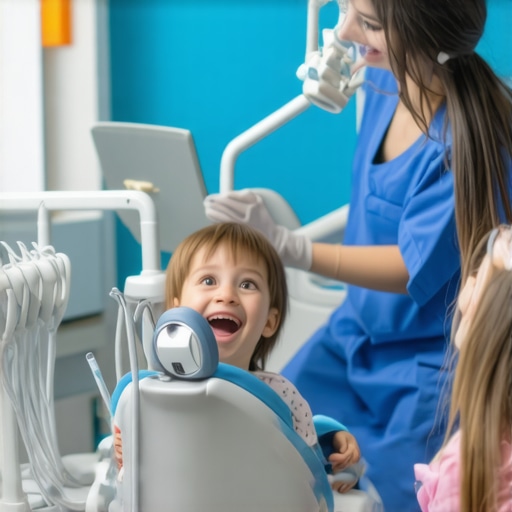
I remember the moment vividly: my young daughter was terrified during her first dental visit. She clung to me with wide, anxious eyes, and despite my reassurances, I could feel her trembling. It hit me hard—this was more than just a routine cleaning; it was a battle against her fear and discomfort. That day, I realized how crucial it is to find a dental office that understands children’s unique needs, especially when sedation options can make a world of difference.
Why Choosing the Right Dental Practice Matters for Your Child’s Comfort
Finding a dental clinic that offers sedation for children isn’t just about convenience—it’s about ensuring a positive and stress-free experience for your little one. When a child feels safe and calm, dental visits can become routine instead of traumatic. Plus, sedation options like nitrous oxide or oral sedation can make complex procedures tolerable, preventing future dental anxiety that can last a lifetime. According to the American Academy of Pediatric Dentistry, managing dental fear early on can significantly improve oral health outcomes and foster lifelong healthy habits.
Has your child ever had a meltdown in the dentist’s chair that left everyone frazzled?
In my early days of parenting, I made the mistake of assuming all dental offices were equally equipped and understanding of children’s needs. I underestimated how important specialized sedation options are and ended up with a frustrating visit that left my daughter more anxious than before. That mistake taught me to do thorough research—something I’ll show you how to do today.
If you’ve encountered similar challenges, you’re not alone. Many parents struggle with finding a practice that balances expert care with a comforting environment. Luckily, with a few simple steps, you can identify offices that are well-equipped with sedation options and experienced in pediatric dentistry. This way, your child’s next visit can be smooth and even enjoyable. Ready to learn how to find that perfect dental practice for your family? Let’s dive into some practical tips.
Pinpoint the Best Candidates: What Sedation Services Do They Offer?
The first step is to identify dental clinics that provide sedation tailored for children. Think of it like choosing a theme park—it’s not just about rides, but about the experience. Contact the office or visit their website to verify if they offer options like nitrous oxide or oral sedation specifically for kids. I learned this the hard way when my daughter had a minor panic attack at a clinic without sedation. I called ahead and found one with kid-friendly sedation, which transformed her next visit from a nightmare into a breeze. Always ask explicitly, “Do you offer sedation for anxious children?”
Assess Staff Experience and Child-Friendly Environment
Next, evaluate the staff’s expertise. Look for practitioners trained in pediatric sedation and comfortable handling nervous kids. You can do this by reading reviews or requesting a quick chat. Think of it like hiring a babysitter—trust in their experience is key. When I inquired at a practice, their calm demeanor and specialized training reassured me. Check if the surroundings are inviting—bright colors, toys, or themes that distract and comfort children. This makes a significant difference, similar to how a familiar environment reduces anxiety during a routine teeth cleaning, which you can explore further at this resource.
Visit the Practice and Observe
Schedule a tour or visit unannounced to see firsthand. Observe how the staff interacts with children and whether the environment feels safe. I once visited a practice where the dentist’s friendly greeting and playful decor immediately eased my son’s fears. During the tour, ask about availability for sedation procedures and their safety protocols. Think of this as a dress rehearsal—you want everything to feel natural, much like how a quick review of caring for crowns prepares you for the real thing.
Verify Compatibility with Your Child’s Needs
Ensure the practice can customize sedation to your child’s health profile. If your child has allergies or pre-existing conditions, ask about sedation safety. Consider their approach to handling emergencies—like having a backup plan ready, similar to emergency preparedness. I personally discussed these concerns with the dentist, which made me feel more secure. Remember, not all offices are equipped equally; a little due diligence now prevents stressful surprises later.
Confirm Accessibility and Convenience
Finally, factor in location, hours, and scheduling flexibility. You don’t want a drive that turns into a marathon, just as you wouldn’t ignore daily oral health tips—small conveniences matter. I chose a nearby office with weekend hours, making visits less of a logistical challenge. This ease can turn a reluctant child into an eager participant, reducing overall dental visit anxiety.
Many people assume that regularly brushing and flossing are enough to maintain optimal oral health, but there’s a lot more nuance involved. For instance, a prevalent myth is that all dental crowns are equally durable; in reality, materials like zirconia offer superior longevity and aesthetic appeal when compared to other options, as highlighted in this detailed guide. Many patients overlook the importance of proper crown maintenance, which involves avoiding certain foods and adhering to specific cleaning routines to ensure longevity.
A common mistake is underestimating the significance of professional teeth cleaning. Many believe that twice-daily brushing suffices, but research from the Journal of Dental Research shows that professional cleanings significantly reduce tartar buildup that regular brushing cannot fully remove. This is especially crucial for preventing periodontal disease, which can silently advance without noticeable symptoms.
Another misconception is that oral health is solely about teeth. In fact, the health of your gums plays a pivotal role, and neglecting gum care can lead to more severe issues like receding gums and even tooth loss. Regular flossing and check-ups are vital, yet many skip these steps, increasing their risk.
For those concerned about teeth whitening, a dangerous trap is overusing whitening kits, which can erode enamel if not used correctly. It’s advisable to consult a dental professional before embarking on whitening treatments to avoid irreversible damage, akin to what is discussed in expert advice on whitening.
The advanced nuances also involve recognizing early signs of oral health issues. For example, persistent bad breath isn’t always just from poor hygiene; it can indicate underlying problems like infections or systemic conditions. Detecting these signs early can prevent more serious complications.
Importantly, many underestimate the role of lifestyle choices, such as diet and habits like vaping or smoking, which directly impact oral health. Studies indicate that these habits can accelerate gum disease and stain teeth, counteracting the benefits of regular dental care.
Make sure to ask your dentist about individualized strategies that suit your unique needs, especially if you have pre-existing conditions or special concerns. Remember, effective oral health maintenance is a continuous process that combines professional care with daily habits.
Have you ever fallen into this trap? Let me know in the comments. Staying informed about these nuances can make all the difference in preserving your family’s radiant smiles for years to come.Maintaining a healthy smile over time requires more than just routine dental visits; it demands the right tools and methods for daily care and strategic long-term management. Personally, I rely on a combination of high-quality electric toothbrushes, interdental cleaners, and specialized supplements to keep teeth and gums in optimal condition. An electric toothbrush like the Philips Sonicare ProtectiveClean 6100 has been a game-changer for me because of its sonic technology, which effectively disrupts plaque with gentle yet powerful vibrations, making daily brushing more efficient. Additionally, incorporating water flossers such as the Waterpik Aquarius offers superior interdental cleaning, reaching areas that traditional floss might miss—this is particularly important for crowns or bridges, which require gentle yet thorough care. For long-term results, I recommend using desensitizing toothpaste containing potassium nitrate, which can help reduce sensitivity and enable more aggressive cleaning routines without discomfort. Regularly using a tongue scraper, like the Orabrush Tongue Cleaner, can prevent the buildup of bacteria that cause bad breath and plaque formation, contributing to overall oral wellness. Prediction suggests that advancements in smart dental devices are heading toward AI-powered monitors that provide real-time feedback on brushing technique and coverage, further personalized and improving daily oral hygiene routines. So how do I maintain these tools over time? The key is consistent cleaning and replacement. For example, toothbrush heads should be swapped out every three months or sooner if bristles fray—this prevents bacteria buildup and ensures optimal plaque removal. Water flossers need proper descaling to prevent mineral deposits that can impede function; running vinegar solutions through periodically can extend their lifespan. Regularly replacing interdental brushes and tongue scrapers ensures maximum efficacy and hygiene. To streamline maintenance, I keep a designated hygiene station with all these tools, making it easier to develop a daily routine. Investing in high-quality tools not only enhances everyday cleaning but also preserves restorative work like crowns, which require gentle handling to maximize longevity. For example, careful brushing with non-abrasive toothpaste can significantly extend the life of your crowns, as detailed in [this expert guide](https://periodontistcare.com/caring-for-crowns-essential-tips-for-longevity-and-shine). Remember, the consistent use and proper maintenance of these tools directly influence long-term oral health outcomes. I advise trying out a water flosser if you haven’t yet—it’s a powerful addition to your routine that can dramatically improve cleanliness and reduce gum inflammation. Your smile’s future depends on the investments you make today in both tools and habits.
Over the years, i’ve learned that the journey to maintaining a healthy smile isn’t just about individual visits but about creating a lifelong partnership with your dental care provider. One heartfelt lesson was realizing that investing time in research and building trust with a dentist who truly understands children’s needs can turn daunting visits into positive experiences. Embracing sedation options wisely and understanding their safety transformed my family’s dental routine, making it less about fear and more about care.
What I Wish I Knew Before Fully Embracing Family Dentistry
- Not all practices are created equal: Some clinics prioritize quick visits over patient comfort. Finding ones that are equipped with gentle sedation options and child-friendly environments makes all the difference.
- Experience matters greatly: Dentists trained specifically in pediatric care can better manage anxiety and tailor treatments, which profoundly impacts a child’s perception of dental visits.
- Environment influences emotions: Bright decor, toys, and friendly staff can turn a stressful trip into an anticipated event, fostering positive habits early on.
- Personalized safety protocols are essential: Knowing the practice’s emergency procedures and sedation safety standards provides peace of mind for parents and ensures longer-lasting dental health.
- Consistency is key: Regular visits and comprehensive at-home routines reinforce healthy habits and catch issues like crown wear or gum problems early, saving future discomfort and costs.
Tools and Insights That Changed My Approach
- Guides on daily oral routines: Solidify habits that protect crowns and prevent discoloration.
- Professional cleaning strategies: Promote longevity of crowns and natural teeth alike.
- Expert advice on stain removal: Keep crowns pristine without damaging them.
- Specialist tips on crown care: Simple daily actions that preserve their beauty and function.
What’s Next for Your Smile Journey
Remember, each dental encounter is an opportunity to nurture not just teeth but confidence and well-being. By choosing the right pediatric practice and staying informed about crown maintenance and oral health best practices, you’re empowering your family for years of radiant smiles. Don’t wait for problems to appear—proactive care and education are your best tools. Whether you’re exploring new crown materials or refining daily routines, your dedication today will pay dividends tomorrow.
How have your experiences with family dentistry influenced your approach to long-term oral health? Share your stories below and let’s support each other in building healthier, happier smiles!