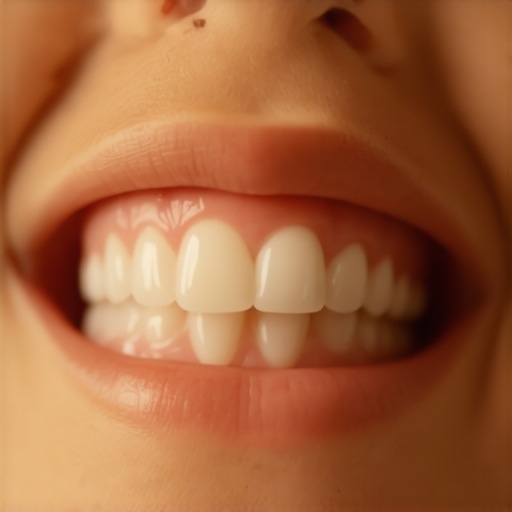
It was one of those mornings in the bathroom, rushing to get the kids ready for school. I caught sight of my child’s smile in the mirror and paused. Their baby teeth sparkling brighter than their newer, adult teeth. It was a small thing, but suddenly it felt like a puzzle I needed to solve. Why is it that our little ones’ baby teeth sometimes seem to glow, while their adult teeth, which are supposed to be stronger and healthier, look dull or even yellow? I remember thinking, “Did I miss something in their dental routine?”
This lightbulb moment made me dig deeper into the world of pediatric and adult dental health. Turns out, there are quite a few reasons behind this seemingly odd phenomenon, and understanding them can help us protect and improve our children’s long-term smile. Today, I want to share what I learned about why this contrast exists, and more importantly, how we can address it effectively.
Why Do Baby Teeth Shine Bright While Adult Teeth Sometimes Don’t?
The contrast between bright baby teeth and duller adult teeth isn’t just a visual quirk; it reflects the ongoing battle between different types of dental enamel and exposure to external factors. Baby teeth, or primary teeth, tend to be less exposed to stains because they appear earlier and are often cared for more diligently from a young age. Their enamel is also naturally with a slightly different composition, which can give them a more reflective quality.
However, as children transition to their adult teeth, several factors can impact the appearance of these newer teeth. Accumulated plaque, mineral buildup, and lifestyle habits like drinking sugary drinks or eating staining foods can dull the shine over time. Additionally, the development process of adult teeth involves a different enamel quality, which may be more prone to staining if not properly maintained.
The good news? Regular cleaning, mindful diet choices, and professional dental care can make a significant difference in maintaining the brightness and health of adult teeth. If you’re unsure about how best to help your child or yourself, I recommend consulting trusted resources like [dental maintenance tips](https://periodontistcare.com/maintaining-your-dental-crowns-dos-and-donts-for-best-results) to keep your smile radiant.
**Have you ever noticed your child’s adult teeth looking dull compared to their baby teeth, and wondered what you might be missing?** You’re not alone, and the next sections will help you understand the common causes—and solutions—to this issue.
Let’s start by exploring the common mistakes people make that can worsen this problem, so you can avoid them and protect those precious smiles.
Master Your Daily Brushing Routine for Brightness
Start by selecting a soft-bristled toothbrush and a fluoride toothpaste suitable for your needs. Use gentle, circular motions, covering all surfaces of each tooth. I once tried to rush through brushing, but I found that spending an extra minute on each quadrant made my teeth visibly cleaner and brighter. Regular brushing removes plaque and surface stains that dull the enamel.
Incorporate Effective Flossing Techniques
Floss daily using a proper technique: gently slide the floss between teeth, curve around each tooth, and clean under the gumline. I learned that flossing with a gentle sawing motion prevents gum irritation. Flossing clears debris and prevents plaque buildup that can lead to staining and dullness in adult teeth.
Utilize Therapeutic Mouthwashes Wisely
Choose an alcohol-free, brightening mouthwash to enhance cleanliness and reduce surface stains. Swish for at least 30 seconds, ensuring coverage of all areas. I experimented with different rinses and noticed my teeth looked shinier over a few weeks. Mouthwash complements brushing and flossing by reaching areas hard to clean with a brush.
Schedule Regular Professional Cleanings
Visit your dentist for cleanings at least twice a year. Professional tools effectively remove tartar and stubborn stains that home care can’t tackle. I once skipped a routine appointment, and my teeth seemed duller; scheduling regular cleanings kept my smile radiant. Dentists also advise on polishing techniques that restore enamel brightness.
Limit Stain-Causing Foods and Drinks
Reduce intake of coffee, tea, red wine, and dark berries. When consuming them, use a straw to minimize contact with teeth. After meals, rinse your mouth or brush if possible. I found that cutting back and rinsing after coffee helped my teeth stay whiter longer. Lifestyle choices have a profound impact on maintaining a bright, healthy smile.
Consider Whitening Treatments When Needed
Consult with your dentist about whitening options, whether in-office or at-home kits. Ensure treatments are safe and suitable for your enamel. I tried a professional bleaching session and was amazed at the quick results, but it’s essential to follow professional advice to avoid damage. Whitening helps counteract surface staining from daily habits.
Adopt a Lifestyle for Long-Term Brightness
Eat crunchy fruits and vegetables like apples and carrots to naturally clean teeth surfaces. Avoid smoking, as tobacco stains severely dull enamel. Regular hydration encourages saliva production, which naturally neutralizes acids and cleans teeth. I made small changes—like increasing water intake—and I saw a notable improvement in my dental brightness. Routine care and healthy habits safeguard your investment in a beautiful smile.
Many people believe that brushing twice a day and visiting the dentist regularly are enough for optimal oral health, but seasoned dental professionals know there’s more beneath the surface. One common misconception is that all dental problems stem from poor hygiene—while hygiene is vital, genetic factors, enamel quality, and even lifestyle habits play significant roles in your oral wellness.
For instance, the idea that whitening products damage enamel has been exaggerated; in reality, when used correctly under professional guidance, they are safe and effective for maintaining brightness. The real danger lies in neglecting personalized treatment plans that consider your unique dental anatomy and history.
Why do some treatments work well for others but cause issues in some cases?
Experts emphasize that understanding the individual nuances—like the type of crown material or the condition of your gums—is crucial. A 2022 study published in the Journal of Dental Research highlights that personalized approaches significantly improve long-term outcomes(source: Journal of Dental Research, 2022). Familiarity with these advanced considerations helps prevent common pitfalls and ensures your dental care is proactive, not reactive.
One of the most overlooked aspects is the improper maintenance of dental crowns, which can lead to accelerated wear or secondary decay. Many assume that once a crown is placed, little further care is needed; however, neglecting routine checkups and proper cleaning techniques—like detailed cleaning under the crown or avoiding abrasive toothpaste—can undermine the restoration’s longevity. For expert advice on maintaining your crowns, visit our comprehensive guide.
Another hidden nuance involves family dentistry’s role in preventing systemic health issues. Regular dental visits aren’t just for avoiding cavities—they’re a frontline defense against conditions like heart disease and diabetes, which have been linked to oral infections. Integrating family dental care as part of your overall health strategy may lead to unexpected benefits, as discussed in recent research linking oral bacteria to cardiovascular health.
Have you ever fallen into this trap of underestimating the complexity of your oral health routine? Let me know in the comments. Remember, staying informed about these nuances enables you to make smarter choices for your smile’s future. For more insights and personalized tips, explore our oral health routine tips and take control of your dental destiny.Maintaining excellent oral health requires more than just brushing and flossing; having the right tools can significantly enhance your routine and ensure long-term results. One essential device I personally rely on is an electric toothbrush with a timer and pressure sensor. Brands like Philips Sonicare and Oral-B offer models that not only provide superior plaque removal but also alert you if you brush too hard, protecting your enamel and gums. I find that using a sonic toothbrush, like the Sonicare DiamondClean, helps me reach those tricky gumline areas and removes surface stains more effectively than manual brushes. To complement brushing, I swear by water flossers such as the Waterpik Ultra. They effortlessly dislodge debris from interdental spaces and below the gumline, areas that traditional floss often misses, which is crucial for preventing plaque buildup that causes dullness and decay. Regular use of these tools, combined with professional cleanings—ideally every six months—provides a comprehensive approach to oral maintenance.
How do I maintain tools for long-term effectiveness?
I recommend rinsing your toothbrush and water flosser heads thoroughly after each use and replacing toothbrush heads every three months or sooner if bristles fray, as advised by the CDC. Keep your water flosser’s reservoir clean to prevent bacterial buildup. Investing in quality, durable tools ensures they serve you well over time, making routine maintenance easier and more effective. Looking ahead, advancements in dental technology are trending toward smart devices that sync with mobile apps to monitor your brushing habits and provide personalized feedback—making at-home care more precise and engaging. For now, point yourself toward top-tier equipment that suits your needs, and remember to pair these tools with regular professional care. For additional insights on maintaining your crowns and ensuring their longevity, visit this guide. Don’t hesitate—try upgrading to an electric toothbrush with a pressure sensor or a water flosser; these small shifts can profoundly improve your oral health and keep your smile radiant for years to come.
What I Wish I Knew About Long-Term Dental Happiness
One of the most valuable lessons I’ve learned is that mouth health isn’t just about quick fixes; it’s a lifelong commitment. I underestimated earlier how small daily habits could shape my child’s smile years down the line. Now I realize that investing time in teaching proper technique and choosing quality tools makes all the difference.
Another insight: Not all dental advice is one-size-fits-all. Personalized care, considering your child’s unique needs, often leads to better results than generic routines. Focusing on creating positive associations with dental visits helps children embrace good habits without fear or resistance.
My third revelation was that regular professional checkups serve as a safety net for catching issues early. These appointments aren’t just about cleaning—they’re strategic partnerships with your dentist to safeguard your child’s future smile from unseen threats like enamel erosion or hidden cavities.
Tools and Tips That Truly Made a Difference
For me, upgrading to an electric toothbrush with a timer and pressure sensor was a game-changer. It ensures thorough cleaning without damaging delicate gums. Pairing this with my trusted water flosser has simplified interdental cleaning, especially in hard-to-reach areas. For continuous guidance, I rely on trusted resources like expert advice on crowns and teeth cleaning to keep my family’s dental health on track.
Choosing the right toothpaste, based on my child’s age and sensitivity, also prevents unnecessary abrasion and supports enamel strength. I’ve found that consistent, high-quality tools make routine care less of a chore and more of a joy.
Emotional Power: Embrace Your Role in Your Child’s Dental Journey
Watching my child grow, I realized that my attitude towards dental care directly influences theirs. Celebrating small successes—like a cavity-free checkup—boosts their confidence and encourages ongoing habits. Empowerment and patience are key. Remember, your dedication today shapes their lifelong health and happiness. If you’re interested in elevating your family’s dental routine, explore ways to strengthen your everyday smile routine with simple, effective steps.