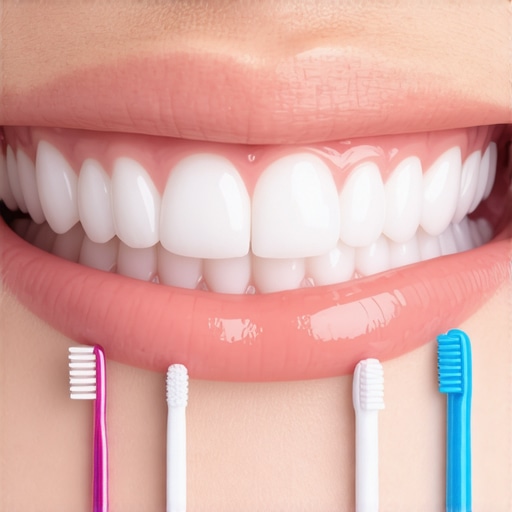
I’ll never forget the moment it hit me—my gums started bleeding during my nightly brush. At first, I thought it was just a little irritation, something trivial. But as days went by, the bleeding worsened, and my teeth felt more sensitive than ever. It was a lightbulb moment that rocked my understanding of oral health. That experience made me realize how my commitment toothbrush choice was unknowingly harming my smile.
Why Your Toothbrush Might Be Doing More Harm Than Good
Many of us think a toothbrush is just a simple tool—hard, soft, in-between. I used to believe that a firmer brush would clean my teeth more effectively. Turns out, I was wrong. A hard-bristled toothbrush can cause tiny abrasions on your enamel and irritate your gums. Over time, this damage can lead to gum recession, increased sensitivity, and even expose your roots. According to the American Dental Association, clinicians often see patients harmed by aggressive brushing with hard-bristled brushes, especially when combined with vigorous scrubbing.
Is Changing Your Toothbrush Really Worth the Effort?
I made the mistake early on of dismissing my dentist’s advice about soft brushes. I thought, “How bad can it be?” Now, I know better. Switching to a gentle, softer toothbrush was a game-changer—not just for my gums, but for my confidence in my oral care routine. This simple change prevented further damage and preserved the health of my crowns and natural teeth. For those with dental crowns, learning proper care tips is essential in ensuring their longevity.
Have you experienced sensitivity or bleeding while brushing? You’re not alone. Many share this concern, and the good news is that adjusting your brush type and technique can make a significant difference. In the next sections, we’ll explore the practical steps to protect your smile, avoid common pitfalls, and maintain vibrant oral health. So, let’s dive into how to choose the right toothbrush and build habits that keep your smile shining bright for years to come.
Select the Right Toothbrush and Brush Technique
Start by choosing a soft-bristled toothbrush that fits comfortably in your hand. I recall the first time I switched from a hard to a soft brush—I felt like I was finally giving my gums the gentle treatment they deserved. Hold the brush at a 45-degree angle to your gums, employing small, circular motions. Focus on each tooth individually, mimicking a gentle massage rather than aggressive scrubbing, which can cause enamel erosion and gum recession. Remember, consistency beats intensity—twice daily for at least two minutes each session is ideal.
Break Down Your Brushing into Zones
Divide your mouth into quadrants—top-left, top-right, bottom-left, bottom-right—and dedicate about 30 seconds to each. This ensures thorough cleaning, hitting every nook and cranny. For instance, I once hurried through my top-left without paying attention, leading to plaque buildup. Using a timer or a music playlist of two minutes helps keep me honest and focused during brushing.
Incorporate Flossing Like a Pro
Flossing removes debris and plaque from between teeth and below the gum line—areas your toothbrush can’t reach. Use about 18 inches of floss, winding most on one finger, and gently slide it between teeth. Curve it into a C-shape, hugging each tooth’s surface, with a gentle up-and-down motion. I struggled initially with flossing tightly, which caused gum bleeding, but gradually, I learned to relax my grip and floss carefully—making this a quick yet effective step.
Use Floss Tools for Better Control
If traditional floss feels fiddly, consider floss picks or water flossers—they can make the process easier, especially for those with limited dexterity. During a family visit, I introduced my kids to fun flossers, turning their routine into a game, which significantly improved their compliance. This approach aligns with overall oral health.
Maintain Your Dental Crowns Properly
Crowns require specific care to prevent damage and ensure longevity. Use a non-abrasive toothpaste and a soft brush to clean around the crown margins meticulously. I once neglected this step after getting a crown, fearing I might damage it, and noticed staining and looseness after a few months—highlighting the importance of gentle, targeted cleaning. Regular dental check-ups can catch early signs of wear or decay around crowns, preserving your smile’s aesthetics and function. Learn proper crown maintenance tips.
Boost Your Oral Routine with Additional Tools
For enhanced cleaning, incorporate mouthwashes or tartar control rinses—provided they are alcohol-free and approved by your dentist. Additionally, using a water flosser can be a game-changer—especially if you’ve got dental work or limited mobility. I once added a water flosser to my routine, and the reduction in gum bleeding was noticeable within days. Remember, these tools are supplemental; nothing replaces thorough brushing and flossing. Consistent use complements your daily efforts and reinforces oral health.
Stay Vigilant About Signs of Trouble
Observe your mouth for signs such as bleeding, sensitivity, or persistent bad breath. These indicators mean your routine may need adjustments. For example, my own experience with bleeding gums prompted a reassessment of my technique and brushing pressure, resulting in healthier gums over time. Regular dental visits also serve as proactive checkpoints—so don’t skip those appointments. Proper care of your teeth and crowns isn’t a one-time effort but a continuous commitment to keeping your smile vibrant and strong.
Many individuals believe that brushing harder removes more plaque, but in reality, excessive pressure can damage your gums and enamel, leading to sensitivity and recession. This common myth stems from the misconception that aggressive cleaning equals better results, yet studies show that gentle, thorough brushing with a soft toothbrush is more effective and health-preserving. Overbrushing can cause micro-tears in the gums, creating entry points for bacteria and increasing the risk of periodontal disease. Remember, quality beats quantity—it’s not about how hard you scrub, but how well you clean.
Why do so many struggle with crown longevity despite diligent care?
A frequent mistake is neglecting the specific cleaning routines around crowns. Many think normal brushing suffices, but crowns require meticulous attention to the margins to prevent decay and staining. Using abrasive toothpaste or hard-bristled brushes near crowns can erode their surface or loosen the seal. Regularly inspecting and gently cleaning around your crowns, along with professional check-ups, significantly enhances their lifespan. For detailed guidance, see proper crown maintenance tips and learn how to preserve your dental investments.
It’s also a myth that flossing is only necessary once a day—technically, flossing should be performed after every meal to effectively disrupt plaque accumulation. Failing to do so allows bacteria to proliferate between teeth and under crown margins, increasing the risk of decay and gum inflammation. Some people avoid flossing because they believe it damages gums, but when done correctly, flossing promotes healthier tissues and halts gum disease progression. Remember, the difference lies in technique—a gentle, C-shaped motion is key.
What advanced approach can elevate your oral health routine?
Smart tools like water flossers and antimicrobial rinses are gaining popularity for their ability to reach tricky areas and reduce bacterial load more effectively than traditional methods alone. Incorporating these devices into your routine not only enhances cleaning efficiency but also minimizes the risk of over-aggressive brushing, which can cause damage. Moreover, recent research indicates that combining mechanical cleaning with antimicrobial agents can lead to a significant reduction in plaque and inflammation, especially around dental crowns and bridges. To stay ahead, explore expert advice on augmenting your oral hygiene with effective tools.
Remember, oral health isn’t just about cleaning—it’s about understanding your unique needs and avoiding oversimplified routines that might do more harm than good. Do you have any habits that might be unknowingly damaging your smile? Share your experiences in the comments, and let’s keep the conversation going. Your diligent care today can prevent costly restorations tomorrow.
How to Keep Your Dental Tools Working for You
Maintaining your oral health relies heavily on the tools you use daily. From toothbrushes to advanced cleaning devices, proper upkeep ensures longevity and effectiveness. Personally, I swear by ultrasonic toothbrushes like the BrushSync Ortho because of their superior plaque removal and built-in timers. Regularly replacing toothbrush heads—every three months—prevents bacteria buildup and keeps cleaning efficient. Additionally, I recommend using a water flosser for crown maintenance, as it reaches hard-to-access areas and reduces inflammation. Keeping your dental tools in good shape isn’t just about hygiene; it directly impacts the health of your natural teeth and crowns.
Why investing in high-quality equipment pays off
Premium dental devices often incorporate technological advances that simpler tools lack. For example, electric toothbrushes with pressure sensors prevent damage from overbrushing, which I’ve found essential to preserve soft tissue health. Using smart tools like an electric water flosser with customizable settings helps me maintain my crowns and natural teeth without risking harm. Technology is evolving rapidly, and staying abreast of innovations enables you to tailor your routine for specific needs, like sensitive gums or complex dental work.
Anticipating where dental care is headed
Future trends suggest an even greater integration of smart technology into personal oral health routines. Devices connected via Bluetooth can now provide real-time feedback and monitor your cleaning habits, prompting adjustments as needed. This seamless integration will likely make daily maintenance more personalized and effective, reducing the need for frequent professional interventions. As I see it, embracing these smart solutions now will position you to benefit immensely as they become more affordable and accessible. For example, acquiring a state-of-the-art electric toothbrush with app connectivity can revolutionize your cleaning routine.
Curious about how to keep your crowns shining for years?
Maintaining crowns involves more than just daily brushing. Gentle cleaning with non-abrasive toothpaste, regular check-ups, and tools like water flossers are crucial. For long-term results, I recommend scheduling professional evaluations at least twice a year and following guidelines outlined in these expert tips. Plus, investing in a quality electric toothbrush ensures thorough plaque removal without damaging your restorations.
To optimize your crown longevity, try adopting a routine that incorporates a water flosser and inspect your crowns regularly for signs of wear. These practices, combined with professional monitoring, can significantly extend their lifespan and keep your smile sparkling. Remember, the key is consistency and using the right tools — investing in high-quality equipment now saves you time and money in the future. For additional insights into crown care, visit this detailed guide. Don’t wait for problems to arise—start optimizing your routine today!
Lessons I Didn’t Expect to Learn About Dental Care
- I realized that rushing through brushing or using hard brushes was silently sabotaging my smile—consistent, gentle care is truly the secret.
- That one time I ignored the signs of gum bleeding taught me the importance of paying attention to small symptoms before they escalate.
- Discovering how specialized tools like water flossers can dramatically improve crown and natural tooth hygiene changed my routine for good.
- Understanding the myths around teeth whitening and how they might harm my enamel was eye-opening, pushing me toward safer practices.
- Realizing that regular professional check-ups are a vital complement to at-home routines kept my dental health on track and extended the life of my crowns.
Gear I Trust for My Dental Journey
- The BrushSync Ortho electric toothbrush provides precise plaque removal with gentle settings, preventing damage to crowns and gums.
- Choosing a soft-bristled toothbrush fits comfortably in my hand and protects delicate tissues—an underrated essential.
- The water flosser specifically designed for crowns has become my go-to for reaching tricky spots and reducing inflammation around restorations.
- High-quality, non-abrasive toothpaste ensures my crowns stay pristine without risking surface damage.
Your Smile’s Potential Starts Today
Taking proactive steps now, like switching to gentle brushing techniques and integrating advanced tools, sets the stage for a lifetime of confident smiles. Remember, your dedication to proper oral health today directly influences the longevity and appearance of your crowns and natural teeth tomorrow.
What small change are you willing to try this week to improve your dental routine? Drop your thoughts below—your journey to a healthier, brighter smile begins now!