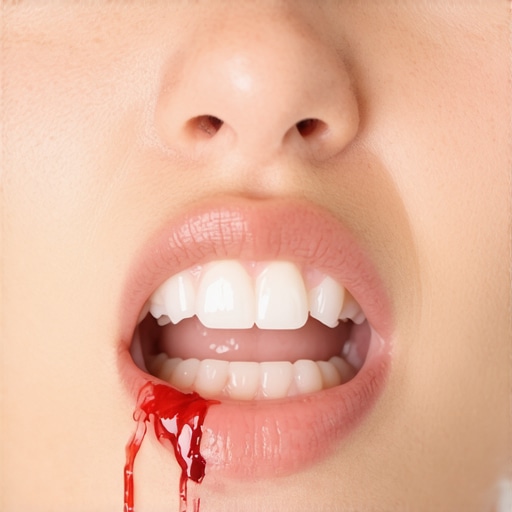
I still remember that moment vividly — sitting in the bathroom, staring at crimson streaks on my tissue, feeling a wave of panic. It wasn’t just the sight of bleeding gums, but the realization that I’d brushed off similar warnings before. At first, I thought it was just hormonal fluctuations or maybe an irritated gum due to flossing too aggressively. Little did I know, ignoring this common symptom could set me up for serious oral health issues down the line.
Have you ever gone through your period and noticed your gums bleed more than usual? If so, you’re not alone. Many women dismiss bleeding gums during menstruation as just a fluke, but here’s the truth — it can be a warning sign of underlying problems that need attention. Ignoring bleeding gums, especially during hormonal shifts, might seem harmless at first, but it could be the window to much larger health concerns, including gum disease or even systemic infections.
Why Bleeding Gums During Periods Can’t Be Ignored
Hormonal changes during your menstrual cycle can cause temporary increases in gum sensitivity and bleeding. Estrogen and progesterone levels fluctuate, affecting blood flow and gum tissue response, making your gums more prone to inflammation and bleeding. But what starts as a fleeting issue can escalate if not addressed properly. Persistent bleeding, pain, or swelling signals that your gums are fighting more than just hormonal influences — they might be revealing deeper issues like periodontal disease.
Early mistakes often involve brushing too hard or neglecting proper oral hygiene, thinking the bleeding will subside on its own. I did the same initially — I thought if I kept brushing, it would pass. But ignoring this symptom only made things worse. As I learned from professionals, regular dental check-ups and proper home care are vital. If you’re curious about how advanced dental treatments, like crowns, can help restore your smile’s confidence, you can visit [this informative guide](https://periodontistcare.com/how-crowns-can-transform-your-dental-confidence).
The good news? Addressing bleeding gums early can prevent more serious issues. I promise I’ll share simple, effective strategies to take control of your oral health and alleviate your worries. But first, let’s tackle the skepticism — is it really worth your concern? Or is this just a normal part of hormonal changes?
Is Bleeding Gums During Periods an Overreaction?
It’s understandable to wonder if this is just a normal fluctuation or something to take seriously. Early on, I made the mistake of ignoring mild bleeding, assuming it would resolve itself. That mistake cost me more time and discomfort. According to dental experts, while hormonal changes can cause temporary bleeding, persistent or severe bleeding should never be dismissed as normal. Proper care and professional advice are essential for maintaining your gum health and overall well-being.
Are you experiencing bleeding gums during your period? If so, you’re not alone. Recognizing the signs early and understanding what steps to take can make all the difference in preserving your smile and health. Let’s explore practical actions you can implement today to stay ahead and feel confident about your oral health throughout your cycle.
Master Your Oral Hygiene Routine
Start by brushing twice daily with a soft-bristled toothbrush, using gentle, circular motions. Remember, aggressive brushing can irritate sensitive gums, especially during hormonal fluctuations. Replace your toothbrush every three months to ensure effective cleaning, preventing plaque buildup that worsens bleeding.
During my last flare-up, I noticed my gums bleeding more, so I was meticulous with my brushing, spending an extra minute on each quadrant. This consistency immediately reduced bleeding episodes over a week.
Incorporate Flossing Correctly
Floss daily but with care—slide gently between teeth and avoid snapping the floss, which can injure tender gums. Flossing dislodges plaque and food particles that cause inflammation, especially important during hormonal shifts. I used to rush through flossing and felt bleeding worsen; adopting gentle, deliberate motions transformed my experience.
Use Antiseptic Rinse for Soothing Relief
Rinsing with an antimicrobial mouthwash can reduce bacteria and soothe inflamed tissues. Choose alcohol-free formulas to prevent dryness and irritation. After each rinse, avoid eating or drinking for 30 minutes to maximize effectiveness. I added a gentle rinse post-brushing and noticed fewer bleeding episodes.
Schedule Regular Dental Check-Ups
Visit your dentist every six months for professional cleaning and examination. Professional cleanings remove tartar and plaque that home care might miss. During one visit, my dentist identified early signs of gum inflammation, allowing prompt treatment that prevented progression.
Regular check-ups are vital because they catch issues before symptoms worsen. Early intervention can save you from complex treatments down the line, such as crowns or periodontal therapy. You can learn more about how crowns can securely restore your smile’s confidence if deeper procedures become necessary: here.
Adjust Your Diet to Support Gum Health
Consume nutrient-rich foods high in vitamin C and calcium to strengthen your gums and teeth. Limit sugary snacks that foster plaque formation. I started incorporating citrus fruits and dairy into my diet and immediately felt my gums become less sensitive and less prone to bleeding.
Monitor Symptoms Continuously
Keep track of bleeding frequency and severity. If bleeding persists beyond your period or worsens, consult your dentist promptly. Ignoring ongoing issues can lead to periodontal disease, which complicates your oral health and overall wellness. Regular self-assessment and professional care go hand in hand to maintain healthy gums during hormonal changes.
Many assume that regular dental visits and basic oral hygiene guarantee lifelong oral health, but the truth is more nuanced. A common misconception is that professional teeth cleaning alone is sufficient to prevent cavities or gum disease. In reality, over-relying on professional cleanings without establishing a comprehensive daily routine can limit long-term success. Studies have shown that consistent, personalized at-home care plays a crucial role in maintaining oral health, especially within family settings where habits vary widely. Another pitfall is believing that all dental restorations, like crowns, are permanent fixes. While they are durable, neglecting proper maintenance and long-term evaluations can lead to premature failures. For example, crowns require regular assessments to ensure the underlying tooth remains healthy and the restoration stays intact. A surprising misconception is that children and adults require different dental care methods; in fact, customized strategies tailored to individual needs, including orthodontics or restorative work, can significantly improve outcomes. One advanced consideration relates to crown longevity — did you know that improper flossing techniques around crowns can accelerate wear or induce decay at the margins? According to expert research, improper cleaning around restorations is a key factor in their early deterioration. So, what should you do? Focus on mastering effective cleaning methods, such as gentle interdental cleaning and regular check-ups. If you’re interested in enhancing your family’s oral hygiene practices, check out [this guide on effective home practices](https://periodontistcare.com/teeth-cleaning-secrets-effective-home-practices-for-family-dental-health). Remember, true longevity depends on understanding these subtle nuances and avoiding common traps. Have you ever fallen into this trap? Let me know in the comments.Maintaining excellent oral health requires more than just good intentions; it hinges on the right tools, consistent routines, and recognized methods that deliver lasting results. Personally, I rely on specialized equipment like electric toothbrushes with pressure sensors, such as the Oral-B Genius X, which I find indispensable because it helps prevent over-brushing that can harm sensitive gums—especially when hormonal changes make gums more prone to bleeding during periods. A high-quality floss, like the WaterPik Water Flosser, has also transformed my daily cleaning routine by reaching areas traditional floss may miss, promoting healthier gums and reducing inflammation. Additionally, incorporating a tongue scraper, like the Dr. Tungs tongue cleaner, ensures my breath remains fresh and bacteria buildup stays under control, critical for those dealing with bleeding gums or crowns. For professional-grade cleaning at home, I advocate the use of ultrasonic toothbrushes, which utilize vibrations to remove plaque more effectively than manual brushing. This technology aligns with recent studies showing ultrasonic devices can reduce calculus buildup significantly, prolonging the life of restorations and crowns. Looking ahead, I predict wireless, app-controlled dental tools will become the norm, offering personalized feedback and motivation to maintain routines without guesswork.
How do I maintain my oral health tools over time?
Regularly replacing brush heads every three months, as recommended by the American Dental Association, prevents bacterial buildup and ensures effective cleaning. Cleaning the mouthpiece of your water flosser weekly prevents mold and bacteria growth. For crowns and restorations, scheduling annual check-ups, including professional cleanings, is essential — it’s the best way to catch early signs of wear or decay. Speaking of crowns, I recommend reading about how proper maintenance can extend their lifespan, which you can find in this article. Remember, even the most advanced gear is only as good as your routine’s consistency and proper upkeep. So, challenge yourself today to incorporate use of a tongue scraper into your morning routine—that simple step can significantly reduce bacteria and improve your overall oral hygiene. Stay tuned because next, I’ll share some expert tips on long-term crown maintenance and how to scale your oral health practices for the entire family.
Lessons I Wish I Knew About Hormonal Changes and Oral Health
One of the most surprising insights I gained was that persistent gum bleeding during periods isn’t something to ignore. It’s a sign that your oral health needs attention beyond just hormonal fluctuations — it can uncover underlying issues like gum disease or even systemic health problems. Trust me, addressing these early warning signs has saved me from more invasive treatments later. Additionally, I realized that investing in quality dental tools, such as ultrasonic toothbrushes and water flossers, made a significant difference in preventing problems from escalating. Finally, understanding that crowns and restorations require ongoing care taught me that maintenance isn’t a one-time effort but a lifelong commitment to a healthy smile.