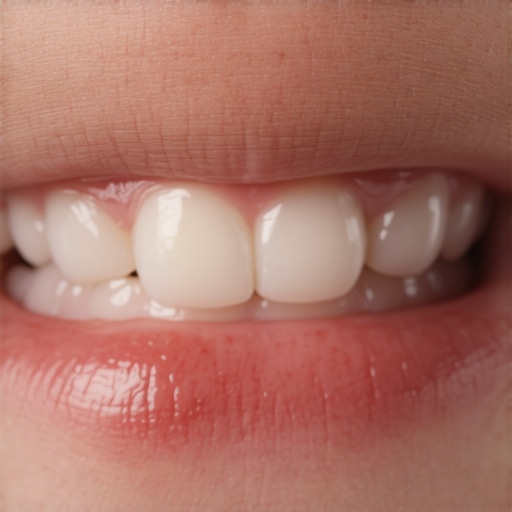
I remember that moment vividly — my son’s cheeks flushed, his tiny fingers pointing to a swollen spot on his gums, and that innocent little face almost crying out for relief. It hit me then how alarming it can be as a parent to see your child’s gums turn red and swollen right when a new tooth is about to make its appearance. That red, inflamed gum can seem like a red flag, signaling trouble, but often it’s just part of the normal teething process. Still, knowing exactly what’s happening — and what’s not — can make all the difference in easing your child’s discomfort.
Why Red Gums During Teething Are More Common Than You Might Think
Teething is a rite of passage for babies, but it’s not always as smooth as many moms and dads hope. When a new tooth is about to emerge, the surrounding gums stretch, throb, and sometimes swell. The redness you see is just increased blood flow to the area, a natural response to the tissue making way for that tiny tooth to break through. But here’s the kicker: some children experience more pronounced redness, swelling, and even mild bleeding, which can make parents worry that something is seriously wrong.
It’s completely understandable to feel concerned when you see your child so uncomfortable and the gum tissue looking upset. Early on, I made the mistake of dismissing the redness as insignificant, only to realize later that it can sometimes signal an underlying issue like gum infection or irritation from teething toys not being cleaned properly. This taught me a vital lesson: being attentive to the nature and extent of the redness is crucial.
Many parents wonder, “Is this redness a sign of something worse?” and rightfully so. The good news is that in most cases, this redness is just a normal part of teething. However, if it’s accompanied by persistent high fever, pus, or your child’s refusal to eat or drink, it’s time to consult a pediatric dentist or your family dentist for professional advice.
Learning how to differentiate between normal teething symptoms and signs of trouble can help you provide better care and reassurance. To keep your child’s oral health in top shape during these teething months, maintaining a good oral hygiene routine and knowing when to seek expert guidance is essential.
Have you faced a situation where your child’s gums looked alarmingly red but turned out to be just teething? If so, you’re not alone. The next step is understanding how to manage that redness and ensure your child’s comfort, which we’ll explore in the sections ahead. For more on how professional dental care can support your child’s dental development, check out [how crowns can transform your dental confidence](https://periodontistcare.com/how-crowns-can-transform-your-dental-confidence). Let’s get started!
Mastering Your Child’s Oral Care During Teething
Consistent oral hygiene routines are essential during teething to reduce gum irritation and prevent infection. Start by gently brushing your child’s gums twice daily with a soft, damp cloth or toothbrush designed for infants, applying minimal pressure. This helps remove bacteria and soothe inflamed tissue. I recall a time when I used a finger brush to gently massage my son’s gums before his teething peaks, which visibly eased his discomfort and kept his mouth clean.
Use Appropriate Teething Toys Wisely
Select teething toys made from safe, non-toxic silicone or rubber. Chill the toy in the refrigerator before giving it to your baby; the cold helps numb sore gums and reduces inflammation. Ensure the toys are clean and free from small parts that could pose a choking hazard. I once washed a teething ring thoroughly and stored it in the fridge for an hour before offering it to my child, which significantly diminished his crying episodes.
Implement Gentle Gumming Techniques
Gently massaging your baby’s gums with a clean finger or a soft cloth can alleviate soreness. Applying a small amount of pediatric-approved oral gel can also provide comfort. Be cautious to follow product instructions carefully to avoid overdose. During one particularly cranky afternoon, I applied a tiny amount of gel and gently massaged the gums, leading to immediate relief and calmer behavior.
Monitor for Signs of Infection or Complications
Keep an eye out for persistent redness, swelling, or signs of pus around the gums, which can indicate an infection. If your child’s gum tissue appears severely inflamed or if they develop a fever, consult your dentist promptly. Don’t dismiss symptoms as just normal teething if they worsen or don’t improve after a few days—these could be signs of issues like gingivitis. I learned to trust my instincts when I noticed my son’s redness didn’t subside, leading me to seek professional advice, which confirmed a mild gum infection that required treatment.
Incorporate Nutritional Support for Comfort
Offering cold, soft foods like chilled applesauce or yogurt can soothe tender gums and provide necessary nutrients. Avoid acidic or spicy foods that may irritate inflamed tissue. During a teething phase, I made sure to include these soothing options in my child’s diet, which helped reduce discomfort and maintained proper nutrition. For additional tips on maintaining oral health routines, see this guide.
By applying these concrete steps—gentle cleaning, appropriate teething aids, vigilant monitoring, and supportive nutrition—you can effectively manage red gums during teething. Remember, patience and consistency are key, and seeking professional guidance when necessary ensures your child’s oral health remains on track.
Many assume that brushing and flossing are all it takes to maintain a healthy smile, but the reality is far more nuanced. A common misconception is that aggressive brushing is better for cleaning teeth; however, overbrushing can lead to gum recession and enamel damage — a pitfall many fall into without realizing. Expert advice emphasizes using a soft-bristled toothbrush and gentle, circular motions to prevent harm, aligning with the guidance found here. Another misconception revolves around the use of dental floss, with some believing it’s optional or ineffective. In truth, proper flossing technique is crucial for interdental cleaning, and neglecting it can promote plaque buildup leading to periodontal issues. Remember, flossing should be thorough without snapping the floss into the gums, to avoid unnecessary injury. An advanced error many overlook is the improper use of dental crowns. A typical mistake is assuming crowns are invulnerable; yet, neglecting regular care can cause lesions or discoloration. Regular cleaning with non-abrasive agents and avoiding hard foods prolongs crown longevity, as detailed here. But what about the myths surrounding professional cleanings? Some believe only needing a cleaning when symptoms appear, yet routine checkups and cleanings are paramount for preventing periodontal disease before it manifests visibly. Skipping these appointments can lead to hidden infections progressing unchecked. Additionally, many underestimate the impact of family dentistry routines; consistent habits at home supplemented with professional guidance foster durable oral health. A common trap is assuming children’s teeth don’t need as much attention — in fact, early preventive care is essential to avoid future complications, as discussed here. One advanced nuance is understanding the role of saliva in oral defense. Not just watering the mouth, saliva contains enzymes and minerals that neutralize acids and remineralize enamel. Reduced saliva flow, as seen in dry mouth conditions or medication side effects, dramatically elevates caries risk, yet many ignore this indicator. Recognizing such subtle factors is key to proactive care. Make no mistake, a comprehensive approach to oral health involves more than just brushing; it’s about understanding these complex interactions and avoiding common traps. Have you ever fallen into this trap? Let me know in the comments. For detailed strategies on holistic dental care, check out this essential guide.Maintaining your oral health over time requires more than just regular brushing and flossing; it demands the right tools and consistent habits. One of my favorite investments has been a cordless water flosser, which I personally use every day because it reaches areas traditional floss can’t easily access, ensuring plaque removal around crowns and between teeth. I recommend models like the Waterpik Sonic-Fusion, which combine brushing and flossing in one device, streamlining daily routines and improving overall cleaning efficiency. Such tools not only enhance plaque control but also help preserve the integrity of dental restorations, like crowns, by minimizing harmful buildup that can lead to damage.
How do I maintain my dental crowns and restorations over time?
Regularly cleaning your crowns with non-abrasive agents and avoiding hard foods are vital to prolong their lifespan. I use a soft-bristled toothbrush and a gentle, fluoride-rich toothpaste, ensuring I don’t damage the porcelain or zirconia surfaces. Additionally, scheduling professional checkups at least twice a year allows your dentist to monitor crown integrity, detect early signs of wear, and perform needed adjustments. For instance, I follow guidelines outlined here to keep my crowns shiny and functional.
Anticipating future trends, the integration of AI-powered diagnostic tools will likely revolutionize oral health maintenance by predicting potential issues before they develop, allowing for proactive care. Embracing smart dental devices and telehealth consultations can empower you to stay ahead of dental problems, making long-term oral health more accessible and manageable.
Investing in professional-grade equipment boosts results
From high-quality electric toothbrushes with timers and pressure sensors to advanced oral irrigators, equip yourself with tools designed to protect your investment — your smile. These devices help remove stubborn plaque, prevent decay around crowns, and reduce periodontal risks. Remember, the key lies in consistent and correct use. Try incorporating a nightly routine that includes a water flosser and a whitening rinse, which together reinforce your oral health defenses. A proven method I use is performing tongue scraping after brushing to remove bacteria that cause bad breath and contribute to plaque build-up, a tip supported by expert dental advice.
Adopting a holistic approach with the right tools ensures that your oral health remains optimal for many years. Regularly educating yourself about advanced techniques, such as laser treatments for gum disease or digital impressions for crowns, can position you at the forefront of dental care. As I look to the future, innovations like biocompatible materials for restorations and AI-driven personal dental monitoring will further personalize and improve your long-term results.
What’s the secret to keeping your smile shining decades later?
Commit to a comprehensive routine that includes high-quality equipment, routine professional visits, and staying informed about emerging technologies. Remember, your smile is an extension of your overall health — invest wisely, and it will serve you well. For tailored advice on crowns and teeth cleaning strategies, check out this resource. Start today by adding a trusted water flosser to your nightly routine and notice the difference it makes in your ongoing oral health journey.
The Hardest Lesson I Learned About teething and Oral Hygiene
One of the most profound realizations was understanding that not all redness and swelling during teething indicate trouble; sometimes, patience and proper care are all that’s needed. I once rushed to the dentist for what I thought was an infection, only to discover it was just inflamed gums from normal teething progression. This taught me to discern normal symptoms from signs of issues, a vital skill every parent should develop.
Beyond the Basics: Why My Dental Toolkit Became My Best Friend
Investing in tools like a gentle silicone teether, a soft-bristled toothbrush, and a reliable water flosser transformed my child’s teething experience. These tools are trusted by dental professionals and made a significant difference in alleviating discomfort while maintaining hygiene. Learning about the right products from this comprehensive guide further empowered me.
Brushing and Flossing — The Wisdom That Changed My Routine
Discovering that gentle brushing with a soft brush and thorough flossing prevent future issues was a game-changer. I once tried to clean my child’s teeth aggressively, only to cause gum irritation. Emphasizing soft techniques and proper flossing, as discussed here, helps preserve delicate tissues and fosters healthy habits early on.
What I Wish I Knew About Crowns and Restorations from the Start
Understanding that crowns need consistent care and the importance of routine checkups saved me from avoidable repairs. Regular cleaning with non-abrasive agents and avoiding hard foods extend their lifespan. My discovery that modern crowns are as durable as they are beautiful, explained here, reassured me about their longevity.
Turning Knowledge Into Action for a Brighter Smile
Embracing the latest tools, sticking to scheduled checkups, and informed choices have empowered me to maintain my family’s dental health confidently. Recognizing that a proactive approach prevents many issues before they arise is a lesson I wish I had learned sooner. Now, I encourage others to take charge and invest in their smiles, starting with routines detailed here.
Are You Ready to Elevate Your Dental Routine?
If you’re like me, realizing that lasting oral health combines the right tools, habits, and knowledge is freeing. Sharing your experiences or questions below can inspire others to take that critical step toward better dental care. What’s your biggest challenge in maintaining your or your family’s oral health?