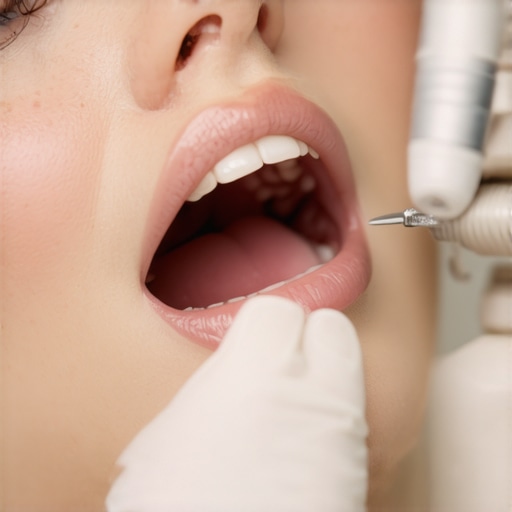
It happened unexpectedly during my last dental appointment—my dentist gently lifted my tongue with a small stick and peered underneath with a keen eye. That simple, routine motion carried a surprisingly heavy significance. At first, I brushed it off, thinking it was just part of the usual exam, but later I realized it was a crucial step in detecting early signs of oral health issues. This lightbulb moment made me wonder—why does my dentist always check under my tongue, and should I care? The answer is yes, more than I initially believed.
Understanding the Importance of the Tongue Under the Microscope
Every time I visit my dentist, I notice that they don’t just look at my teeth and gums—they also examine my tongue, especially underneath. This might seem like a minor detail, but it actually offers a wealth of information about your overall oral health. The area beneath your tongue can reveal early signs of infections, oral cancers, or other abnormalities that aren’t visible elsewhere. Dentists are trained to recognize subtle changes, such as unusual discolorations, lumps, or patches, that could signify more significant health concerns.
Research underscores the importance of these checks. A study published in the *Journal of Oral Oncology* highlights that early detection of oral cancers significantly improves treatment success rates. Regular examinations, including under the tongue, are key to catching issues before they develop into more severe health problems.
Have you ever wondered if a small bump or discoloration you noticed under your tongue is harmless or warrants a check? If you’ve faced this problem, you’re not alone. Many people overlook this part of their mouth, but your dentist won’t—because what they see here can be a critical health indicator.
But here’s the catch—I made a mistake early on during my initial dental visits by ignoring these signs. I didn’t pay attention to changes beneath my tongue, thinking they were minor or normal. That was a mistake. Regularly inspecting this area and discussing any irregularities with your dentist is vital, especially if you notice persistent changes or discomfort.
In our next section, we’ll uncover exactly what your dentist is looking for and how you can be proactive about your oral health. Are you curious about what signs under your tongue might be cause for alarm, or how to perform a simple self-check? Stay tuned—knowing this could save your life or prevent a significant health crisis. And remember, don’t hesitate to contact a professional if something seems off. For more on maintaining overall oral health, check out [this expert advice](https://periodontistcare.com/family-dentistry-focus-building-a-lifetime-of-healthy-smiles) to build a lifetime of healthy smiles.
How to Conduct an Effective Self-Check Under Your Tongue
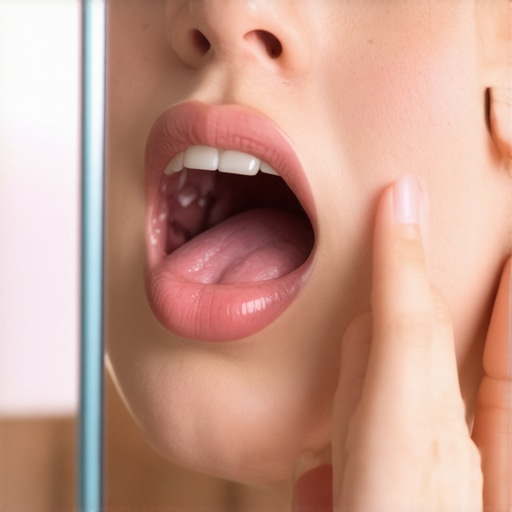
Start by ensuring you have good lighting and a small mirror. Gently lift your tongue with your fingers or a clean cloth, and examine the underside for any unusual bumps, discolorations, or patches. Use your mirror to see more clearly, especially if you’re trying to inspect harder-to-reach areas. If you notice any persistent white patches, red spots, or lumps, note their size and location.
Step-by-Step Routine for Spotting Potential Issues
Develop a routine by checking under your tongue at least once a week. Follow a methodical approach: lift the tongue, scan from side to side, and observe the central area. Play close attention to changes in texture or color. Remember, while minor variations can be normal, anything that sticks around for more than a week warrants a professional evaluation.
Inform Your Dentist with Precision
When you visit your dentist, describe what you’ve observed with specific details—use measurements if possible. This helps them identify whether your findings are typical or something that needs further investigation. Don’t underestimate the importance of detailed patient history; it can be the key to early detection of serious conditions like oral cancer.
Bring a Visual Record
If you notice a suspicious area, take clear photos to track its progression over time. This can be invaluable for your dentist to compare current and past images, especially if subtle changes occur rapidly. Regular self-assessment using this method enhances your proactive role in oral health maintenance.
Practice Routine Dental Care to Support Your Checks
Complement self-examinations with daily care routines like brushing, flossing, and using mouthwash. For instance, regular [teeth cleaning secrets](https://periodontistcare.com/teeth-cleaning-secrets-effective-home-practices-for-family-dental-health) ensure your mouth remains healthy and less prone to issues that can mimic or hide serious problems. Proper cleaning can also make it easier to notice abnormalities beneath your tongue.
Protect Your Restorations and Crowns
If you have crowns or dental restorations, keep a close eye on them during your self-assessment. Damage or loosening can sometimes reveal underlying problems or harbor hidden bacteria. Follow guidelines such as [maintaining your dental crowns](https://periodontistcare.com/maintaining-your-dental-crowns-dos-and-donts-for-best-results) and avoid habits that could jeopardize their integrity.
Know When to Seek Professional Help
If you detect any persistent abnormalities, schedule an appointment without delay. Early intervention can be life-saving, especially with conditions like oral cancer, which is often caught through subtle signs beneath the tongue. Use the contact form at [our clinic](https://periodontistcare.com/contact-us) to book your examination and get professional guidance.
Remember, your mouth is a mirror of your overall health. By taking these practical steps, you not only foster better oral hygiene but also empower yourself to catch potential issues early, making treatment more effective and less invasive.
 Many people believe that regular brushing and flossing alone are enough to maintain optimal oral health, but this oversimplification can lead to overlooked issues. For example, there’s a widespread myth that aggressive brushing strengthens your teeth—that’s false and can actually cause gum recession and enamel erosion. Instead, focus on gentle, thorough cleaning methods and regular dental checkups. Another misconception is that professional teeth cleaning isn’t necessary if your teeth look clean; however, plaque and tartar buildup often lurk beneath the gums, requiring professional intervention. Overlooking these deep-cleaning procedures can increase your risk of cavities and periodontal disease.
A common trap many fall into is relying solely on whitening toothpaste for a brighter smile, ignoring the importance of plaque removal and overall oral hygiene. This can give a false sense of security while allowing decay and gum issues to develop unnoticed. Unlike what some believe, teeth whitening isn’t a substitute for comprehensive dental care. Instead, it’s a cosmetic enhancement best used alongside professional guidance.
Is there a hidden nuance most people ignore? Absolutely. The durability of dental crowns, for instance, isn’t just about them being strong initially. Many assume that crowns last forever without any special care, but neglecting routine maintenance can shorten their lifespan significantly. Proper cleaning and avoiding habits like grinding or biting on hard objects are essential. Regular checkups ensure your crowns and restorations are in top shape, preventing costly replacements.
Advanced research underscores these points. According to the American Dental Association, many failures in dental restorations stem from neglecting routine care and misunderstanding the limitations of dental work. For instance, improper cleaning around crowns or neglecting signs of wear can lead to decay underneath the restoration, compromising its integrity. It’s crucial to understand that crowns and other restorations require the same diligent routine as natural teeth and sometimes more targeted care.
Moreover, family dentistry isn’t just about caring for children. It encompasses preventing oral health issues across all ages. Misconceptions about age-appropriate dental care can lead to gaps in therapy or missed opportunities for early intervention. Engaging regularly with a trusted family dentist ensures that each family member’s unique needs are met, reinforcing the importance of preventive care.
To truly benefit your oral health, adopt a comprehensive routine that combines daily hygiene, correct techniques, and professional checkups. Visit [family dentistry](https://periodontistcare.com/family-dentistry-focus-building-a-lifetime-of-healthy-smiles) to discover how integrated care can save you time, money, and discomfort over your lifetime.
Finally, avoid rushing into treatments or believing quick fixes are sufficient. For example, quick over-the-counter whitening solutions might seem tempting but can damage your enamel if misused. Instead, consult with your dentist, who can recommend safe, effective procedures tailored to your needs. For reliable advice tailored for your unique situation, reach out via [our contact page](https://periodontistcare.com/contact-us). Remember, informed choices lead to healthier smiles—don’t fall prey to myths that can compromise your long-term oral wellness.Maintaining your oral health for years to come requires more than just routine brushing and flossing; it demands the right tools and consistent practices. One of my personal favorites is the Sonicare DiamondClean electric toothbrush. I chose this model because its sonic technology provides 62,000 brush strokes per minute, effectively reaching areas manual brushing often misses, especially around crowns and implants. Its timers also ensure you brush sufficiently—two minutes per session—and the multiple cleaning modes cater to sensitive gums or whitening needs, making it versatile for different family members. Pairing this with a Waterpik Water Flosser, specifically the Ultra Hybrid model, has revolutionized my flossing routine. Water flossers are proven to remove plaque more effectively in some areas, particularly around crowns and bridges, where traditional string floss can be challenging. For long-term results, consistency is key, and these devices make daily care easier and more effective. I also recommend using a UV sanitizer like the SteriWhite UV Toothbrush Sanitizer. It neutralizes bacteria on your toothbrush, preventing reinfection or decay caused by contaminated brushes—especially important if you or your family members are battling oral infections or recovering from surgery. Regular professional teeth cleaning remains essential; however, investing in quality tools ensures your daily routines are as impactful as possible. Looking ahead, I believe smart toothbrushes integrated with AI, like the Oral-B Genius X, will become more mainstream, providing real-time feedback via smartphone apps to improve your brushing habits further. How do I maintain my tools over time? I ensure to replace toothbrush heads every three months, clean water flosser nozzles weekly, and disinfect my UV sanitizer monthly, following manufacturer guidelines to prevent bacterial buildup. The American Dental Association emphasizes that replacing your toothbrush every three to four months helps maintain optimal efficacy and oral health (ADA, 2023). Incorporate these advanced tools—like a sonic toothbrush, water flosser, and UV sanitizer—into your routine to elevate your family’s oral health game. Remember, the right equipment paired with expert advice and consistent practice can dramatically reduce cavity formation and gum disease over the years. For tailored guidance on long-term crown maintenance and ensuring your restorations last, check out [this professional advice](https://periodontistcare.com/expert-advice-on-crowns-and-teeth-cleaning-for-lasting-results). Ready to upgrade your dental toolkit? Start with the sonic toothbrush for a better clean today and experience the difference it can make in your oral health journey.
What I Wish I Knew Before Ignoring Tongue Inspections
My lightbulb moment came unexpectedly, revealing that paying attention to the underside of my tongue could be the key to catching potential issues early. I learned that even minor discolorations or lumps are signals our bodies send, often before symptoms appear, making self-awareness a powerful tool in preventive care.
Another lesson was realizing that regular dental visits aren’t just about teeth—they’re about complete mouth health. Recognizing the subtle signs under the tongue has helped me become more proactive, reducing anxiety and empowering my conversations with my dentist. Sometimes, the smallest details can be the biggest indicators of overall wellness.
Lastly, I discovered that educating myself about common myths and facts—like the misconception that crowns don’t need attention—can save time and money. Knowledge transforms passive routines into active health strategies, giving you control over your dental future.
Tools and Resources That Elevate My Oral Care Game
I rely on a Sonicare DiamondClean toothbrush for its effective cleaning and gentle approach, ensuring I reach even tricky areas around crowns. The Waterpik Water Flosser has been invaluable for maintaining hard-to-clean spots, especially beneath dental restorations. To keep my tools bacteria-free, I use a UV toothbrush sanitizer, which adds an extra layer of protection.
For deeper understanding, I consult trusted sources like the American Dental Association and focus on professional advice, such as the comprehensive insights provided in the article about maintaining crowns and teeth cleaning practices. These resources reinforce my routine and help me stay informed about new developments in oral health.
Your Smile Is a Reflection of Your Wellness—Take Action Today
The journey toward optimal oral health is ongoing, and every small step counts. By paying close attention to the signs beneath your tongue, investing in the right tools, and staying educated, you set yourself up for a healthier, more confident smile. Remember, your mouth reveals more than just your teeth—it offers a window into your overall health. So why wait? Start your proactive dental routine today and embrace the power you hold in maintaining your well-being.
Have you ever noticed something unusual under your tongue that turned out to be significant? Share your experience below—I’d love to hear how you took control of your oral health journey.