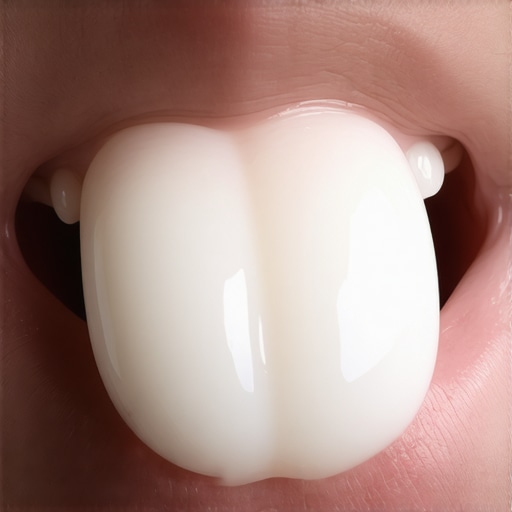
It was just another morning, and I caught myself in the mirror, grimacing at the mirror as I noticed that strange white coating on my tongue. I had brushed my teeth, flossed, and even rinsed with mouthwash, but that stubborn white layer remained. At first, I thought it was just food particles or maybe an indication that I wasn’t brushing well enough. But the more I looked, the more I realized it might be a sign of something more serious, or at least, worth paying attention to.
**Understanding the White Tongue Dilemma**
Getting to the Root of the White Coating
Everyone experiences this at some point—an unfamiliar white film covering the tongue. It’s often linked to poor oral hygiene, dehydration, or an overgrowth of bacteria or fungi. Sometimes, it’s merely the body’s way of dealing with accumulated debris, dead cells, or buildup caused by smoking, medications, or illness. I learned over time that ignoring it could lead to other issues like bad breath or even infections.
The good news? This problem is usually fixable with some simple changes and good habits. For instance, regular tongue scraping and maintaining a healthy oral routine can do wonders. If you are wondering about the best practices, I recommend checking out https://periodontistcare.com/oral-health-routine-strengthening-your-smile-every-day for useful tips.
**But Why Does It Happen in the First Place?**
Is This Just a Cosmetic Issue or Something More Serious?
Initially, I made the mistake of dismissing my white tongue as purely cosmetic. But after consulting with my dentist, I realized it could sometimes signal underlying health issues, from fungal infections like oral thrush to more serious conditions like vitamin deficiencies or even early signs of disease. According to health studies, up to 60% of people with persistent oral issues might not be aware of underlying health conditions—so it’s wise not to ignore it.
Here’s the thing—early intervention is key. If you notice this yellowish or white coating sticking around for more than a week, it’s time to seek professional advice. In my experience, a tailored cleaning routine can significantly improve the situation, especially when combined with regular dental visits, like those described here: https://periodontistcare.com/how-crowns-can-transform-your-dental-confidence.
**How I Overcame the Problem**
My Journey Toward a Cleaner Tongue
At first, I tried DIY home remedies, like brushing my tongue vigorously, but it didn’t help much. Then I discovered gentle tongue scrapers and integrated them into my daily routine, following advice found in trusted resources. Soon after, my tongue’s appearance improved dramatically. The lessons I learned? Consistency matters, and so does knowing when to ask for professional help. Regular checkups and proper hygiene create a solid foundation for oral health. Curious if you’ve faced similar issues? Feel free to share your experience!
Now that you understand the possible causes of a white tongue and have a glimpse of how to address it, let’s dive into practical, proven steps to restore that healthy, confident smile you deserve.
Master the Art of Daily Oral Hygiene
Start with establishing a consistent routine that includes brushing twice a day, flossing, and using mouthwash. When I decided to improve my oral health, I purchased an electric toothbrush with a timer—this was a game changer. I set a timer for two minutes to ensure I brushed long enough, which made my teeth feel cleaner and my gums healthier. Remember, using a fluoride toothpaste helps strengthen enamel and prevent decay. Incorporate tongue scraping into your routine, much like cleaning a mirror to get a clearer reflection—this removes bacteria and reduces bad breath. Consistency is key; skip this, and you risk letting plaque and bacteria accumulate, making the white coating worse. For detailed tips on maintaining your dental routine, visit this resource.
Use the Right Tools for Tongue and Teeth Care
Select a quality tongue scraper—think of it as a gentle garden rake for your tongue—this helps remove debris and bacteria without damaging tissues. I found that gentle pressure worked best for me; aggressive scraping caused discomfort. Replace your toothbrush or electric head every three months, similar to rotating tires for even wear—this ensures maximum cleaning efficiency. Floss daily with proper technique: curve the floss into a C-shape around each tooth to remove plaque effectively, just like carefully polishing a delicate surface. Employ interdental brushes for tight spaces; it’s like fitting a tiny brush into a narrow pipe—dislodging buildup where your regular brush can’t reach. Applying these tips consistently will lay the foundation for a healthier mouth and a brighter smile. For expert advice, see this guide.
Schedule Regular Professional Cleanings
Book visits with your dental professional at least twice a year. During these visits, professionals remove hardened plaque—called tartar—much like a gardener pruning overgrown bushes to promote healthy growth. These cleanings prevent the buildup of the white coating, which often originates from plaque and bacteria. If you’ve noticed persistent coating, it could be a sign of underlying issues like fungal infections or vitamin deficiencies—professional cleaning identifies and addresses these early. Think of it as regular car servicing; it keeps your oral health in top shape and prevents costly repairs later. For the best results, follow your dentist’s personalized advice and schedule cleanings ahead of time. More information on maintaining dental health can be found at this page.Many patients believe that dental crowns are a quick fix or that once placed, they require minimal care. However, this misconception can lead to premature crown failure or complications. In reality, understanding the nuances of crown longevity involves more than just the initial procedure; it requires diligent maintenance and awareness of potential pitfalls. For example, some assume that crowns don’t need special attention beyond regular brushing, but neglecting to use non-abrasive cleaners or ignoring ongoing gum health can shorten their lifespan. According to an expert in prosthodontics, proper aftercare significantly impacts how long your crowns last—see this guide for detailed advice.
Why do some crowns last longer than others?
The secret often lies in the material used and the patient’s habits. Porcelain-fused-to-metal crowns are durable, but improper biting force or bruxism can cause chipping or loosening. Many overlook the importance of a custom night guard if they grind their teeth at night, which can drastically extend crown life. Moreover, routine check-ins allow dentists to monitor for issues like marginal decay or gum recession around the crown, which can jeopardize its stability. This proactive approach is emphasized in this article.
Moving on to teeth cleaning, there’s a common myth that brushing alone suffices for comprehensive oral health. Despite frequent brushing, plaque and tartar can build up in areas that are hard to reach with a toothbrush alone, like between teeth and below the gumline. Skipping professional cleanings under the false impression that home care is enough can lead to periodontal disease, which even affects systemic health. A study published in the Journal of Clinical Periodontology highlights that regular professional cleanings reduce the risk of systemic conditions such as cardiovascular disease. Remember, engaging with family dentistry that emphasizes thorough cleanings and patient education can prevent these issues—details are available at this link.
Let’s tackle an advanced question many don’t consider: How does oral microbiome management influence overall health, and can neglecting it undermine your dental efforts? Recent research indicates that maintaining a balanced oral microbiome goes beyond the traditional brush-and-floss routine. Disruption from overuse of antibacterial mouthwashes or antibiotics can harm beneficial bacteria, leading to dysbiosis and increased susceptibility to infections like thrush or periodontal pathogens. Incorporating probiotic supplements or foods supporting oral flora might offer an edge—an emerging area explored in recent dental studies. For a comprehensive understanding, see this resource. Don’t overlook the tiny ecosystems inside your mouth; they play a vital role in your overall health.
Finally, don’t forget the importance of consistency and awareness. Many individuals underestimate the cumulative effect of small neglects, whether it’s forgotten flossing or avoiding regular checkups. These oversights are often the real culprits behind long-term dental issues, and understanding the detailed care requirements can make all the difference. Have you ever fallen into this trap? Let me know in the comments and share your experiences or questions about achieving optimal oral health.Maintaining a healthy smile requires more than just brushing and flossing; it demands the right tools and consistent routines. I’ve personally found that investing in a high-quality electric toothbrush, like the Philips Sonicare FlexCare, makes a significant difference. Its sonic technology provides superior plaque removal, especially in hard-to-reach areas around crowns and bridges, which are prone to plaque buildup if neglected. Additionally, I swear by using a water flosser, such as the Waterpik Aquarius, for deep cleaning between teeth and around restorations. These tools complement regular dental visits and help prolong the lifespan of dental crowns while preventing decay beneath them. As trend predictions show, smart dental devices with Bluetooth connectivity are gaining popularity, offering real-time feedback and personalized advice—making oral hygiene more engaging and effective over time. How do I maintain my dental tools to ensure they remain effective? I replace toothbrush heads every three months and descale my water flosser monthly with vinegar solution to prevent limescale buildup, which can harbor bacteria. Regularly cleaning and replacing these devices ensures optimal performance, much like routine professional cleanings help maintain gum health. I highly recommend integrating these tools into your daily routine; not only do they boost hygiene, but they also save time and prevent costly dental work in the future. For expert insights on choosing the best crowns for durability, visit this comprehensive guide. Don’t forget—consistent use of specialized tools can be the difference between mediocre and long-lasting results, so give it a try today and enjoy a brighter, healthier smile.
What I Wish I Knew Before Starting My Dental Journey
One of the most eye-opening lessons I learned is the importance of early and consistent professional care. I used to think that regular brushing was enough, but discovering the impact of routine cleanings and targeted treatments taught me that prevention truly is better than cure. I also realized that understanding the materials and technologies behind crowns and restorations can make a significant difference in their longevity, saving money and discomfort in the long run.
Additionally, I found that mental habits, like ignoring subtle discomforts or delaying dental visits, can compound issues. Embracing a proactive approach and educating myself about the latest advancements in family dentistry helped me make better choices, ensuring my oral health supported my overall well-being.
Top Resources That Changed My Perspective on Dental Care
- Expert advice on crowns and teeth cleaning: The article here offered invaluable insights into maintaining restorations and preventing common issues.
- Routine of daily oral hygiene: The guide this helped me develop habits that keep my smile bright and healthy.
- Understanding family dentistry: This resource emphasizes the importance of lifelong dental wellness starting from childhood, which resonated with my goal of fostering good habits in my family.
Your Smile Is a Reflection of Your Care
Investing in your oral health is a daily act of kindness to yourself. Tiny routines, informed decisions, and seeking professional guidance can lead to lasting confidence and well-being. Remember, your journey to a radiant smile isn’t a sprint but a rewarding marathon. Embrace every step, learn from trusted experts, and celebrate your progress along the way.
What’s the one change you plan to make today to improve your dental health? Let me know below—your smile deserves it!