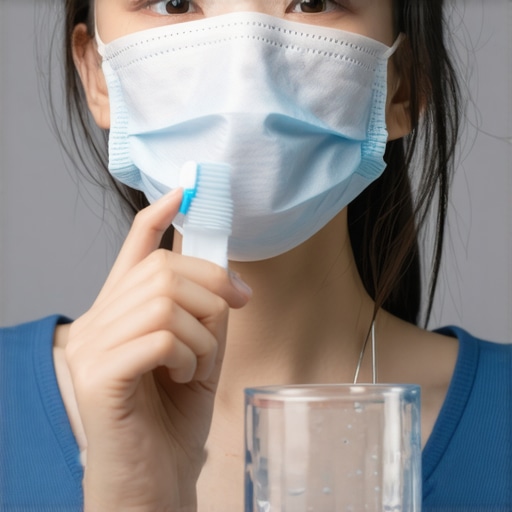
I remember the moment vividly—standing in the grocery line, feeling the flush of panic as I realized my mask was betraying me with that unmistakable foul smell. It was a lightbulb moment that made me rethink everything about oral hygiene and mask-wearing. If you’ve experienced something similar, you’re not alone. Bad breath while wearing a mask can turn everyday interactions into awkward encounters, and let’s be honest, it’s downright embarrassing.
Today, I’m here to share proven strategies to keep your breath fresh—even behind a face covering. No more avoiding close conversations or feeling self-conscious. We’ll delve into simple yet effective habits to prevent bad breath from sneaking up on you, especially when masks are a part of daily life.
The Hidden Culprits Behind Mask Bad Breath
Why Your Breath Might Be the Problem, Not Your Mask
Early on, I made the mistake of dismissing bad breath as just something transient, only to realize it’s often caused by bacterial buildup on your tongue, forgotten corners of your teeth, or lingering food particles. Wearing a mask doesn’t create the smell; it traps it! According to dental health experts, these bacteria produce sulfur compounds that cause halitosis, which becomes particularly noticeable when your mouth isn’t ventilating as freely as normal.
One mistake I kept making was ignoring my tongue when brushing, thinking that my teeth alone were enough. Turns out, that’s a common error—your tongue’s surface can harbor tons of bacteria. Regularly cleaning your tongue is just as vital as flossing or brushing, and it significantly reduces bad breath. For detailed tips, check out [this guide on effective home dental practices](https://periodontistcare.com/teeth-cleaning-secrets-effective-home-practices-for-family-dental-health).
Understanding the root causes is crucial. It’s not just about masking the smell with gum but tackling the problem at its source. Now that I’ve cracked the code for fresher breath, I’m eager to share the practical steps that will help you stay confident, even when masks are here to stay.
Start by brushing your teeth at least twice daily using a fluoride toothpaste, focusing on all surfaces and including your tongue—a neglected area that can harbor bacteria. I recall a morning when I woke up and neglected my tongue cleaning; by midday, my breath was noticeably off, especially behind my mask. Incorporating a tongue scraper or gently brushing your tongue with your toothbrush removes biofilms and sulfur-producing bacteria, drastically reducing bad odors.
Think of your mouth as a battlefield; proper brushing is your best weapon. Use gentle, circular motions to clean your teeth and along the gumline, ensuring you reach difficult areas. Don’t forget the back molars, where food particles often hide, leading to bacterial growth. Replace your toothbrush every three to four months to maintain optimal cleaning efficiency. For a comprehensive approach, check out effective home dental practices which include detailed brushing and flossing tips.
Flossing daily removes debris and plaque between teeth that your toothbrush can’t reach—think of it as clearing the weeds between garden stones, preventing bacterial buildup. I once skipped flossing for a few days, and sure enough, my breath worsened, especially with my mask on. Consider using interdental brushes or water flossers for stubborn areas or braces, which are especially effective and gentle. Regular flossing disrupts bacterial colonies, keeping your mouth fresh.
Now, imagine the tongue as a sponge soaked with bacteria and particles. Cleaning it reduces the sulfur compounds responsible for bad breath. Use a tongue scraper or brush your tongue gently but thoroughly. I remember one time I neglected this step; the next day, my mask emitted a foul smell despite my brushing routine. Consistent tongue cleaning is a game-changer for maintaining freshness.
What you eat directly influences your breath. Limit foods high in sulfur, like onions and garlic, especially before social interactions. Drinking plenty of water flushes away food particles and dilutes bacteria. I keep a water bottle handy and sip frequently, particularly during meals and after snacking, which helps wash away residual food that bacteria might feast on. Avoid excessive caffeine and alcohol, which dry out your mouth and worsen odor.
Use sugar-free gum or mints containing xylitol to stimulate saliva flow and mask initial bad odors temporarily. However, rely on these as auxiliary tools; they don’t replace proper cleaning. Remember, overuse of mouth sprays or strong mints can mask underlying issues rather than resolve them. For sustained freshness, focus on consistent cleaning habits and hydration.
Even with diligent at-home care, professional cleanings are essential to remove tartar buildup and address issues like cavities or gum disease, which can contribute to bad breath. I experienced a noticeable improvement in breath freshness after my professional cleaning, as it reached areas I could not clean thoroughly myself. Schedule check-ups at least twice a year, and discuss any persistent bad breath with your dentist.
If you have crowns, bridges, or other restorations, maintaining their cleanliness is crucial. Use a floss threader or interdental brush to clean around them daily. For tips on caring for crowns, visit caring for crowns to ensure their longevity and prevent odor-causing plaque buildup.
By implementing these concrete steps into your routine, you can effectively combat bad breath behind a mask, boost your confidence, and maintain vibrant oral health even during prolonged mask usage.
,Many people believe they know everything about oral health, but in reality, some common myths can undermine your efforts. For instance, the widespread assumption that brushing harder cleans better is false; aggressive brushing can damage enamel and gums, leading to sensitive teeth and recession. Expert studies, such as those published in the Journal of Periodontology, emphasize gentle, thorough brushing using soft-bristled brushes for optimal results. Moreover, a prevalent misconception is that flossing once a week suffices; in fact, daily flossing is crucial to disrupt bacterial colonies and prevent plaque buildup that causes decay and gum disease. Overlooking professional cleanings due to cost or inconvenience is another trap—regular visits to your dentist are essential for detecting issues early and maintaining overall oral wellness. When it comes to crowns, many believe they are a one-time fix, but neglecting proper care can lead to staining or damage, shortening their lifespan. Proper maintenance includes avoiding hard foods and following specific care tips outlined in guides like https://periodontistcare.com/maintaining-your-dental-crowns-dos-and-donts-for-best-results. For families, some think that children’s baby teeth don’t require as much attention, but early dental care sets the foundation for lifelong health. Neglecting this, or delaying visits, can result in cavities and misalignments that are harder to correct later. Advanced practitioners know that modern techniques, including laser dentistry and customized oral hygiene plans, make maintenance more effective and less invasive. A sneaky trap is assuming that natural remedies or gimmicky products are sufficient; however, scientific evidence supports regular professional interventions and disciplined daily routines. For example, while tongue scrapers are beneficial, they shouldn’t replace comprehensive brushing and flossing. Being aware of these hidden nuances ensures your efforts translate into lasting oral health. Want to optimize your routine further? Consider consulting experts or visiting trusted resources like https://periodontistcare.com/teeth-cleaning-secrets-effective-home-practices-for-family-dental-health. Have you ever fallen into this trap? Let me know in the comments.Maintaining your oral health and the longevity of dental restorations like crowns requires more than just basic brushing and flossing. Investing in the right tools and adopting strategic routines can significantly impact your results over time. One of my personal favorites is the ultrasonic water flosser, such as the Waterpik Origin, which I use daily to dislodge stubborn plaque around crowns and bridges. Its pulsating jet reaches areas that traditional floss can’t easily access, reducing bacterial buildup and preventing odor issues, especially behind restorations. Regularly scheduling professional cleanings, ideally every six months, complements these at-home tools, ensuring tartar doesn’t compromise your dental work. For effective home practices, I recommend exploring tips outlined in [this guide on family dental health](https://periodontistcare.com/teeth-cleaning-secrets-effective-home-practices-for-family-dental-health), which emphasize the importance of combining technology with routine care. As trends evolve, digital advancements like AI-powered plaque detection brushes and 3D imaging are becoming more accessible, offering personalized insights and early detection of issues before they escalate. In the future, integrating these innovations into your routine could become as commonplace as regular brushing. How do I maintain my dental restorations and prevent recurrent problems? Consistent use of specialized tools like interdental brushes for crown margins, combined with professional advice, is vital. For example, using interdental brushes promptly after meals thoroughly cleans around crowns, reducing the risk of decay at the edges. Don’t forget to discuss your maintenance routine with your dentist during visits; they can recommend specific products suited for your restorations’ materials, such as zirconia or porcelain, and ensure they stay in peak condition. If you’re serious about optimizing your oral maintenance routine, I suggest trying out a sonic toothbrush with advanced modes—certain models incorporate sensors that detect areas needing extra attention, which makes a tangible difference in long-term results. Remember, tools are only as effective as the consistent routine behind them. Want tailored advice? Reach out through [our contact page](https://periodontistcare.com/contact-us) or explore expert tips on maintaining crowns and other dental restorations in our comprehensive resources.
Lessons that Changed My Dental Journey
- Over time, I realized that consistent tongue cleaning made a monumental difference, despite what many dentists overlook. A simple habit shift transformed my morning breath and boosted my confidence during mask-wearing months.
- Using the right tools, like interdental brushes for crowns, not only preserved my restorations but also prevented embarrassing odors, proving that investing in quality can save me time and discomfort.
- Beyond routine brushing, integrating professional cleanings every six months uncovered hidden issues early, allowing me to stay proactive rather than reactive about my oral health.
- The myth that harsh brushing cleans better was shattered when I learned gentle, thorough techniques outperform aggressive scrubbing, protecting my enamel and gums in the long run.
Tools and Resources That Elevated My Routine
- Waterpik Water Flosser: This device became my go-to for cleaning around crowns and bridges, reaching places traditional floss can’t, and has significantly cut down bacterial buildup.
- Effective Toothpaste and Mouthwashes: I trust products recommended by dental experts, especially those with fluoride and xylitol, to enhance saliva flow and fight off bacteria without irritation.
- Family Dental Care Guides: Resources like this comprehensive guide have helped me refine my habits and share best practices with loved ones.
- Regular Dental Check-ups: Scheduling bi-annual visits ensures that restorations remain pristine and underlying issues are caught early, saving me from costly repairs later.
Your Next Step to a Fresher, Confident Smile
Empowering yourself with knowledge and practical tools can revolutionize your oral health routine, especially behind a mask. Whether it’s adopting tongue scraping daily or investing in targeted dental devices, small changes lead to lasting results. Remember, a confident smile is a reflection of disciplined care—so take charge today and enjoy the transformative benefits that come with it.
What’s one new oral health habit you’re excited to try? Let me know below!