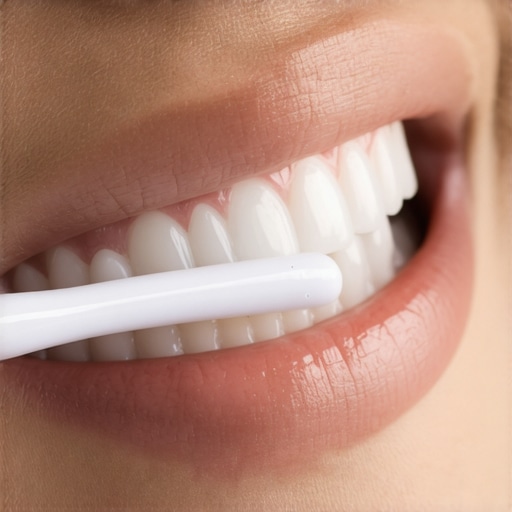
It was a typical evening, and as I looked into the mirror after brushing, I noticed my gums were a bit more inflamed than usual. I remembered my dentist’s advice—not to use medium-bristle toothbrushes anymore. I had been stubborn, thinking that if soft bristles felt too gentle, medium ones would do a better job at cleaning. That was a mistake I didn’t realize I was making, and it turned into a lightbulb moment for me. Since then, I’ve shifted to the recommended soft-bristle brushes, and my oral health has improved dramatically.
The Hidden Damage of Medium Bristles: What I Didn’t Know
Many of us believe that brushing harder or using firmer bristles leads to better-cleaned teeth. But in reality, medium bristles can cause more harm than good, especially around sensitive areas like crowns and gum tissues. My early mistake was thinking that medium was just a middle ground—neither too soft nor too hard—but I was unwittingly contributing to gum recession and wearing down my enamel. Studies show that aggressive brushing, often associated with medium or hard bristles, can lead to damaged gums and increased sensitivityhttps://periodontistcare.com/the-impact-of-regular-teeth-cleaning-on-overall-oral-wellness. That’s exactly what I experienced firsthand.
Today, I want to share why switching to soft-bristle toothbrushes is a game-changer and how you can make this simple yet impactful change in your oral routine.
The Battle of the Brush: Soft vs. Medium – Which Actually Wins?
The key difference lies in their design and how they interact with your teeth and gums. Soft bristles are gentle on your delicate tissues, providing effective cleaning without abrasive force. On the other hand, medium bristles may seem more effective, but they risk damaging your gums and enamel over time. If you’ve been using medium brushes, it’s worth evaluating whether this choice is really benefitting your health or just masking underlying issues like plaque buildup or sensitivity. Want to ensure you’re brushing effectively? Check out the expert advice on crowns and teeth cleaning to get insights on the right techniques for long-lasting results.
Is The Hype Around Medium Bristles Just Marketing?
Many dental professionals emphasize the importance of gentle, effective brushing over brute force. I initially thought that more aggressive brushing would improve my oral health, but that was a misconception. The mistake was focusing solely on cleanliness rather than the health of my gums and enamel. Since making the switch, I’ve seen less bleeding, reduced sensitivity, and healthier gums. If this sounds familiar—have you ever felt like you’re brushing too hard or noticed your gums receding? If so, you’re not alone, and it’s time to reconsider your brush choices. Proper brushing techniques and the right tool can make all the difference, so don’t hesitate to explore more at effective home practices.
Choose the Right Toothbrush and Supplies
Begin by selecting a soft-bristle toothbrush, which is gentle on your gums and enamel while still effectively cleaning. Opt for a toothbrush with a comfortable grip and replace it every three months or sooner if the bristles fray. Use fluoride toothpaste to strengthen your teeth and fight cavities. Keep a water flosser or interdental brushes handy for cleaning tight spaces and around crowns, ensuring comprehensive plaque removal.
Develop a Precise Brushing Technique
Hold your toothbrush at a 45-degree angle towards your gums. Use gentle, circular motions—think of softly sweeping away plaque rather than scrubbing aggressively. Cover all surfaces: outer, inner, and chewing surfaces of your teeth. Spend at least two minutes brushing, dividing your mouth into quadrants for thorough coverage. Remember, applying too much pressure can harm your gums—aim for controlled, gentle strokes. I vividly recall a morning where I carefully practiced this technique, reducing gum soreness and noticing fresher breath by the end of the week.
Master Effective Flossing and Interdental Cleaning
Slide about 18 inches of floss between your teeth, flossing gently to avoid gum irritation. Curve the floss around each tooth in a C-shape and gently glide it beneath the gumline. For crowns and bridges, use specialized tools like water flossers with tips designed for prosthetic teeth, which better remove debris without damaging restorations. Consistent interdental cleaning disrupts plaque buildup and prevents periodontal issues. I personally adopted this routine, initially messy but gradually improving my gum health within days.
Incorporate Mouthwash and Additional Aids
Use an alcohol-free, antibacterial mouthwash after brushing and flossing to reach areas inaccessible to bristles or floss. Consider tongue scrapers to reduce bacterial buildup that causes bad breath. For crowns, applying a water flosser or using a denture brush can help maintain their shine and prevent plaque accumulation. These extra steps ensure your entire mouth, including sensitive and prosthetic areas, stays healthy. Once I added mouthwash into my routine, my mouth felt cleaner and fresher throughout the day.
Regular Professional Cleanings and Check-Ups
Schedule dental visits every six months for professional cleanings, where tools reach tartar and plaque hidden from daily routines. During visits, discuss any concerns about crowns or sensitive areas; your dentist can recommend specific care products. For crowns, special polishing and inspection help ensure longevity and aesthetics. I experienced a significant improvement in my oral health after conscientious visits, catching potential issues early before they escalated.
Monitor and Adapt Your Routine
Pay attention to signs like bleeding gums, bad breath, or sensitivity—these indicators that your technique needs adjustment. Use a mirror to observe the health of your gums and the condition of crowns. Adjust your pressure and timing accordingly. Incorporate new tools or techniques as your needs evolve, such as soft picks for tight spaces or whitening products for stained teeth. Over time, a personalized routine turns into second nature, maintaining optimal oral health. I found that tracking my progress helped me stay committed and aware of my dental care quality.
Many assume that getting dental crowns is a straightforward process, but the truth is more nuanced. A common misconception is that crowns are permanent and flawless forever, yet many fail due to neglect or improper maintenancehttps://periodontistcare.com/maintaining-your-dental-crowns-dos-and-donts-for-best-results. For example, some believe that once placed, crowns are immune to issues like chipping or staining, but factors like lack of proper oral hygiene or biting on hard objects can compromise their longevity.
An advanced mistake I often see involves underestimating the importance of regular check-ups. Many think crowns are maintenance-free, but untreated decay at the margin or underlying tooth problems can silently develop beneath a seemingly perfect crown. Recognizing this, experts emphasize routine professional inspections to catch potential issues earlyhttps://periodontistcare.com/expert-advice-on-crowns-and-teeth-cleaning-for-lasting-results.
Moreover, there’s a widespread myth that crowns don’t need special cleaning, but biofilm buildup around their edges can lead to gum inflammation or secondary decay. Incorporating interdental cleaning tools like water flossers can make a difference herehttps://periodontistcare.com/the-impact-of-regular-teeth-cleaning-on-overall-oral-wellness.
For anyone with crowns, understanding how to care for them is vital. For instance, avoiding excessive biting on ice or hard candies prevents chipping, while using non-abrasive toothpaste minimizes wear. The greatest oversight I see is neglecting the potential for crowns to stain or accumulate plaque, which can compromise aesthetics and health over timehttps://periodontistcare.com/caring-for-crowns-essential-tips-for-longevity-and-shine.
Now, here’s a question for the more advanced reader: How does the material of your crown influence your oral hygiene routine, and what additional precautions should you take? Research indicates that zirconia crowns are more resistant to staining and wear, but they still require meticulous cleaning and regular check-upshttps://periodontistcare.com/why-zirconia-is-becoming-the-gold-standard. Ignoring these specifics can inadvertently lead to crown failure or compromised oral health.
Making informed decisions about crowns involves more than just the initial placement. It’s about understanding their real-life behavior and maintaining them proactively. Remember, a crown isn’t just a fix; it’s part of your smile’s integrity. Want to ensure your dental restorations last? Regular professional care combined with proper home practices is key.
Have you ever fallen into this trap? Let me know in the comments. For comprehensive guidance on maintaining your crowns and overall oral health, consider visiting our expert advice pages, or contact us for tailored recommendations.Maintaining your oral health extends beyond daily brushing and flossing; it requires specialized tools and techniques to keep crowns and your natural teeth functioning optimally over time. One of my go-to devices is the high-quality water flosser, which I personally use with specialized tips designed for crowns and bridges. Unlike traditional floss, a water flosser delivers pulsating jets that dislodge plaque from hard-to-reach areas around restorations, reducing the risk of gum inflammation and decayLearn more about proper water flosser techniques. I highly recommend investing in a model with adjustable pressure settings, so you can customize the power—gentle enough around sensitive crowns but effective enough to clean thoroughly.
Throughout my journey with dental crowns and oral care, one lesson resonated deeply: consistent, mindful practices are your best allies for lasting smile confidence. Regular professional check-ups are vital, but understanding the subtleties of daily routine can make or break the longevity of your crowns and natural teeth alike. Recognizing that crowns require personalized care—based on their material and placement—has transformed my approach to oral health, significantly reducing issues like staining or discomfort. Additionally, staying updated with expert-backed resources empowers you to adapt and refine your routine, ensuring your smile remains resilient over time. Remember, every small adjustment and intentional habit we build translates into enduring health and confidence. You’re not just maintaining teeth; you’re nurturing your overall well-being, one mindful brushstroke at a time.