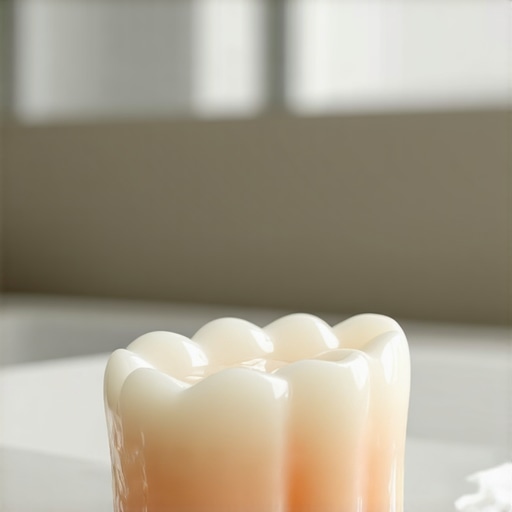
Ever scrambled in the morning, toothbrush in hand, only to realize your night guard is covered in grime, and all you have are harsh chemicals or ugly stains? I’ve been there. That lightbulb moment hit me hard when I noticed a foul smell wafting from my night guard—turns out, old cleaning methods weren’t cutting it, and I was risking my oral health without even knowing it.
Why Your Night Guard Deserves Better Care Than Commercial Cleaners
Cleaning your night guard might seem straightforward, but the truth is, the wrong approach can do more harm than good. Harsh chemicals like bleach or commercial cleansers might promise quick results, but they can also weaken the material or leave behind residues that could irritate your mouth or even cause allergic reactions. Plus, those toxins aren’t exactly what you want lingering in your mouth overnight.
I discovered that many of us make a common mistake early on: using strong cleaning agents without considering the long-term effects on our guard and our health. Once, I dunked mine in disinfectants recommended online, only to find it was dulling and cracking faster. After that, I knew I needed a more natural, gentle routine.
The good news is, cleaning your night guard doesn’t require a chemistry set, just a bit of patience and the right tips. We’re going to explore simple, effective, and safe methods to keep your guard fresh, hygienic, and in top shape—without risking the health of your mouth. And trust me, once you switch to these techniques, you’ll wonder why you ever used anything else.
But first, I want to hear from you: Have you faced issues with stubborn stains or foul odors from your night guard? Drop a comment or check out our comprehensive [teeth cleaning tips](https://periodontistcare.com/teeth-cleaning-secrets-effective-home-practices-for-family-dental-health) for more advice on maintaining your family’s oral health. Ready to shed those chemical cleanings and embrace safer, natural methods? Let’s dive in.
Master the Gentle Cleaning Process
Start by removing your night guard and rinsing it under lukewarm water to loosen debris. Gently scrub it with a soft toothbrush dipped in a mixture of equal parts water and white vinegar for about 2 minutes. I remember once splashing too much vinegar, leading to a slightly pungent smell, but a thorough rinse solved that. This step helps dissolve grime without damaging the material.
Use a Natural Disinfectant
Prepare a solution of baking soda and water—about a teaspoon of baking soda in a cup of water. Soak your guard in this mixture for 15 minutes. Baking soda acts as a mild abrasive and deodorizer, neutralizing odors and removing surface stains. I once left mine soaking longer than recommended and noticed a bit of cloudiness, so sticking to the 15-minute mark ensures safety and effectiveness.
Pay Attention to Small Details
After soaking, use a soft toothbrush to gently clean hard-to-reach areas, especially around curves and edges. Avoid using toothpicks or sharp tools—they might scratch or break the appliance. I learned this the hard way when a tiny crack appeared after an aggressive scrape, which made me realize gentle cleaning is best for longevity.
Rinse and Dry Properly
Thoroughly rinse your night guard under cool water to remove any residual cleaning solution. Dry it with a clean, soft towel or air dry on a clean surface. Avoid exposing it to direct sunlight for prolonged periods—excessive heat can warp the material. Once, I accidentally left mine in the sun, and it warped slightly; now, I always air dry indoors.
Incorporate Regular Maintenance into Your Routine
Set a weekly reminder to clean your night guard using these natural methods. Consistent care prevents buildup of plaque and bacteria, extends the life of your device, and maintains your oral health. Regular cleanliness also helps avoid foul odors, which can be embarrassing and harmful. To learn more about comprehensive oral routines, visit this guide.
Additional Tips for Family Dental Hygiene
Ensure every family member follows a similar cleaning routine. Sharing simple, safe methods makes it easier to maintain overall family oral health. For family-specific advice, check out family dentistry tips. Keeping your devices in good condition not only preserves their function but also supports your long-term dental health journey.
Many people assume that brushing twice a day and visiting the dentist annually suffices for optimal oral health. However, this oversimplification often leads to overlooked nuances that can compromise long-term dental wellness. For instance, a common myth is that fluoride alone is enough to prevent cavities. In reality, recent research indicates that mineral-rich diets and proper chewing are equally crucial for maintaining enamel strength (source). Additionally, a subtle mistake many make involves over-relying on electric toothbrushes while neglecting manual flossing, which is vital for plaque removal in hard-to-reach areas, especially around crowns and bridges.
Are All Dental Crowns Equally Susceptible to Bacterial Build-up?
Contrary to popular belief, not all crowns require the same maintenance routine. Porcelain fused to metal may accumulate plaque faster if neglected, leading to gum recession and decay at the margins. Experts recommend specialized cleaning tools and regular professional check-ups (source). A trap to watch out for is the assumption that whitening toothpaste can reverse stain build-up on crowns; in truth, these restorations are resistant to common whitening agents, necessitating the use of tailored treatments (source). Moreover, many believe that frequent mouthwashes replace flossing, but alcohol-based variants can dry out gums and trap bacteria, exacerbating issues instead of resolving them. It’s essential to differentiate between cosmetic and functional care, especially when dealing with family dental routines. For comprehensive advice, consider exploring family dentistry practices. Remember, personalized dental strategies often outperform generic advice, especially when considering how factors like saliva composition and diet influence oral microbiota. Have you ever fallen into this trap? Let me know in the comments to share your experiences or ask for tailored recommendations.
How Do I Keep My Dental Tools in Optimal Shape Over Time?
Maintaining your dental hygiene tools is crucial for ensuring their effectiveness and longevity. I personally swear by a few specific pieces of equipment and techniques that have stood the test of time, allowing me to keep my family’s oral health routine efficient and safe. One staple is investing in a high-quality ultrasonic cleaner, such as the Ultrasonix model, which uses microscopic cavitation bubbles to remove debris from brushes and small dental instruments more thoroughly than manual scrubbing. This device not only ensures a deep clean but also reduces bacteria build-up, which is essential in avoiding cross-contamination.
Complementing the ultrasonic cleaner, I use a UV sterilizer box to disinfect my tools after each cleaning session. The UV light effectively destroys any residual microbial life, providing peace of mind that my equipment is safe to reuse. I recommend models like SterilizePro UV because of their reliability and user-friendly design. Regularly replacing toothbrush heads and polishing brushes with durable, professional-grade replacements ensures consistent performance and reduces wear and tear over the years.
On the software side, I rely on dental care apps that track when I last cleaned or replaced tools, such as reliable reminders and maintenance logs. Staying organized prevents neglect and helps maintain a high standard of oral hygiene for the entire family.
Thinking ahead, I predict that innovations like smart toothbrushes with integrated cleaning alerts and Bluetooth connectivity will increasingly dominate the scene. These devices will inform you when cleaning is due, monitor usage patterns, and suggest personalized routines, pushing us toward more proactive maintenance habits rather than reactive repairs. Embracing these technologies now, like considering an upgrade to a SmartClean Pro model, can make a tangible difference in the longevity of your tools and overall oral health.
What Are Best Practices for Protecting Crowns and Restorations Long-Term?
Proper maintenance extends beyond cleaning your tools. For crowns and restorations, avoiding biting down on hard objects and using specialized cleaning tools like interdental brushes can prevent damage. Regular professional check-ups are paramount, and I recommend scheduling these at least twice a year for thorough assessments. During appointments, ask your dentist about long-term crown care strategies that match your specific dental history.
In the coming years, I believe the trend will shift toward nanotechnology-based coatings on crowns, which could resist plaque accumulation and staining more effectively. Staying informed about emerging materials and techniques will empower you to safeguard your investment—so keep an eye on innovative treatments like these.
Consistent Maintenance Ensures Lasting Results
As you incorporate these advanced tools and practices into your routine, remember that consistency is key. Properly sterilized equipment, regular professional check-ups, and informed use of protective products will give you long-lasting results and healthier smiles for years to come. For additional insights into maintaining your dental tools, visit this detailed guide. Now, I challenge you to try a high-end ultrasonic cleaner for a month and observe the difference in your tool’s cleanliness and your oral health—sometimes, investing in quality makes all the difference.
The Hardest Lesson I Learned About Night Guard Care
One of my biggest lightbulb moments was realizing that over-cleaning or harsh chemicals can deteriorate the integrity of my night guard, leading to more frequent replacements and increased costs. It taught me that patience and gentle, natural remedies are often more effective than aggressive chemical solutions.
I Didn’t Expect That Observation Would Change My Routine
Noticing a persistent foul smell prompted me to re-evaluate my cleaning process. Switching to vinegar and baking soda not only eliminated odors but also preserved the material, proving that simple household items can outperform commercial cleaners when used correctly.
How My Approach to Family Dental Hygiene Got Smarter
Involving my family in a natural cleaning routine created a sense of shared responsibility and improved overall oral health. This experience underscored the importance of making regular maintenance easy, safe, and ingrained in daily habits, especially for kids.
The Surprising Benefits of Good Enough
By adopting gentle, natural cleaning methods, I discovered that consistency mattered more than perfect results achieved through harsh chemicals. This realization helped me prioritize health and longevity over quick fixes—an especially valuable lesson in family dentistry.