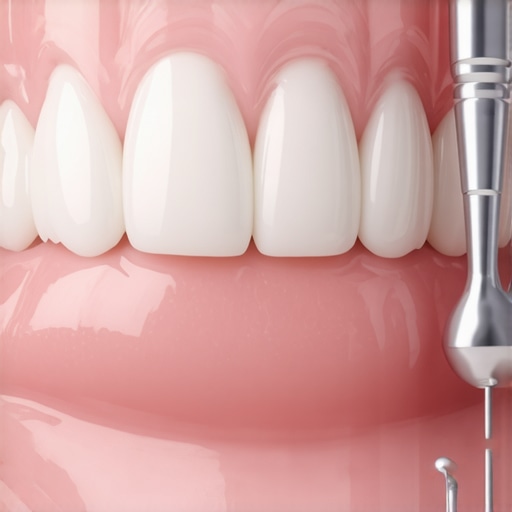
It was during a casual dinner with friends last month that I realized my once-pristine porcelain crown was starting to look dull and stained. I looked in the mirror later that night and felt a wave of frustration—after all, I’d taken such good care of my teeth! If you’ve ever experienced that unsettling moment where your beautiful smile doesn’t feel as brilliant as it once did, you’re not alone. Many of us with crowns worry about maintaining that perfect, natural look, especially when daily habits seem to work against us.
Why Your Crown’s Shine Matters More Than You Think
Our smiles are often the very first thing people notice, and a sparkling crown can significantly boost your confidence. But keeping that shine isn’t just about aesthetics; it plays a role in your overall oral health. A dull or stained crown might be hiding plaque buildup or other issues lurking beneath the surface. Plus, neglecting proper care can lead to premature chipping, discoloration, or even the need for costly replacements. Early in my journey, I made the mistake of assuming regular brushing was enough. It wasn’t. I learned that specific routines and products are essential to keeping veneers looking like new for years to come. Want to discover what truly works? Stick around, because I’ll share the tips that helped me restore my smile’s radiance and how you can do the same.
Is Over-the-Counter Whitening Really Effective for Crowns?
One mistake I made early on was trying to use standard whitening toothpaste on my crown. I thought it would brighten it up—big mistake. Porcelain crowns can’t be whitened with typical products, and using harsh abrasives can actually damage the surface. Instead, I found that specialized cleaning routines and professional advice are key. For detailed guidance, check out this expert advice on crown care. Remember, understanding the material of your crown and how to properly maintain it is crucial to avoid unnecessary repairs and keep that glowing finish. Ready to learn the proven methods that restore and maintain crown brilliance? Let’s get started.
Effective Techniques to Maintain Your Crown’s Shine
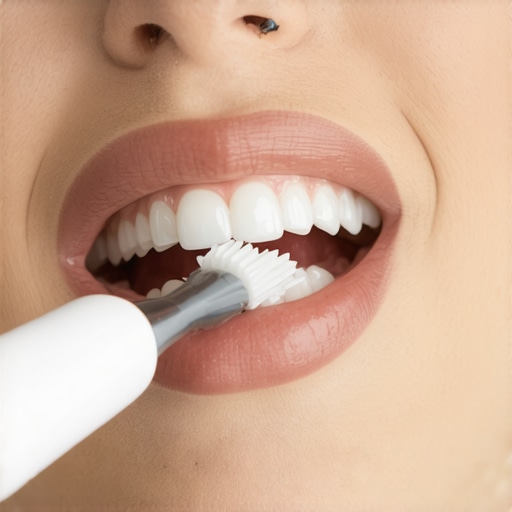
Think of your dental crown as a precious piece of jewelry—protecting it requires the right care routine. To begin, invest in a quality electric toothbrush, as it can gently remove plaque without scratching the porcelain surface. I remember my first attempt—using a regular toothbrush felt rough, and I ended up leaving tiny scratches. Switching to an electric one made a noticeable difference. When brushing, use a circular motion and focus on the gum line to prevent plaque buildup that can stain or damage the crown.
Master the Art of Proper Brushing
Don’t brush too hard; like polishing a delicate sculpture, gentle strokes preserve the crown’s surface. Incorporate fluoride toothpaste formulated for crowns and veneers—this strengthens surrounding teeth and minimizes staining. I especially found that using a soft-bristled brush and avoiding abrasive whitening pastes protects the crown’s surface from dulling. Remember to brush at least twice daily and replace your toothbrush every three months to ensure effective cleaning.
Use Specialized Flossing Tools
Flossing is critical, especially around crowns, to remove debris that can cause discoloration. I started using a water flosser, which is like a tiny pressure washer for your gums, making it easier to clean hard-to-reach areas. This prevents plaque from accumulating at the margins where the crown meets natural tooth enamel. Floss threaders can also help guide floss beneath any restoration if needed. Proper flossing not only keeps your crown looking bright but also promotes healthy gums, reducing the risk of recession.
Pay Attention to Diet and Staining Foods
Limit intake of foods and beverages that stain, such as coffee, red wine, and dark berries. Just as a painter avoids messing with their vibrant palette, reducing exposure to staining agents helps maintain that radiant smile. After enjoying a dark meal or drink, rinse your mouth with water or brush if possible. Using a straw can also minimize contact with your crown, much like sunglasses keep harmful UV rays at bay. Consistency is key—doing this regularly prolongs the brightness of your crown.
Schedule Regular Professional Cleanings
Even meticulous at-home care isn’t enough—professional cleanings are essential, much like servicing a high-performance machine. During visits, your dentist can use ultrasonic scalers to remove stubborn tartar without damaging the porcelain. I once skipped my biannual cleaning, and the dullness crept back. Following through with routine appointments ensures your crown remains in pristine condition. Plus, dental professionals can spot early signs of issues that, if left unchecked, might cause discoloration or damage.
Get Expert Advice for Special Concerns
If your crown begins feeling different or looks dull despite good care, consult your dentist promptly. Sometimes, professional whitening treatments designed specifically for crowns are available—never attempt harsh chemical whitening on your own, as porcelain crowns don’t respond to typical whitening agents. I’ve found that seeking expert advice, like through this resource, ensures you use appropriate methods that preserve your crown’s integrity.
By integrating these disciplined practices into your routine, you’ll keep your crown shining brilliantly for years. Remember, consistency and understanding your crown’s material are crucial for long-term success.
 While most people acknowledge the importance of regular brushing and flossing, there’s a wealth of subtle complexities that can dramatically impact the longevity and health of your dental restorations, especially crowns. A common misconception is that once a crown is placed, little else matters—yet, advanced dental research highlights that precise maintenance routines and an understanding of material-specific behaviors are crucial for optimal results. For example, many believe that whitening agents are universally safe; however, porcelain crowns are resistant to traditional whitening treatments, and misguided attempts can lead to surface damage or discoloration over time. This underscores the importance of consulting professionals regarding suitable care products and routines.
Are Over-the-Counter Products as Safe and Effective as Professionals Claim?
My experience contradicts the widespread assumption that store-bought whitening or cleaning products suffice for crowns. Without understanding the composition of your restorations, you risk applying abrasives or chemicals that could cause micro-scratches or surface weakening, accelerating wear or discoloration. A 2019 study by the American Dental Association emphasizes the necessity of tissue-specific treatments, indicating that certain products may be detrimental to porcelain or zirconia surfaces if used improperly (ADA, 2019). Therefore, seeking expert guidance ensures tailored strategies that preserve the crown’s aesthetics and function for years to come.
It’s also vital to consider the role of family dentistry in preventive care. Regular check-ups are not just about cleaning; they are opportunities to assess the health of all restorations and natural teeth, potentially catching issues before they escalate. The broader benefits of consistent professional care are well-documented, with recent research linking routine maintenance to reductions in gum disease and caries incidence across entire families (see how regular cleanings impact overall wellness). Keep in mind that advanced debris removal and sealant applications are more thorough when performed by trained hygienists, emphasizing the importance of a comprehensive approach beyond daily habits.
Another nuanced aspect is understanding material-specific behaviors. For instance, zirconia crowns are lauded for their strength but can be prone to chipping if subjected to lateral forces, such as aggressive chewing or grinding. Recognizing these vulnerabilities allows for correct dietary choices and possibly the use of night guards, which protect your investment. Delaying the recognition of subtle cracks or wear can lead to more costly repairs or replacements. Regular dental visits facilitate early detection—so don’t underestimate the importance of routine assessments. Ready to deepen your understanding? Check out how crowns fit into modern smile design and refine your dental strategy accordingly.
By appreciating these advanced nuances, you elevate your oral health beyond basic routines, ensuring that your crowns and natural teeth work harmoniously for a lifetime. Remember, knowledge empowers smarter choices and better results—so stay informed, consult your dental team regularly, and don’t fall into common traps. Have you ever fallen into this trap? Let me know in the comments.Maintaining your dental crowns over the long term requires the right tools complemented by effective techniques. My personal approach involves using an ultrasonic scaler at least twice a year, which helps remove stubborn plaque that regular brushing can’t reach. I opted for models like the Sonicare Sterilizer, known for its gentle yet thorough cleaning action, which ensures I don’t scratch or damage the porcelain surface. Modern advancements now allow for at-home professional-grade cleaning devices, and I recommend considering a model with adjustable intensity settings to customize your cleaning without risking abrasions. In addition, I incorporate a water flosser, such as the Waterpik, because it delivers a pulsating stream that effectively cleans around crowns without the discomfort of traditional flossing, especially in sensitive areas. For routine maintenance, I use fluoride-based polishing pastes designed specifically for crowns, which help inhibit staining and strengthen adjacent teeth—this is particularly useful since crowns can’t be whitened with standard bleaching agents. Regarding software, I utilize dental management apps like DentPro, which track maintenance schedules and send reminders for upcoming appointments or product replacements. The future of crown care is moving towards AI-powered diagnostics to detect early signs of wear or microcracks, enabling preemptive intervention before noticeable damage occurs. This proactive trend aligns with my belief in preventive dentistry, emphasizing early detection over reactive repairs. If you’re aiming to elevate your crown maintenance routine, I suggest integrating a high-quality ultrasonic scaler into your weekly care. Always consult your dental professional to tailor these tools to your specific needs. Remember, consistent use of effective tools combined with professional guidance will significantly extend the lifespan and aesthetic appeal of your crowns. For more detailed tips, visit this comprehensive guide. Taking these steps now will safeguard your investment and keep your smile shining for years to come.
What My Experience Taught Me About Crown Longevity
One of the biggest realizations I had was that even the best-maintained crowns can fail without proper understanding of their material and limitations. I once believed regular brushing was enough, but discovering that specific products and techniques are essential changed everything. Patience and ongoing education are vital—dental science is always evolving, and staying updated can prolong your smile’s radiance.
Gems You Won’t Find in Standard Advice
– I found that occasional micro-scratches on porcelain crowns happen more from improper tools than neglect. Investing in an electric toothbrush with soft bristles saves your crown surface from unnecessary damage.
– Routine dental check-ups aren’t just about cleaning; they’re about prevention and early detection. I learned to ask my dentist detailed questions about crown materials to better tailor my care routine.
– Diet plays a bigger role than I initially thought. Limiting staining foods isn’t just for aesthetic reasons; it contributes significantly to restoring and maintaining that natural shine.
Tools That Changed My Approach to Crown Care
– An ultrasonic scaler became my secret weapon for removing stubborn plaque without harming the porcelain.
– Water flossers proved to be game-changers, especially around hard-to-reach areas. They help prevent plaque buildup that causes discoloration and gum issues.
– Regular use of non-abrasive, fluoride-based pastes reinforced my oral health and kept my crowns looking pristine. These tools made routine maintenance easier and more effective.
Inspiring You to Elevate Your Dental Routine
Keep in mind that caring for crowns is an ongoing journey—embrace the learning curve and seek tailored advice from your dental professional. Your investment in understanding and maintenance will reward you with a confident, radiant smile for years to come. To dive deeper into maintaining your crowns and oral health, explore this expert guide. What adjustments have you made in your routine to ensure your crowns stay bright and healthy? Share your experiences below!