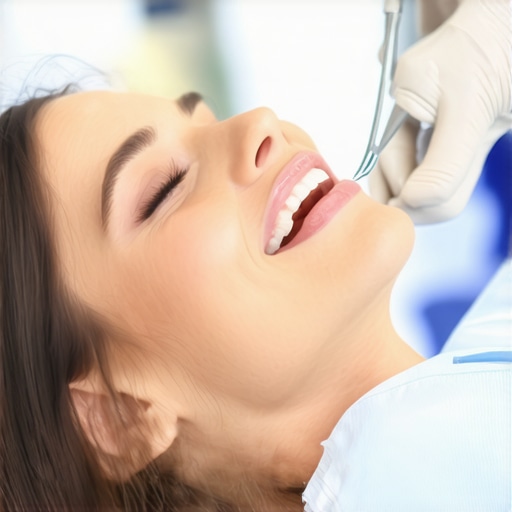
I still remember the moment it clicked for me—during a routine dental cleaning, my hygienist paused and gently asked, “How have you been sleeping lately?” I blinked in surprise. Honestly, I hadn’t given it much thought. But the more I listened, the more I realized how interconnected my sleep and oral health truly are.
This simple question might seem like a small talk starter, but there’s a deeper purpose behind it. Recently, I’ve come to understand that my hygienist’s curiosity about my sleep patterns is a window into my overall oral wellness. Poor sleep isn’t just about feeling tired; it can directly influence issues like teeth grinding, gum health, and even the longevity of dental work like crowns.
Today, I want to share with you why this one question is a vital part of your dental care and how addressing sleep habits can transform your oral health. If you’ve ever wondered why your dentist or hygienist probes into your sleep routines, you’re not alone. Many overlook the importance of restful sleep in maintaining a healthy smile.
Connecting the Dots: Sleep and Your Oral Health
Did you know that sleep disorders, such as sleep apnea or chronic snoring, can lead to significant dental problems? Studies have shown that disrupted sleep can increase grinding and clenching—behaviors that wear down teeth and damage restorations like crowns. Moreover, poor sleep can weaken your body’s immune response, making you more vulnerable to gum infections and cavities.
When I first learned about this connection, I realized I had been unknowingly contributing to my dental issues. I was grinding my teeth at night, a habit aggravated by stress and fatigue. Recognizing this pattern helped me seek appropriate treatment, like a custom night guard, and prioritize better sleep hygiene.
If you’re unsure whether your sleep habits are affecting your teeth, it’s worth reflecting. Do you wake up with a sore jaw? Notice increased wear on your teeth? Or feel fatigued even after a full night’s sleep? These could be signs that your sleep and oral health are more intertwined than you imagined.
To get a comprehensive understanding, I recommend consulting with your dental professional and possibly a sleep specialist. Together, they can help diagnose issues like sleep apnea, which has been linked to serious health risks beyond your smile. For more on how comprehensive dental care can support your overall health, check out [family dentistry’s role in building a lifetime of healthy smiles](https://periodontistcare.com/family-dentistry-focus-building-a-lifetime-of-healthy-smiles).
Addressing sleep issues isn’t just about feeling rested; it’s about protecting your teeth and gums in the long run. In the following sections, I’ll guide you through actionable steps to improve sleep quality and safeguard your beautiful smile. So, have you found yourself waking up exhausted despite getting enough hours? Let’s explore how your sleep habits may be silently affecting your dental health—and what you can do about it.Start by setting a consistent bedtime, aiming to go to sleep and wake up at the same time each day, even on weekends. This helps regulate your internal clock, making it easier to fall asleep and improving sleep quality. I remember one week I committed to a fixed bedtime, turning off screens an hour early; it initially felt strange, but within days, I noticed I was falling asleep faster and waking up more refreshed.
Implement a Sleep-Friendly Environment
Ensure your bedroom is dark, quiet, and cool. Use blackout curtains and consider noise machines or earplugs if needed. A comfortable mattress and pillows that support your neck help reduce discomfort that can interfere with rest. I replaced my old pillow with an orthopedic one, which significantly reduced my jaw pain in the mornings—an indicator I was grinding my teeth at night. 
Avoid Stimulants Before Bed
Cut out caffeine and nicotine at least four to six hours before bedtime, as these stimulate your nervous system and delay sleep onset. Instead, wind down with calming activities like reading or gentle stretching. During a particularly stressful week, I swapped my evening coffee for calming herbal tea, which helped me relax and fall asleep more easily.
Limit Screen Time and Blue Light Exposure
Turn off electronic devices at least an hour before bed. Blue light from screens hampers melatonin production—the hormone that signals your body it’s time to sleep. I struggled with this initially, but by establishing a pre-sleep routine involving dim lighting and relaxation techniques, I improved my sleep quality and noticed less jaw tension in the morning. Remember, poor sleep can lead to teeth grinding and aggravate existing dental restorations like crowns. Regularly scheduled sleep improves not just your rest but also your dental health. For more on how oral health connects with overall wellness, explore [the impact of regular teeth cleaning on overall oral wellness](https://periodontistcare.com/the-impact-of-regular-teeth-cleaning-on-overall-oral-wellness).
Seek Professional Guidance When Needed
If you continue to experience sleep issues, consult with a sleep specialist or your dentist. They can assess conditions such as sleep apnea, which is linked to increased grinding and other dental problems. A custom night guard can protect your teeth while you sleep—think of it as a helmet for your smile, preventing damage from grinding. For tips on maintaining your dental crowns and ensuring longevity, visit [maintaining your dental crowns](https://periodontistcare.com/maintaining-your-dental-crowns-dos-and-donts-for-best-results). Implementing these steps requires consistency, but the rewards—better sleep, healthier gums, and a brighter smile—are worth the effort.Many people assume that visiting the dentist regularly is enough to maintain optimal oral health, but this oversimplification misses some crucial nuances. A common myth is that all dental procedures, like crowns or cleanings, are essentially the same regardless of the practitioner’s expertise. In reality, the subtle differences in technique and approach can significantly impact long-term results. For instance, choosing the right type of crown and understanding its proper maintenance are vital for durability; you can learn more about how crowns can boost your confidence [here](https://periodontistcare.com/how-crowns-can-transform-your-dental-confidence).
Another mistake many make is undervaluing the importance of personalized care in family dentistry. The standard one-size-fits-all approach overlooks individual risk factors such as genetics, diet, and lifestyle, which influence your cavity and gum disease risks. An advanced consideration is how certain habits, like aggressive brushing or using the wrong toothbrush, can cause gum recession or enamel erosion—issues often misunderstood as normal wear. Being aware of these nuances is essential for effective intervention.
Common misconceptions also surround teeth cleanings. Some believe that professional cleaning alone prevents decay, but without maintaining good daily routines, the benefits diminish over time. Regular cleanings are excellent for removing plaque, yet they won’t counteract poor oral hygiene at home. Incorporating effective brushing and flossing strategies, such as using a water flosser to clean hard-to-reach areas, bolsters overall health. Find out more about maintaining your crowns and ensuring their longevity [here](https://periodontistcare.com/maintaining-your-dental-crowns-dos-and-donts-for-best-results).
A critical trap to avoid is neglecting the early signs of oral issues, which can manifest subtly. For example, bleeding gums during brushing is often dismissed as minor, but it could indicate underlying inflammation or even periodontal disease. Early detection through attentive observation and regular check-ups can save your teeth from significant damage.
On a deeper level, understanding the role of diet and systemic health—like how sugar feeds cavity-causing bacteria or how vitamin deficiencies weaken enamel—is often overlooked. These factors highlight that oral health is interconnected with overall wellness, a point emphasized by leading experts in dental medicine.
Have you ever fallen into this trap? Let me know in the comments! Recognizing these hidden nuances allows you to make informed decisions and partner effectively with your dental team for a healthier smile. For more insights, explore how regular professional teeth cleanings contribute to overall wellness [here](https://periodontistcare.com/the-impact-of-regular-teeth-cleaning-on-overall-oral-wellness). Remember, truly optimal oral health extends beyond routine visits—it’s about understanding and managing these subtle factors.Maintaining your oral health over time demands more than just routine visits—it’s about mastering the right tools and adopting proven methods. Personally, I swear by an electric toothbrush with oscillating-rotating technology, like the Phillips Sonicare DiamondClean, because its precise vibrations effectively disrupt plaque without damaging sensitive gums. Using a high-quality water flosser, such as the Waterpik Aquarius, has been transformative in my daily routine—especially for cleaning around crowns and orthodontic appliances, ensuring debris doesn’t linger where brushes miss. Regularly employing interdental brushes like GUM Proxabrush allows me to access tight spaces between teeth, a crucial step in preventing decay and gum disease. In terms of software, I utilize a comprehensive oral health tracking app that reminds me of flossing, brushing times, and schedule dental check-ups, fostering consistency and accountability. Predicting future trends, I believe smart oral care devices connected via Bluetooth, integrated with AI-driven health analysis, will become mainstream, offering personalized advice and early detection of issues. How do I maintain these tools effectively? I prioritize routine replacements—my toothbrush heads every three months, flossers monthly, and software updates weekly—to ensure optimal performance and hygiene. Remember, the investment in top-tier tools isn’t just about convenience but about empowering your long-term dental health. I highly recommend trying out an electric toothbrush with a timer and pressure sensor to prevent over-brushing, a common mistake that can cause gum recession. Incorporating these precise tools into your routine can dramatically enhance your oral wellness, paving the way for a healthier smile for years to come. Dive deeper into crown maintenance strategies [here](https://periodontistcare.com/maintaining-your-dental-crowns-dos-and-donts-for-best-results), and ensure your restorations last. Consistency with these tools simplifies long-term care, making dental health less of a chore and more of a habit—one that pays dividends in your well-being.
Through my journey into optimizing oral health, I learned that the real game-changer isn’t just regular visits or high-tech tools—it’s understanding the subtle habits that influence your smile. One of my most eye-opening lessons came when I discovered how deeply sleep affects my dental wellness. That insight transformed my approach from reactive to proactive—something I wish I had known sooner.
Lessons That Changed My Perspective on Family Dentistry
- The quiet warning signs matter: Waking up with jaw pain or noticing increased wear on my crowns was a wake-up call that my sleep habits needed attention.
- Not all dental issues are isolated: Problems like gum inflammation can stem from systemic sleep issues like sleep apnea—addressing sleep can save your smile.
- Prevention beats correction: Small daily changes, such as establishing a consistent sleep schedule and using a night guard, can significantly extend the life of your crowns and prevent gum deterioration.
Tools and Resources That Elevated My Dental Routine
- Electric toothbrushes with pressure sensors: These help prevent over-brushing, protecting delicate gums around crowns; I recommend the Phillips Sonicare series for their proven effectiveness.
- Water flossers like Waterpik: Perfect for cleaning around crowns and bridges—easy to use and highly effective; I can’t imagine my routine without it.
- Sleep tracking apps: Monitoring your sleep quality provides valuable insights; I personally use Sleep Cycle to identify patterns impacting my oral health.
- Professional guidance: Regular dental check-ups, combined with consultations with a sleep specialist, have been crucial in tackling underlying issues like sleep apnea—discover more about comprehensive care [here](https://periodontistcare.com/family-dentistry-focus-building-a-lifetime-of-healthy-smiles).
Your Smile’s Future Starts Today
Empowering yourself with knowledge and the right tools is the key to ensuring your oral health and sleep quality stay in harmony. Small, consistent actions—like refining your bedtime routine or investing in quality dental devices—can lead to a lifetime of confident smiles and restful nights. Remember, your smile is a reflection of your overall wellness, and taking charge today can make all the difference.
What small change are you ready to implement tomorrow for better sleep and oral health? Share your plans below—I love hearing what motivates each journey toward a healthier, brighter smile.