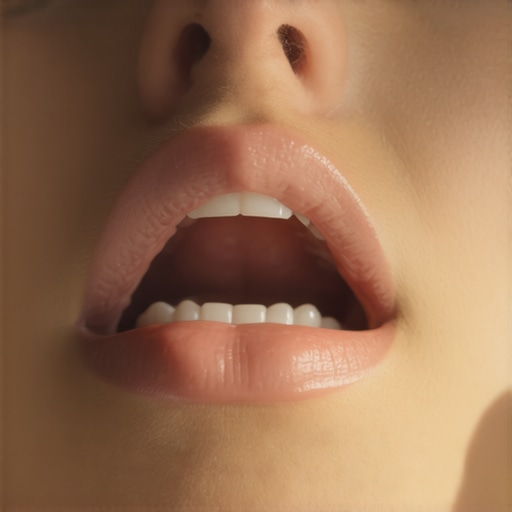
I remember the moment clearly—waking up, rubbing my eyes, and then suddenly noticing something odd about my bite. It wasn’t just a tiny twinge; it was like my teeth were misaligned, out of sync with how they felt the night before. At first, I brushed it off as stress or maybe a weird dream, but that feeling persisted, and it started affecting my confidence during the day.
Ever experienced something similar? That peculiar sensation when you wake up, and suddenly your smile feels foreign? If so, you’re not alone. And here’s the good news: this isn’t just a random quirk; it can be a sign of underlying dental issues that are surprisingly common but often overlooked.
Understanding the Morning Bite Mystery
Many folks, including myself initially, just accept it as part of aging or stress. But I soon learned that changes in your bite when waking up can indicate a range of underlying problems—from minor misalignments to more serious damage to crowns or even signs of teeth grinding. Knowing what causes this can help us address the root of the issue before it turns into something painful or expensive.
Think of your smile as a finely tuned instrument. When one string is out of tune, the whole melody suffers. Similarly, a shift in your bite can lead to discomfort, wear, and even jaw problems down the line. Interestingly, studies show that over 15% of adults experience some form of bruxism, which is grinding or clenching of teeth—often worse at night—and is a common culprit behind morning bite issues. (Source: American Academy of Sleep Medicine)
In this post, I’ll walk you through what might be causing that strange morning sensation and, more importantly, what you can do about it. No more guesswork or dismissing it as just a bad night’s sleep. Together, we’ll explore practical steps to get your smile back to feeling right every morning.
Is Your Dental Care Routine the Problem? The Truth About How You Start and End Your Day
Early on, I made a mistake—thinking brushing more often would undo any damage—only to realize that overbrushing can actually wear down crowns and gums. To truly protect your smile and learn how to prevent uncomfortable morning shifts, you need an informed approach, including professional advice on maintaining your dental work and natural teeth. For some helpful tips, check out oral health routines everyone should follow in 2025.
Now that we know why this happens, let’s dive into what practical steps you can take to prevent or fix these morning surprises. Ready to regain that confident, pain-free smile? Let’s get started and ensure that waking up feels better every day.
Assess Your Daily Dental Routine
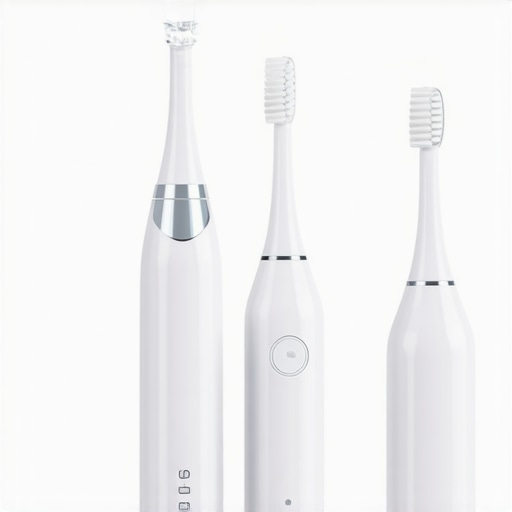
Start by analyzing your morning habits. Are you brushing too vigorously or using the wrong toothbrush? Replace abrasive brushes with a soft-bristled one, which cleans effectively without damaging gums or crowns. During my own routine overhaul, I switched to an electric toothbrush with a timer; this simple change prevented overbrushing and preserved my restorations. Regularly review your technique to avoid wear and tear on crowns, veneers, or natural teeth.
Implement Targeted Oral Hygiene Practices
Master Correct Brushing and Flossing
Use gentle, circular motions when brushing, focusing on gum line and crown margins. Floss daily, ensuring you remove plaque from between teeth, especially around dental work. Think of your teeth as a garden—they need gentle watering and careful weeding to thrive. For detailed tips, refer to effective home dental practices.
Incorporate Mouthwash Wisely
Choose a fluoride-based mouthwash that strengthens enamel, and avoid alcohol-heavy formulas that dry out your mouth, exacerbating grinding tendencies. Using mouthwash after brushing ensures added protection against cavities and decay, especially around crowns or bridges.
Schedule Professional Dental Check-Ups
Visit your dentist at least twice a year for comprehensive cleanings and examinations. During appointments, request a professional cleaning and a review of your restorations. A dental hygienist can spot early signs of wear or misalignments that contribute to morning bite issues, much like tuning a musical instrument before a performance. My own experience with regular visits caught a small crown chip early, saving me from future discomfort.
Address Teeth Grinding and Clenching
If you notice signs of bruxism—like a sore jaw in the morning or worn-down teeth—consult your dentist about a custom night guard. Think of it as a gym glove protecting your hand during intense activity. Wearing a guard minimizes stress on crowns and preserves your natural teeth, reducing morning shifts or discomfort.
Evaluate Your Dental Restorations
Loose or poorly fitting crowns can shift your bite overnight. Schedule an assessment with your dentist to check the integrity of your restorations. They might need repositioning or replacement. Properly fitting crowns act like custom-made shoes—providing support and preventing unnecessary movements that cause discomfort.
Watch Your Dietary Choices
Limit sugary and acidic foods that weaken enamel and promote plaque build-up. Incorporate crunchy vegetables and dairy products that naturally clean teeth and supply calcium. My own switch to more fiber-rich foods resulted in a noticeable reduction in morning dental issues. Maintaining a balanced diet supports overall oral health and helps stabilize your bite over time.
Manage Stress Effectively
High stress levels can increase clenching, affecting your bite. Practice relaxation techniques like deep breathing, meditation, or yoga. During a particularly stressful period, I began incorporating daily mindfulness exercises, which noticeably lessened my nighttime grinding and improved my morning bite perception.
By adopting these concrete steps—assessing your routine, practicing proper hygiene, seeking professional care, and managing habits—you can significantly lessen morning bite anomalies and safeguard your smile’s longevity. Remember, small consistent actions are the foundation of a healthy, confident smile every morning.
Many individuals believe that brushing more aggressively or frequently is the key to perfect oral health, but in reality, this common misconception can lead to damage rather than benefit. Overbrushing, especially with hard-bristled brushes or excessive force, can harm your gums, wear down enamel, and even loosen crowns or bridges over time. Professionals emphasize gentle, thorough cleaning as the optimal approach, aligning with evidence that proper technique matters more than sheer frequency. Moreover, a prevalent myth is that all dental tools and products are equally effective; in truth, selecting the right toothbrush, toothpaste, and auxiliary aids, tailored to your specific needs, makes a significant difference—something you might overlook without expert guidance, especially when it involves restorative work like crowns.
An advanced mistake many make involves neglecting the nuanced differences in crown materials and their maintenance. For instance, some patients assume porcelain crowns are as durable as zirconia, but research shows zirconia’s superior wear resistance and longevity, making it a better long-term investment for high-stress areas. Overlooking these subtle distinctions can result in premature crown failure or aesthetic issues. For insightful guidance, check out this detailed overview of crown options.
A common trap to avoid is ignoring early signs of wear or misalignment around restorations. Many think that once a crown feels fine, it’s perfectly normal to wait until discomfort arises. However, tiny shifts or micro-fractures can undetectably worsen, leading to biting problems and further damage. Regular professional check-ups, including careful evaluations of crowns and surrounding tissues, can prevent costly repairs later. Remember, modern family dentistry emphasizes proactive care, aiming to extend the lifespan of your restorations and natural teeth alike; explore comprehensive family dentistry services.
From a technical angle, advanced patients often ask: How can I tell if my oral hygiene routine truly optimizes my restorative investments? The answer lies in focusing not just on cleanliness but on preserving the health of your tissues and the integrity of restorations. Using targeted tools like interdental brushes or water flossers can effectively remove plaque without risking damage. But beyond tools, understanding the role of saliva, diet, and habits like grinding is essential. For example, patients with bruxism should consider night guards that protect crowns and natural teeth, reducing micro-movements and premature wear. An expert recommendation can be found in this advice on maintaining crowns.
In sum, the hidden nuance in oral health revolves around tailored, gentle, and informed care. Recognizing that aggressive brushing can sometimes do more harm than good, understanding the material differences in crowns, and proactively addressing early signs of wear are vital steps. Don’t fall into the trap of complacency—schedule regular assessments and ask your dentist about how your routine impacts your restorations’ longevity. Have you ever fallen into this trap? Let me know in the comments.
How Do I Maintain My Oral Health Over Time? Discover My Trusted Tools
Maintaining a healthy smile isn’t just about daily habits; it’s about leveraging the right tools and techniques that stand the test of time. Over years of personal experience and professional advice, I’ve found that investing in specific equipment and adopting proven methods can make a real difference in preserving your restorations—like crowns—and ensuring long-term oral wellness.
One essential tool I personally rely on is the Oral-B iO Series electric toothbrush. Its innovative nanohard mineral bristle technology and oscillating-rotating motion provide superior plaque removal compared to manual brushing. The integrated timer ensures I brush each quadrant thoroughly for the recommended two minutes, which helps prevent wear on crowns and natural teeth. I’ve noticed a significant reduction in sensitivity and staining since making the switch, and I recommend this brush for anyone serious about care that lasts.
Another game-changer is the Waterpik Aquarius Water Flosser. Unlike traditional floss, this device utilizes a gentle pulsating stream to clean interdental spaces effectively, especially around crowns and bridges where plaque tends to accumulate. I use it daily because it reaches hard-to-access areas that traditional floss often misses, reducing the risk of gum inflammation and micro-leakage around restorations.
Pairing these tools with a high-quality fluoride rinse, like Colgate Total Advanced Health Mouthwash, strengthens enamel and guards against decay. I avoid mouthwashes with high alcohol content, which can dry out the mouth and exacerbate grinding tendencies — a common cause of morning bite issues. Consistent use of these products forms a reliable barrier for my long-term dental health.
Looking ahead, I predict that smart toothbrushes integrated with AI and app connectivity will become standard, offering real-time feedback and personalized care. Staying ahead means adopting these innovations early to maximize their benefits. For example, some devices now analyze your brushing patterns and provide targeted tips, which I plan to incorporate into my routine soon.
What’s the Best Way to Keep Your Restorations Shining?
Regular professional check-ups are key. During visits, I ask my dentist for advice on maintaining my crowns and ensure that any slight signs of wear are addressed early. Professional cleanings remove stubborn tartar and help preserve the integrity of restorations, much like tuning a musical instrument keeps it sounding perfect. Scheduling these visits at least twice a year is non-negotiable for me, and I encourage you to do the same.
If you’re ready to take your dental routine to the next level, try integrating an advanced tool like the Waterpik or upgrading to an electric toothbrush with smart features. These small investments pay dividends in your long-term smile health. Remember, diligent, informed care today will simplify maintenance tomorrow and beyond.
To ensure your tools serve you well over time, consult your dentist about personalized recommendations and proper usage techniques. For detailed guidance, consider exploring best practices for dental crown maintenance. Equipped with the right tools and knowledge, you’re well on your way to a resilient, radiant smile that lasts a lifetime!
What My Wake-Up Calls Taught Me About Oral Health
One of the most profound lessons I learned was the importance of paying attention to subtle changes in my bite. Often, we dismiss the morning shift in how our teeth feel as mere inconveniences, but it can be a vital indicator of underlying issues like bruxism or crown wear. Recognizing these signs early transforms your approach from reactive to proactive, saving time and money in the long run.
Tools That Changed My Dental Game Forever
Investing in high-quality tools such as an electric toothbrush with smart features and a water flosser has been a game-changer. These devices don’t just clean better—they help me maintain my restorations and prevent complications like gum recession or crown misalignment. Trusted brands and consistent use ensure I stay ahead of potential problems, reinforcing the need for quality over convenience.
Embracing Personal Responsibility for Lasting Results
Understanding that my daily habits directly impact the longevity of crowns and overall oral health has empowered me. Simple adjustments—like gentle brushing, mindful diet choices, and stress management—have made a significant difference. This mindset shift is essential for anyone determined to keep their smile radiant and resilient.
Insider Lessons That Changed How I Approach Family Dental Care
One eye-opening realization was the importance of routine professional check-ups even when nothing hurts. Early detection of issues around restorations or Invisalign aligners has saved me from more invasive procedures. Regular visits are your best defense—think of them as tune-ups for your smile’s performance.
Actionable Steps for Your Smile’s Future
Start by assessing your current routines—are you overbrushing or neglecting certain areas? Incorporate targeted oral hygiene practices, seek professional evaluations, and address habits like grinding with custom guards. Remember, your commitment today paves the way for a healthier, more confident tomorrow. Curious about personalized recommendations? Explore tips on caring for crowns or consult with your dentist to tailor a plan that fits your lifestyle.