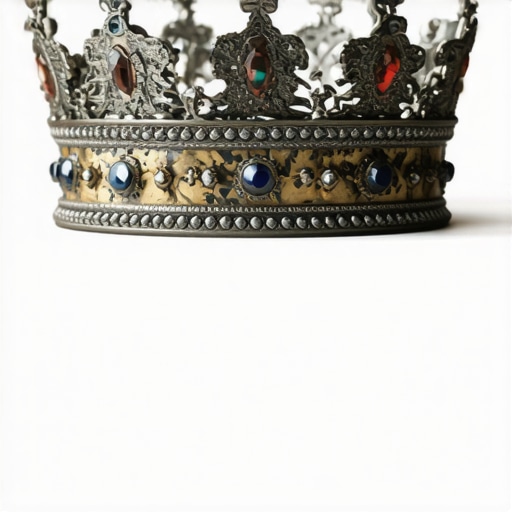
I remember the moment I first wondered if my dental crown was reaching the end of its lifespan. It wasn’t a dramatic pain or a noticeable crack—just a persistent dull ache that I brushed off as sensitivity. But inside, I felt a little alarm bell ringing. That was my lightbulb moment: realizing how crucial it is to recognize the subtle signs of a worn or failing crown before it turns into a dental emergency.
Why Staying Ahead of Crown Wear Matters More Than You Think
Your dental crown isn’t just a quick fix for a damaged tooth; it’s a long-term investment in your oral health and confidence. When a crown starts to show signs of wear or damage, it can lead to more serious issues like decay, gum disease, or even the loss of the underlying tooth. Yet, many people, including myself at first, tend to ignore the early warning signs, assuming discomfort or aesthetic changes are normal.
Did you know that studies show crowns can last between 5 to 15 years, depending on several factors like oral habits and maintenance? That’s a wide range, and it means your crown’s lifespan can vary. Recognizing even minor signs early on can save you time, money, and discomfort later. I’ve learned from personal experience and speaking with experts that proactive care, including regular check-ups, can extend the life of your crowns significantly.
If you’re wondering whether your crown is still a reliable part of your smile, you’re not alone. Many patients overlook the importance of monitoring their crowns until a small issue becomes a big problem. So, what signs should you be on the lookout for?
Thinking back, my mistake was waiting until the discomfort became noticeable. Early on, I should have booked an appointment with my dentist to assess the situation. For trustworthy advice on maintaining your crowns and catching issues early, I recommend visiting [expert advice on crowns and teeth cleaning for lasting results](https://periodontistcare.com/expert-advice-on-crowns-and-teeth-cleaning-for-lasting-results). We’ll explore some proven ways to tell if your crown needs professional attention, helping you avoid bigger problems down the line.
Inspect Your Crown Regularly
Make it a habit to examine your crown weekly. Look for signs like discoloration, rough edges, or small chips. One time, I noticed a tiny crack on mine after a sip of ice-cold water; catching this early allowed me to schedule a dentist appointment before it worsened.
Practice Precise Oral Hygiene
Use a soft-bristled toothbrush and gentle techniques to clean around your crown. Floss daily with careful attention to avoid dislodging it. I once tried a quick, aggressive flossing session, which loosened my crown temporarily. Now, I floss gently along the gum line, ensuring I don’t apply too much pressure.
Choose the Right Cleaning Tools
Invest in electric toothbrushes with oscillating heads, which are more effective at removing plaque without damaging the crown. Incorporate interdental brushes or water flossers for hard-to-reach areas. I integrated a water flosser into my routine, and it significantly improved my gum health and the lifespan of my crown.
Be Mindful of Your Diet
Avoid biting into hard foods like ice or nuts that can crack the crown. Instead, cut them into smaller pieces. Once, I bit directly into a stubborn almond, which chipped my crown; since then, I’ve learned to be cautious with tough foods.
Address Sensitivity or Discomfort Promptly
If you experience persistent sensitivity, pain, or discomfort, schedule a dental check-up immediately. Waiting only worsened my own situation when I ignored early signs; early intervention saved my tooth and crown.
Schedule Regular Dental Visits
Visit your dentist at least twice a year for professional check-ups and cleanings. They can identify problems like decay around the crown. During my last appointment, my dentist spotted early signs of decay beneath my crown, allowing me to get timely treatment before it progressed.
Follow Specialized Care Advice
Refer to expert resources like https://periodontistcare.com/expert-advice-on-crowns-and-teeth-cleaning-for-lasting-results for tailored guidance. Consistently applying these strategies can extend your crown’s life, saving you time and money in the long run.
While many believe a good brushing routine alone guarantees oral health, the reality is far more nuanced. A widespread myth is that all dental crowns are equally durable; however, the materials, placement techniques, and patient habits significantly influence their longevity. Many assume that regular flossing prevents all gum issues—yet improper flossing can sometimes cause gum recession or damage if done aggressively. As an expert in family dentistry, I emphasize, understanding these subtleties is vital for effective care.
A crucial trap to avoid is the misconception that professional cleanings are unnecessary between regular visits. In fact, even diligent home care can’t remove stubborn plaque build-up beneath the gumline or around crowns, which can lead to peri-implantitis or decay. Regular professional interventions are just as important as daily routines. Many patients overlook that inadequate cleaning tools, such as using a hard toothbrush, can wear down crown margins or cause gum irritation.
Have you ever fallen into this trap? Let me know in the comments.
For those seeking advanced insights, consider the question: “Can improper home care accelerate crown deterioration despite excellent dental habits?” The answer is, yes. A study published by the Journal of Dental Research highlights that neglecting proper cleaning techniques around crowns can lead to cement failure and decay, even in patients who brush twice daily. This emphasizes how nuanced and Patient-specific the best practices are.
Furthermore, while many focus heavily on aesthetic aspects, they might underestimate the importance of material choices. For example, zirconia crowns, though durable and biocompatible, may still suffer from chipping if the patient habits include chewing ice or hard candies. Regular assessment of these habits and tailored advice can prevent costly repairs. .
.
Understanding the detailed factors influencing oral health allows you to avoid costly mistakes and ensures your smile remains healthy and sturdy over the years. For comprehensive tips on caring for crowns and ensuring they last, visit this resource. Stay vigilant and proactive—your smile will thank you.Maintaining your dental crowns and ensuring long-term oral health doesn’t have to be guesswork. Over the years, I’ve refined my toolkit and routines to keep smiles vibrant and functional. One of the most crucial strategies is investing in the right equipment that complements professional care. For instance, I personally swear by the **Philips Sonicare DiamondClean Smart** electric toothbrush. Its advanced sonic technology and multiple brushing modes allow me to clean around crowns effectively without damaging them, something manual brushes often can’t achieve with the same precision. Additionally, I incorporate **Waterpik Aquarius Water Flosser** into my daily routine; its pulsating jets are excellent for dislodging plaque beneath crowns and between teeth, reducing the risk of decay and gum issues—a method backed by numerous periodontal studies. For precise interdental cleaning, I prefer **Curaprox – CS 5460 Ultra Soft Toothbrush** because of its densely packed bristles, which gently clean tight spaces without harming delicate gum tissue or crown margins. To monitor my oral health, I use **Dental Monitoring Apps** like Dental Monitoring, which allows me to send photos and get virtual assessments from my dentist, making frequent check-ins easier and more efficient. Looking ahead, I predict the integration of AI-powered home diagnostic tools will become mainstream, providing even more personalized insights and alerts before issues escalate. So, how do I maintain my crowns and overall oral health over time? I rely on a combination of high-quality tools, consistent routines, and professional support. Regularly updating your toolkit with products like the ones I mentioned can make a significant difference.
How do I maintain my dental crowns and oral health over time?
Invest in effective tools like sonic electric toothbrushes, water flossers, and remote monitoring apps. Consistent use combined with professional check-ups can extend the lifespan of your crowns and prevent costly repairs. For more detailed guidance, visit this resource.
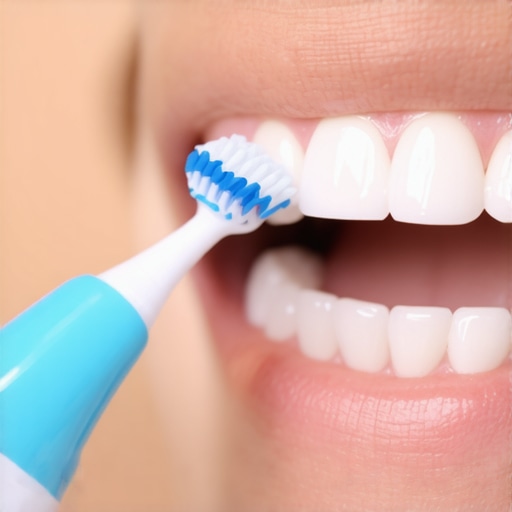
Image prompt: Close-up of a hand using a Sonicare electric toothbrush on teeth with crowns, emphasizing precision cleaning.
Alt: Hand brushing teeth with a Sonicare electric toothbrush, focusing on crowns. Title: Effective cleaning around dental crowns with an electric toothbrush.
The Hidden Lessons I Wish I Stumbled Upon Sooner
One of the most profound realizations I had was how subtle signs of crown wear often slip past our notice, leading to bigger problems down the line. Personal experience taught me that regular inspections aren’t just recommended—they’re essential. I once ignored slight discoloration around my crown, assuming it was normal aging, only to discover that early decay was silently taking hold. That lightbulb moment underscored how important it is to stay vigilant and advocate for our own oral health.
Another lesson was understanding material choices. I used to believe all crowns were created equal, but I learned that zirconia crowns, while durable, still need careful habits and regular check-ups to prevent chipping. Recognizing the uniqueness of each material has transformed how I approach maintenance, emphasizing tailored care over one-size-fits-all advice.
Finally, I realized that proactive communication with my dentist makes a tangible difference. Asking questions about my routine and the latest care techniques unlocked insights I wouldn’t have received otherwise. Embracing this mindset shifted my entire approach—from passive recipient to active participant in my dental health journey.
Tools That Made a Difference in My Routine
From electric toothbrushes like the Philips Sonicare DiamondClean to water flossers such as the Waterpik Aquarius, having the right tools can dramatically improve crown longevity. I trust these because they’ve been recommended by dental professionals and backed by research. For tailored tips, explore this comprehensive guide.
In addition, apps that track your oral health habits, like Dental Monitoring, have helped me stay accountable and catch issues early. The combination of advanced tools and digital support creates a holistic system that keeps my smile in top shape.
This Is Your Call to Action
Remember, your dental crowns are more than just cosmetic fixes—they’re long-term investments in your well-being. By applying these insights and tools, you can extend their lifespan and avoid unnecessary discomfort or expense. Your smile deserves that extra attention, so start integrating these practices today and watch your confidence and health flourish.
What small change will you commit to this week to better care for your crowns? Let me know below—I’d love to hear your plan to elevate your oral health!