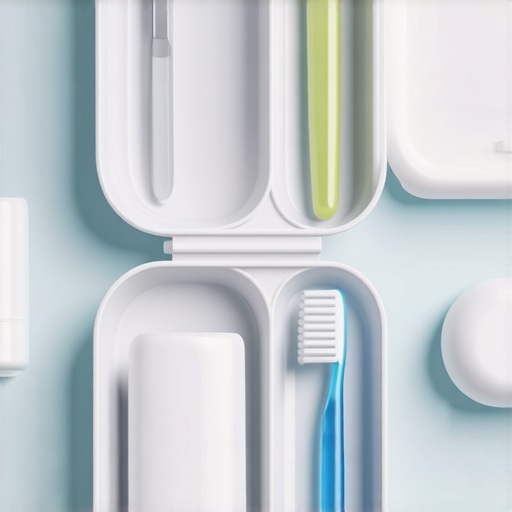
I remember the first time I traveled after a dental procedure—my new crown felt delicate, and I was obsessed with keeping my mouth healthy on the go. But amidst the chaos of packing and heading out, I threw my toothbrush into my bag without a second thought. Later, I opened my bag, only to find my toothbrush surrounded by loose change, snack crumbs, and who knows what else. That moment was a lightbulb—if I wanted my smile to stay healthy, I needed a better plan for storing my toothbrush while traveling.
Why Proper Toothbrush Storage Matters During Travel
Many of us overlook this small detail, but the way we store our toothbrush when away from home can make all the difference in our oral health. A poorly stored toothbrush can harbor bacteria, attract mold, or become contaminated with dirt and germs from our luggage, leading to potential infections or compromised hygiene. So, what’s the solution?
Is Your Travel Toothbrush Case Actually Worth the Hype?
Early in my travel days, I believed any plastic case would do. I bought inexpensive, colorful covers that looked cute but often trapped moisture or didn’t seal properly. As a result, my toothbrush would stay damp for days, creating the perfect environment for germs to breed. I learned this the hard way after a trip when I noticed a strange smell and a mini mold colony growing inside. It was then I discovered that not all toothbrush cases are created equal, and choosing the right storage solution is essential for maintaining optimal oral hygiene.
To avoid these mishaps, I turned to expert advice and found that airflow is just as important as protection. An ideal case allows your toothbrush to dry thoroughly between uses, preventing bacterial growth. For instance, some cases incorporate vents or antimicrobial materials that inhibit mold and odor. Wondering what the best practice is? You can explore more about maintaining your dental crowns and preventing bacterial buildup by visiting our detailed guide on [caring for crowns](https://periodontistcare.com/caring-for-crowns-essential-tips-for-longevity-and-shine). Making a small upgrade in your toothbrush storage routine can save you from unnecessary trips to the dentist and keep your smile shining.
In the next sections, I’ll share the practical steps you can take to choose the right toothbrush holder, how to keep your toothbrush hygienic on the road, and common mistakes to avoid. Have you faced the challenge of keeping your toothbrush clean while traveling? Share your experiences—I’d love to hear what’s worked for you!
Select the Right Travel Case to Keep Your Toothbrush Dry and Clean
Choose a case with ventilation or antimicrobial properties to prevent mold and bacteria buildup. In my last trip, I swapped my sealed plastic case for one with smart airflow vents. After a week, my toothbrush was dry and odor-free, unlike previous trips where dampness led to mold growth.
Assess Airflow and Material
Opt for cases made from materials that resist mold—like silicone or antimicrobial plastics. Airflow ensures your toothbrush dries thoroughly, creating an inhospitable environment for germs. Remember, a damp toothbrush is like a petri dish—easy for bacteria to thrive.
Clean and Prepare Your Toothbrush Before Packing
Rinse thoroughly with hot water and shake off excess moisture. If possible, use mouthwash or an antibacterial spray to disinfect. In my experience, giving my toothbrush a quick rinse and spray before packing significantly reduces germ transfer during travel.
Allow Proper Drying Time
Before sealing your toothbrush in its case, let it dry completely for at least a few hours. This prevents trapping moisture and inhibits bacteria growth. I once tried to pack my toothbrush immediately after rinsing—resulting in a damp brush that stank after a day. Now, I always let it dry first.
Enhance Hygiene with Additional Tips
Replace your toothbrush regularly—every 3-4 months or sooner if you notice signs of wear. During travel, consider using disposable toothbrushes or electric toothbrush heads that can be easily replaced. I keep a spare toothbrush in my travel kit, which has saved me when my main brush unexpectedly lost bristles mid-trip.
Use Travel-Size Disinfectants
Spray or soak your toothbrush in a diluted disinfectant solution occasionally. Doing so reduces bacterial load, especially after meals or if you’ve been around sick individuals. This simple step has improved my oral hygiene dramatically during weeks of travel.
Keep Your Toothbrush Away from Contaminants
Store your toothbrush upright in a closed case, away from toiletry bottles and other personal items. Avoid keeping it in a shared bag with dirty clothes or used towels. My friend once kept her toothbrush next to her damp towel—causing cross-contamination that led to a minor infection. Learning from this, I always keep my toothbrush in a designated, clean compartment.
Sanitize Your Storage Regularly
Clean your toothbrush case at least once a week with hot water and disinfectant. This prevents buildup of germs on the case itself. During my last trip, I washed my case upon returning home, ensuring it was ready for the next journey.
Consider Additional Sanitizing Methods
Use UV sanitizers designed for toothbrushes for extra hygiene. These devices use UV light to eliminate bacteria and viruses. While not essential, they give peace of mind, especially during flu season or if traveling to places with higher infection rates. I tested one during a business trip and noticed my toothbrush stayed fresher longer.
Many believe that brushing longer equals cleaner teeth, but in my experience, this is a common misconception that can actually harm your enamel and gums. Overbrushing, especially with a hard-bristled toothbrush, can lead to recession and sensitivity.
Are We Overlooking the Nuances of Effective Dental Care?
The real key to optimal oral health isn’t just about frequency—it’s about technique, timing, and understanding the nuances that most people miss. For example, aggressive brushing may remove plaque but also damage your protective enamel and gum tissue, increasing sensitivity or even causing recession. Experts emphasize using soft bristles and gentle circular motions, which are far more effective and gentle than hard scrubbing (Source: American Dental Association). Many fall into the trap of believing more aggressive cleaning is better, but it often backfires.Another overlooked aspect is the myth that crowns don’t require special care beyond regular brushing. In fact, improper maintenance can lead to secondary decay around the crowns or periodontal issues. Regular checkups and professional cleanings tailored for crowns and dental restorations are essential for longevity, as detailed in our guide on caring for crowns.
Additionally, many patients underestimate the importance of interdental cleaning tools like floss or water flossers in preventing cavities and gum disease around crowns and natural teeth. It’s a subtle nuance that bridges routine care and advanced preventive strategies.
Some might think that teeth whitening or veneers can replace proper oral hygiene, but cosmetic procedures can’t compensate for neglecting plaque control and periodontal health. In fact, failing to address underlying issues can compromise the success of aesthetic treatments. That’s why understanding the relationship between routine care and advanced restorative options is crucial for a comprehensive approach to dental health.
In sum, the key to better dental health lies in appreciating these subtleties—technique over tools, gentle over aggressive, and consistent over sporadic. Don’t fall for the trap of believing that quick fixes replace proper care. For an in-depth understanding of how to optimize your routine, consult our article on expert advice on crowns and teeth cleaning. Have you ever fallen into this trap? Let me know in the comments.Maintaining a healthy, lasting smile requires more than just good habits; having the right tools and routine is essential. I personally swear by my high-quality electric toothbrush, the Philips Sonicare DiamondClean, because its adaptive pressure sensors prevent overbrushing, which I’ve learned can cause gum recession over time. Additionally, incorporating a water flosser like the Waterpik Aquarius has transformed my interdental cleaning, especially around crowns and bridges, ensuring no food particles or plaque hide in hard-to-reach areas. The Ultrasonic Cleaner from Dr. Bob’s Dental Supplies is another game-changer—using ultrasound technology, it disinfects my toothbrush heads thoroughly, reducing bacterial buildup between uses. Looking ahead, I believe the future of oral care shelves smart devices that sync with smartphone apps, offering real-time feedback and personalized suggestions—making hygiene more accessible and tailored. So, how do I maintain my dental tools to ensure they stay effective? I dedicate a few minutes weekly to sterilize my electric brush and replace brushes every three months, aligning with expert advice from maintaining your crowns. Don’t underestimate these small investments in your tools—they can extend the life of your restorations and keep your smile shining strong. I challenge you to try using a professional-grade ultrasonic cleaner for your toothbrush next—it’s a simple upgrade with lasting benefits.
The Greatest Lesson I Stumbled Upon About Dental Travel Gear
Never underestimate how a simple overlooked detail—like your toothbrush storage—can jeopardize years of diligent oral care. I once believed a flimsy case was enough, only to confront unexpected mold and bad odors during travels, teaching me the importance of quality and design in carrying my dental tools. Now, I choose cases that prioritize airflow and antimicrobial features, keeping my toothbrush dry and bacteria-free.
Tools and Insights That Elevated My Dental Journey
My personal toolbox includes a UV toothbrush sanitizer, which effectively kills germs between uses, and a water flosser that reaches those tricky spots around crowns. For deeper understanding, I rely on authoritative guides like maintaining your crowns to prolong their life and ensure my smile stays radiant. Additionally, books by leading dental professionals have opened my eyes to nuances I used to overlook, like gentle brushing techniques that protect sensitive crowns while still removing plaque effectively.
Your Brighter Future Starts Today
Empower yourself with knowledge and practical tools to transform your oral health routine. Remember, every small step towards better toothbrush storage, cleaning habits, and staying informed can have lasting impacts. Your journey to a healthier, more confident smile is within reach—start today, and let your radiant grin tell your story.