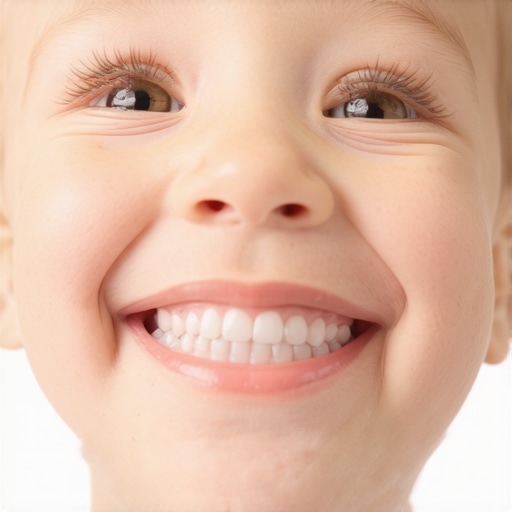
It was a chaotic afternoon, and I remember feeling a mix of surprise and frustration when I looked into my toddler’s mouth and realized that his teeth were coming in all wrong—not in the neat, predictable pattern I had read about but in a jumbled, unpredictable manner. My first instinct was panic—was this normal? Was I doing something wrong?
As parents, we’ve all faced unexpected surprises with our little ones, but when it comes to their teeth, confusion and worry can quickly take over. I, too, initially believed that teeth simply followed a set timeline and order, assuming every child would have a predictable dental development. However, I soon discovered that this isn’t always the case. Sometimes, your child’s teeth will emerge out of the typical sequence, which can be distressing if you’re not sure whether it’s a cause for concern or just a natural variation.
So, what caused my initial worry? Was there a hidden problem lurking beneath the surface? Or was this just a normal part of dental growth that I had misunderstood? It turns out, many parents share the same doubts, and this can lead to unnecessary stress.
Today, I want to share what I learned from my experience and how you can better understand your child’s dental development. We will explore why irregular tooth eruption happens, what it can mean for your child’s oral health, and most importantly, how to handle it confidently—saving you from the fear of the unknown.
Decoding the Mystery of Irregular Toddler Teeth
Assessing Your Child’s Dental Patterns
Begin by observing your child’s teeth emergence over a few weeks. Keep a journal noting which teeth appear and their sequence. Remember, deviations are normal—similar to how some trees grow crooked but still stay healthy.
Schedule a Trusted Family Dentist Visit
Book an appointment with a family dentistry specialist experienced in pediatric cases. During the visit, request a thorough examination and, if needed, a panoramic X-ray to understand the underlying structure. This step is like calling in a seasoned detective when a puzzle has missing pieces.
Learn About Dental Development Milestones
Educate yourself on typical dental milestones, but also recognize individual variation. Parents often mistake normal variation for problems—think of it as confusing a unique snowflake for an anomaly. Use family dentistry resources to guide your expectations.
Implement Gentle Oral Hygiene Practices
Establish a consistent routine: brush twice daily with a soft-bristled toothbrush suitable for toddlers, and encourage flossing as advised. Picture this as nurturing a fragile plant with just enough water—too much or too little can be harmful. Consistency helps teeth develop properly, even if their eruption looks unusual.
Monitor for Signs of Trouble
Watch for persistent pain, swelling, or teeth that are coming in crooked with significant overlap. These signs might indicate developmental issues requiring intervention. Think of it like listening to a car engine—strange noises merit expert attention before they become serious.
Adjust Diet and Habits Accordingly
Limit sugary snacks and drinks, as sugar acts like rust on metal—damaging your child’s oral health over time. Incorporate foods rich in calcium and phosphates to strengthen emerging teeth. This is akin to feeding a young sapling the right nutrients to grow strong and upright.
Stay Informed Through Reliable Sources
Regularly consult reputable websites and literature, such as the home dental care tips, to keep up with best practices. Knowledge empowers you to handle surprises confidently, much like a seasoned gardener tending an unpredictable vine.
Keep a Positive Outlook and Patience
Remember, irregular eruption patterns often resolve naturally. Your calm presence reassures your child and lessens anxiety—think of it as a steady lighthouse guiding a ship safely through foggy waters.
Many believe that dental crowns are a quick fix that requires little maintenance, but in reality, they demand careful attention to ensure longevity. The myth that crowns are maintenance-free can lead to neglect, resulting in premature failure. Overlooking the importance of proper cleaning around crowns is a common mistake—plaque accumulation in the margins can cause decay, even beneath the restoration, undermining your oral health. It’s crucial to understand that crowns are not just cosmetic solutions but integral parts of your overall dental landscape. Regular inspections by your family dentist can detect issues early; skipping routine check-ups might cost you more in the long run. Additionally, some assume that once a crown is placed, your natural tooth no longer requires care, which isn’t true. Gently cleaning both the crown and adjacent teeth sustains gum health and prevents inflammation. A hidden nuance many overlook is the importance of using appropriate tools, like soft brushes and non-abrasive pastes, to avoid damaging the crown’s surface. Advanced mistakes include not considering material differences—zirconia offers more durability compared to porcelain, influencing your choice based on where the crown is placed. Interestingly, studies show that neglecting the significance of the crown-to-tooth margin can lead to secondary decay, emphasizing that comprehensive care is essential. For a deeper dive into maintaining your crowns effectively, check out these expert tips. Remember, a crown’s lifespan hinges on your daily habits and proactive dental care—think of it as safeguarding a valuable investment. Don’t fall prey to the misconception that crowns are maintenance-free; instead, embrace diligent care to preserve your smile’s health and beauty. Have you ever fallen into this trap? Let me know in the comments.Maintaining your oral health routine requires more than just good brushing habits; investing in the right tools can significantly extend the life of your dental work and improve overall oral wellness. One of my go-to pieces of equipment is a high-quality water flosser, such as the Waterpik Ultra, which I personally use every night. Its pulsating streams effectively remove plaque buildup in hard-to-reach areas, especially around crowns and bridges, where traditional floss might struggle. I’ve found that incorporating a water flosser reduces gum inflammation and prevents secondary decay, which is crucial for long-term crown maintenance. For those who prefer manual tools, a soft-bristled toothbrush like the Philips Sonicare ProtectiveClean 6100 ensures gentle yet thorough cleaning, protecting delicate crown margins from abrasion. Additionally, I recommend using interdental brushes designed specifically for crowns; they allow detailed cleaning in tight spaces, minimizing plaque accumulation. When it comes to monitoring your oral health, digital tools like the Philips Sonicare App integrate with your toothbrush to track your brushing patterns and remind you of areas missed, making daily care more efficient. Looking ahead, technological advancements such as AI-powered diagnostic devices are poised to revolutionize how we detect early issues with crowns and restorations, enabling even more proactive maintenance. For instance, studies like those published in the Journal of Dental Research highlight how predictive analytics can forecast crown failures before symptoms appear, allowing timely intervention. To get started on a superior maintenance routine, I urge you to incorporate a water flosser into your nightly regimen—it’s a game-changer in preventing complications and extending the lifespan of your dental restorations. Regular use of these tools complements professional check-ups and helps achieve a healthier, longer-lasting smile. For more detailed advice on maintaining your crowns and ensuring their durability, visit these expert tips and start enhancing your oral health today.
The Hardest Lesson I Learned About crowns, teeth cleaning, oral health, family dentistry
My journey with dental care taught me that assuming perfect, uniform results can lead to complacency. I discovered that every smile is unique, and embracing that uniqueness requires patience and customized attention, especially when it comes to crowns and children’s dental development. Recognizing the importance of personalized care helped me avoid unnecessary worries and focus on proactive solutions, transforming how I view oral health maintenance.
3 Myths About crowns, teeth cleaning, oral health, family dentistry That Held Me Back
Believing that crowns are maintenance-free or that baby teeth don’t matter can be costly mistakes. Dispelling these myths revealed how crucial consistent cleaning routines and awareness are for long-term success. Understanding that proper hygiene around crowns and during your child’s developmental phase ensures lasting health was a revelation, preventing future complications.
What Experts Won’t Tell You About crowns, teeth cleaning, oral health, family dentistry
Many professionals know that a proactive approach beats reactive treatment. They often overlook how individual habits, diet, and even stress influence your dental health. Learning these lesser-known insights encouraged me to stay informed and vigilant, making visits to the dentist more effective and less intimidating.
Curated Resources to Elevate Your Oral Care Game
My essential toolkit includes a high-quality water flosser like the Waterpik Ultra, which I rely on nightly for its superior plaque removal—especially around crowns and braces. I also trust the Philips Sonicare ProtectiveClean for gentle, thorough brushing, and interdental brushes designed for precise cleaning in tight spaces. These tools, combined with reputable sources like family dentistry resources, have significantly improved my routine and confidence in maintaining oral health.
Start Today: Empower Your Smile’s Future
Your dental health is a journey, not a destination. By staying curious, adopting effective habits, and tapping into trusted resources, you can make informed decisions that protect and enhance your smile. Remember, your proactive steps today set the foundation for a healthier tomorrow—don’t wait for problems to escalate before taking action. Embrace the knowledge, tools, and community around you, and watch your confidence and oral wellness flourish.
What has been your biggest aha moment in managing crowns, teeth cleaning, or family dental care? Share your experience below—I’d love to hear your story!