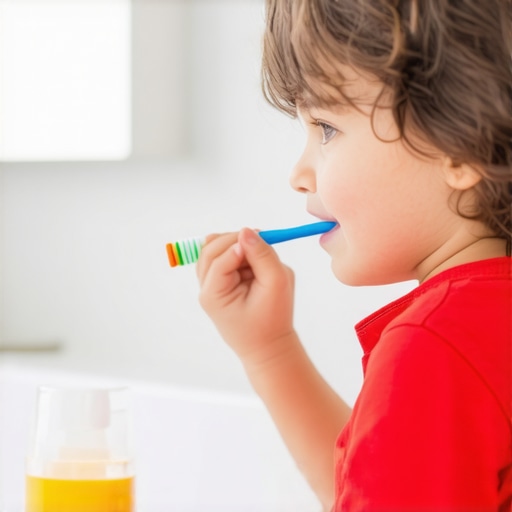
I remember the exact moment I realized my kids weren’t brushing long enough. It happened during a frantic bedtime routine when I caught my youngest quickly zipping through the task—barely a minute, if that—and then dramatically announcing, “Done!” My stomach sank. Teeth that aren’t scrubbed properly are like tiny invaders whispering, “Come on in!” to cavities and gum issues. That lightbulb moment made me ask: how can I actually get my kids to brush for the full two minutes recommended by dentists?
Why Two Minutes Matters More Than You Think
As a parent and dental enthusiast, I’ve learned that those precious 120 seconds can be a game-changer for your child’s oral health. During that time, their saliva has a chance to neutralize acids and wash away food particles—key steps in preventing cavities. Unfortunately, many kids simply don’t have the patience or awareness to brush thoroughly for that long. Early on, I made the mistake of thinking quick brushing was enough, only to realize that superficial cleaning leaves behind plaque and bacteria. According to the American Dental Association, a proper brushing session should last exactly two minutes, twice a day, to effectively remove plaque—the root cause of tooth decay and gum disease.
So, how do we bridge this gap between knowledge and actual practice? That’s what I’m here to share—tried-and-true methods that transformed my household’s brushing habits.
Is It Really Worth the Effort to Make Kids Brush Longer?
If you’ve ever wondered whether all this fuss is necessary, think about this: neglecting proper brushing can lead to costly dental issues down the road, including crowns or even dental implants. I’ve seen families face unexpected expenses and emotional stress due to preventable cavities. Early mistakes I made involved underestimating how challenging it can be to keep young children engaged for two minutes. For example, I once relied solely on insisting they brush—hoping the message would stick. Spoiler: it didn’t. That’s why I started looking for fun, engaging ways to motivate my kids—things that turn a chore into a game.
Ready to discover the strategies that made brushing a fun and effective part of our daily routine? Let’s dive in, and I’ll show you how I did it, step by step.
Establish a Routine that Kids Can Rely On
Start by creating a consistent schedule, brushing at the same times every day. Use a visual chart with stickers or marks to help children track their brushing, turning it into a predictable part of their day. During my experience, setting a fixed bedtime routine that included brushing helped my youngest anticipate and prepare for the task, leading to fewer resistances. Incorporate a small reward system to motivate consistency, like earning a sticker for each successful two-minute session, which boosts a child’s sense of achievement and habit formation.
Use Fun and Engaging Tools to Keep Attention
Equip your kids with colorful, kid-friendly toothbrushes and timers shaped like their favorite characters. I discovered that a two-minute hourglass or a timer app with playful sounds kept my children engaged, making the brushing feel more like a game than a chore. For example, I used a musical timer that played a two-minute song, encouraging them to brush until the song ended. This method effectively turned a mundane task into an entertaining activity, ensuring they brushed thoroughly enough to clean all surfaces effectively.
Model Good Behavior and Practice Together
Children mimic what they see. I made it a point to brush my teeth alongside my kids, showing them the proper technique and timing. This micro-story taught my children that brushing thoroughly is a normal, adult activity. As they watched me take two minutes, brush in small circles, and reach all teeth, they learned by example. Remember, demonstrating proper form and duration reinforces habits and emphasizes their importance, creating a family-wide focus on dental health.
Teach Proper Technique with Clear Instructions
Explain that brushing isn’t just about quick movements but covering all areas—fronts, backs, and chewing surfaces—for full two minutes. I found that dividing the mouth into quadrants—upper left, upper right, lower left, lower right—and dedicating 30 seconds to each helped my kids understand the importance of thoroughness. Using an oral health routine guide, like visiting this resource, can clarify techniques and encourage diligent brushing. Initially, I checked their work after brushing to ensure they reached every part, correcting their technique gently but firmly, emphasizing that thorough cleaning prevents cavities and future dental work.
Incorporate Technology for Monitoring and Motivation
Apps and electric toothbrushes with timers and feedback can make the process interactive. I used a smart toothbrush that tracked brushing time and provided real-time feedback. It was a game-changer: my kids wanted to see if they could beat their previous scores or complete their brushing within the recommended two minutes. Such tools can promote independence while ensuring the recommended duration is met, leading to better plaque removal. You can learn more about effective home practices at this link.
Address Challenges Gently and Stay Consistent
If resistance or mess occurs, stay patient. I remember a morning where my youngest refused to rinse his mouth after brushing, leaving toothpaste foam everywhere. Instead of scolding, I turned it into a game, making funny faces and encouraging him to finish calmly. Consistency and positive reinforcement gradually helped him develop a habit. Remember, every child is different; patience is key. If you need personalized advice, schedule a consultation at our contact page. Keeping the focus on fun, routine, and modeling good habits ensures your children will brush thoroughly for the full two minutes, laying the foundation for lifelong oral health.Many people think they understand the basics of oral health, but there are nuanced truths that often go unnoticed. For instance, the widespread belief that flossing can replace professional cleanings is a misconception; studies like those from the Journal of Clinical Periodontology emphasize that daily flossing complements, but doesn’t substitute, regular dental visits, which are essential for removing hidden plaque beneath gums. One common myth is that all teeth whitening methods are equally safe, but the American Dental Association warns that over-the-counter whitening products can sometimes damage enamel if misused, especially without professional guidance.
Why do some seemingly effective dental practices actually backfire?
A frequent mistake I see is using abrasive whitening toothpaste daily, which can erode enamel over time, making teeth more sensitive. This is supported by research indicating that overuse of such pastes accelerates enamel loss, increasing vulnerability to decay. Additionally, many assume that crowns are only for damaged teeth; however, pulp vitality and surrounding tissue health are critical considerations. Poorly fitted crowns can trap plaque, leading to decay beneath them, as highlighted in studies from the National Institute of Dental and Craniofacial Research. My own experience taught me that opting for quick fixes without understanding these underlying factors risks long-term damage. Avoid the trap of believing that the cheapest crown or cleaning option is always best—quality matters for durability and health. Instead, investing in professional guidance, such as consulting experts at https://periodontistcare.com/contact-us, ensures you’re making informed choices. Remember, oral health nuances are subtle but vital—questioning common assumptions can save your teeth and finances in the long run. Have you ever fallen into this trap? Let me know in the comments.Maintaining excellent oral health requires more than just regular brushing and flossing; it hinges on investing in the right tools and adopting consistent maintenance routines. As someone deeply passionate about family dentistry, I personally rely on a combination of advanced electric toothbrushes, professional-grade flossers, and smart technology to ensure my family’s smiles stay healthy for years to come. One device I swear by is the Philips Sonicare DiamondClean Smart, which offers multiple brushing modes and real-time feedback through a smartphone app, making it easier to identify areas that need more attention and to track progress over time. This level of precision helps prevent plaque buildup, cavities, and gum issues, prolonging the lifespan of crowns and restorations.
Regular professional cleanings are equally crucial. I schedule biannual visits with my trusted dental hygienist because no matter how diligent I am at home, they can remove stubborn tartar and detect early signs of dental problems. Further, using targeted treatments like fluoride varnishes during visits can reinforce enamel, especially if you have crowns or restorations. Consistency with these appointments and treatments is key to long-term success.
In terms of long-term results, integrating digital tools such as oral health tracking apps can be a game-changer. These apps provide reminders for brushing, flossing, and even rinsing with mouthwash, alongside educational tips tailored to your specific oral health needs. I recommend exploring options like the Colgate Connect, which syncs with your toothbrush and offers personalized coaching.
Looking forward, I believe technology will continue to revolutionize dental maintenance. We might see more AI-powered devices that analyze your brushing habits and suggest improvements in real-time, or even smart crowns that monitor their own integrity and alert you to issues before they become painful or expensive.
**How do I maintain my dental tools and ensure they stay effective over time?** Regular cleaning of toothbrush heads—either replacing them every three months or disinfecting them with UV sanitizers—is vital. Additionally, using dental tools like interdental brushes designed specifically for your gaps prevents plaque from hiding in hard-to-reach spots. For crowns and restorations, practicing meticulous oral hygiene around the area helps prevent decay beneath these structures, which can sometimes go unnoticed until they cause discomfort. To ensure your crowns last as long as possible, I recommend consulting these professional tips.
By combining advanced tools, routine professional care, and consistent maintenance, you’ll set the stage for a smile that remains healthy, functional, and beautiful for years ahead. I invite you to try incorporating a smart toothbrush into your daily routine—an investment that pays dividends in your overall dental health. Remember, the journey to lifelong oral wellness is built on small, consistent steps that compound over time, ensuring your teeth and gums stay in top shape.
Lessons No One Shared About Making Brushing Stick
One of the toughest lessons I learned was the importance of patience over pressure. For instance, I once insisted my kids brush for two straight minutes, but they only managed one. Forcing them led to resistance, and I realized that gentle encouragement and making it fun was more effective. Another revelation was that modeling good habits isn’t just about doing it yourself but involving the whole family in routines, which I saw dramatically improve my children’s engagement. I also discovered that using tactile tools, like textured toothbrushes or flavored toothpaste, could turn brushing from a chore into a sensory adventure, increasing the likelihood that they’ll brush thoroughly. Perhaps most surprisingly, I learned that early education about the why behind proper brushing fosters intrinsic motivation, transforming regular routines into meaningful habits that last a lifetime. These lessons emphasized that understanding a child’s perspective and adapting strategies accordingly creates lasting positive outcomes in oral health.