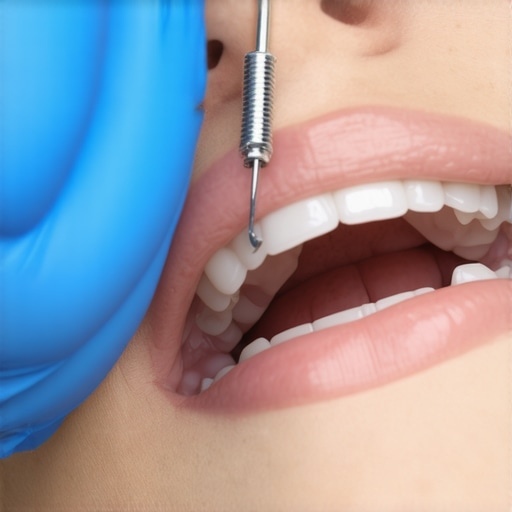
I remember the moment vividly—applying a late-night snack, only to feel a strange wobble in my mouth. My heart skipped a beat. It wasn’t pain or bleeding, just this inexplicable looseness that made me fear I might accidentally swallow my crown. Ever had a similar experience? That unsettling feeling when your dental crown starts to come loose and you’re left wondering, “Should I panic or fix it myself?” Well, that sensation is more common than you might think—and it can be downright frightening. But here’s the truth: you’re not alone, and more importantly, you don’t have to panic. Today, I’m going to share what I learned about how to fix a loose crown before it becomes a bigger problem, potentially saving you from unnecessary discomfort or costly dental visits.
Why That Loose Crown Is More Than Just an Annoyance
A loose crown isn’t just a minor inconvenience—it can lead to various issues if not addressed promptly. Food particles can get trapped, increasing the risk of decay underneath the crown. In some cases, the looseness might cause the crown to fall out completely, exposing vulnerable tooth structures to bacteria and decay. Moreover, if you accidentally swallow or inhale an unsecured crown, it can pose serious health risks. According to dental experts, neglecting a loose crown can also accelerate wear on adjacent teeth or cause misalignment over time, affecting your bite and overall oral health. That’s why addressing the problem quickly makes all the difference.
Have You Ever Faced This Issue?
If you’ve ever found yourself in this position, feeling that twinge of panic, I get it. I once ignored a wobbly crown, thinking it was no big deal—only to find it completely detached days later, forcing an emergency dental visit. That mistake taught me a valuable lesson: any looseness in a crown should be treated as an urgent alert. Avoid making my early mistake—trust me, instead of ignoring the wobble, taking quick action can save you pain, money, and a lot of frustration. Want to learn how to safely fix it yourself or get professional advice? Keep reading, because I’ll walk you through practical steps and expert tips to handle this situation effectively and with confidence.
Secure the Crown Temporarily with Over-the-Counter Materials
Start by rinsing your mouth to remove food debris around the loose crown. When handling a loose crown, it’s essential to avoid swallowing or inhaling it. Use dental cement, temporary dental filling material, or even sugar-free chewing gum as a makeshift seal. Apply a small amount directly inside the crown and gently place it back onto your tooth, pressing firmly to seat it properly. This temporary fix prevents debris accumulation and reduces sensitivity until you see your dentist. I once used over-the-counter dental cement I bought at the pharmacy, and it held surprisingly well for a few days, buying me time before my urgent dental appointment.
Prepare for a Precise Repositioning of the Crown
Next, check the fit by gently pressing the crown into place. If it doesn’t seat properly, do NOT force it, as improper placement can cause damage. Instead, look for gaps or tilt — these are signs you need professional help. Using clean hands or a dental instrument, wiggle the crown slightly to confirm the looseness. Think of it like trying to correctly place a puzzle piece; a slight adjustment can make all the difference. Remember, a good fit is critical to avoid discomfort or further damage. If you’re unsure, avoid trying to glue it permanently yourself and seek expert advice. It’s similar to how regular teeth cleaning ensures long-term health—consistent care matters for durable results. Check out home teeth cleaning tips for ongoing dental maintenance.
Know When to Seek Professional Attention
If the crown keeps slipping or you experience pain, contact your dentist promptly. Do not delay, as loose crowns can lead to decay underneath or even damage to the underlying tooth structure. While minor looseness can sometimes be managed temporarily, persistent issues demand expert intervention. Remember, a professional can re-cement or replace the crown properly, ensuring a lasting and safe solution. Ignoring the problem could allow bacteria to invade, leading to infections or more extensive dental work. Think of dental health as building a sturdy house—the foundation (your teeth) requires professional reinforcement when problems arise. For expert guidance, visit professional crown care advice. This ensures your smile remains healthy and confident without risking further damage.
Myth: Brushing Harder Gets Your Teeth Cleaner
Many believe that applying more pressure while brushing will remove more plaque and keep teeth healthier. However, this is a misconception that can lead to gum recession and enamel erosion. Gentle, thorough brushing with a soft-bristled brush is proven to be more effective and safer. Overly aggressive brushing can damage delicate gum tissue and accelerate recession, exposing root surfaces to decay. Experts from the American Dental Association emphasize the importance of proper technique over brute force. Are you brushing the right way? Learn more about effective home teeth cleaning practices.
Question: Does Flossing Really Make a Difference Beyond Brushing The same way?
flossing is often dismissed as optional, but research shows it plays a crucial role in oral health. Flossing reaches areas that toothbrushes simply can’t, removing plaque and food particles from between teeth and under the gumline. Neglecting this step increases the risk of cavities and periodontal disease significantly. A study published in the Journal of Periodontology confirms that regular flossing reduces gingival bleeding and pocket depth. Incorporating effective flossing techniques is vital for long-term oral health. Curious about how to master flossing? Discover expert routine tips for daily maintenance.
Family Dentistry isn’t Just About Cleanings
Many assume that family dentistry’s main role is routine cleanings, but it encompasses much more. It involves early detection of dental issues, managing developmental checkups, and educating patients on proper oral hygiene. Advanced interventions like bite analysis, applying crowns, and even orthodontic evaluations are integral components. Overlooking these broader services can lead to dental problems going unnoticed until they worsen. Regular visits to a committed family dentist ensure comprehensive care beyond just cleaning.
Preventive Care vs. Waiting for Problems
A common pitfall is delaying dental visits until pain or visible decay appears. This reactive approach misses the opportunity for preventive care. Modern dentistry emphasizes early intervention—like sealants, fluoride treatments, and routine checkups—to prevent deterioration. Waiting risks incurring more extensive, costly procedures later. Building a proactive oral health routine, as outlined in latest tips, can save you time, money, and discomfort over the years.
Getting Curry to Shine: The Nuance of Crown Maintenance
Many believe that once a crown is placed, no further care is needed beyond brushing. However, crowns require ongoing attention to ensure longevity. Improper cleaning, biting into hard foods, or neglecting issues like gum recession around the crown can compromise its stability. Some think crowns are invincible but neglect the importance of routine checkups and maintenance. For instance, proper crown care involves avoiding certain foods and using specialized cleaning aids to prevent decay or damage. Recognizing the nuances in crown maintenance preserves your investment and smile confidence.
Watch Out for These Advanced Mistakes
One trap many fall into is attempting DIY repairs on dental crowns or fillings based on online tutorials. While small adjustments may seem tempting, improper handling can cause irreversible damage. Professional evaluation is always recommended for persistent issues. Additionally, relying solely on over-the-counter products without professional advice can lead to microbial buildup under crowns or inadequate sealing, risking further decay. For expert insights and tailored solutions, consulting your dentist remains paramount.
Have you ever fallen into this trap? Let me know in the comments. Remember, understanding these nuances ensures you’re not just taking basic steps but actively protecting and enhancing your oral health for the long haul.
_Maintaining your oral health over the years requires more than just good habits; it demands the right tools and techniques. I personally rely on a combination of professional-grade instruments and digital resources to keep my teeth and crowns in optimal shape._
Investing in the Right Equipment for Effective Maintenance
One of my go-to tools is a **sonic toothbrush**, which utilizes high-frequency vibrations to remove plaque more effectively than manual brushes. Unlike standard brushes, a sonic toothbrush can reach deep into crevices and along the gumline, ensuring a thorough clean. I prefer models that offer multiple modes and timers, such as the Oral-B Genius X, because they help me adjust cleaning intensity and ensure I brush for the recommended duration.
Additionally, I use **interdental brushes** for thorough cleaning between crowns and around gumlines. These small, precisely sized brushes can be inserted gently to dislodge debris without risking damage to restorations. This is especially crucial for crowns, as bacteria build-up in hard-to-reach areas can undermine their longevity (see here for care tips).
Leveraging Tech: Apps and Reminders
Beyond physical tools, I deploy **dental health apps** that remind me to replace my toothbrush, schedule routine checkups, and track my daily flossing. Apps like Dental Monitoring integrate with wearable devices to provide personalized feedback and ensure my habits are consistent. These digital aids make long-term maintenance manageable amid busy schedules, ensuring I never neglect vital steps.
What the Future Holds for Dental Maintenance
The trend points toward **smart dental devices** that can analyze plaque buildup, detect early signs of gum disease, and even alert you if a crown is loosening. Emerging technologies, such as **AI-powered oral health scanners**, might soon offer at-home diagnostics comparable to professional checkups, making preventive maintenance more accessible and precise. Staying updated with innovations, like the upcoming breakthroughs in crown monitoring, can empower you to extend your dental restorations’ lifespan.
How do I maintain my crowns and teeth seamlessly over time?
Consistency is key. I recommend integrating a regular cleaning routine with your favorite tools and leveraging technology for reminders and tracking. It’s also wise to consult with your dentist about the latest at-home care innovations, such as **ultrasonic plaque detectors** or **electric flossers** designed for crowns. Remember, proactive maintenance can prevent costly repairs and preserve your smile’s natural beauty for years to come. For expert-reviewed techniques, visit this comprehensive guide. Now, try incorporating an electric interdental cleaner into your routine today and experience the difference firsthand!
What I Wish I Knew When Facing a Loose Crown
One of my biggest lessons was realizing that ignoring a loose crown only complicates the situation. I used to think a wobble was harmless, but delaying professional care led to more extensive repairs. Now, I understand that prompt action, even with temporary fixes, can save you from pain and costly procedures. Trusting advice from seasoned dental professionals has been a game-changer for my long-term oral health.
Tools That Transformed My Crown Care Routine
Investing in a high-quality sonic toothbrush and interdental brushes made a significant difference. These tools helped me maintain impeccable hygiene around crowns and natural teeth, preventing decay and prolonging restorations. Plus, incorporating dental apps for reminders kept my routine consistent. These resources come from trusted experts and have truly elevated my dental maintenance regime.
Action Steps That Keep Smiles Bright and Strong
My biggest tip is to stay proactive: schedule regular checkups, use recommended cleaning aids, and stay informed about new dental technologies like ultrasonic plaque detectors or smart crowns. Remember, your oral health is an investment—routine care today prevents costly repairs tomorrow. Embracing a combination of professional guidance and personal diligence has empowered me to keep my smile confident for years to come.