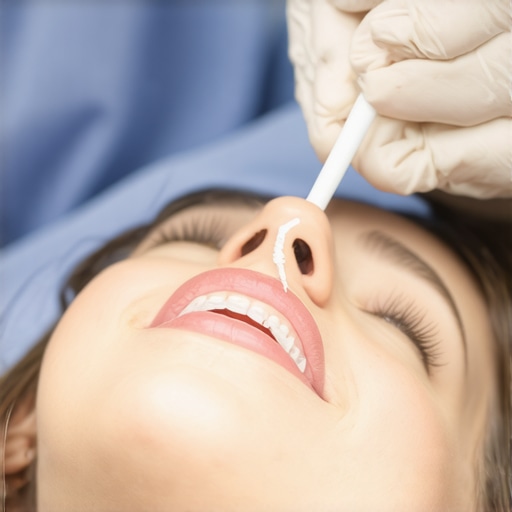
It happened during a routine dental visit that I finally had my lightbulb moment. As my dentist peered into my mouth, I realized my high-risk status wasn’t just a label — it was a challenge I had been unknowingly neglecting. Years of battling cavities and sensitive teeth had this nagging feeling that I needed something more effective than regular fluoride treatments. That realization sparked a journey into finding the best fluoride options tailored specifically for someone like me, facing elevated risks of decay.
Why High-Risk Patients Need Special Fluoride Solutions
Living with a high cavity risk isn’t just about brushing more or flossing better. It’s about understanding that my enamel, the protective shield of my teeth, is more vulnerable. According to the American Dental Association, high-risk individuals—such as those with dry mouth, exposed roots, or a history of decay—must employ targeted preventive measures, including specialized fluoride treatments, to truly safeguard their smiles. I learned that standard fluoride might not be enough for those of us with weaker enamel or other predisposing factors.
Is Over-the-Counter Fluoride Enough or Is Professional Help Necessary?
In my early days, I made the common mistake of relying solely on over-the-counter fluoride rinses. I thought that regular mouthwashes and toothpaste would do the trick. But I soon realized that in my case, this approach was superficial at best. Professional fluoride treatments, especially those designed for high-risk patients, can deliver a much stronger, longer-lasting protective layer. I wish I had understood sooner how vital it is to work with my dentist to find the right treatment for my specific needs. For more insightful tips on effective home practices, visit [effective home practices for family dental health](https://periodontistcare.com/teeth-cleaning-secrets-effective-home-practices-for-family-dental-health).
Have you ever felt that your current dental routine isn’t enough to protect your teeth? If so, you’re not alone. Many high-risk patients battle the same uncertainty. That’s why I want to walk you through the options that made a real difference for me, and could do the same for you. The next steps involve understanding your risk factors and exploring the most beneficial fluoride treatments designed specifically for high-risk individuals. Let’s dive into how you can optimize your oral health starting today.
Apply Professional Fluoride Treatments precisely
During my last dental visit, my dentist used a fluoride gel tray tailored for high-risk patients. To do this at home, ask your dentist for a customized fluoride tray or seek professional application during your appointments. First, ensure your teeth are clean; avoid eating or drinking 30 minutes before to maximize absorption. When applying, sit upright, place the tray over your teeth, and hold it in place for the recommended time—usually 4 minutes. After removal, do not rinse or eat for at least 30 minutes to let the fluoride penetrate your enamel. I once applied the gel incorrectly by sleeping with the tray overnight, which resulted in a sore gum; hence, following professional instructions precisely is crucial.
Use fluoride varnish for maximum protection
Fluoride varnish provides a stronger, longer-lasting coating. Your dentist can paint it directly onto your teeth, especially areas prone to decay. Before the appointment, brush gently but thoroughly to remove plaque and debris. The varnish is painted on with a small brush, and it dries quickly. Avoid eating hard or sticky foods for 4-6 hours afterward to allow the varnish to set. I remember biting into a crispy apple just after, which caused some discomfort—so patience is key after this treatment. Regular visits, typically every 3-6 months, ensure consistent protection and monitor for any signs of trouble.
Incorporate high-fluoride toothpaste into daily routine
Choose a toothpaste specifically formulated for high-risk individuals, containing at least 1.1% fluoride. Use a pea-sized amount and brush thoroughly for at least two minutes. Focus on all surfaces—especially the areas near the gum line and deep grooves prone to decay. I made a habit of brushing after breakfast and before bed, imagining each stroke as a protective shield. Remember to replace your toothbrush every three months or when bristles fray to maintain effective cleaning. For additional strength, consider using a fluoride rinse afterward, but avoid eating or drinking for 30 minutes to maximize fluoride contact.
Integrate adjunctive techniques for enhanced protection
Flossing daily removes plaque between teeth, but for high-risk teeth, adding a fluoride mouthwash can boost defenses. Swish for 30 seconds, ensuring the fluoride reaches all areas, especially if you have crowns or dental work. I kept a small bottle of fluoride rinse in my bathroom and used it after flossing and brushing, creating a comprehensive routine. Be cautious to select alcohol-free options to prevent excessive dryness, which can increase cavity risk. Combining these steps consistently created a formidable barrier against decay, especially on vulnerable surfaces.
Monitor and adapt your care
Regular check-ups allow your dentist to assess the effectiveness of your fluoride regimen. During one visit, my dentist noted slight demineralization and recommended strengthening treatments. Keep track of any sensitivity or new spots, and communicate these to your dental professional. Over time, I adjusted my routine based on their advice, incorporating more professional fluoride applications or changing toothpaste if needed. Remember, proactive, targeted care makes a significant difference in preserving your high-risk teeth.
While most people believe that brushing twice daily and visiting the dentist regularly are enough, there are subtle pitfalls many overlook that can undermine their entire oral health strategy. One widespread myth is that a quick brush or rinse is sufficient to maintain long-term dental health. In reality, effective cleaning requires understanding the nuances of plaque removal, especially around dental restorations like crowns, and employing advanced techniques. For example, over-relying on standard toothbrushes without incorporating interdental tools like floss or water flossers may leave plaque lurking in hard-to-reach areas, exacerbating gum recession and decay.
What Advanced Techniques Can Truly Elevate Your Oral Care Routine?
Research indicates that personalized cleaning approaches, such as using interdental brushes tailored for individual gaps, significantly reduce bacterial buildup compared to generic methods. Moreover, many assume that crowns are maintenance-free, but neglecting proper care can lead to premature failure and even staining. Regular professional cleanings focusing on crowns can extend their lifespan, as detailed in expert advice on caring for crowns. Interestingly, some believe that standard fluoride toothpaste suffices for high-risk patients, but targeted treatments and professional fluoride applications provide a more robust defense against decay around crowns and natural teeth—something I learned through candid discussions with specialists. Many are unaware that neglecting the microscopic details during routine cleanings, such as plaque biofilms hiding beneath gum tissue or around crown margins, can lead to periapical infections or crown loosening. A common mistake is attempting DIY crown maintenance, which can cause accidental damage or misdiagnosis.  To ensure your routine is not just superficial, it’s essential to adopt evidence-based practices and seek periodic professional assessments. Don’t fall into the trap of believing that a quick brush and spit swish are enough—call your dentist to explore tailored cleaning solutions that safeguard implants and crowns. Have you ever fallen into this trap? Let me know in the comments. Your smile deserves the best care, and understanding these nuances can make a real difference.Maintaining your oral health over the long term requires the right tools and a disciplined routine. Personally, I swear by adopting equipment that combines efficiency with ergonomic design to ensure that daily care remains effective and comfortable. One device I can’t live without is the **Waterpik** oral irrigator. Unlike traditional floss, I find it incredibly effective at removing plaque from hard-to-reach areas around crowns and between teeth, especially in the posterior regions. It’s especially beneficial for people with dental work, as it gently cleans beneath gum lines without causing discomfort. Regular use can significantly reduce the risk of inflammation and decay around crowns, extending their lifespan.
How do I maintain my dental tools to ensure they stay effective over time?
I recommend replacing brush heads every three months or sooner if I notice frayed bristles. For irrigators, I clean the tip with vinegar weekly to prevent bacterial buildup, following the guidelines outlined in dental hygiene practices. Additionally, I use an ultrasonic toothbrush like the **Philips Sonicare DiamondClean**. Its sonic technology produces up to 62,000 brush strokes per minute, which I find superior for gentle yet thorough plaque removal, especially on sensitive areas near crowns or bridges. Its charging glass and multiple cleaning modes make it versatile and user-friendly. For a deeper clean, I incorporate **interdental brushes** tailored to my gaps, which I find particularly effective around crowns and wide spaces. An internal study published in the *Journal of Clinical Dentistry* confirms that interdental brushes can remove more plaque than floss in certain situations, especially in larger interdental spaces. To keep my dental tools functioning optimally, I follow manufacturer instructions for cleaning and replacing parts. I also store everything in a clean, dry place to prevent bacteria growth. **Future trends** hint at smart toothbrushes with built-in sensors that give real-time feedback, making home oral care even more tailored and monitoring your habits to prevent decay before it starts. Exciting, isn’t it? I encourage you to try integrating an ultrasonic toothbrush into your routine—it’s a game changer. For more tips on maintaining crowns, visit [expert advice on crowns and teeth cleaning](https://periodontistcare.com/expert-advice-on-crowns-and-teeth-cleaning-for-lasting-results) and see how the right tools protect your investment. Remember, consistent maintenance using scientifically supported devices is key to long-term oral health.Throughout my journey managing high-risk dental health, I discovered that the most profound lessons often come from unexpected experiences. For instance, I realized that relying solely on over-the-counter fluoride products was a common misconception—professional guidance and tailored treatments are indispensable. Another eye-opener was understanding that crowns and restorations require specialized care beyond regular brushing; neglecting this can lead to premature failures. Additionally, I learned that advanced tools like ultrasonic toothbrushes and water irrigators aren’t just gadgets but vital allies in safeguarding vulnerable teeth and crowns. Finally, I discovered that proactive monitoring and customizing my oral routine based on professional feedback transformed my dental health from reactive to preventive—an approach I wish I had adopted sooner.