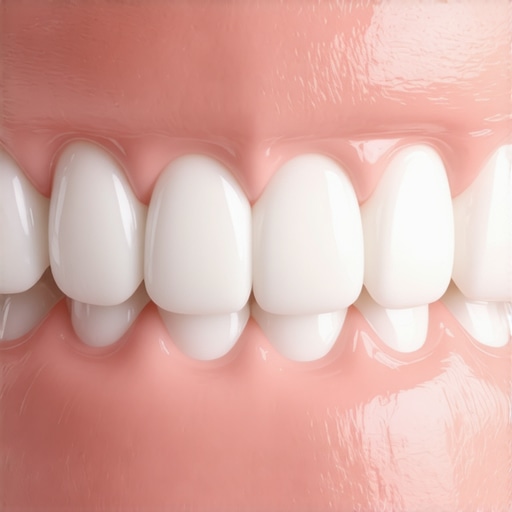
It was a typical Tuesday morning when I noticed something strange—my gums around that new crown felt puffy, tender, and oddly inflamed. At first, I brushed it off as just irritation from flossing a bit too aggressively. But days went by, and the swelling only worsened. I found myself worried, asking, “Did I do something wrong? Is my crown failing?” That lightbulb moment made me realize how common yet confusing this problem really is.
Understanding the Why Behind Swollen Gums and Crowns
When you get a dental crown, it’s supposed to protect your tooth and restore your smile. But sometimes, your gums react unexpectedly, swelling around the crown instead of welcoming it. This isn’t just a minor annoyance; it might signal underlying issues like infection, poor fit, or even allergic reactions. Over time, I learned that ignoring these symptoms can lead to more serious problems such as gum disease or even damage to the underlying bone.
Before diving into solutions, it’s crucial to recognize the signs early. Have you noticed bleeding when flossing around your crown? Or maybe persistent sensitivity or redness? Keeping an eye on these cues is your first line of defense.
Here’s the good news: identifying the cause is often simpler than expected. I made the mistake early on of dismissing minor discomforts, thinking they would resolve on their own. That was a misstep I don’t want you to repeat. According to recent studies, delayed treatment of gum inflammation can result in long-term dental issues, emphasizing the importance of prompt care. You can explore expert advice on [structured oral health routines](https://periodontistcare.com/oral-health-routine-strengthening-your-smile-every-day) to help prevent such problems.
Now, let’s explore what you can do if swelling around your crown has become a concern and how to navigate through it effectively.
Master Your Oral Hygiene Routine
Start by brushing twice daily with a soft-bristled toothbrush to avoid irritating your gums further. Use gentle, circular motions to clean around the crown without applying excessive pressure. Incorporate a fluoride toothpaste to strengthen enamel and reduce decay risk. Remember, consistent oral hygiene is the foundation for gum health and crown longevity.
Implement Targeted Flossing Techniques
Floss carefully around the crown, ensuring you clean beneath the gum line where plaque accumulates. Curved floss holders can help maneuver easily, preventing damage to sensitive tissues. As I learned during my own experience, controlled and thorough flossing can significantly reduce inflammation and prevent infection, especially in areas prone to swelling. For best practices, consult detailed guides like home cleaning secrets.
Use Antiseptic Rinses Wisely
Rinsing with a warm saltwater solution can help soothe irritated gums and reduce bacterial load. Mix half a teaspoon of salt in a cup of warm water, swish for 30 seconds, and then spit out. This simple step can diminish swelling and promote healing, especially after flossing or brushing. I applied this method after a particularly painful flare-up, and it provided immediate relief. Be careful not to overuse alcohol-based mouthwashes, as they can dry out tissues and worsen inflammation.
Monitor Your Eating and Drinking Habits
Hard, sticky, or sugary foods can irritate swollen gums and dislodge or damage the crown. Opt for soft, nourishing foods like yogurt, mashed vegetables, and smoothies. Avoid extreme temperatures that can trigger sensitivity. During my own recovery, I noticed that avoiding crunchy snacks and hot drinks helped the inflammation subside faster. For comprehensive dietary guidelines, check this daily routine.
Schedule a Professional Evaluation
If swelling persists beyond a few days or becomes increasingly painful, it’s crucial to see your dentist promptly. They may need to assess the fit of your crown, check for underlying infections, or perform cleaning that you cannot manage at home. During my visit, the dentist performed a gentle cleaning and adjusted the crown slightly, which alleviated the discomfort almost immediately. Regular check-ups can prevent complications and extend the life of your crown, as highlighted in crown maintenance tips.
Clarify Impact of Consistent Care
Remember, maintaining a disciplined oral health routine isn’t just about immediate relief—it’s an investment in your overall well-being. Proper cleaning techniques, cautious eating habits, and timely professional care work together to prevent recurring issues. My own experience taught me that proactive steps drastically reduce the chances of needing complex treatments later on, making regular dental visits an essential part of your personal health plan.
Many assume that brushing twice a day and visiting the dentist yearly are enough to maintain optimal oral health, but this oversimplification overlooks several critical nuances. One common myth is that all dental problems stem solely from poor hygiene, ignoring factors like genetic predispositions, occlusal issues, and material fatigue in restorations like crowns. For example, a study published in the *Journal of Dental Research* highlights how genetic factors influence gum disease susceptibility, meaning diligent brushing alone may not suffice for everyone. Another misconception is that professional cleanings are only necessary when symptoms appear; in reality, subclinical inflammation can silently cause tissue breakdown, emphasizing the need for regular checkups even when gums look healthy. An advanced mistake many make involves neglecting the importance of material properties in crowns—using subpar ceramics or improper bonding techniques can lead to early failure or microleakage, which may cause recurrent decay or sensitivity. This is why consulting with your dentist about crown materials and placement protocols is vital—more information can be found in expert advice on crowns and teeth cleaning. Additionally, there’s often a myth that teeth whitening or cosmetic procedures have no impact on overall oral health; however, some whitening agents can weaken enamel if used improperly, especially on unprotected crowns or restorations—so understanding the nuances of cosmetic dentistry is crucial. Given these complexities, it’s clear that a comprehensive, personalized approach to family dentistry extends beyond basic routines and requires awareness of advanced factors like material science, genetic risks, and subtle clinical signs. Protecting your family’s oral health means staying informed and avoiding these common pitfalls. Have you ever fallen into this trap? Let me know in the comments.Maintaining family dental health and extending the life of your crowns requires more than just regular brushing and flossing; it involves utilizing specialized tools and technology that enhance your routine. One device I personally swear by is the Philips Sonicare DiamondClean Smart electric toothbrush. Its multiple cleaning modes and pressure sensors help prevent gum damage while ensuring a thorough clean, especially around delicate crown margins. Additionally, its smartphone-connected app provides real-time feedback, guiding you to improve your technique consistently. I’ve found that integrating this tech-driven approach significantly improves my oral hygiene over manual brushing alone.
For effective interdental cleaning, I highly recommend the Waterpik Aquarius Water Flosser. Unlike traditional floss, water flossers can reach areas that are hard to access with string floss, making them ideal for cleaning around crowns and dental appliances. I incorporate the Waterpik into my nightly routine, and it’s helped me reduce inflammation and plaque buildup in tricky spots. According to a study in the *Journal of Clinical Dentistry*, water flossers are equally effective as traditional floss in reducing gingival bleeding when used correctly.
When it comes to long-term results, preservative and antibacterial rinses play a crucial role. I suggest using a mouth rinse with chlorhexidine for short periods during flare-ups, but for daily use, a natural additive like aloe-vera-based rinses can soothe tissues without the harshness of alcohol. Precision in rinse selection can prevent irritation around crowns, especially if you’re prone to inflammation.
Tools are only part of the picture; maintaining proper technique is vital. Regularly inspecting your tools for wear and replacing toothbrushes or water flosser tips ensures optimal performance. Also, I’ve started using a dental mirror equipped with LED lighting, which allows me to observe hard-to-see areas like behind molars. This proactive awareness helps me catch potential issues early before they escalate.
Looking ahead, the future of oral care is moving towards AI-integrated devices and smart wearables that monitor oral health metrics, predict problems early, and even alert you to issues like bruxism or gum inflammation. Staying at the forefront with these innovations can make a significant difference in your family’s dental care.
How do I maintain my tools and techniques over time?
Proper maintenance is straightforward but essential. Regularly soak your toothbrush head and water flosser tips in antibacterial solutions, replace toothbrushes every three months, and keep devices clean according to manufacturer instructions. Additionally, scheduling periodic checkups with your dentist ensures your tools are effective, and your technique remains optimal. This small investment in maintenance pays off by preventing costly repairs and ensuring your crowns and teeth remain healthy for years to come. To learn more about preserving your dental investments, visit caring for crowns. Don’t forget to incorporate these tools into your routine starting today, and notice the difference yourself.
What I Wish I Knew Before My First Crown
One of the most eye-opening lessons I learned was how vital personalized care is—no two mouths are the same, and the same applies to crown longevity. Skipping that detailed discussion with your dentist can lead to unforeseen complications, like unnecessary sensitivity or early failure. Remember, taking the time to understand your unique oral landscape can save you both time and money down the line.
Using Technology to Your Advantage
Contemporary tools like electric toothbrushes with smart sensors and water flossers have transformed my daily routine. They make it easier to reach tricky spots around crowns and prevent inflammation before it starts. Trust me, investing in these devices has made a notable difference in maintaining your family’s dental health, especially when used consistently. Discover the latest advancements in crown care tools.
When to Push for Professional Help
There’s a fine line between normal discomfort and warning signs of trouble. Early intervention, like a quick dentist appointment, can prevent minor issues from escalating into major procedures. I learned to listen to my body—persistent swelling, pain, or sensitivity around a crown isn’t something to ignore. Regular checkups are your best defense against costly surprises, as emphasized in professional crown maintenance tips.
Building Confidence Through Education
Understanding the science behind crowns and oral hygiene gave me confidence in my decisions. Knowledge is empowering—it helps you ask the right questions during visits and choose the best products for your family. For instance, knowing why certain whitening agents can weaken your restorations led me to safer alternatives. Dive deeper into this topic with expert advice on crowns and cleaning.
Keys to Long-Term Success
Consistency beat quick fixes every time. Regular brushing with soft-bristled brushes, gentle flossing, and mindful eating habits have kept my crown intact for years. But equally important is periodic professional assessment—think of it as a health check-up for your smile. I’ve seen firsthand how small adjustments during routine visits can extend the life of a crown and keep your gums healthy.