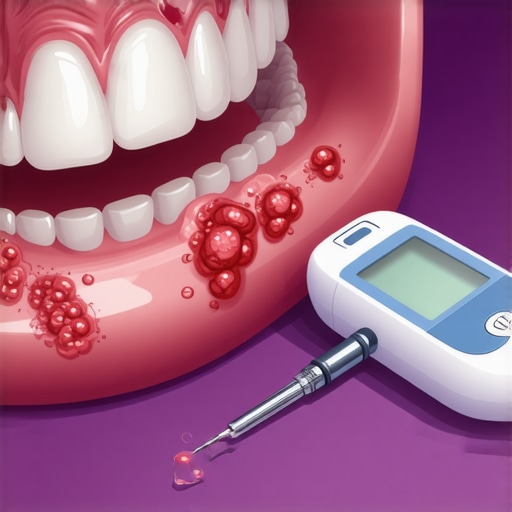
Ever had that moment where your gums feel tender, swollen, or start bleeding unexpectedly, and you brush it off as just a rough day? I used to ignore what I thought was minor irritation—until I noticed the recurring inflammation coinciding with my blood sugar spikes. It was a lightbulb moment that made me realize there’s more at play than just poor brushing habits. Yes, I’m talking about the surprising and sneaky connection between diabetes and frequent gum infections.
In this post, I’m going to share my personal journey and discoveries, and more importantly, reveal how understanding this link can help you protect your smile and your overall health. But first, let’s get real—why should you care about gum infections? Well, because they might be a warning sign of something bigger happening in your body that demands attention.
Why Your Gums Aren’t Just Bleeding for No Reason
Gum disease isn’t just about poor oral hygiene; it’s often a reflection of your overall health, especially if you have diabetes. The high blood sugar levels that come with diabetes create an environment where bacteria thrive, leading to inflammation and infections in your gums. I learned this the hard way—by ignoring early signs, I risked worsening both my oral and systemic health.
What many don’t realize is that the inflammation from gum infections can actually make it harder to control blood sugar levels, creating a vicious cycle. This is why managing your diabetes isn’t just about medication—your oral health plays a significant role.
Trust me, early in my journey I made the mistake of thinking that routine brushing and flossing were enough. I overlooked the importance of regular dental checkups and understanding how to care for my gums properly. For instance, after a deep cleaning, I found myself experiencing more bleeding than usual, which was alarming. That’s when I started exploring how to tie my gum health to my diabetic management. If you want to know more about maintaining your dental health, check out this guide on crowns and dental hygiene.
Many of us underestimate how interconnected our body’s systems really are. That’s why I’m here—to help you decode the signals your gums might be sending you. Are you experiencing similar issues? Keep reading, because the next sections will demystify what steps you can take to break this cycle and keep both your blood sugar and gums in check.
Start with Precise Brushing Techniques to Combat Gum Infections
Imagine your toothbrush as a tiny scrub brush for a stubborn stain—you’re aiming to remove plaque without damaging delicate gums. I remember the first time I tried manual brushing with a soft-bristled brush, focusing on gentle, circular motions along my gum line. This approach effectively disrupted plaque buildup without causing bleeding, especially when I used a soft-bristled manual toothbrush. Switching to this method reduced sensitivity and inflammation. Consistency is key—brush twice a day for two minutes, making sure to cover all surfaces. Incorporate gentle flossing afterward to dislodge debris between teeth, which a toothbrush can’t reach.
Use Proper Flossing to Break the Cycle of Inflammation
Flossing might seem simple, but technique matters tremendously. Instead of snap-flossing carelessly, I gently glide the floss into the gum pockets, forming a C-shape around each tooth while avoiding force that can cause bleeding. Initially, I experienced minor bleeding during flossing sessions, but I persisted—this indicated my gums needed attention and were responding to improved care. Regular flossing removes bacterial colonies lurking near the gum line, essential for diabetics fighting ongoing inflammation. If you’re unsure about technique, review this guide on effective home practices.
Regular Dental Checkups Are a Non-Negotiable
Think of professional cleanings as routine tune-ups for your car; they keep your engine running smoothly. I scheduled biannual visits, emphasizing professional cleaning procedures that focus on deep pockets of plaque that home methods miss. During those visits, my dentist performed scaling, removing hardened tartar—crucial because plaque hardens into calculus, which cannot be removed by brushing alone. This intervention reduced my gum bleeding episodes and kept inflammation in check. For optimal results, inquire about techniques to prolong the longevity of crowns and dental restorations.
Recognize the Role of Proper Care for Dental Crowns and Restorations
If you have crowns, their care is vital for gum health. I used to neglect the special cleaning needs of my crown, but I learned that neglecting to clean around crowns allows bacteria to seep underneath, leading to decay and gum inflammation. Using an interdental brush or water flosser helped me maintain the area around my crown, preventing infections that could jeopardize my systemic health. Remember, crowns are like delicate castles—walls need regular maintenance to stay secure. Check out this detailed guide for the best practices.
Adopt an Oral Routine That Works for Your Lifestyle
Your daily routine should be simple yet effective—think of it as a shield against bacteria. I started using a fluoride rinse after brushing, which fortified my enamel and reduced sensitivity while also neutralizing harmful bacteria. Incorporating mouthwash tailored for gum health helped me manage inflammation better, especially during stressful periods when my blood sugar spiked. Establish habits like rinsing, brushing, and flossing in the same order each day for consistency. For ideas that fit your lifestyle, explore this resource on daily oral health routines.
When it comes to maintaining optimal oral health, many of us fall prey to misconceptions that could be holding us back. One prevalent myth is that any staining on teeth is solely due to poor brushing habits. However, recent research indicates that certain stains are largely influenced by internal factors like enamel erosion or even medication side effects, making superficial cleaning insufficient. This is why understanding the underlying causes is crucial; a quick whitening treatment won’t address issues rooted in systemic health. For example, individuals with crowns often believe they require special cleaning methods, but in reality, improper cleaning around restorations can accelerate decay. Regularly scheduled professional cleanings, combined with the right home care, are vital for longevity. Want to dive deeper into how crowns can impact your overall dental health? Check out this detailed guide on crowns and smile makeovers.
### Are All Teething Efforts Equal for Adults?
Many assume that brushing harder removes more plaque, but this can actually damage gums and enamel, leading to recession and sensitivity. The truth is, gentle, consistent brushing with the correct technique beats aggressive scrubbing every time. Studies show that overdoing force during brushing can strip the protective layer of enamel, increasing vulnerability to cavities and sensitivity—especially for those with crowns or restorations. So, how do you ensure you’re brushing effectively without harm? Practice using a soft-bristled brush with circular motions, targeting the gum line, and avoiding excessive pressure. Want to know about advanced techniques for maintaining crowns? Visit this resource on crown care.
Another crucial aspect is the frequency and timing of professional cleaning. Many believe that once a year is enough, but evidence suggests that biannual visits significantly reduce periodontal risks, especially in diabetics where inflammation often disguises itself. These routine checkups allow dentists to identify early signs of deterioration around crowns and restorations, preventing costly repairs. Remember, neglecting these visits can lead to hidden issues—like bacterial infiltration—that compromise dental integrity over time. Curious about how dental professionals detect these problems early? Explore this insight on bacterial colonization.
Lastly, many underestimate the importance of comprehensive family dentistry. It’s not just about cavities; it’s about nurturing a lifelong commitment to oral wellness, which includes education on correct brushing, flossing, and recognizing early warning signs. Did you know that proper home care routines can significantly extend the lifespan of crowns and prevent the recurrence of gum disease? For tailored advice on building effective routines, check out this family dentistry resource.
In summary, unlearning myths about teeth staining, aggressive brushing, and minimal maintenance is crucial for better oral health. Recognize that superficial fixes won’t solve systemic or structural issues. Continuously educate yourself, consult professionals regularly, and adopt gentle yet effective care routines. Have you ever fallen into this trap? Let me know in the comments.Maintaining your oral health over time requires more than just regular brushing and flossing; it demands the right tools and disciplined routines. One of my favorite investments has been a high-quality electric toothbrush like the Philips Sonicare series. I personally chose it because of its oscillating-rotating action, proven to remove more plaque than manual brushes and gentle enough for delicate gums. The built-in timers ensure that I brush for the recommended two minutes, preventing the tendency to rush through brushing sessions. Over the years, I’ve found that consistency with a reliable device significantly reduces gum inflammation and helps maintain the longevity of crowns and fillings.
In addition to the toothbrush, I recommend a water flosser such as the Waterpik Aquarius. Traditional flossing can sometimes be tricky, especially around crowns or braces, but a water flosser effectively dislodges food debris and bacteria in hard-to-reach areas without damaging delicate restorations. I use mine daily to complement my brush, especially after meals high in carbs or sugars. Regular flushing around crowns prevents bacteria buildup that could lead to decay or gum disease, helping preserve both your natural teeth and restorative work.
Monitoring your oral health with advanced tools isn’t just about cleaning; it’s about early detection too. I rely on a portable perio probe like the CPI (Community Periodontal Index) tool to check gum pocket depths at home discreetly. This simple device gives me peace of mind by identifying early signs of recession or periodontal issues before they escalate. Incorporating such professional-grade tools into your routine can empower you to take control of your health between dentist visits.
Looking toward the future, digital health trackers and AI-powered apps are poised to revolutionize how we monitor oral health. Imagine using your smartphone paired with a smart toothbrush that provides real-time feedback and alerts you to areas you missed or where bleeding occurs. Companies are developing sensors embedded in toothbrushes and dental appliances to track oral health metrics continuously, alerting you to changes that may require professional attention.
### How do I maintain my tools and routines for lasting results?
Keeping your equipment in top shape is vital. Regularly replace brush heads every three months—this is critical because worn bristles are less effective and can harbor bacteria. For water flossers, follow the manufacturer’s instructions for descaling and cleaning, as mineral deposits can clog the device over time, reducing its efficacy. Storing tools in a dry, well-ventilated area prevents mold and bacterial growth.
Consistency with these practices enhances the benefits and ensures your investments pay off in a healthy, pain-free smile. Remember, integrating these tools seamlessly into your daily routine makes maintenance feel less like a chore and more like a lifestyle choice.
For crowns and restorations, investing in specialized cleaning devices such as interdental brushes and water flossers extends their lifespan and prevents costly repairs. Regularly checking your crown margins for buildup, as suggested in this comprehensive guide, ensures you catch issues early.
Try implementing a water flosser if you haven’t already; it’s one of the most effective tools to keep your crown areas clean, especially after meals. Over time, such disciplined routines contribute to a vibrant, healthy mouth, reducing the need for invasive procedures and saving you money. Remember, tools are only as good as the routine you build around them, so make them a staple in your daily oral health regimen.
The Hardest Lesson I Learned About Oral Health and Crowns
One of my most eye-opening experiences was realizing that even small, seemingly insignificant signs like gum bleeding could signal a deeper systemic issue, especially with crowns involved. I used to think that routine cleaning and brushing were enough, but neglecting the nuances of crown care and its impact on my overall health taught me a valuable lesson: never overlook the subtle signals your mouth gives you. Early intervention around crowns and gum health can save you from costly procedures later and improve your quality of life.
What I Wish I Knew Before Ignoring My Gums and Blood Sugar
Managing diabetes requires a holistic approach, and I learned that oral health is a crucial part of it. Ignoring inflamed gums or blood-tinged saliva can exacerbate blood sugar problems, creating a vicious cycle. Recognizing these signs early and adopting targeted care routines, like gentle brushing and professional checkups, transformed my health journey. This insight changed how I view routine dental visits—they are not just about teeth but about systemic wellness too. For tailored advice, check out this guide on crowns and dental hygiene.
How Gentle Techniques Saved My Smile and Sanity
Switching to soft-bristled brushes and mastering proper flossing methods felt like small wins that made a big difference. The secret was gentle, consistent care tailored to my crowns and sensitive gums. I also invested in a water flosser, which effortlessly cleared debris around restorations, preventing infections and discomfort. These tools and routines empowered me to maintain my smile confidently, avoiding unnecessary pain and visits. Incorporating these habits can be a game-changer for anyone with crowns or gum concerns.
Curated Resources That Truly Made a Difference
Over the years, I’ve leaned on some invaluable resources to refine my practices. This comprehensive guide on crowns and cleaning taught me how to care for restorations effectively. Also, tips on crown longevity helped me extend the life of my dental work. For daily routines, this resource on strengthening your smile daily offers simple yet powerful habits. Each of these has contributed immensely to my confidence and health.
Your Smile Can Be a Power Missile Against Hidden Dangers
Taking charge of your oral health today isn’t just about shiny teeth; it’s about defending your body from unseen threats. Small steps—like proper brushing, regular checkups, and attentive crown care—compound into a formidable shield against systemic issues like diabetes complications or heart disease. I encourage you to view your dental routine as a form of self-empowerment that can transform your overall wellness. Are you ready to start or refine your oral health journey? Share your thoughts below!